Dental CEO Podcast Episode 38: Quieting the Noise: Finding Focus and Your Zone of Genius
In a compelling episode of the Dental CEO Podcast, host Scott Luna explores the pervasive issue of noise in professional and personal realms and its impact on dental professionals’ effectiveness and well-being. Joined by Jesse Israel, a renowned human performance and well-being expert, the episode dives deep into strategies for quieting mental and environmental noise to enhance focus, performance, and personal fulfillment.
Highlights
- Identification of ‘noise’ as a major deterrent in personal and professional growth for dental professionals.
- Introduction of the Private Dental Alliance that aims to level the playing field for private dentists in terms of resource access and costs.
- Detailed exploration of various forms of noise: world noise, head noise, and body noise.
- Four S’s strategy by Jesse Israel for mitigating noise: Stillness practices, Solo time, Slow technology, and Saying ‘no thank you.’
- Emphasis on connectivity, assigning meaning to work, and acting with courage to move towards a more fulfilling life.
- The crucial role of identifying and nurturing one’s ‘zone of genius’ to maximize personal and professional potential.
Speakers
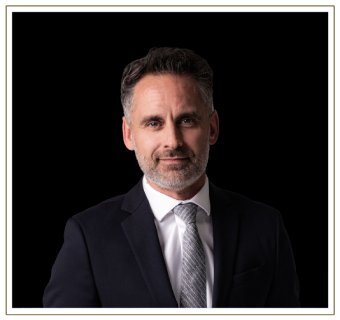
Dr. Scott Leune
Scott Leune, known as The Dental CEO, is one of the most respected voices in dental practice management. From his seminar room alone, he has helped launch over 2,000 dental startups and supported more than 20,000 dentists across practices worldwide. Named one of the 30 Most Influential People in Dentistry, Leune delivers practical, no-fluff strategies that empower dentists to lead with confidence, scale efficiently, and achieve real personal and financial success.
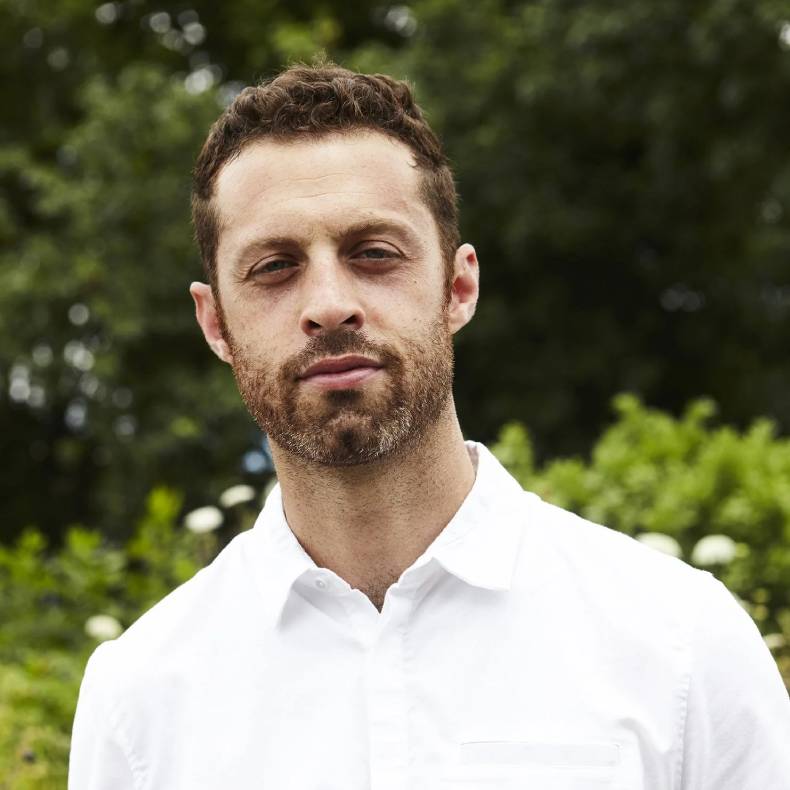
Jesse Israel
Jesse Israel is a keynote speaker, founder of the Big Quiet Movement, and an audible worldwide bestseller. He is a human and wellbeing expert who coaches politicians, athletes, and CEOs. For the first ten years of his career, he ran a record label and a technology investment fund, signing the band MGMT, which helped put his label on the map. He later pivoted to start the Big Quiet, the world’s largest mass meditation movement, and now works as a keynote speaker and leadership coach.
Watch Episode
Read Full Transcript
So why can't we ever seem to find enough time to get everything done that we're behind on to do what we want to do, do what we know we need to do. And at the end of the day, like why? Why can't we be fulfilled, happy professionally happy with wealth, happy on the personal side, do you feel stuck sometimes? Do you feel like you're just kind of unfulfilled or going through the motions or unalive? Those are the topics of today. Basically, how can we remove the unhealthy noise from our life so we can become a much more effective CEO, a much more effective person to be happy to find our true genius in what we do every single day. I have, I'm interviewing here on this episode, someone that has shared the stage with all Oprah. He's a keynote speaker. He's a founder of the Big Quiet movement. He's an audible worldwide bestseller, a human performance and well being expert and coach of politicians and athletes and CEOs this is Jesse Israel, and I'm so excited to present to you this next episode on the Dental CEO podcast. All right, so thank you again, Jesse, for. For taking the time and. And talking to this dental audience, which I, you know, I don't know if you've ever spoken to dentists or. Or physicians or anything like that, but to have people coming from your side of the world of what you study and what you do is. Is such a treat for us because it's really healthy to get some outside perspective and then to relate it back. So thank you again for. For coming on. Now I'd like to kind of pass the ball to you for a bit. Some people, even though you've got a big following and you've. You've been on stage with Oprah and stuff, some people still may. May not know you or know what you do. So could you maybe give a couple sentences on, like, who you are, what are you doing? What are you doing today? You know, what's the latest thing? Yeah, for sure. And, Scott, thank you for having me, man. I've really been looking forward to the convo. So for the first 10 years of my career, I ran a record label and a technology investment fund. It was something that I started when I was a sophomore in college. We signed a band called mgmt. They took off and kind of put us on the map as a label. And for a while, we did our thing in the music biz, throwing concerts and investing in music tech startups. I made a big pivot and went from this very noisy industry, signing bands, throwing concerts, to starting the big quiet, which would go on to become the world's largest mass meditation movement. And we would fill arenas of people in silence. And I went on to teach meditation, and today I'm a keynote speaker and leadership coach. I work with high performers and I speak at organizations around the world, and I talk about how people can find common chaos so they can realize more of their potential. So, okay, I have never experienced meditation, and my wife is all about things like that, and I'm unfamiliar with it. So for people like me that are listening, could you maybe kind of summarize what is meditation? Why do people want to do something like that? Yeah, so there are lots of different styles of meditation. The style of meditation that I teach, the way that I think of meditation, is a systematic process to remove stress from our body and nervous system. Right. We are all so overwhelmed and drowning in the noise that's coming at us from every angle. Today I talk about noise in three different three different buckets. The noise of the world, the noise in our heads and the noise in our bodies. The noise of the world is the information overload, the constant connectivity, the news cycle, the doom scrolling on social media, the fiercer competition, the fires to always put out, you know, the never ending to do list. It's all of that information that's coming at us, the noise in our heads, those are the stories we tell ourselves. You know, it's the not enoughness comparison to other people. It's the worry, it's the self doubt, it's the overthinking. And the noise in our bodies is what we're feeling inside. The burnout, the exhaustion, the anxiety, the dysregulation of our nervous systems. So I see all of this as noise. For me, meditation is one of several tools and practices that I talk about to help us quiet and tune out all of that noise so we can really hear who we are and access the best of who we are and bring that to our work, into our lives. Our. I find meditation to be a foundational tool to do that. And so, you know, this is man. Does this apply to the dental world? Because for those dental people listening here, I think if you are an owner dentist of a practice, you might feel like you never quite have enough time, you never quite get ahead of the things you got to do. And everyone's pulling on you inside of work, outside of work, you're pulling on yourself sometimes. And it might be hard to sleep, it might be hard to be awake, it might be hard to work, but it might be hard to have fun or relax. Right. And so when I describe this, Jesse, out loud, is this the kind of noise you're talking about? Yeah. And I got to tell you, Scott, I work with a lot of corporations and I walk, I work across a lot of different industry. And what you're talking about is true to everybody I work with, in every industry I've worked with. You know, it's, it's whatever the unique offering is that we do through our work. We're dealing with noise, we're met with noise. And I think for so many of us today, we're not taught how to quiet it, how to tune it out, how to cut through it. So we feel like we're drowning in it. Yeah. You know, God, I love hearing you describe this because so many people when they talk about success, they talk about have the grit to push through, be obsessed, be passionate. It's like white knuckle your way through the muck of life to like find Success. But what I think you're describing is get rid of the muck, and it's a lot easier to walk forward and be successful. Is that analogy applicable here? Spot on, man. It's like, if we can clear what's going on inside and we can also make space from everything that's coming at us, it's so much easier not not only to move forward, but to really excel, like, perform at our full capacity if we learn how to do this, because, you know, what I'll say is this idea of you just gotta, like, bite down, grin and bear it, and just, like, push through. I think that it's an old model that's proven to not work. As our world and life and careers get noisier and, you know, louder, they're only going to get noisier and louder. That old model continues to prove to fail and not work, you know, so the way we've been working isn't working. We need new ways to think about how to thrive. So I love what you're saying. It's about challenging this old paradigm and understanding that the key to better performance isn't more noise. I would say the key to better performance isn't more intensity. It's less noise. And that's the big shift that I think people need to make today. So I think some people might think, oh, less noise. That means I need to delegate to someone. What do you mean by, like, how. How would I be someone to recognize the noise and to say, all right, I need to remove this noise from my life. How does. How do you go about that? Yeah, so there are a few different ways that. That I talk about kind of actionable, tangible, realistic ways to help tune out that noise. So four S's that I like to speak about for stillness. So the first S is stillness practices. Okay, so this is where meditation fits in. Popular podcaster Tim Ferriss. Sure. I'm guessing you might be familiar with his work. You know, he interviewed 250 of the world's top performers, business, athletics, entertainment. And what he found was that the single most common habit shared amongst the majority of these high performers was a daily eyes closed, stillness practice. So meditation or mindfulness for at least five minutes, finding ways to not only slow down, but to be with ourselves and almost become the eye of the storm in the face of all the chaos of everything. So finding quiet in the chaos of everything becomes a source of fuel. Stillness practices. The second one that I like to talk about, second S. Solo time. So one of my favorite references, David Ogilvie, you Know, considered to be the father of advertising. This guy swore that his best selling and most popular ads came to him in moments of solitude. So he was known to be somebody that would go for walks in between meetings. He would garden the back of his office. You know, he would just sit and listen to music. He would really intentionally create moments just with himself to let ideas, creativity emerge. You know, I say quiet moments lead to aha moments. Right? We saw, he saw a lot in his work. I know for a lot of people it might feel impossible to create moments of solitude when we have lots of people looking at, looking to us within our companies or if we have families and kids. So I also talk about the importance of micro solitude. You know, taking a couple extra minutes in the shower to just be with yourself, you know, to choose to go pick up the food for the family instead of having it delivered and to have that moment in the car without music to just be with yourself, you know, see what emerges. We're wired as humans to have moments of solitude. It's actually a really important part of how we exist as a species. Having extended periods of being with ourselves, with our thoughts, without distraction is a really critical component to how we process emotion and also to how we access creativity and come up with new ideas. Today we have a real solitude deprivation issue. It's almost like it reminds me of a traditional way of you work hard and you put in the late hours, you do your best and every now and then you need to take a vacation to recharge. And it's like on that vacation there's this finally, maybe this moment of solitude where the body begins to heal from the stress of these distractions. And I know from my life I've come up with what became pretty successful companies in moments of stillness, you know, week two of a vacation. But I think what you're describing is can that become a habitual moment of stillness or solitude or solo time? We're not talking about an annual vacation to the Bahamas. We're talking about a daily habit. Is that correct? Yeah. And even micro daily moments, you don't have to sit in meditation for two hours every day. This isn't about bringing monastic practices into our modern lives. It's about finding these bite sized moments to reset, connect with ourselves, create space for the best of who we are to emerge. Right. So yes, what you're saying is spot on. And then when we're able to extend it, if we can do, you know, a week where we can go off work or a weekend without work. Right. Or a Day without our phones, then it just gets more powerful. But we want to make sure that we're continuing to prime the system in these ways. So I talked about stillness practices and solo time. Would it be helpful to mention the two others? Yeah. So the next one is slow technology. This is a huge one, man. We were not trained or taught how to use our devices in a way that ultimately best support our well being and performance. We just weren't. We all kind of figured out phones as they got smarter and continue to. And as a result, our phones tend to control our lives. So when we wake up in the mornings, our brains are in these very ripe states. Our brain is actually pretty active when we sleep. And that's because the neurotransmitters, the cortisol, the dopamine, the oxytocin, the chemicals that have been used in our brain the day before, they get rebalanced when we sleep. So when we wake up, we get this fresh suite of chemicals to use for the day ahead. So when we wake up in the morning, our brains are in this really ripe zone. If we're able to keep our brains in that state for 30 minutes to 60 minutes in the morning, it actually impacts our ability to perform, problem solve, access, creativity throughout the entire day. But what do most people do first thing in the morning when we wake up, you know, within seconds, grab the phone notification, party in bed, right? We got the boss, we got our co workers, we got, you know, politics, we got updates from friends we haven't talked to since second grade, all in bed with us on the phone right there with. And it, it turns the brain into that fight or flight state. We go from that ripe right brain to the left fight or flight state of the brain, and we miss out on this ripe opportunity. So a simple but very profound practice that I recommend to people is to turn your phone off or put it into airplane mode before you go to bed at night. Or if you have loved ones that you want to make sure can reach, you, set your iPhone or your phone so that no one can get through except for your loved ones. And when you wake up in the morning, take 30 minutes before you check the phone. Really simple. It doesn't just feel good for those 30 minutes, right? It's not just like, oh, I have 30 more minutes to slow down and be present with my kids or my family, or enjoy breakfast or have some sun, whatever. It actually impacts us for the entire day. People notice as they start to practice this that they just feel more stable throughout the day. If they can create 30 minutes to do this in the morning. So not checking your phone in the morning. Big part of slow technology. If you can charge your phone in the bedroom. Sorry, charge your phone in the bathroom. I'm a big proponent of get a little alarm clock on Amazon. They have some pretty simple, basic ones. I wake up to an alarm clock next to my bed. That's. That's not my iPhone. And then once I've had some time, I'll get my phone out of my bedroom or out of my bathroom. This totally changes the energy of the bedroom. You know, it makes the bedroom a place for bedroom things, not stress and work and politics and social life and all these things, you know. And then the last one that I'd like to talk about, the fourth S is say no thank you. So this is about saying no to the things that we think we have to say yes to, because everybody else says yes to them. I'll give you an example of one that's big for me right now in my life. I was getting pretty hooked on the news this year. You know, I was checking the news pretty frequently, but I was getting really into news podcasts. Like, any moment of free time that I had, I was listening to news podcasts. Like, I'm, like making dinner, I'm brushing my teeth, I'm in the car. Just always news. And it was definitely impacting my mental health. It was also blocking me from just thinking about other stuff. So I made it. I made a choice to do no news July. So for the month of July, just straight up, none. It was actually a little strange at first. Almost felt a little wrong at first. Now, keep in mind, all the most important headlines still came to me through my social world and my work life. But all of a sudden, I had all of this extra time. I started listening to music, I'm reading books, you know, and I noticed how much more creative, but also just how much happier I was being with my own thoughts. Being with music instead of always consuming this stuff, that can be really triggering. So, you know, say no thank yous about what are those things that you can give your permission to say no to? For a lot of people, it's giving yourself permission to not commit to social plans all the time. Have a little bit more space in your life. For some people, it's saying no to toxic people. You know, it's, it's, it's, it's. It's finding the courage to say no. When I hear you describe that no thank you. There's two things that come to mind in my life. One really maybe little dumb one is I refuse to have voicemail set up. Yeah, I just, I just don't want another area of notifications. Right. So when I, what, in the morning? One part of my day is I clear out all the things I have to do. So my inbox, by the end of, like by 9:00am, I have nothing in my inbox. It's either been done or it's been scheduled or delegated. And I do the same thing in the evening. I don't have any notifications on text, I mean any notification on any apps because I shut off the notification. I literally just want the minimum notifications possible. So that is an example of, you know, of, of that. The other no thank you example I can think of is I refuse. So I build very strong boundaries with my time. So. But otherwise my company will just keep stealing more of my time. Right. So, so I have a no thank you as like, I'm not going to take a meeting after a certain amount of time. I'm not going to work before a certain amount of time because then I'm, I'm losing my workout, I'm losing my time with my kids, I'm losing my time with my wife. Like, and so those are two examples. Now, something I find myself saying quite often. I'd love to get your perspective on this. See, I coach dental CEOs how to be more successful, which can be more money, it can mean more locations, it can be more time off, it could be all kinds of things. But so often I find that the most important things in their life don't really make any noise and all the unimportant things are screaming at them and that's all they tend to hear and that's all they tend to look at and they ignore the most important things. I'd love to hear your take on that. Is that something that you find as well? Can you give me an example? Yeah. So a little example, like, I need to train my entire team how to answer the phone properly so patients will get scheduled. But I never seem to get around to it because I have to follow up with this email and I have to have this meeting and I have to cut this tooth. And what can change their entire, like, course of their financial life, they tend to put off for years because there's all these little things knocking on their inbox and knocking on their door. But, but the lack of phones training doesn't make any noise. No alarms going off. Right. Or I haven't set up an estate plan. I need to set it up. It's important in my life. We set it up and we got this many kids, but it doesn't make any noise. If I don't set it up, what makes noise is the people that want my attention. Yeah. Oh, I love that, man. That's. Yeah, that's beautifully articulated. Yeah. So then if we think about these four S's, am I right to think that part of that is clearing out the noise so that what we truly find important or engaging gets a voice? Yeah. It's about quieting the noise so we can hear what's most important. And like you just said, Scott, a lot of times the things that are most important aren't making noise. You know, we have to make the space for those things to emerge, for those things to become clear. This is why it's so hard to stay rooted in our top priorities, especially as business leaders. But to anybody listening, it's so hard to stay rooted in what matters most when there's so much noise, because we need to find ways to quiet and tune out the noise so we can get clear about what is most important. And when there's less noise, we can hear that and then we can amplify it. Yeah. So I had a coaching meeting with someone last week, and he's got two locations. He's always had the goal of having five. And I said, well, you know, you're going to spend the same hour trying to tinker with the two. They're pretty darn good. To try to get them from a B plus to an A minus, you're going to spend the same amount of hours, maybe the same amount of stress, the same amount of focus as going from two locations to five. And, you know, but he's so consumed with the distractions of the two, he's unable to kind of put that stuff on a shelf and label it as, like, noise. Right. So that he can go and achieve, like, his dream of. Of more locations. I. I kind of also see that in relationships sometimes we. We don't invest in our relationships, and we use kids as the excuse. We use work as the excuse. Or. Or we don't invest in our health. Right. And we use the busyness as the excuse. But. But do you agree with me that. That that's just really a lack of. Of prioritizing what's important because the unimportant things are distracting us. Did I say exactly? Yeah, it's spot on, man. It's spot on. Those. The way that I like to think about this, and this is really true. When People start to implement the four S's or start to find the ways that they can find quiet in their lives. We start to realize that finding quiet in these ways gives us an advantage that very few other people have. Because most people let the noise control their lives. Right. It's what you're talking about. Most people let the noise dictate what they give themselves to, how they feel, the actions that they take. When we learn the four S's or whatever the practices might be to tune out and quiet the noise, we take the control back. Right. When we make space, we allow what's most important to emerge and we get to control again in our lives. And this is, this is so important because otherwise, like you've said so so beautifully, the noise takes over. Yeah, that feels like what you said, that's the loss of control. You know, if I were to ask some of my friends that aren't very financially successful, you know, why are certain people successful? I would imagine some of them think it's because of luck. And if I ask the high income earners, why are people successful, I imagine based because I know how they live, I imagine their answer would be, oh, it takes hard work. But when you listen to incredibly wealthy people ask what creates success? I think a commonality is they would say high focus, focusing on the right thing. And I think what you're describing is a framework to, to, to get much better focus. Right. Whether that's on happiness or work or wealth or relationships or health. And something I've heard you say is people feel stuck, unfulfilled and unalive. Right. And when we're kind of drowning in the noise, could you kind of talk on that for a bit? People feel stuck, unfulfilled and unalive. Or how do we start to get a little unstuck or a little more fulfilled or feeling like we're now finally living a different kind of life. Yeah, yeah, I, I think because of the circumstances of the world that we live in and a lot of the stuff that we're talking about, noise being a huge piece of it, it's hard for people to hear and get clear about why they're placed here on this earth. You know, my personal belief is that everybody, every person, has an enormous reservoir of power, of possibility, of potential within themselves. You know, that we are all, we all have a set of gifts, abilities, strengths that are unique to us, that were meant to bring to our work and to our lives. Like, we are all here to contribute in unique ways to whatever we give our time to Our work, our families, our communities. And sometimes the noise can get so loud, we can disconnect from and just really not get clear about why we are here, what our gifts are to give, what that contribution is that we can make. And I think that when that starts to happen and we start to drown in the noise and we disconnect from that purpose or that sense of. Of how to become the person we're here to be, we can feel stuck. You know, we can feel that lack of fulfillment. We can feel like we're going through the motions. You know, we can feel like we're living someone else's life, not our life. And this is ultimately, Scott, why I'm so passionate about talking about this stuff. It's not just because learning how to tune out in quiet noise is peaceful or provides you with less stress. I love that stuff, don't get me wrong. But what I find is that when we're able to really hear ourselves, we start to get clear about why we're here. We get really clear about what those gifts are that we can bring to our work into our lives. We get clear about what that contribution is that we can make. And then if we have the courage to step into it, pretty powerful things happen. So if it would be helpful, I can talk a little bit about some of the ways that. That people can find what they're. Unlock their hidden strengths or, you know, live more in their zone of genius, if that's within their current role or if they're looking for something new. Because this is what's most important in my perspective. You know, my perspective. We can quiet the noise. How do we then make sure we're giving ourselves to the world in the way that it most needs us? This is the kind of stuff that changes lives. And, you know, as I hear you speak, I can't help. Maybe it's because my. I've got five kids. Maybe it's because my oldest daughter. My oldest child, My daughter is going off to college in a few days. So that's like a big transition for a family. And I can't help but feel sentimental, but when I hear you speak about all of us having such potential, so many gifts for the world and for our communities and for. I can't. I can't help but think of my kids like every single one of them has so much life they could give the world and so many wonderful things they can do. And I bet all of us are that child. It's just maybe we've been piled underneath the ground with all this Noise. And we're having a hard time, you know, blossoming in this. We got to dig ourselves out of this pit. Is that kind of what you're referring to here? Am I connecting with what you said? Spot on, man. And I love that you think about it through the lens of childhood, because we really do come into this earth just, like, so free and full and filled with potential. And then, you know, life, noise, challenges, trauma, things come up. So how do we reconnect with that inner power and freedom and possibility that is in all of us? How do we do that today? And, you know, maybe this is a segue for round two in the pod, but, you know, the elements of this that I find really help people just, you know, real quickly. Human connection, right? Having a sense of community in our lives, assigning meaning to the work that we do. If we want to be really good at what we do, we must be connected to why we do it. I talk a lot about acting with courage. Courage is required to uncover the stuff that we're talking about that lives inside of us. And then the fifth one is, or the fourth one is, how do we give our genius to the world? You know, how do we understand our zone of genius, that intersection between what we're uniquely good at that also gives us energy when we do it. How do we uncover that? How do we bring that to the world? And how do we help the people that we lead do that as well? I find that all of that, plus finding quiet, is a powerful recipe to get clear about why we're here and bring that to our lives. Okay, so I want to kind of connect the dots here, and I realize we're out of time already, but I want to connect the dots here. So, you know, if we find this quiet, it helps us become focused on the things that matter. And when we talk about the things that matter, you said, you know, having the human connection can give us fuel to give us support, to kind of keep us energized. And you said, you know, if we can assign meaning to the work, like the work has a bigger purpose or a bigger meaning than just the obvious of doing the work, that can help us see further and see more clearly as to our why. Why do we do what we do? Or why should people follow us? Why should people be excited to work with us? That's right. And then. And then we have to act with courage because Takes courage to say, no, thank you. It takes courage to. To take time away, to be still. It takes courage to kind of move forward. And in some Sometimes in an uncomfortable way, kind of have this uncomfortable courage of the unknown. But we know we're going in the right direction. We just don't know what's going to happen and what it's going to feel like. And then you said we have to. We need to know how to give our genius to the world, which is maybe our gift to our connected society, our gift of. Of, you know, what the value is that we bring. And when we're in that zone of bringing value, it's almost like. I'm trying to picture this, what you're saying. It sounds amazing. It's almost like hard work. The way you described is actually defined as, like, more like with the word passion. That doesn't maybe suck us dry, right, of energy. It actually might fuel us the more we do it. Whereas it's like the distractions are stealing away our life one drop at a time. But the way you've put it, we get refueled the more we do it. Did I. Did I combine all that correctly here beautifully? Man, I wish we could do all. I wish you could just roll with me on all podcasts, because just like, I love the way you just tied it all together. It's so true. And that Zone of Genius piece is so important, man, because everybody. Everybody has something that sits in that intersection, that sweet spot of something that they're uniquely good at, that when they do it, they feel energized. You know, it's. It's. It's. There's a lot of things we might be good at, but we actually get drained from doing them or a lot of things that we're good at, and people want us to do them because they know that we're good at it, but we don't actually, you know, feel that good doing it. But those things that we are uniquely good at, that also feed us energy when we do that, man, the more we can plug into that, if that's within. Within a role within our work, if that's leading our company, if that's within our family lives, our communities. The more we can plug into that and be in that electric genius zone, it's. We become pretty unstoppable, and it's pretty cool to see what happens when an organization is able to map out the zone of genius for their people and get everybody firing in that way. It's like, watch out. Yeah, that. That is amazing. Well, unfortunately, we got to wrap this up, but I. I want to make sure, because everyone listening to this, that that had that moment that I've had So many times of like, oh my God. Wow. I feel that I, I definitely, I need to drink more of this Kool Aid. What? How is there something they can read? How do they connect with you? How do they hear you or see you or hire you? Like, what are some ways that they can get more of this? Yeah. Thank you, Scott. So one of the main ways, I do a lot of keynote speaking, so I come and I speak for organizations, conferences, summits, off sites, and I talk through a lot of this. I teach a lot of this. I also tell stories that really kind of help these concepts land. So if anyone's interested in my speaking work, my website, JesseIsrael.com I also coach leaders, CEOs and founders, public figures on all the things we're talking about. More of that work can be found on my website, JesseIsrael.com and, and I'm also posting on social media, Instagram, LinkedIn. People can find me on those platforms. Just look for my name, man. I, I, I don't know how, I don't know the right words to say it, but what you've done for us is, is gotta be a huge gift for definitely part of our listeners that needed to hear this message at this moment. And I can't thank you enough for taking the time out to talk to our tiny little part of the world. Dentistry are part of the world that is under attack sometimes that feels stressful, it's hard to find happiness sometimes. It's, it's complicated and it's noisy and so what a wonderful topic for us to maybe start a journey of improvement on our life based on these types of principles. Are there any last things you want to kind of say before we wrap this up and call it a day? Just thank you Scott for having me on for the, the insight and, and reflection. I've loved this convo, man, and yeah, I'm excited to, to share this with, with your community. Awesome. Well, everyone listening to this podcast, again, I appreciate Yalls support. I, I hope that this touched some of you the way I, I think it, it probably did. If you'd like to find out more information Again, go to JesseIsrael.com also, you know, we'd love your support guys listening to this. If you want to post something or share this or follow us, that would be amazing. Again, Jesse, thank you for, for your time. I want to do another podcast episode. I want, I want to figure out how to continue this because this was a wonderful experience for me as well. So again, farewell everyone. Thank you for listening. My name is Scott Leune. This was Jesse Israel, and this was the Dental CEO podcast, Sam.
SUBSCRIBE TODAY
Subscribe now and receive a 25% discount code for Scott Leune’s upcoming events. Plus, get podcast episode alerts and exclusive subscriber perks.