Dental CEO Podcast Episode 44 – Reinventing the Patient Experience
In the latest installment of The Dental CEO Podcast, the conversation delves deep into the world of startup dental practices and how to reinvent the patient experience. Hosted by Scott Leune, this episode is a comprehensive guide to building an ideal dental practice from the ground up, focusing notably on enhancing how patients perceive and engage with the practice.
Highlights
- Ideas on revolutionizing patient experience in startup dental practices for lasting impact.
- Exploration of practical steps to integrate technology, decor, and patient comfort to elevate overall satisfaction.
- Tips for utilizing social media and personalized patient interactions to enhance engagement and loyalty.
- Innovative approaches to using scent, sound, and aesthetics in creating a welcoming practice environment.
- Strategies for employing advanced diagnostic tools and AI to improve treatment accuracy and patient trust.
- Considerations on the financial and operational aspects of running a modern dental practice that prioritizes patient care.
Speakers
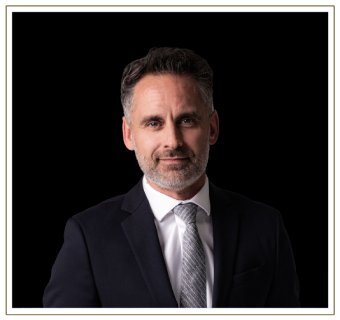
Dr. Scott Leune
Scott Leune, known as The Dental CEO, is one of the most respected voices in dental practice management. From his seminar room alone, he has helped launch over 2,000 dental startups and supported more than 20,000 dentists across practices worldwide. Named one of the 30 Most Influential People in Dentistry, Leune delivers practical, no-fluff strategies that empower dentists to lead with confidence, scale efficiently, and achieve real personal and financial success.
Watch Episode
Read Full Transcript
So what if we're building a startup practice and we have the opportunity to kind of reinvent the patient experience in dental practice? Like we get to make it the very best anyone's ever made it. Because in essence, in a startup practice, we're going to build the ideal. We get to do it right from the beginning. And I want to talk about in this episode what that looks like from a patient perspective standpoint. What are the things we can put in place, whether they're amenities and perks or technology steps, processes. What is that going to look like from the patient's perspective? And in turn, what do we think that will do for our practice and our career? That is, we're going to be talking about the startup practice patient experience. Can we make it ideal? Maybe you're not doing a startup practice when you're listening to this episode, but maybe this will give you ideas on what to do in your current situation. Can you improve the patient experience and gain the benefits of that? That's what we're diving into today on this episode of the Dental CEO Podcast. If you like what you're hearing on the Dental CEO Podcast, please take a few moments to leave us a review on your favorite podcast platform. All right, so we're diving into patient experience and I'm using the startup as kind of the model. Because the beautiful thing about a startup is we get to do it right the first time. We don't have to deal with the compromises of an existing associateship practice or an existing practice. We bought startup. We get to do it right the first time. Let's kind of fantasize about that world. If those of you listening to this aren't doing a startup yet, maybe you'll want to do a startup after enough of my episodes. This is the golden age doing startups. But let's talk about it from the patient's perspective. Now, as you probably know from previous episodes, when I talk about a startup, I'm talking about a beautiful practice that has been designed in a highly efficient way so that we can get everything we need in a smaller footprint. And because it's in a smaller footprint, we have smaller construction costs and we negotiated the equipment in a specific way and we go to shade the lease in a specific way. And the end result is when we open this practice, we've got a lot of working capital to then market it heavily and to hire great team members. And we are trying to achieve a million dollars take home pay by year three or sooner. That's the model. A million dollars take home pay. So 50% overhead means we're at a $2 million startup by year three or sooner. That's the model. You've heard me talk about that. So what I want to do now is let's walk through the patient experience. And this is going to be like a list, right? So with one of your ears, I want you to be like listening to the list of things. I mean, shoot, if you actually taking notes, you would be start like creating a whole list of things, but with the other ear. I want you to be listening for how this would look and feel from the patient's perspective. What are they going to perceive from this list we're going to be talking about? And in turn, how will that change their behavior inside of our practice? Right now if you're working for someone else especially, you're probably in a facility that's it might be good, but it's not the best. Maybe you've got a few amenities here or there, you know, maybe you serve coffee in the lobby or something like that. But this practice hasn't mastered that. Maybe the patient experience is okay. They like the office, they like the people that work there, but they're definitely not walking out with this. Wow, they can't wait to tell the world what they experienced. They're not taking photos for their Pinterest boards or tagging everyone, tagging themselves on Instagram and so forth because of this amazing experience. And in turn, they're not behaving like the perfect patient either. Right? They aren't having maybe the case acceptance levels they would have had had the experience been mastered. You know, maybe your technology right now in your practice isn't perfectly up to date and the newest thing to make the patient experience of your practice a lot better. So I want to dive into those topics and I want to fantasize about creating this perfect patient experience and understanding what that means for us, the dentist, the owner. And I hope that it's conversations like this that can get you excited about improving your current situation. Maybe go do a startup practice, stop putting it off and bet on yourself and do it now instead of building someone else's life. Build the life and the wealth for your family. Or if you're not going to do a startup, maybe you own the practice today, but this will be a trigger for you to kind of do a reset on the patient experience. So let's dive in. Let's start in a very simple way. I'm a patient. I'm walking into this $2 million collections, $1 million take home pay startup from Dennis, and what's it like for me? I open the door, I walk into the lobby. What do I see? What is this experience? And we'll start creating a list here, and maybe some of these are going to be new to you, I don't know. But first of all, the lobby better be decorated in an appropriate kind of up to date, modern way. Our dentistry, unfairly so, but it's judged by things that have nothing to do with dentistry. If our lobby's outdated, our dentistry might be outdated. If our restroom's dirty or cluttered, our billing might be cluttered. Right. If we're not beautiful as a facility, our dentistry might not be beautiful. Can I really trust a dentist to do a $20,000 cosmetic case on me? If they made poor decisions about colors and furniture in their lobby? Like, are they really that good at beauty if they can't even decorate their lobby? So this is the kind of stuff that I think is subconsciously happening in our patient's mind when they walk into the lobby's got to be decorated well, hopefully with the use of a professional and interior designer that's been licensed for that. And they are going to update or in the startup, they are going to create a beautiful space that is not too much of one thing or the other. It's not overdone in very mature, beautiful clean space where patient walks in and says, okay, this feels like a place I could trust. This is a place that could be the best place I've ever been to. Again, not overdone. Done well. Those are two separate things. Done well. That's the first experience. Now they go to check in and that check in desk should be close to the entrance and they should not have to walk through the whole lobby just to get the check in desk. They shouldn't have been walking by people dodging knees, checking in where everyone can see them and hear them. That is not a comfortable way of doing it for the patient. So that check in desk needs to be designed so that a patient can walk in and check in immediately in a way that's inviting and it's beautiful, but it's also not in the middle of the lobby. So they check in and maybe the check in experience can also be tech enabled. Maybe for existing patients they can check in on a kiosk so that they're never having to wait on someone to check them in. Right. Like we want to take away friction. Yes, we're going to have a receptionist and yes they're going to be concerned about greeting the patients and so forth properly, but there's moments in the day where for whatever reason that receptionist can't be available to everyone every time. So maybe we can tech enable the check in process with a kiosk. Now that receptionist, I do want them to greet the patients by name. I want them to know the patient's name when the patient walks in. And I don't know about you, but I'm pretty bad at that. I've got face blindness, I'm not going to be able to recognize it. So many people. And so how do we counteract that? We make sure that we take a photo of every patient and commonly that photo is taken at the check in desk. So when someone checks in a new patient, we don't have their photo yet. We're going to take a photo of their face at the check in desk so that every other appointment they have with our practice in the future, we're going to greet them by their name because we're waiting on them walking in and we Recognize their photo. That is going to build connection. It's going to be a rapport, subconsciously going to build comfort and trust and loyalty. And it's just a little other ingredient we're adding to this wonderful apple pie we're baking of patient experience. Okay, so the patient checked in, they go to lobby. Let's have small bottles of water that are chilled available to them in a stainless steel and glass doored refrigerator. Let's have a way for them to make good coffee with a coffee machine. Let's have that available so that the people that want it or need it appreciate it. It's not expensive. That's another thing we can do. Now, you know, sometimes mom walks in with children and, you know, Mom's concerned, are the kids going to be nagging or pulling on her? Are they going to be. Are they going to be embarrassing? Are they going to be loud or bored or scared? You know what's going to happen? How about we make a space that children will go flock to? Even if we don't intend to see a lot of kids in our practice, the adults we see bring children and this is part of their experience. It can be done very well, very professionally, very modern, or it can match the style of practice. It doesn't have to be this kind of Kitty, whatever, McDonald's playpen kind of style or vibe thing. This could be a beautiful space. It could be a nook or it could be a little room that is done well. It can have some video game stations. It could be decorated in a mature way. And that can be an area for the children to sit and be occupied, not be bored and give mom a break. And of course they'd be happy too, right? We want children, by the end of their experience in the practice, we want kids to ask mom, when can we come back? That's the true test of like, did we build a good experience for the child? Are they asking mom if they can come back? That is like the minimum standard we need. So Mom's sitting there with a beverage, gave little Johnny a bottle of water. Johnny's playing quietly at a video game station. And you know, mom looks around and takes a space in and, you know, what does it sound like? Let's have thoughtful music playing music that is close. The speakers are close enough to mom that it kind of distracts and drowns out the sounds coming from the front desk area, the sound of the phone or the sound of conversation. So let's put the speakers really close and so that they don't have to be turned up very loud. But that's really what mom hears. It takes away the other noise. What does it smell like? In this practice, let's use a product like Scent Air or some sort of, like, thoughtfully chosen scent system that doesn't cause sensitivity, that's not overbearing, that is there enough to enjoy. And thoughtfully done. If it smells clean and it smells like a spa, there is going to be again, the subconscious judging in a positive way of this environment to say, this is clean, this is calm, this is trusting, this is nice, this is the right place. All right, so let's think about that now. Also, in the practice, we need to take advantage of the fact that people are engaged on social media. We need to have some sort of at least wall or nook that is obviously done to be extra beautiful, extra in Instagram able. Right? A place where we can pose with the patient and take a photo and it's got our name on it. It is beautiful. And we will get exposure from patients sharing these photos. That is most likely done in the lobby and we have to nudge that and water that. We have to say, you know, after we're done with a case, we the dentist or we the hygienist, or we walk the patient to the lobby and we ask the patient, I'd love to post today that we finished your big case today. Would it be okay if you took a quick photo and I posted on our page? Nearly every patient would say, oh, absolutely, that'd be fine. They've already signed a photo release, by the way, in their paperwork. And so we take that photo in front of the wall. That is something that we have to water those seeds in order for it to happen. Although other patients will naturally do it. We know there's a subset of the population that takes a photo of every freaking thing they do every day. And if that photo kind of adds to their esthetic, to their page that want to post it, let's have a wall with our name. That is beautiful. That adds to the aesthetic of their page to encourage that kind of behavior. An interesting trend I've seen lately, especially with startup practices, is the idea of having this kind of calm, nice dog or pet. The practice pet. A dog. An actual dog. Being in the practice, the office, the emotional support animal of dentistry, I guess you could say, and I know that might sound really kind of crazy to some of us, and to others we're like, oh, my God, I've got the perfect dog already. I'd love to bring the dog to work. Right? It's actually Worked very well. If you can think through the logistics of who's going to take care of the dog and, you know, walk the dog and so forth. When you look at what it does, number one, kids, of course, love it, adults love it, it calms people. It's something to talk about as a patient. Number two, patients take photos with the dog. They love it. And dogs will sit on their lap in the chair or kind of sitting by their feet in the lobby, they take photos. And number three, the team loves it. It just brings a loving, warm, calm dynamic to the culture, to practice. And I've seen a couple offices that did this actually build a little kind of wall for the dog, right? Photos of the dog and, you know, dog's name and so forth. And patients will take photos with the dog in front of the wa. Again, some of you, this might sound crazy and I get it as well. I don't currently own a dog, although I have. I know it can sound crazy to have an animal in a dental practice, but it can also be done. Well, maybe someone here listening to this is going to think, okay, yeah, I definitely want to do that. Because again, what's the patient experience? What does that do? And what do all these things do in combination is really what we're talking about. All of these things combined. Is this an office I can trust? Are they good people? Are they nice? Are they catering to comfort in my well being? Are they modern? Is it high tech? Like this is all building goodwill. All right, so, so let's say we walk out of that lobby and we make our way to the operatory. What can we do there? The operatory, that. That's where the patient's spending most of their time, right in that tiny little room, the operatory. So let's be thoughtful, let's be organized. Let's force every patient to have an elevated experience. Let's give them a weighted blanket on their legs. As we know it can be pretty cold. You know, in a dental practice, in the operatory especially, let's give them a weighted blanket. And that weight brings some kind of feeling of security to some people, right? We could give them a neck pillow, a heated neck pillow even. Some of this might sound far out there for some of you, right? But these are all simple things. And they're all gonna add just some ideas. We could put essential oil, a drop or two on the patient bib to kind of have a calming like lavender smell or aroma. That's what they do when we get a massage, right? They put a couple drops and we're laying down on the massage table and we just breathe it in and it calms us. We can do the same thing on the patient bib. Super easy, super affordable to do that. I mean, if we go thinking on the spa side, we could even go as far as like putting little eye patches right on patients while they're getting the work done. I've seen all this and the people that do this love it. Right? It's all for the experience. It all sets us apart. We're different than every other practice I've ever been to. We obviously want to be able to provide some sort of distraction or entertainment for the patient. So having noise canceling headphones, even connecting that to like a ceiling TV with Netflix will be a wonderful way to distract patients, adults and children alike. When we think through the painful side of dentistry. Let's minimize injection pain and maximize anesthesia. Let's use high strength topical. Let's use a device like the dental vibe or something similar to that that can reduce the pain. You could even have the anesthetic car pills warm to body temperature so there's no pain caused from the temperature difference of the anesthetic itself and the body. Like, can we be thoughtful? I know my kids pediatric dentist. She's freaking amazing. Courtney Alexander in San Antonio, Texas. She's freaking amazing. I'd fly to San Antonio, just get treatment if I didn't live in San Antonio just from her. Anyway, I don't even know if Courtney listens to this, but now she should. But she's got an injection device that she for kids where kids are on nitrous. They get high strength topical. And then of course, the syringe will only put anesthetic into the tissue at a very, very, very slow pace. It doesn't look like a syringe. And they follow it up with sugar free candy to suck on. And while the kid's watching cartoons, it has a blanket. And man, what a thoughtful way to treat children. We can do the same thing for adults, I mean, to a certain extent. So let's think about, well, okay, after treatment, is there something we can do? I've done this in all of my practices. We, we hand the patient a warm scented towelette. Disposable. It smells like lemons, it's moist. And they can clean up with that. Kind of like in a fine dining restaurant. You'll get a lemon scented moist towel to wash your hands with. You know, we do something like that as well. Very affordable to do that. Now there's also a component to the Patient experience in the operatory that has nothing to do with comfort and perks and amenities. It has to do with the dental experience, the technology experience, the diagnostic experience. Is this a modern doctor? Can I trust what they're telling me I need? And so let's dive through that a little bit. We want to start off with having intraoral scanning, a digital scan of the teeth. Even today most patients have never experienced that, so it'll be very high tech for them to see. We obviously want a record of that as well for our use. But having the patient see their teeth in that way will immediately open up the conversations of crowding or spacing any sort of cosmetic blemishes. They there's going to be more people to talk, proactively talk about that if we scan them versus not. It also gives us a record to show any sort of drifting of teeth over time. So it's a very important thing to do, especially on the new patient exam, is to scan. Also, of course, if we have a cbct, let's take advantage of that, let's get that on a new patient and let's show them with three dimensional imaging, three dimensional radiography, that is also a very high tech experience for the patient to see. And we would love to have that record to start our relationship with them as well. In addition to that, let's not forget the power of getting the patient shade and showing the patient on a shade tab. They're a C2. And how many shades are better than that, including the bleach shades, believe it or not. I mean, it's pretty old school, but most patients have never seen that before and obviously that'll open up a conversation for cosmetic dentistry. So that's definitely something we want to do. Next. Let's put their X rays through AI. Let's get Pearl and run their X rays through Pearl and walk the patient through what AI is proving is happening. That's different than having to just believe the words of a dentist and look at some black and white image and pretend like you understand it, but you're thinking the whole time I don't feel pain. My last dentist said I didn't need that. See, with AI, it's about teaching the patient what AI is finding in a way that they've probably never understood before. That is a wonderful patient experience. And added to the other stuff I've explained to you, this is definitely going to be the most high tech experience they've ever had and that is going to build trust. In addition to AI on the X rays, we could do intra images. And of course we could also do something that's very powerful, a smile simulation. We take the patient's photo, full face photo of their smile. We run it through ChatGPT Smile simulation to show what cosmetic dental makeover would do for them. What would cosmetic dentistry do to their appearance? They get to see that before and after photo which can be very powerful for patients. Sometimes they get emotional, especially on like larger cases, all on X cases, for example. Very powerful to show them today's photo and then what they could look like if they went through a round of cosmetic dentistry. Very, very powerful. Even if the before and after isn't that big of a deal. The fact we did a smile simulation is going to be so cool to them, so high tech, so boutique of an experience. And again, it's going to build trust, it's going to build confidence to move forward. Another little thing we could do is, you know, when a patient walks into the operatory, we can run a program so that on the screen in the operatory it says welcome John. It says their name on it. Welcome to our practice. We're going to have a great appointment today or whatever you want to say. But putting their name on the screen is just another, just tiny, tiny little touch. But it's going to be another ingredient. It's like adding a little cinnamon to that apple pie. It does make it taste better. And that's what we're trying to do with these little ingredients. Let's put their name on the screen. Now if we move away from the facility and away from like these personalized touches, these physical, you know, amenities, there's also kind of this practice management experience a patient has which can make or break our relationship with them. What are some things we could do to kind of take away the friction from a practice management standpoint so that they again have a higher level of trust and rapport with us. They want to talk about us to the world, they want to say us to treatment. First thing is we can make scheduling easier. We can have online scheduling that is a no brainer. Of course we need to set it up properly when you have the property kind of guardrails on that. But online scheduling is definitely a marketable attribute that is going to take away friction and people are going to prefer it. Think back to when you had to make reservations at a restaurant in the past. You had to call them, you're on hold sometimes they didn't answer. You got to call back multiple times and you talk to someone, maybe they were nice, maybe they weren't maybe they were busy. It's just a lot of friction there. And today we just go on and we see all the appointment times available online. We just booked the appointment book, the reservation at the restaurant. Easy, easy, right? Let's make this easy for them. Online scheduling, also make it easy for them. Digital forms, health history, all that kind of stuff, everything digital and auto populated from their phone. Right. So that it's fast, it's easy. Fast and easy. And digital also means less time it takes in the practice. Let's make it easy. We could also, you know, from a phone call standpoint, let's take away the friction there. We should have an AI agent, an AI agent that is assisting us. If we miss a call, AI picks it up and at the minimum it is taking the patient's information and preferences, answering questions and sending that back to our office so we can schedule the patient or not too far. In the future, there's going to be some AI agents that have been proven to do very well, even scheduling into our software. We're very, very close to that becoming normal. And that is of course another way to take away friction when we can't get to the phone. There's a lot of friction too, around money friction. Let's make it easy for patients to pay if they owe us money, texted links to pay, online invoices, things like that. If they need to pay for treatment and we're presenting treatment to them, let's give them easy payment options. Let's give them a monthly payment plan through a third party that everyone is approved for. I don't want to call companies out on the negative, but there's companies out there that we use in dentistry that don't necessarily prove everyone. We need to have an option for everyone. And we can do that if we can have a monthly payment plan for everyone, whether they're rich or poor, got good credit or bad, young or old, let's have a payment option that makes it easy for them to get what they need done and allows us to also get paid with relatively low risk. You know, when it comes to that, by the way, some friction is caused when we're having to present finances. Treatment coordinators are typically printing out a treatment plan from the software, which is a horrible thing to use. It is confusing. It has the numbers all over it. It all adds up to looking expensive. It just, it causes the patient to behave in a way that's not always logical or in their best interests because they're so overwhelmed with the information that's thrown on them. From this form, if we can use a simplified method, one sheet of paper. Things are in English, costs are bundled together so that, you know, the patient just understands how much is it going to cost me to get what I need done. We need to be able to answer that in a very easy way. Let's not kill our case acceptance because we are putting the patient through a very confusing, you know, high friction process of presenting finances to them. Other things, when it comes to kind of practice management, how we run the business and our team, we got to make sure that we've got an auditing process in place for the facility so that we're walking through once a day, making sure restrooms are stocked, coffee bar stock, light bulbs are working, trash is put away, things are clean. We're using the pillows, we're using the blankets, we're saying the right thing, we're taking the images like we need an auditing, like an auditing moment every single day to enforce or build accountability to maintaining this ideal patient experience that we put in place. It's one thing to, like, buy blankets, it's another thing to make sure everyone's actually using them every day, right? So we've got to have the auditing process in place. A simple office walkthrough where we're bringing accountability to this. How our team is perceived is very important. A simple way to get a good perception is just make sure we look professional. It should be matching attire and appropriate color scheme. It should have our logo or name on. Should be stylish, but appropriately stylish, updated and modern. If you were going to dress a team in the most trendy or modern, I shouldn't say trendy. That's the wrong word. If you're going to dress the team in the most stylishly appropriate way for a dental practice today, what would that look like? Let's be that good and make everyone look that way. We're perceived differently. When we look certain ways, we also feel differently, right? When we look certain ways, let's make sure we look really put together, really professional, that we're updated and modern. That should be mandatory. There's also this kind of connection we have to have with patients. Part of the patient experience is, do they know me? Does the dentist even remember me? Does the treatment coordinator know who I am? And so we need to make that easy for our team. We should have an area in every patient file for life updates. Anytime a patient tells us what's going on, we always ask, like, what's new? We should write that in this area. So that in the seconds before we seat the patient, or the seconds we walk, before we walk into the room, or the seconds we're waiting at the check in desk to greet them, we're refreshing our memory of what's going on. Do they have kids? What's going on with them? What did they talk about the last time we were here? And let's thoughtfully use that to greet them. That is going to completely change the dynamic or the vibe of that moment and give that patient kind of an elevated amount of attention, make them feel valued. They are valued. We have to work to make sure they see it that way. And this is an excellent way to do it. So, you know, we step back and we say, okay, gosh, if we literally built a startup practice and did everything Scott just said, what would happen? What would happen with every new patient? Would they give us a good review? Would they pay us? Would they believe the dentist? Would they say yes to treatment? Would they refer us anyone? Would they trust us with their whole family? Would they get more cosmetic dentistry done or bigger cases done? Would they be able to pay for it better? Would we handle more calls, more leads and convert them to more appointments? Would we follow up better? Would they, will they step back and look at us and say that's the place to go if you need dentistry? I can give you a long list of reasons why, if that's the case. What does that mean for your life and your career? You listening to this? What does that mean when patients like to be there more? They refer more people, you get higher patient, they say yes to more treatment at a higher rate and they're just happier, right? What does that mean for you? How does your day feel when you treat people? How does it look financially for you? How does the stress level measure when we're dealing with patients that are happier? And that positive feedback we get every time we do something good for a patient, that drip of positivity changes how it feels for us as well. Right? But you know, let's not forget about the patient just for a second. The team is also impacted by a modern facility, by a facility where, where patients love being there, where they can pet a dog and they can do high tech stu in a unique way with smile simulations and take away friction. What is that life like? What is that vibe like? And now compare that to today. What do you experience today? What is it really like to be in your position at that place with that patient experience and that team today? If there's a big difference there, we need to move quickly and change that. I just. It's so exciting to build startups because again, you're doing it the right way, right from the beginning, with the right people that you picked with the right software. Like, you get to do this the right way, the way you always envisioned being a dentist when you thought about going to dental school and what it'd be like to get out and kind of the fulfillment, the passion, the profit, the good you can do for people, all of that lights us up again when we get to do it the right way. I hope this gives you some ideas. I hope that you don't just listen, you also go do something about it. Whether that is as simple as, you know what, let's get AI on the X rays, or it's as complex as, you know what. I'm tired of working in this shithole of an associateship practice with these people that don't respect me. And dentistry I'm not proud of. I'm embarrassed to bring my family here. I'm tired of the depressed income from it and the stresses of it. And I'm gonna bet on myself. I'm gonna build the ideal practice to have my career and my life the way that I control and want it. And an ingredient of that is gonna be an amazing patient experience, because that's the standard I have. Maybe someone has made that decision. I hope so. All right. I hope this was interesting for you and valuable. I'm so excited about startups because people are just making a fortune right now building gorgeous practices that are great places to work and doing great things for people. I'm so excited about it. So many of my clients are just very wealthy from this. I hope you think about that in your career. And I want to do more episodes actually on the startup side. Maybe I can dive in to other topics, you know, when it comes to staffing or insurance or marketing or the facility equipment. I'd love to do more topics on this. May. Maybe we'll drip out some more episodes here in the future for those of you that want to follow the startup path here and learn from it. And again, I really hope this is valuable. Please give us some comments or suggestions if there's anything else you'd like me to talk about or if you haven't already, subscribe so you can get a dose of this once a week. Hopefully that makes you a more informed and more focused dentist and CEO. My name is Scott Leune and this was the Dental CEO podcast. Thanks a lot.

SUBSCRIBE TODAY
Subscribe now and receive a 25% discount code for Scott Leune’s upcoming events. Plus, get podcast episode alerts and exclusive subscriber perks.