Dental CEO Podcast Episode 45: Automate the Junk Work and Run Your Practice Like a CEO
In an illuminating session of the Dental CEO Podcast, host Scott Leune delves into the transformative role of AI and automation in dentistry with guest Dr. Aditi Agarwal, founder of Practice by Numbers. This episode provides profound insights into how technological advancements are reshaping dental practice management, making operations smoother, more efficient, and significantly more patient-centric.
Highlights
- Introduction to Practice by Numbers, an innovative software integrating AI and automation to replace manual ‘junk work’ in dental practices.
- Insightful details on how Practice by Numbers automates various front office tasks like insurance verification, appointment scheduling, and patient billing, enhancing operational efficiency.
- Exploration of AI’s role in improving patient communication, interpreting insurance benefits, and making informed business decisions for dental practices.
- Real-world examples demonstrating how AI enables dental practices to operate more smoothly by reducing staffing inefficiencies and allowing dentists and their teams to focus more on patient care than administrative tasks.
- Aditi Agarwal’s personal journey from practicing dentist to tech entrepreneur, highlighting her motivation to enhance dental practice management through technology.
Speakers
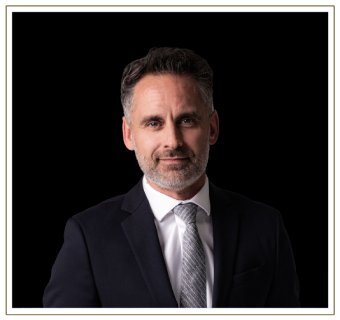
Dr. Scott Leune
Scott Leune, known as The Dental CEO, is one of the most respected voices in dental practice management. From his seminar room alone, he has helped launch over 2,000 dental startups and supported more than 20,000 dentists across practices worldwide. Named one of the 30 Most Influential People in Dentistry, Leune delivers practical, no-fluff strategies that empower dentists to lead with confidence, scale efficiently, and achieve real personal and financial success.

Dr. Aditi Agarwal — DMD, Co-Founder - Practice by Numbers
Aditi Agarwal is a general dentist with 22 years of practice experience and the co-founder of Practice by Numbers, a dental software company she started in her garage to help dentists run calmer, better-managed practices. Having lived the shift from analog to digital dentistry, she focuses on using data, AI, and automation to remove routine tasks, lower stress, and give practice owners clearer control over daily operations.
Watch Episode
Read Full Transcript
Foreign I am going to challenge you today on this episode in, in a different way that I have in the past. I challenge you to look at all the junk work that our team has to do all day long, every day. I challenge you to automate it. To automate it, to have it AI enabled, to turn the table a little bit. Instead of trying to have your team become masters of junk work, how about you have your team become a master of running the automation and thereby releasing them from the junk so that they have time to love where they work. They have time to actually add more value, to connect with patients and ultimately everyone's going to benefit. That's what we're diving in, including an update on what is available today. When it comes to automation and AI, this is going to be an episode everyone needs to listen to in its entirety because you need to be educated. Things are moving quickly. Things are becoming possible today that weren't possible five months ago. And you need to be on top of it and understand what that is. And hopefully at some point you're going to be ready to do what I just said. I'm challenging you to automate your practice at a higher level of maturity. Today I'm talking to a dentist who founded the company Practice by Numbers. Her name is Aditi Agarwal and she is one of the pioneers now and what I believe is probably one of the top three companies now in the world that is finding ways to integrate AI and automation into replacing the junk work. It is very innovative what they're doing. So I'm super excited about this episode. I know it's going to go well and you guys, I hope you're going to love this topic and that is what we're doing today. My name is Scott Leune and this is the Dental CEO Podcast. If you like what you're hearing on the Dental CEO Podcast, please take a few moments to leave us a review on your favorite podcast, platform Foreign. So again, thank you so much for joining us. The reason why I asked you to come on this episode was there's this big kind of wave of change happening when it comes to practice management, specifically around data, around AI, around automation. And we're finally to the point and dentistry, where it's really changing what we do every day. And I think that our, our listeners need every now and then to get kind of an update. What's the latest, what's going on? What do I need to know as a dentist? What do I need to do differently? So before we dive in, if you could in your own words, kind of explain to everyone who you are and what you do and then we'll have fun with this. Absolutely. Thanks a lot, Scott. Hi everybody. My name is Dr. Aditi Agarwal. I'm a general dentist, 22 years in practice. So I have kind of done the whole thing from analog to digital. And it's definitely been a journey both clinically and non clinically. I am also the co founder of Practice by Numbers, which is a dental software company that I built literally in my garage, which is my operatory to help dentists like me and you get smarter and get better without and obviously reduce stress in our lives. Yeah. And you know, I have been my career, I've been, I was one of the very early proponents of using data, looking at, creating dashboards and metrics and trying to understand, you know, when someone does the right thing in a dental practice, what number tells us it was right. So if we present treatment with the right words, can there be a number that tells us As a CEO, we're good. And that's where obviously case acceptance percentages came. And if anyone listening to this has ever heard of the percent dollars accepted percent dollars accepted as example, that means if we treatment plan 100 bucks, how many of those 100 bucks are actually scheduled? That's percent dollars accepted. That's a very strong way of looking at case acceptance. That's just a tiny little example of, of what you and your software practice by numbers has kind of mastered to the point where it's not just tracking a number, it's actually having software perform functions that traditionally employees had to do by hand. And, and did I say that correctly? Well, you know, yes and no. We still need those employees, but this time we need them to ask the right question questions. Right. So, okay, so let me clarify. I definitely did not intend to sound like, hey, you know, now all tasks that people do, you know, automation can do, but in the old days we'd have to verify insurance by hand. We'd have to enter the data on a sheet of paper with a pen. And then from the sheet of paper we might go into the software, approximation software, type in the data and create the coverage table, percentages and the downgrades and write in the insurance notes. And you know, that was a 45 minute process for every single patient. And now with a combination of automation pushing and pulling data in and out of software programs, and now AI, we can have most of that automated. That same person that used to do it by hand is almost now like the pilot behind a software cockpit and they are now using the software as a tool, having it do, asking it the right questions. Like you said, let's go deep into that. So without making this all about, you know, what is practiced by numbers, what I want to know is how has your company been impacted and how has it been changed with the incorporation of AI? What are some examples of how AI is in today's world is now changing what we do in a dental practice? Absolutely. You know, let's just talk about the KPIs that we just talked about. Practice by numbers. As you know, we can measure over 600 KPIs, but that's a lot of numbers. And it can get very tedious and very granular for a dentist like me, and also, frankly, overwhelming. And sometimes when we want to find a certain thing in those numbers, how do we find them? Where do we look? It's almost like going back to the spreadsheets again. Right. So what we did is we incorporated something called operations AI or a P IQ Assistant, which is a practice IQ Assistant, which is literally tells you what is happening within your practice by asking the questions in plain English. For example, I have associates in my office and I want to know how much my production per hour for one particular associate happened for say last month. And I can just simply type in the questions, what was the production per hour for Associate XYZ for the month of October. And very quickly the AI will scan all the KPIs and give me that exact number. Now that number I can use and even dive in deeper to see what was that, you know, six months before for that same associate. I can also really drill down and open it up without having to dig through it. And trust me, that saves so much time and energy that as a practicing dentist I'm like, wow. If we want to even analyze and go deeper, like I have QuickBooks Online and we integrate with QuickBooks Online we can also ask simple questions like what percentage was my overhead last month? Right? And out of that percentage, what was the percentage on payroll? So it really helps to dig deep and separate out, filter out without having to create spreadsheets or click through multiple times. You simply ask a question. So I want to take this into those real world examples. So now I'm going to, I'm going to use my words to kind of put this into life. I am a dentist. I own several locations and I've got a couple associates in each location. And sometimes I've got really high performing associates. They're happy, they're productive, they're making good money, they're great for the business. And sometimes I've got some other associates that for whatever reason they're not producing a lot. And I want to try to help these low producing associates. So what I'm going to do as an owner is I am going to have a weekly touch base meeting with the lower performing associates and I want to prepare for that meeting. I want to come to that meeting with how much are they diagnosing compared to the other dentists? What is their case acceptance compared to the other dentists and what is their production per hour or production per day or production per week or month compared to the other dentists? And my hope is that I come in and I once a week I touch base and I say, look, here's how your diagnosis is going, here's how your case acceptance is going, here's how your production is going. And man, in the past it was really hard to get those numbers. Thank goodness we had software like Practice by Numbers where we could have a dashboard and we could find them. At least most practice can't even find them. At least with practice by numbers we could find them. But now what you're saying is I can go in and I can say, hey, please give me the ranking of this dentist per hour compared to all the other dentists per hour. Please give me their diagnostic percentage compared to the rest of this. Please give me their case acceptance percentages compared to the rest of this. So now I've used this tool very quickly. I've prepared for this meeting. Now I have this touch based meeting with this, this younger dentist who's trying to learn about case acceptance and production. And I can actually have a conversation that matters. That is so freaking cool. The other example you said because practice by numbers integrates with the accounting software, it can now see where we spend the money. And so I could ask it to give me a list of all the budget categories that we went over budget this month and it would tell me, you overspent on supplies, you overspent on lab, you're still paying for credit card fees, which you shouldn't be doing anymore. And your staff costs have been inching up every month. They're now over budget this month. What an important thing for me as a CEO to do. I need to do a deep dive analysis of my entire company once a quarter so I can list out the things I need to change in the next three months. And then once a month I need to touch those numbers again just to make sure they are getting better as we intend. And the access to the numbers can be so difficult for dentists that they never even go through the process of analyzing their practice and coming up with what to do. But you're making it easier with the combination of practice by numbers and this AI kind of assistant to, to pull that very quickly. I love it. Did, did, did I say that correctly or did I get something wrong? You nailed it. You nailed it. Awesome. I also know firsthand because I'm in practice by numbers. I know of some other examples. I'm really excited to talk about these things. I know that when a patient gets a statement and they owe money, they can actually click on it. And AI inside of Practice by Numbers will explain to the patient a lot of detail in, in layman's terms why that balance exists. Can you talk a little bit about that? Absolutely. So you know what the funny thing is about, you know, people don't mind paying for their treatment. The biggest barrier is they want to know. Today's generation wants to know. Why and where that balance is coming from? They want to know. I mean, I practice in Seattle. We are surrounded by a ton of injuries, engineers. And you know how they think they want it down to the dime. And so at Practice By Numbers, we were like, okay, I need to be able to figure out a way to automate this, where they are able to understand where their balances are coming from so that they can then go ahead and pay them. And our AI assistant will send them these condensed statements, which kind of reads and tells them exactly where the balance is coming from from their ledger, so they understand that, and it also writes it back into their PMS so that we know what's going on. And that way, through our online payment system, they're able to just go ahead and pay the bill. So everything is so automated that they never have to call the office, or if they call the office, you know, half the time we have the staff, we're like, oh, dang, I don't understand this line item. Well, all that is taken away now because AI has read it and it's accurate, and the patient's happy to pay for it because now they know what it's for. All right, so let's walk through the story, because this is a big deal. So, you know, we do dentistry, we get paid for it, patient portion, we submit the claim, there's an issue with the claim. We resubmit the claim, we fight it. Ultimately, there's a balance left over. Now, Practice by Numbers will automatically send the statement to the patient. They could pay online immediately, and it's automatically processed and entered into our practice management software as a payment without us doing any work. Or. Or. Or that patient gets the statement. And they're like every other patient that gets a statement like, what the hell? Why do I owe money? And in the old way, they'd call the practice with their verbal gun loaded full of their bullets of anger. And whatever poor soul answered that phone call ended up on the phone forever dealing with an upset patient fumbling through the ledger, not quite understanding everything that they're looking at. It just kills the flow of that day for that person answering the phone. And it doesn't end well. It's not like it ends with the patient happy in the new way automatically without. Without doing any manual work. That patient that wasn't ready to pay yet because they had questions can click in. And now AI is explaining to them in great detail what the heck happened, why there is a balance, and prompting that patient to go ahead and take care of the balance online. Where they can very quickly pay from their phone. And also, AI is taking that explanation and putting it into the patient chart so that if that patient does call, whatever poor team member that answers that phone has now the full explanation of what happened. That is such an improvement from what we've had to do in the past. Less phone calls, less unhappy people, more money collected. And if we still have to do it the old way, we've got the added support of AI explaining it to us. And then. What a freaking awesome thing. Thank you. I know, isn't it? It's so exciting. Well, you know, there's another. I've got kind of a list here because I was just so. I was just so impressed. Another thing that I saw was that sometimes we deal with a lot of insurance verification issues and we'll verify insurance. And not everyone quite understands the verification or they don't understand if certain procedures are covered or not. A typical thing. Hygienist walks up to the front office, interrupts the front office, and constantly, every other day asks the same question. Are sealants and fluoride covered for this patient? You know, and the front office is like, can't you look like, you know, it's in there? You know, but there's just this, this friction. Right. So in Practice by Numbers, AI has also added some value here with insurance verification and with understanding what's covered and what's not covered. Can you explain that to us? Absolutely. So, you know, when we do our insurance verification through Practice by numbers, we will get an insurance breakdown, breakdown of benefits, and that writes back into your pms. So now what we have started to do is summarize that breakdown of benefits and then you can ask questions again like, hey, does this patient, can he get an implant or does he have a missing tooth clause for reasons why we will have to pre authorize it. Does this code need pre authorization? You can actually ask the question, or even simple question like can we do fluoride for this patient? And AI will read through that insurance verification and tell you, yes, you can or no, you can't. And that way you have that information on your fingertips and you're able to move faster. You actually said a couple things here. So number one, the process of insurance verification itself is being automated. Is that correct? Okay, correct. So without having to call an insurance company, be on hold for 40 minutes, and then ask all these questions, you're saying that with some insurance companies or with some of those questions, we're automatically getting the data written into our practice management software without having to Pick up the phone. Correct. Okay, perfect. And then you said AI will read through the verification and write for us a kind of easy to understand summary of the benefits. Okay, so that's, that's written into our practice management software as well, is that correct? Correct. Okay, so everyone in the practice can now like read a simple explanation of what the insurance benefits are and then to go deeper, you said anyone in the practice could ask, could ask AI hey, is there a missing tooth clause? Is there waiting period? Are sealants covered? And AI through Practice by Numbers will kind of tell you in an easy to understand way immediately the answer to that question. Yeah. Okay. And so that is really valuable mostly to the treatment coordinator. Not just because the treatment coordinator needs to know these things before we present treatment, but now everyone else will leave the treatment coordinator alone so that you know because, because they could, they could ask, they could ask Practice by numbers AI instead of the treatment coordinator. I keep getting this wrong. What do you call your AI agent in Practice by Numbers? Just to make sure I say it correctly way. It's just the IQ P IQ Assistant. Okay. P IQ Practice IQ Assistant. Okay. So the, the Prax IQ Assistant is answering these questions that changes the life of the entire team. That, that changes things immediately and it will hopefully result in less mistakes and ultimately less upset patients. It'll, it'll result in better cleaner collections. Okay, that is awesome. I'm curious, have you guys started working on the processing of insurance payments yet when it comes to AI? So when an insurance check comes in or when it's an, an online payment, that happens. Are you guys involved at all yet with processing that payment, writing it into the software? So we do the payments but not insurance payments. Okay, so the patient portion. So when a patient goes and pays online from you know, an automated message or text to click here to pay and they pay. Their ledger in the practice software is actually written into by Practice by numbers saying hey, now they've paid, they paid this amount for this procedure and now you've got a zeroed out balance. Yeah, I saw that saves, that saves someone a bunch of time. Oh yeah. Let's shift gears to phones. Everyone listening to stuff I teach knows that like I'm, I'm pretty passionate about mastering what happens on the phones. Practice by Numbers has a really comprehensive voiceover IP phone system that practices can use that also layers in optional tracking phone numbers to use a marketing. And on top of all of that, it's got the AI assistant listening and watching and measuring and reporting what's happening on the Phones. Did I say it right? It's incredible. Yeah. So I'm going to shoot you some questions here. Fast, fast questions. Can I ask it? How many calls did we miss this week? Absolutely. Can I ask it? Well, what are the three hours of the day when we miss the most calls? Absolutely you can. Okay. Can I ask it? What percent of this phone call that we had on this new patient was negative in sentiment, meaning like someone was upset about something? Absolutely, you can. Okay. So. And I could ask that question not just on one call, but I could say, of all of our new patient calls for the last month, how much negativity was there in. In the phone call? Exactly. Yes, you can. One thing I know you can do, because I've seen it in. In my coaching clients. It's incredible. So I'm gonna. And you re. Explain if I get it wrong, but I can go in and I can say, look, Here are the 10 steps to a perfect phone call. You've gotta greet the patient. You gotta get their name, their information. You've gotta offer options. You gotta be positive. Like all there. There's these steps. There's these things. The. In make an ideal phone call, that results in patient scheduling. And I can take those steps, and I can assign point values to each step so that my phone calls get a final score, meaning if I did the steps correctly and then there's a certain point value that's added because it's custom to me, because I. I might say, you know what? What's really important is you get their name and information. What's less important is you give them your name. So I might say, okay, their name gets more points than your name. But all of that's customizable. My point is, at the end of the phone call, every call can get a score, and I can then see, are we getting better or worse? Do I have a certain employee that's getting better or worse? How are we doing on the phones? Did I miss any. Anything there? No. It's an invaluable training tool, is what we use it for. With the scoring, you can really, really drill down into how you want to train your employee. Make them understand how it's important. Why is it important? What is the value of your practice? What is the culture in your practice? Sometimes they don't even get that. It's a great way for them to understand the culture in your practice. I might add another idea to it. So. Of course, man, that's great. Is that like, okay, now when we train on the phones, we're like, well, here's the 10 ingredients that we have to have on every call, and here's how important they are. And now every single new patient call you get, we're going to see your score and we're going to try to improve it. What if the office bonus plan that we all hit every week, hopefully, if the office produces enough, what if it's only eligible to the receptionist if the receptionist maintains an appropriate minimum score on new patient calls? Right. So, so now, Right, so we're aligning incentives. So we're saying, look, I already pay my receptionist well, of course I have to pay them very, very well guaranteed, but I want to give them more money if we can afford it. And so if we produce enough as a practice, then we can afford it. If that receptionist had at least a good minimum score on the new patient phone calls, they helped us achieve it that week. And therefore, that's what's going to make them eligible for the bonus. We have to achieve it as an office and they have to have their own score minimum achieved. I've aligned them so that they understand how important this is and they're going to want to know how to answer this phone call correctly according to that scoring method. Without this, you know, a decade ago, what do we do? Well, we hope they answer well. And we don't even know if that gets us more patience. Like, you know, we don't even know if they're still answering a year later. Like, we told them to answer it a year ago when we sort of trained them. And this is now. It's not just about a number, it's about being able to have consistency because there is a number. Right? Yeah. So that's amazing. Now, I didn't ask you, but I'll ask you, will it also tell me what percent of new patients are converting to an appointment? Absolutely. Will it tell me what questions new patients are asking about? Like, what percent of the new patients are asking if we take MetLife, will it tell me that? Yeah. Yes. So. So what if I don't take MetLife? I've always wondered, as a dentist, if we took MetLife, would we get more patients? Now, I can go into practice by numbers, phones, AI and I could look and say, well, how many new patients are asking about MetLife? And I might find out, oh, my God, there's a lot of new patients asking about MedLife and they're not scheduling. Yep. Or I might find out the opposite. No one ever asked about medlife. Going in. Network is not going to help me much at all. Right. I need the information. Yeah, it's invaluable. It's invaluable. You can really understand your patient population by even just reading the call transcriptions. You can figure out a lot of things about, like you said, the insurance. Do I go in network or out of network or. So many people talk about dropping certain insurances. Right? Well, don't just do it in a void check and see really what your patient population is like. You want to understand that before you make big decisions like that so that you are not, you know, you don't hurt your practice in the long term by making massive decisions. Just going on something simple like reimbursement rates. Right. Also look at the volume and many times you can't tell and you start listening to these calls or just reading the transcriptions, which also write back. I mean, it's amazing the amount of information you get. You said right back. So will practice by numbers AI write a call summary back into the patient's chart? Yes, yes. Okay, so if a patient calls later and I can go look very quickly and see, well, what, what did the receptionist say to the patient the last time they called about this issue? That correct? Yeah. Yes. And this is all just making life more predictable and easier. Yes. I'd like to shift gears a little bit to another topic that I think you guys are working on. And that is the hard thing about understanding should I expand or not? Should I drop an insurance or not? Should I hire more employees or not? You know, should I add another op, Add Fridays? These kinds of questions look a lot at schedule utilization or the percent of capacity usage. In other words, how booked out am I, how much demand is there and do I need to expand or do I need to drop insurances? Talk to me about what you guys are doing with AI when it comes to a dentist understanding if their schedule is getting booked up or not, what percentage utilization there is. Well, you can, through our AI assistant, again, you can understand what is the chair occupancy right in your day to day. You can also look at how much your hygiene is booked out. Obviously, if your hygiene is booked out a couple months, you need to do something about it. Right. Then you can also see what you want in terms of your revenue. Right. How many patients are that came into the office are actually scheduling their next appointments versus leaving the practice. You know, how open is your back door is what I like to call it. So that way you know how much you need to invest in. Right. Do you need to invest in getting new patients or do you need to invest in figuring out a way to close that back door and that you're not just spending money, literally throwing money down the drain, getting new patients where you could probably just try to keep the patients that you already have, then obviously staffing, Right. It really helps you to understand what your production is per hour, how much time are you spending in adjustment. If I start to kind of tie this together here, really to touch on how life changes today in a practice, I think I want to walk through the story of a new patient coming into the practice, needing dentistry, maybe scheduling it or not, and that whole thing. And I'd like you to stop me or at the end, fill in the gaps if I miss something. But a new patient calls, and of course, all those calls are being tracked by AI scored. We know if they're being handled well or not. All of that's done without a person having to do it. And the new patient may also, or instead of click on a link to schedule, they may schedule online and through practice by Numbers. That's being done. So they schedule an appointment, all without an employee having to do any work. Now, that appointment exists, that new patient's gonna have to fill out forms. And automatically Practice by Numbers is sending those forms to that new patient to fill out. And when they fill out the form, it will write back into the software with the information. So again, no staff had to do any work there. We also have to get insurance verification done ahead of that appointment. And Practice by Numbers will automate and verify the insurance and write that bacon into the software and give us a summary for us to all understand. And again, no work done by the employees. And just to add, even in the forms, it will summarize the forms. So, for example, if you have a really busy office and you're running back and forth, and I just want to look at putting in facts on the medical history versus going through the entire form. It will summarize the form so I can catch those things quickly versus having to go through entire forms. And if the medical history has changed in, say, even six months in the patient, it will take that change and add it to that new summary. It might be safe to say that in all of these automation processors or AI processes, when there's a red flag or something of importance, it's actually brought to us in a highlighted way. Is that correct? Yeah. Okay, so this patient, you know, filled out their online forms automatically. I got written down. Now we gotta confirm the appointment. Well, we're going through an automated confirmation process with texting, with emails, and that could be of course all custom elevated in severity as we get closer and closer. So the patient will confirm their appointment. All without employees doing any work. Now they show up and we diagnose what they need and we present treatment. And at the time we present treatment, they sign the treatment plan saying that they understand it, but that also practice by numbers will also have them in the same flow sign the consent forms, understanding what they need to consent to. And those consent forms can be signed on an office tablet or they can be signed on a patient's phone and they're automatically written into the software. Again. So that's. This was done without any work. An employee. Absolutely. And guess what? Same day treatment. It makes same day treatment. Like that. But let's say we're not good. Let's say I've got a dentist that's not good at case acceptance. You know, we're tracking that. We're having meetings with them and the patient said no, they didn't get the treatment done. Now when they walk out, practice by numbers and the assistant with AI will send that patient custom automated follow up messages and requests to schedule. And it's different if they need invisalign versus a crown versus a root canal. All custom for the practice. So like throw out that net and catch some of those fish back to say yes. Right. And it's all being done without the work of an employee, you know, without those constant outbound phone calls we used to have to make to bring in unscheduled treatment. No, no, this is automatically done. And let's say the patient did get work done and the payment came in and from the insurance and they still owe some money. Now they're getting an automated email and text. Click this link to pay. And if they have questions, AI is going to answer all the questions for them and we collect the money and it is written into the practice management software in the ledger. Again, all without us having to do work. Yes. That is a new era of practice management. I've just now described not needing someone to make 40 outbound phone calls a day to fill the schedule or 30 outbound phone calls a day to verify insurance or all this follow up, be on hold for 45 minutes, verify insurance or confirm appointments. The consent forms, you know, we're not going to be missing them anymore. It's so cool that we're instructions too. Amazing. We've all had this vision of a brave new dental world where things like this could be possible. We're actually in it now. I think the problem we have Today is that we're so ingrained in the old world in doing it the baby boomer way, which was the right way back then. Right. That we haven't done a reset. We haven't taken the time to not just integrate software like Practice by Numbers, but to actually set up this cockpit of software options so that these things become automated. And our team member, instead of being down in the trenches of the assembly line of processing dental crap all day long, they're now up in the office in the cockpit area of the software, hitting the buttons, turning the knobs when needed to optimize the practice. I think when we fast forward and what, what does the future really look like? I think we'll see that we'll be able to afford to pay our people even more than they get paid and we might need less of them and we will have more consistency and more dentistry to do. I think that's where we're going. Did you see it the same way? Absolutely. You know, it elevates the role of the person who was, who was that person who was in the trenches up front. They have an assistant who's a co pilot for that plane and who's actually understanding the job and doing a good job and really keeping it consistent. Because consistency is where we in dentistry have been failing, honestly. I think if we are able to really systemize and keep things consistent, it really reduces the headaches on anybody and everybody, every team member. If we take the junk work, I'm just going to call it that, the verifying, the confirming, the processing, the entering. If that's done automatically, then we only had to do the work once to set it up. And after that we get perfect consistency, we get accuracy. Then what we are really spending our time doing is building relationships with patients to make them feel very well cared for. We get goodwill, we get trust. We get the validation too that we're doing good. It changes the dynamic of what it's like to work in a practice when, when we're not having to interrupt patient interaction with junk work or when we ignore patient information, patient connection because of the junk work. Now we're invested in knowing that the last time I spoke to Mrs. Smith, her oldest child was going to go to college and she was worried, like, what was that going to be like? I had the time to put that into the chart and I had the time today to see that from the last visit and to talk about it. And that is a component of having a great relationship, a connection and building trust and such a nicer way to Work. Work. Then to have to be on hold while I'm answering another call coming in and I'm behind processing payments and I haven't even gotten to confirmations yet for tomorrow and I'm freaking out because a lot of patients are not confirmed. Like, what a mess. What a mess. Yeah. Okay, so, you know, if I were to now step back and, and talk about a little bit about practice by numbers, I've worked with practice by numbers for quite a while. I've worked with other software companies as well that have done some of these things. The reason why you're on the call now is because I view practice by numbers today as the leader because of how you've integrated automation and AI into everything else you were doing. Whereas in the past it was about metrics. But you know, metrics don't cause action. Metrics don't create consistency. It's just another. Right. And what you've done is you've created action from the number and that is made you now the leader. So if we were to kind of categorize what practice by numbers is for a dental practice, I'm going to name a few things, say yes or no, and then all the things I forget, if you can remember, that'd be great. So metrics, okay, so all the, everything else we've said. So confirmation automation and payment automation, all that. Okay, so, so does that mean that I can do payment processing through Prax numbers? So the credit card processing. Okay, do I have the option to have the patient pay for their own credit card fee instead of me paying for all the credit card fees? Absolutely. Okay, great. Perfect. And then online scheduling. Yes. Okay, we talked about phones. So the actual phone system itself. Yes, actual voiceover IP phones. So like I, I would have an actual phone, like the phone line. Like I'm, I'm not, I'm not going through whatever call rail or whatever it might be using. It's the phone system, it's the physical. So that means it's all integrated, it's all one place to go. It all writes into the practice management software. It's all kind of like one thing. Yes, it's one ecosystem, because that's what I wanted in my practice, is an ecosystem that worked together with everything, making it easier for me to practice and really focus on my patients. You know, that's a really important point because I think most software and dentistry was just basically someone saying, if we duct tape this to that and to that, I bet we can make a lot of money because then they'd buy our stuff instead of someone else's stuff. But what you've said is, I need my practice to run better. I don't want a Frankenstein practice where we kind of have this screw sticking out here and that screw sticking out there. I need it all to connect and work and serve me. Absolutely. So to add to this, I mean, we all embrace digital dentistry in the clinical space. Right? To help our patients. Right. What about helping me? And that's where I, we kind of drilled at practice by numbers. I said, hey, I love being a digital dentist because now I can get better. Better dentistry, more predictable dentistry done for my patients. But why am I still feeling bogged down? What is the issue? And that's when we were like, okay, I've got all these systems that are literally in a thousand places that I feel like I am constantly putting a screw in a hole that doesn't fit. Yeah, it might be possible then let's say I've got a larger practice with a lot of front office employees and feel like we need to hire another one or two, but we're doing things a regular way. It might be possible for us to pause and to now integrate the automation and the AI and it'll basically free up people. And now instead of hiring more people, I'm just gonna keep my people and have them do the stuff that can't yet be automated. Or I guess in one extreme situation, a startup practice or a small practice may have less people. Right. Or a big practice may say, you know, we're not looking to hire people, but I've got people that aren't great. I could replace them with automation. And the money we save, we could reward the team that is great so that we're, we're all doing better. And now we're not being kind of weighed down by these people that really aren't doing a great job for, for anyone. And I'm just describing a bunch of situations. But that all starts with this reset. Let's put our heads down for the next two months with the assistance a consultant or company like yours. And let's go layer by layer and set up automation layer by layer by layer. And now we get consistency and now it's a lot less work. Is that what people do? Absolutely. And the staff is happier too. Guess what? Nobody's staying past five o'. Clock. Five o', clock, Everybody's out and they are happier for it because now they don't have to, you know, stay back to finish this or finish that or one other piece that is always left behind. No, there is so much more fulfillment in the team. And when you work with a fulfilled team, the dentistry is better, the patients are happier, your practice just grows naturally. That's the amazing part, is that you're. You will notice that your practice itself will grow just on its own. What I notice when I walk into practices like this is that there's this sense of calm and professionalism because no one's running, no one's, like, distracted, right? So it's like this calm environment of high professionalism, and everyone has the time to talk to a patient. That's what I noticed. And so as a patient, that feels right, but also as, of course, as an owner, it feels right. But here's something more important as the person that works there. Now, that's the right working environment, right? Because sometimes a dental practice can be a little bit of an abusive working environment. This is about helping our great Rockstar team members have a place they wanna work forever. That's how I kind of view it. What's good for our team is almost always the right thing to do. And I think that's a great way of kind of looking at these types of decisions. If it makes life better for the team, See, the team is performing everything we gotta perform, right? If it makes life better for the team, it's probably the right thing to do. I would imagine, though, some dental practices would maybe, like, hire your. Your company practice by numbers and not integrate everything. They just kind of go live with it. But then no one's really, like, taking the time to set things up or learn, Whereas other practices might be the opposite. They want all the help they can get from you to hold their hand through every single layer. And let's, like, set this up the right way, set up automated the right way, get the training we need so that we are really piloting this whole thing behind this cockpit. What does that second option look like? If I was ready to kind of reset how we do this and integrate automation, do you have, like, a training person or a team or how's that work? Absolutely. I mean, our customer success team, their customer support team, they are stellar. They will walk you everything. We also have training videos that you can watch on your own at your own time that goes through literally every piece of the platform. And to talk to you about what piece you want to learn about today and really help you understand how each piece does talk to each other and how you can really fully utilize it to help your patients. It takes time. It is a learning curve, and so you have to be patient with it. Just like you have to be patient with a scanner and when you're getting your first milling unit, it's just a little bit of time and training. But we are at practice plan numbers there to hold your hands. I'm a dentist first, so not a technologist. So that's always been like, okay. My thing for me has been like, we in dentistry, we love technology, but we need help using it, we need help understanding it. And that's why my team at Practice by Numbers is here to help the dentist and their staff to understand what are the components they need. If we always go through phone calls to understand what are their pain points first understand the pain points and then work through that. You know, another way of looking at this is hygienists have to master treating patients and hygiene and dentist has to master, of course, treating patients restoratively. The front office used to be having to master how to verify insurance and how to process a payment and how to, you know, submit a claim and so forth. That's changing now. The front office is now becoming more and more someone that has to master a software program. They have to become a master of the program. The program does all the junk work. That's a change in mindset. As a CEO of a dental practice, that's a change in mindset. We have to understand now the job has changed and so we have to integrate the software and we have to have masters of the software so that we don't have to do 10 more years of verification and confirmations and treatment follow up and payment collections. So we have to create masters of that. If we never take the time to learn how to drive a car, we'll never drive a freaking car for the rest of our life. We'll always be someone that has to pay other people to do it. It's inefficient. We have to learn how to drive this car. It's almost like a new role. No longer do we need an insurance verification person, we don't need a scheduler. What we need, it's a concierge. Yeah, we need, on the, on the back end we need someone to run practice by numbers. And on the front end we need a patient facing concierge. Right. So, so the back end is going to be someone sitting in this kind of virtual cockpit of practice by numbers, running the practice that way. A very efficient, a high level of consistency. And on the front end, everyone's going to have the time, the calm, the patience, the professionalism to interact properly with that patient so that the patient's view of this is clean business practices and connected relationship, and that is properly representing the kind of quality that the dentist wants to be known for, right? Yes. Clean practices and a great relationship. That's where we're going with this. So, you know, if you listeners listening to this, if you got someone that is in charge all the verifications, you got someone in charge all the confirmations, you got to charge someone charging all the bringing in, the filling the schedule, those roles need to change. They need to be masters of software, not masters of, of junk work. That's the change. And we've got to invest the time to become the master of that, to get training on that, to reset how we do things now utilizing automation. What a full phase we are in dentistry. I'll tell you, it is, isn't it? I love it. Well, before we finish up this episode, I want to pass it back on to you for any last kind of thoughts or anything. We didn't go over anything. You want to clarify last pieces of advice. I do want to thank you for taking the time out. You're a dentist and you, you know, our founder of this. What is one of the largest companies in the world that does this? You know, I mean, let's just. This is not some basement company, like you didn't say it, but you're one of the largest in the world that does this. And you've taken the time from that company and from the chair to be on this podcast episode. And I think that's awesome. I want to thank you for that. Are there any last things that you want to bring to this episode? You know, I want to let the listeners know that I understand change is hard, but if we don't spearhead it, change will come and we will be left behind. And as a dentist in 2020, well, almost 2026, I am going to say take the bull by the horns and don't let your team hold you back. You have to set the vision, but you also have to drive that vision. Sometimes many dentists will set the vision and leave it alone and think the team will drive it. And that is kind of key to understand anything in dentistry, any software, anything new. It's hard and, you know, not minimizing that, but set the vision and then drive it and your team will follow. You know, a simple saying is nothing changes if nothing changes. Right? So, and, and the problem is just telling someone to change doesn't mean they. They go change or they go do it for us. You know, sometimes we CEOs, we tell ourselves, I Don't have time. Like, when am I gonna find the time? Yeah, you'll never have time if you never create the time. That won't ever change if you don't change it. Right? So sometimes people need to carve out time to be a CEO. Carve out time to improve their life or to improve their, you know, their business. We need CEO time. This is not something that we can go send a couple emails and have a quick little free pizza lunch meeting and tell the team, hey, go figure this out and go implement it. It's not realistic because this is completely innovating your practice and changing is a disruptive change. This is something where the general's got to be on the horse in front of the line and charging forward, holding the flag. Right? Like that is what we have to do. We've got to make the change. And if we don't have the time. Well, you do have the time. You just haven't prioritized doing this with your time. Right. This is one of those investments of time that is going to pay off for the rest of your career to make these kinds of changes. Well, nothing changes if nothing changes. Yeah, I guess. Put that on T shirt. All right, well, thank you so much for doing this for us. I hope for the listeners you got a couple things. Number one, at least you got an update on what's happening with AI and automation, what's possible, or even deeper than that. Maybe this has prompted you to go ahead and decide, you know what, I already have software like this. I need to go ahead and use it better. Or maybe on the extreme, this has prompted someone to say, you know what? I do need to reset. I'm tired of being tired. I'm sick of being sick. We need consistency. We need a reset. I'm not able to conquer this in the old way of doing it. Maybe someone listening to this is saying, I'm going to reset. I'm going to go ahead and integrate automation and AI. Awesome. Well, thank you so much for joining us and listeners, thank you for listening. I hope you've subscribed so that we're a regular part of your week. This was super exciting for me to talk about. This was an awesome episode. Thank you so much. This was the Dental CEO podcast.


SUBSCRIBE TODAY
Subscribe now and receive a 25% discount code for Scott Leune’s upcoming events. Plus, get podcast episode alerts and exclusive subscriber perks.