The Dental CEO Podcast Episode 46: Clear Aligner Therapy and the Future of Orthodontic Care
In a recent episode of The Dental CEO Podcast, Dr. Ingrid Murra, founder of Two Front, joins host Dr. Scott Leune to discuss revolutionary changes in the field of dentistry, specifically addressing the challenges and solutions related to aligner therapy in general dentistry. As an orthodontist and entrepreneur, Dr. Murra shares insights into the evolving landscape of dental care, emphasizing the importance of high-quality treatment and innovative business models that benefit both practitioners and patients.
Highlights
- Discussion on the challenges general dentists face with aligner therapies and profitability, highlighting the importance of specialization and high-quality patient care.
- Dr. Murra explains the foundation and mission of Two Front, a platform aiming to elevate patient care through superior orthodontic expertise and collaboration with general dentists.
- Deep dive into the business and entrepreneurial aspects of dentistry, with Dr. Murra sharing personal experiences and challenges in founding and scaling a healthcare startup.
- Exploration of global potential for Two Front’s model to improve orthodontic care and make high-quality aligner therapy accessible worldwide.
Speakers
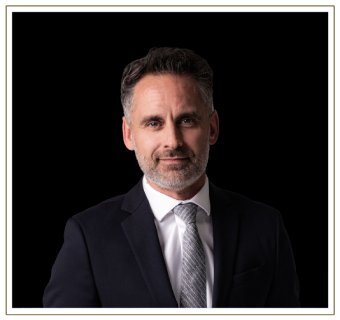
Dr. Scott Leune
Scott Leune, known as The Dental CEO, is one of the most respected voices in dental practice management. From his seminar room alone, he has helped launch over 2,000 dental startups and supported more than 20,000 dentists across practices worldwide. Named one of the 30 Most Influential People in Dentistry, Leune delivers practical, no-fluff strategies that empower dentists to lead with confidence, scale efficiently, and achieve real personal and financial success.

Dr. Ingrid Maria Murra — Founder & CEO - Two Front
Ingrid Murra is the CEO and founder of Two Front. She is an orthodontist by trade, having practiced in New York City. Ingrid decided to become an orthodontist at the age of eight and is passionate about the impact of orthodontics, having experienced its benefits herself. She trained in clear aligner biomechanics at one of the few residencies in the country that offer comprehensive training in this area. Ingrid founded Two Font to address issues in the orthodontic industry, particularly around the use of clear aligners and the false marketing associated with them.
Watch Episode
Read Full Transcript
Challenges in Providing Aligner Therapy
I'm going to talk about a dirty part of dentistry. General dentist doing aligner cases on patients. And it's just not working. General dentists are not getting the profit margins that they intended to get. Patients are not getting the highest level of care. And at the end, it just seems like the aligner companies are growing. They're getting the money, but at whose expense? At the patient's expense. At the general dentist expense? Obviously, I'm not talking about everyone, but we've got a problem that's been bubbling up in dentistry and I'm so excited about today's episode because I'm going to talk about someone. Excuse me, I'm going to talk to someone that has solved the problem. This problem being solved results in general dentist having the profit and patients having the highest quality care possible in a way that is super convenient for everyone. I'm talking about Ingrid Mura, the CEO and founder of Two Front. And this episode is going to dive into what it's like to be an entrepreneur. What Two Front is solving some of the dirty aspects of dentistry when it comes to liner therapy and, you know, how we got there and how we're going to deal with it moving forward. And really, by the end of this, you should be inspired as an entrepreneur. You should also get a lot of understanding on raising money and building kind of your own company. But you should also be super interested in delivering higher quality care in a different way. With aligners, it's a really important episode, especially if you're a general dentist, especially if you've thought about aligners. This is a very important episode that I hope will will change someone's life listening to this, either by delivering better care for patients or by you becoming the next entrepreneur to solve the next dirty, ugly problem in dentistry. And that is what we're diving into on today's episode of the Dental CEO Podcast. If you like what you're hearing on the Dental CEO Podcast, please take a few moments to leave us a review on your favorite podcast platform. Foreign. So thank you again for joining us. I've been excited about this specific episode because of two things. One, you're solving a problem in dentistry that a lot of people may not be thinking about and definitely aren't solving. And that's exciting. But also, you represent a category of entrepreneurial dentists that kind of has an idea that doesn't involve being in the chair yourself. You're kind of playing that out, and that's going to be interesting to a lot of people listening to this that have always dreamed about doing something like that. So before we dive in, I would love for you, in your own words, to kind of explain to you or explain to us who you are, what you're doing and your company Two front what your company is doing. First of all, thank you so much for having me. So I'm an orthodontist by trade. I used to practice in New York City. I spent my whole life, probably like most dentists. I decided when I was eight to become an orthodontist. So I'm like, so insanely passionate about what orthodontics can do for people because I experienced it myself. So fast forward, you know, my whole life was dedicated to being the best orthodontist. It could be getting the best training, you know, all the things, right? We're all just such, like, high achievers when it comes to school. And I basically saw that there's a big problem in the orthodontic industry, and it started with innovation. It started with a shift from Racist to clear liners, which is amazing for so many reasons, but it went so wrong. And I saw that in residency, I started to learn the science of clear liners. I was really lucky. And I went to one of these residencies where we were trained in clearliner biomechanics, which there's about 68 orthodontic residencies in the country, and there's only. There's less than 5 that actually train their residents in moving teeth comprehensively with clear aligners. And I was one of them. And so I started to learn how clear aligners worked. At the this point, I thought the world is a meritocracy. And like, my family's from El Salvador, American dream. I was going to be that doctor and, like, open up that practice. And, like, that was my life. And then I started to realize when I learned how clear aligners worked, how much false marketing there is out there. Not only to patients. We all know about Smile Direct Club, we all know about Candid, but also to dentists. And I went to nyu. You know, I think it's the biggest dental school in the country. And I started to see that clear aligners weren't going to work as well in the hands of dentists. So I started texting my friends that were practicing in the city when I was in residency. This is like a year into my residency. And I was like, guys, this company is not telling you the truth. And they're like, I'll never forget. One of my friends was like, but, Ingrid, I'm charging $8,000. And, like, I don't have to do that much work. Like, it's okay. Two years later, I started getting phone calls from my friends who has started dozens and dozens of patients. And they're like, okay, maybe you were onto something. What's going on? I can't get my patients out of liners. And that was the genesis of two front. That was the genesis when I was like, patients are getting tricked. Dentists are getting tricked, and orthodontists. People don't know why you need an orthodontist anymore, but you need an orthodontist more than ever before. So that started 10 years ago. That was 2015 that I realized that up until that point, I was just going to open up my orthodontic empire and just open up, like, the best orthodontic practice that could ever open up. And I really just couldn't get over the fact that everyone was being scammed by false marketing.
The Two Front Model Explained
Let's dive into that a little bit before we dive into the solution here. So what I'm understanding, and I remember too, coming out of school, taking a weekend aligner course, and, like, now I'm, like, gonna be treating patients from this weekend course. And the weekend course wasn't really about a lot about how to treat people. Well, it was more about how to use the software, how to place. Exactly. So when we look at the incentives and alignment here, the aligner company is obviously incentivized to have as many aligner cases as possible. And so therefore, it's got a direct to consumer patient marketing, and it's got also to dentist marketing. And its goal, obviously, as a publicly traded company is to do as many cases as possible. The dentist is incentivized to do it because financially, they're big cases and the learning curve has been dramatically reduced in their mind to treat patients. However, where do we set the bar at what is acceptable treatment? If we can get that bar to be low, then the aligner company wins, and the dentist can maybe make more money. But the patient hurts. Right? If the bar is set really high, then the patient's benefit, but it's harder for a dentist to do the cases at that level of quality. And obviously, the aligner company might get less cases. And so we've got this almost perverse alignment of incentives that say, hey, let's just do bad for the patient. So we can get a lot of cases, dentist and aligner company. And you've got the orthodontist sitting on the side saying, guys, we have high standards, and what you're doing is basically a little bit of shit work that you're had. Now we're having to clean it up, or you've convinced the patient it's okay, and they're out there and they're thinking they got a great case done because they don't know any better. But we know better. And unfortunately, the orthodontists and the dentists of the past did not have good relationships either. And I might put, in my opinion, a little bit of the fault on the orthodontist decades and decades ago for what seemed, as the general dentist, of almost like gatekeeping any sort of orthodontic care for patients. And so this aligner therapy became kind of the first door that opened that general dentists felt like, okay, now I get to participate in ortho. And obviously, the incentives were misaligned. And now we're stuck with this issue of a bunch of dentists have lowered their standards of what's acceptable, and they're doing cases and orthodontists don't find it acceptable, and it's to the benefit of the dentist financially, the benefit to the liner company. But the patient's damaged, and now we need to fix. Before I put it back over to you, I want to say, of course I'm not talking about all dentists. I'm not talking about all orthodontists. I'm not talking about all patients. Some cases are being done very, very well because they're simple or they're being done very, very well because the dentist is properly trained and skilled. And obviously some dentists do have a very high standard of their care, and that is why they don't do so many cases, because they recognize what is acceptable and not to a different standard. So obviously I'm generalizing a problem and not talking about everyone. Did I get that story correct? Is that the problem that you solve? Scott, that was so well said. This is like why this is your brilliance is you're such an incredible communicator. That is. That's exactly what's happening. And if I were to just take it a little bit deeper, what we're talking about is like, it's an ego problem, right? Like there's there are some cases that dentists can do and they should do, because 60% of the United States doesn't have access to an orthodontist. Orthodontist can't gatekeep patients. That is why these mail order liner companies went haywire, because we can't figure out a way to help our patients get accessible care. And accessible is now a trigger word in our industry, but it's the truth. Most people can benefit from having straight teeth and healthy bite. So that is the fundamental issue. There are not enough providers who can help patients. And if we just take it a step further, what I learned is that it's not every orthodontist who can help patients with aligners. And there's actually most orthodontists specialize in braces. And if you specialize in braces, clear aligner biomechanics is a fundamentally different specialty. I learned that the hard way because when I graduated from my residency, I was a clear liner specialist. And so when I started my company, Two Front, and I moved to LA, I started basically working with most orthodontists I could find, thinking, hey, if I partner orthodontists with dental practices, patients will get good care. That was not the case. I learned that the hard way. You need to find orthodontists who specialize in clear liners so that patients can get high quality care. So you really nailed the issue, right? Like, the issue fundamentally is that we need to give our patients better care. We need to, in my opinion, really elevate the standard. We all know that dentistry has a bad reputation where most patients feel like they can't trust a dentist. So if we feel like we can lower that bar, we are perpetuating that narrative. So what I would love to do for us is create what I've been dedicating my life to for the past 10 years, is creating a world where the bar is extremely high and everyone wins. Dentists can make a lot of money. Orthodontists have a new way to practice and patients are getting that care that we are promising them at the bar that we all are proud of. And that's what we're doing with two front. Another way I think about it is when you treat a patient, there is a diagnostic component and treatment planning component that's so important. And the very best in the world generally are orthodontists to do that. And then you've got the hands on component in the mouth, the work that needs to be done. And that could be done by obviously an orthodontist locally. It could also be done by a general dentist that has been helping and been treating that patient for a long time. And what enables us to kind of connect it all is the fact that we've got technology. We've got virtual consults available and checkups available. We've got aligners, obviously available. So I'd love for you to describe this, and you've never walked through this with me. So this is just the outside person's look at it. But what I think you're doing here is you're taking the top orthodontist providers for aligner therapy that have had the right training, and you are bringing them in and adding them to the team of the local dentist that's caring for the patient. And using aligner therapy and technology and that partnership between those two providers, this patient is able to get the highest level of care. The general dentist is able to treat the patient with a great result and benefit from it financially. And the orthodontist is able to get more patients because they are scaling themselves this way in partnership with dentists through technology. Did I get that story correct? I've never heard you explain it, so walk through it. That's. That was my initial take on it. Scott, that was great. And that's exactly right. We say that two front is a better way to align. It is a platform like you said, where fundamentally we are certifying the best orthodontists in the country. So orthodontists who are practicing on true front have done at least a thousand clear aligner cases. They are 90% share of chair aligners and they have an average of less than 2 refinements. And those are the orthodontists. Believe it or not, there's less than a thousand in the country. It's an extremely strict certification process that we have. And we are basically giving them this platform which is a collaborative care platform where they can support the patients of dental practices in their licensed state. So through that platform, to your point of dentists are the best in the world at the hands on treatment planning. This platform is a very simple to use platform that we've built at two front where dentists basically integrate what we call bite health reviews into the patient exam. It's a simple referral. So your ITERO will connect to the two front platform. You pull up the ITERO scan. We have really great AI technology to help patients understand the bite health based on the iTero. So you're putting this on the big screen. The dentist refers the patient meaning just. It just sends the scan over to the orthodontist. The orthodontist will do their asynchronous evaluation, send it back to the patient directly. Dentist gets it. We then provide the services, meaning the treatment coordinators full time at two front best in the country to hop on the call with that patient, walk them through the financing, walk them through the insurance, walk them through the treatment plan, get the case started. All the dentist does is refer that patient through the two front platform and deliver those aligners. The dentist will get everything they need through that platform, meaning a video of the clincheck. They'll understand what's happening with the patient and they're able to give their patient all of their aligners up front because all that back end is handled where the patient is monitored virtually. We've got a 3PL, we send a nice little VIP care package to that patient with that scan scope and we have a full support team to help patients do all their checkups every week from home. I'm going to walk through it in my words and then I want to ask you to go deeper in a few areas. So I'm coming from the standpoint that I'm a general dentist. I'm a general dentist. I want to do aligner therapy. I have, I've gotten training, I've done some cases but we do the best in class in our other general dentistry. I want this to be the best in class. And I don't want to go through the headaches and the liability in dealing with patients that need refinements and where I've just gotten ahead of myself clinically. So I partner with Two Front. What happens is I do an examination of my patient. I do an ITERO scan. I feel like this is a great candidate for aligner therapy. And I send the scan to a two front orthodontist. That orthodontist is like a top 1% Invisalign provider, probably the insane training, high quality care, very low refinement rate, the best in the country kind of orthodontist. I send the ITERO scan to that orthodontist. From that point, the patient's connection with this case is now handed off to two front. So the patient is now getting communication from two front. They're getting a treatment coordinator coming, presenting the payment plan, choosing payment options, saying yes to treatment, all from the two front trained treatment coordinators. They're getting all of that support. I the general dentist. The next exposure I have is I will deliver the trays to the patient. Did I say that correctly so far? Exactly. Okay. Okay. So I deliver the trays to the patient. The patient now wears the trays, and they will get periodic virtual checkups from that orthodontist and from two fronts. Correct, from a patient concierge. So we have a clinical team of patient concierges that do weekly clinical checkups. The orthodontist will step in if there's any issues. Okay. So they're getting weekly virtual checkups, which from the patient's perspective, man, that's great. Amazing. I'm not having to make an appointment and drive somewhere and wait in the lobby and all that kind of. This is from home, so it's super convenient. And as the case goes on, let's assume everything's perfect and now the case is over. Clinically speaking, who's delivering the retainer? Do I do anything else clinically or was I done when I delivered the trace? Good question. So there's typically two more appointments. So through the two from platform, we assign a champion at your practice that's going to be in charge of basically monitoring the platform. You'll be notified when the patient is ready for their progress scan. So you are notified when the patient is at their second to last aligner and you'll schedule them for that progress check. At that progress check, you'll basically again, through the two front Platform. The doctor will say, the GP will say, all right, we're good to go. Ready for retainers or, you know what, there's some space between 25 and 26. Let's go ahead and tighten that up. Send it to the orthodontist, your dedicated orthodontist, who you have a relationship with through the two front platform. Again, two front handles, everything. Prescriptions, clinchecks, your orthodontist does everything. And then at the end, you'll deliver those retainers. Okay? And so what if there's more than that? What if the patient needs buttons? What if the patient hasn't been wearing their aligners and now they've fallen out of sequence? What are some of those things? Yeah, good question. So at the delivery, your responsibility is basically giving the aligners, placing the attachments, and doing any IPR if necessary. Here's what I'll say about working with the top 1% orthodontist who certified on two front. Our orthodontists use very precise, minimal attachments, very little IPR, if any, because guess what? In real orthodontics, we're not doing ipr. And so our orthodontists are barely doing any ipr. Sometimes you need it, sometimes, you know, you have thin buccal tissue and you need ipr. So you'll do it if you need it, but you'll get training from true front, including materials on how to do it best and a video from your orthodontist. So that's when you do the attachments. Let's say the patient isn't compliant. Right? Because what I learned when I was practicing is it takes two things for patients to get the best care. You need the best treatment planning, and patients have to wear those aligners. That's half the battle, right? We invest heavily in supporting your patients with compliance. We actually have a 98% compliance rate because we really provide world class virtual support to your patients. My sister's a patient right now at a two front practice in Houston, and she's like, it is the most concierge experience I've ever had. So your. You can rely on your two front patient concierge to really support your patient. We say she's a mixture of a babysitter and a cheerleader. And we make sure that patients are getting their money's worth. Let's say they're in the 2% and they're not compliant. That patient will be flagged to you on your two front portal. So you will know. Hey, just so you know, Dr. Leune, this patient isn't tracking. So you at least have the. The ball in your court, and you can call that patient if you want. Sometimes it happens. It's in their contract that in order to get their great results, they have to wear their aligners. But you can rely on your true front support team to make the patients are compliant. Some dentists don't see invisalign patients hardly at all. Right. They give them a couple months worth of trays, and they don't see them until the end. And I know from my kids actually going through treatment, they're not wearing their aligners until they get close to that appointment. Then suddenly they think, like, magically, they got to put them in, force them in, and everything will be okay and it'll work. Yeah. But one. One thing you guys are doing is you're having frequent checkups. You're having weekly, weekly. And I think that has got to be one large reason why compliance is so good. Dennis can't easily have weekly checkups. Oh, my gosh. If we were to, like, have an appointment every week in our schedule, taking up a chair that we have to set up and turn over and deal with in our busy life, you know, that's not very feasible. So by you guys having this virtual setup and this concierge service, this weekly checkup is probably one big reason why we're driving. You're driving compliance. You've got an engaged patient. We haven't talked about the money. So how does the money work? Because the patient's paying two front for this, or is a patient paying the practice? How's that work? Patient pays two front. They pay their two front treatment coordinator, or they can check out directly in their two front portal where they're. They will receive basically their insurance benefits because we have a team that verifies out of network insurance benefits for patients. They'll also receive that video from the orthodontist, and they'll see that restorative plan. We didn't talk about that, but we can talk about that later. You basically input their restorative plan for them to see. So basically, the way the money works is. Is there. There's a price point. So we used to have just one price point, which is comprehensive. Three years, three refinements. And actually, in 2026, we're launching three price points. Simple, comprehensive, and then advanced. So right now, I'll tell you about today's price point, and you can kind of just imagine how it scales accordingly. Comprehensive is 5499. Okay. And that's for pay in full. We offer 100 approval and financing. So we offer everything from, you know, affirm and klarna that you see, you know, when you're shopping on Amazon or like end store. We also offer CareCredit HFD. So that's why their treatment coordinator that is there to really make sure that patients can understand, you know, if they need 72 months of payment plans, they can get that through two front. If they want care, they can, they can afford it with a good payment plan. Dentists are then paid $2,000 on delivery. That's in full. So just a quick plug. One of our dentists in New Mexico, he just made a hundred thousand dollars of profit within three months of partnering with an orthodontist on two front. Yeah. And you know what's interesting is $5,499 from the patient side to get one of the very best orthodontists in the country with a concierge service that is convenient is a pretty darn low fee. I'm spending more than that on my son in San Antonio. Significantly more than that, actually. And so this is actually I view this as a low fee. Some general dentists may view this as higher than what they charge. They might be trying to play the volume low fee game. They're charging whatever 3, $500 or whatever it might be for Invisalign to be the cheapest in their city. But they're getting hit with a huge Invisalign fee. And when it's all said and done, they're making way less than $2,000 a patient because they're 3,500 minus the Invisalign fee, minus the cost of turning over the rooms and all the appointments, and then add refinement, add all those other costs into it on top of that. So a lot of them did a heavy marketing ahead of that. They're making way less than that. So what I hear is as a general dentist, I can deliver the very highest level of aligner care by the most experienced people in the country. I don't have to collect, I don't have to even present the money. I don't have to deal with any sort of treatment issues. I get the most simple aspects of care. Delivering the liners and the very end, just making sure the scan, everything is all right. And I am getting $2,000 upfront on delivery as my profit without having to basically have to manage the most difficult components of doing Invisalign or liner care on patients. What an awesome setup this is. And you said 100% approval for financing. So every single patient that says I'd like to be on a monthly payment plan is given an option to have that done. Is that right? That's exactly right. Okay. And so moving forward in. Because we're recording this at the very, very end of 2025, so moving forward in 2026, there's going to be two other options. There's going to be kind of a more simple case option. There's going to be a very advanced case option with different, different pricing levels as well as a typical dentist that freaks out over thinking of worst case scenario. What is worst case scenario? So I've got a patient and just. It's not working. They're not wearing the trays. The contract says they have to. They're not wearing the trays. And my orthodontist is like, we're gonna need another scan. Walk through the 1 in 500 patient situation where it's just not going well. Do we abandon aligner therapy and refer them to our local orthodontist? What's a realistic worst case scenario here? Yeah, well, I'll let you in on a little secret because this is going to dentists, not to patients. We care about their relate. These are long term relationships with dentists. Like this is a long term partnership. We want to help you offer comprehensive orthodontic care for life by partnering with one of the best orthodontists in the country. So you're right. Wait. One in a thousand patients will go berserk for whatever reason, right? Like I can't use my scan box. I want a refund. We'll always make sure the patient's taken care of regardless of what's in the contract if that patient goes berserk. There's been a handful. There's probably been three to four over the past four to five years. We just take care of them for the patient, whatever they need. You need a refund. You know, you just dismiss the patient, whatever you need. Think of us as your concierge, luxury orthodontic partner. We'll handle it. You don't have to worry about it. Man, I wish you could handle all of our jerk patients. They freak out over not being covered by insurance. They had to wait in the lobby, you know, 10 minutes too long or, you know, something they thought something was said to em or on the phone that we'd never said. But what I'm hearing here is because the patient has a financial relationship with two Front and because two Front is managing all the care, it kind of Protects the general dentist from the highest risk moments of this relationship with an aligner patient. And worst case scenario hardly ever happens. And when it does, it's handled in a way that is really not adding risk and cost to the general dentist. And that is probably the best handling of a worst case scenario patient in dentistry that we've experienced as a general dentist is the way you just described it. So that, that is awesome. Now you've been doing this for 10 years. You talk about, you know, you use the word platform. That is a word we entrepreneurs use. We know that what that means a scalable way to deliver the services and so forth. But for you to build that is complicated. You had to build the tech side of the platform. You've got three customers, you've got an orthodontist customer, you've got a general dentist customer, you've got a patient customer. You've got to set up proper marketing and communication, an ongoing follow up. You've got customer service, things you're dealing with. You've got a team, you've got all these and dentists that are customers. And my God, that might be the hardest customer type is the dentist. You've got a lot of this happening and you've spent your life, it's your life's work the last 10 years. It's your life's work putting this together. You've had to raise money. I want to talk about what it's like to be an entrepreneur dentist, to kind of throw all this together in a way that is elegant and that is solving a huge problem. A lot of us dentists have ideas on things to do in dentistry to solve dentistry's problems. What has it been like for you to go through this experience? What are some of the stories or what are some of the tips or the things we need to know about being a dentist entrepreneur? That's building a company that is not your two hands in a mouth. I'm not going to sugarcoat it. It is the scariest, hardest thing I've ever done in my life. It is like chewing glass every single day. It does not get easier. It does not get easier. Just yesterday, I'm dealing with another insane hard thing. I understand why all entrepreneurs are athletes because the only trait that I think you need is the ability to tolerate pain and do it again every day. I would add to that the fact that you've got a very high standard makes the pain come more often in. So like, if you had a low standard of quality or low standard of ethics, you can kind of Bullshit through some of the issues and accept bad results. But when you've got a very high standard, and it sounds to me like that's basically the foundation of your company, is this idea that says we have a very high standard of how we do things, how we treat a patient, how we. How we have customer service with the patient, with the dentist, right? What we stand for. That high standard brings a lot of pain too, right? What are some examples of chewing on glass? What are some things that hurdles that you've had to overcome? So I think one of the biggest things as a dentist is like, we are extremely high achieving. I have so much respect for every person in our entire profession. We had to, most of us, unless we're like, extremely naturally smart and you're just really good at dental school, you really had to go through a lot to become a dentist. But the big difference is that as a dentist, you are a sole performer and you can rely on yourself. And one thing I realized about True Front when I was building this company, and by the way, when I was practicing, I could also be a solo performer. My assistant was out. All right, I'll be the assistant. My treatment coordinator was out. I'll sell the case. Like, I was able to make up for my team around me until I built two Front. Two Front is entirely different. I need someone to run product, someone to run customer service, someone to run every facet of the company. And that requires a completely different skill set, which I now know is leadership. Now I understand what leadership is. And it is almost like the opposite of being like, you know, an NFL player. Because when you're an NFL player, you're really good at what you do. And you almost have, like, ego about it. You're like, I know I'm the best, right? Like, I got into this residency. I can do this sort of case. As a leader, it's the opposite. It's like this zero ego perspective of I'm going to hire the best and I'm going to build an environment where, first of all, you ought to attract the best. To attract the best is not easy. You have to sell, tell a story of what you are building, where you are convincing the best people in the world who could be hired at any other company to build your vision. That is not an easy thing to do. Storytelling is extremely important as an entrepreneur. And then to create an environment when you actually get the best and you realize, I can't lose this person, you maintain them. I learned through culture. How do you make this person feel so valued that they're not going to leave. They're going to continue serving your customers and building a better world for your customers. That core skill set, I think, is so insanely important. And to circle back to your original question of some of the most painful experiences, I think it all revolves around people. I think hiring and firing people, that firing is the worst experience that I'll ever go through. I have hired and fired dozens of people, and it's a life you've rocked. It's a life that you pulled them out of a company where they were making more money, because you probably pull them away from like a very. You should pull them away from a really good company, and you're convincing them to join a startup, take a little bit of equity and build something. Dozens of times I have hired and fired the wrong person and wrecked that person's life. You know, it's not like as a small startup, you can give a ton of severance and it's traumatic. That is the matter that makes up my nightmares. Like, when I have nightmares, it's like some person that I fired crying, telling me how horrible of a person I am. And it doesn't get any easier. It. Someone told me that early on, a business mentor outside of dentistry, these don't get easier. Each and every one is. It shakes you. And I think, like, those are the moments that have. I've really questioned, like, am I in the right position? Like, do I know what I'm doing? But I guess if there's any people listening who want to start a company, that is the number one skill that I think that you need to cultivate is how to know how to hire and how to know how to spot incredible talent and keep them and retain them. And if you can learn that, that is a difference between solo preneurship and just doing everything yourself and building something that's beyond yourself. I think a lot of entrepreneurs focus instead on is this product innovative? They're not thinking about actually delivering that product or service and what is needed in the people they're going to have to attract and retain. Us dentists are very guilty of this because we are engineers of building some product, something, right? So we're so focused on the thing, on the product. When you talk about the NBA, I think back to my beloved San Antonio spurs and back in the heyday, Gregg Popovich was the coach, Tim Duncan was the star player. What I find interesting is those are two completely different types of people. The star player is not the star coach. If I look at LeBron James, I would not make LeBron James a coach of a basketball team. But what is interesting is Tim Duncan was with Greg, Coach Popovich long enough under that leadership that Tim Duncan became almost trained to be a great coach sometime in his life, right? So you've got a LeBron James example where he's this top performer and he can almost tell the coach what's up. Like, you don't tell me what you know, you need to get what I want, right? And he just becomes that performer, which is amazing if that's what you want to be a performer that's working on the court and having to score everything with your hands, right? Tim Duncan was led by an amazing leader. And Tim Duncan was always a performer, but also got coached to become a coach, led to become a leader. And that is a transition that is rare to find. But what I see is one of the strengths of Greg Popovich is he didn't just build players, but he built leaders instead of being controlled by a star player who demanded the leadership, respect. You know, what about the money side? Because finding top people and retaining them is one thing, but man, this stuff gets really scary expensive when you build companies, especially if it takes off, if it works. And we gotta keep quality high and we gotta keep tech innovating and we, we need a budget for marketing, a budget to hire people before we can afford them. And how has that worked? It's a really good question. And my philosophy has changed over the years. I used to be, you know, know, convince people to take 20 to 50% less, if not more than they were making. My philosophy now is pay good people what they're worth. And you, as a founder, you are responsible for figuring out where to get that money, whether it's your fundraising or you are growing the company through founder led sales. But at the end of the day, I have a fiduciary duty to our customers, our investors, to produce the absolute best service in the world. And, and I don't want the people building my company in scarcity. I want them to be happy. I want them to be thriving. I want them to be come with their cups filled every single day and really give their all and not think about money. So I actually overpay. I overpay my leaders because I want them to be happy. And I now solely, exclusively, for the first time these past three months, responsible for growing the company. And, and for me, what that means is being on social media and doing dinners all around the country, telling dentists, showing dentists, you know, how this works, just showing them this beautiful platform. That my wonderful leadership team has built. And I believe in this team. I believe in the mission. I believe in the problem that we're solving. And so from a money perspective, I pay them well, and I'm going to get us customers. You've had to raise money as well, right? From investors. You mentioned investors. How has that worked? How. What kind of people have been investors or how do you know those people? So I come from. My parents are Salvadoran. I'm a first generation American. And my parents are very much the American dream doctors who had five girls. I'm the oldest of five girls. And they, they really showed me an example of what the American dream is. So the American dream is like, core to who I am as a human. But that also means I grew up in New Orleans. I don't have any sort of, like, connections to, like, business, like, or anything, right? So when I first started this company, I just started learning from podcasts. I built this and, you know, other similar podcasts, and I heard of this concept of friends and family, and I was like, okay, you can raise from friends and family. I asked my family, they were like, ingrid, no. What are you talking about? Then I asked my friends and they were like, what are you talking about? Like, we don't have money to invest in your company. That's when I realized friends and family is for people that have, like, friends that have, like, wealth, right? Like, I was like 27 or something when I started asking my friends. So that's when I realized. First I tried to go to a bank because I was like, I'm an orthodontist. I can take out a loan. I can take out that loan to start this company. Actually, even before that, I tried to fund it with my own orthodontic salary. I invested 25,000 of my own dollars, and I realized I need like 10 times this, if not more. And that's when I started. I went to the bank, realized that I could only use that for a practice. So that didn't work. And that's when I started. I basically just Googled, like, how else can I, like, find investors? And I was living in York City, so I started going to networking events. Honestly, like, every night. There's. That is the benefit of living in New York City is there are free networking events for founders and investors. So I started going every night. I started just listening and learning how people pitch themselves, whether it's investors or entrepreneurs. And I did this for a couple months. It took me about 18 months from the time I started going to these Networking events to raise my first $500,000 from venture capital catalysts. And what I'll share for anyone who wants to start a company is learning how to tell your story in an elevator. Pitch in 20 seconds is one of the hardest things because we feel so passionate, right? Like you feel so passionate about what you're doing. You're like, please just sit down for me for 20 minutes so I can tell you everything. That's not gonna work. You need to tell your story succinctly in 20 seconds. I don't think there's a shortcut cut. I think that it's all practice. I think you've got to practice it. Whether it's you're recording in front of a camera, whether it's you're practicing with your spouse or a friend, you have to learn how to tell the story in 20 seconds. That's how I raised my first $500,000. I. There was someone speaking who I really admired. He was an incredible speaker. He's still one of my good advisors today. And I walked up to him afterwards and I said, hey, here's what I'm doing. Thank God. I was like, you know, at that point, over 12 months into pitching people, and my story was really good. And he, he was really smart, well connected founder turned investor. And he introduced me to about 20 investors just all over email. And one of them became my lead investor, invested $500,000. And one of the people he introduced me to, he asked me who my wish list was. And so besides the venture capital investors, I was like, I want the smartest people I can get my hands on. So there's like 250 of them around the country. They recently got bought by Amazon. At the time, I was like, that is the most innovative thing I've seen in medicine. And I was like, I would want that founder to invest in two front. Tom Lee. He was a former doctor who built this incredible empire that really revolutionized primary care. So Derek knew. Tom introduced me to Tom. Tom replied, my heart's like beating out of my chest. I'm like, sweating. I go to his office in SoHo in New York, work, we talk for half an hour, and I'm just like, literally sweating, word vomiting, telling him what we're doing. And he just asks me one question. He asked, are you going to continue and never stop? And I was like, yes. I'm like shaking my head like a puppy, like, I'm never going to stop. And he was like, okay. And then he invested in two front. Okay. And you've raised how much money now? Almost 10 million. And yeah, that is amazing. You were saying the elevator pitch, and I was thinking in my head, you know, there's one pitch that says what is two front, but there's kind of three pitches depending on are you talking to a patient, a general dentist, or an orthodontist. Right. And. Or an investor? Oh, yeah, of course. Yeah. There's the investor side. You know, to. To a patient, this is the highest quality of aligner care care in the country, and it's convenient and affordable. Right? To a dentist, this is getting all the profit from delivering aligner care at the highest quality level, but without the liability or the inconvenience of it. Right. And to an orthodontist, this is a way to deliver care nationwide in a way that's convenient and profitable to you. And when you put all that together, you know, to me, the real problem you're solving is we must demand the highest level of care and convenience in a way that's profitable for all the parties involved. And we've never had that. Someone's always lost with the current model, right? Someone's always lost. In the Smile Direct club extreme, the patient lost the general density loss. Right. Or in the orthodontist gatekeeping extreme, the general dentist is losing and the patients are losing due to a lack of access. With the general dentist doing it, the patient's losing in many times because of quality, and the orthodontist is losing as well. You've actually found the one sweet spot, the bullseye, that says highest quality for the patient, great profit, low liability for the general dentist, and the greatest exposure to the orthodontist. And your platform become. Becomes the digital way that scaled. And that is an amazing story. At a time where Smile Direct raised a ton of money and where DSOs are expanding greatly, they're trying to freaking solve this aligner problem too, for themselves. Right? And we didn't talk about that, but this is probably the very best solution I have ever heard for a DSO to deliver high quality aligner care, even if they're dealing with sometimes general dentists rotating in and out, joining their GSO and then leaving. You know, how do we maintain quality care for the patient? To me, the DSOs should be just foaming at the mouth and excitement of delivering this to the organization. As you heard me say that, I'm curious what's coming to your mind as I'm kind of on an outsider describing what I think you're doing here and what you've done. Is that how you see it or are there other thoughts that you have to that. No. You, you're honestly nailing it, Scott, like you are a master of words. You always have been. Ever since I interviewed you a couple, couple years ago, I was like, oh my God. Like you, you're just a mast. I feel very seen is how I feel because you're, you're really nailing it. At my core, I'm a believer and lover of the American dream. And so I don't think doctors can lose. I want doctors to win. And this is the way to me that all providers, all health care providers win. You know, you've got the scars inside of the entrepreneurship side. You've got the scars of the dentistry side. And I bet to an investor, investor at this point you are an ideal candidate to invest in because you've picked a market that's huge. You've picked a problem that is easy now to understand and you've got a way to fix it that's scalable and you've got the passion and you've got kind of the failures, you know, along the way that give you wisdom and give you focus. I think that is amazing. I bet it's going to be a lot easier for you to raise money assuming of course that your company is able to maintain appropriate profitability while being able to deliver the highest level of clinical quality. Right. I think a lot of the judgment of your company from an investor standpoint is also going to be around the retention of dentists and orthodontists. How many customers are we say customers, we should say patients. Right. Are they continuing to refer. What does that look like? Do people consider your type of business to invest? Investors consider your type of business a software company. How do they label you? That's a really good question. So we actually have, we, we are very lucky. I was introduced to one of the best investors in the country. So Craft Ventures, it's David Sachs, who you know, is one of the founders of PayPal. It is Jeff Fleur, one of the founders of StubHub. They're a multi billion dollar fund now. So they're our lead investor in our last round. We are considered a vertically integrated marketplace. So we have a SaaS component but at the end of the day, because we have three were a marketplace, so people consider us in the same tier as like Uber or TaskRabbit because we are connecting different parties to transact based on patient care. And we have the infrastructure to support that, the customers support infrastructure, the financial infrastructure. And so when we, you know, when investors Evaluate us. We actually don't go to traditional SaaS, we go to marketplace investors, which is actually a little bit more niche. The analogy or the comparison to Uber, you know, Uber's got, of course, the driver as a customer and they've got, of course, the consumer, consumer as a customer, connected on the platform and they've got these other people they've got to consider, like cities, you know, states and autonomous driving companies. Right. It's very interesting. That makes a ton of sense to me. A marketplace, a vertically integrated marketplace that has, of course, software at the foundation of how you're able to deliver this service, this product to the market. Do you see this going outside of the United States? States? Oh, absolutely. You know, my ortho residency in Boston, I have ortho friends in Sweden, in Brazil, in Rio, in Thailand. Like, this issue is happening all over the world. The issue of patients not getting high quality care of most clear liner therapy out there not working, of dentists trying it. And like, there's all these sorts of issues, whether it's endless refinements or chair time or whatnot. And orthodontists, there's specialist orthodontists and clear liners who can. We just need to distribute. We need to distribute their expertise. And that's what we see Two front doing, is distributing their expertise, making the care more accessible and giving. We refer to dentists as care centers. Like you are a care center to deliver this orthodontist expertise and, and this really, to your point, convenient concierge care that the modern consumer demands. Like for me, if I was not part of Two front and I went to a dentist and they were like, okay, you, you can get an Invisalign. You're gonna have to come back once a month, once every two months. You know, you may need 15, 20 visits between, you know, next year or two. I'd be like, in what world? Who has that time? Time is our most precious resource. And so that's the kind of care that we wanna deliver to patients through dentists. And we think that we can do that all over the world. What a wonderful episode and what awesome final words there from you. So this is Ingrid Muira, our company. Again, you can go to mytwofront, all letters, mytwofront.com. And man, Dennis, you guys gotta think about, you know, does this make sense for you as well? You could be a top 1% Invisalign provider overnight when you partner with this kind of orthodontist and you do my two front work for your patients. So awesome. Episode so different than what people are talking about. And I'm so happy that we were able to do this today. Ingrid, great seeing you. I hope we run into each other again soon. And everyone listening to this episode, thank you so much. I hope that you've subscribed and that we're a regular weekly habit for you to get good content about dentistry and about business. This was the Dental CEO podcast. My name is Scott Leune. Thank you everyone so much for this episode.
SUBSCRIBE TODAY
Subscribe now and receive a 25% discount code for Scott Leune’s upcoming events. Plus, get podcast episode alerts and exclusive subscriber perks.