The Dental CEO Podcast Episode 50: Dentistry’s Imaging Infrastructure Is Broken
In the latest episode of The Dental CEO Podcast, host Scott Leune welcomes Dustin Johnson, co-founder and CTO of SOTA Cloud, to discuss the transformative effects of cloud-based imaging solutions in the dental industry. The episode enlightens listeners on how technology is revolutionizing dental practices by enhancing data accessibility, improving patient care, and optimizing practice management.
Highlights
- Discussion on the challenges of traditional imaging software and how cloud solutions like SOTA Cloud offer more flexibility and efficiency.
- Dustin Johnson explains the ease of transferring legacy data into SOTA Cloud, ensuring dentists’ ability to switch platforms without losing vital historical data.
- Exploration of the integration capabilities with various AI and practice management systems, promoting a future-proof practice environment.
- Impact on patient experience and case acceptance through more effective data handling and presentation enabled by cloud technology.
- Cost benefits analysis of transitioning to cloud platforms, highlighting long-term savings and operational efficiency.
Speakers
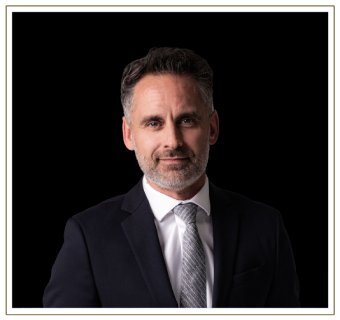
Dr. Scott Leune
Scott Leune, known as The Dental CEO, is one of the most respected voices in dental practice management. From his seminar room alone, he has helped launch over 2,000 dental startups and supported more than 20,000 dentists across practices worldwide. Named one of the 30 Most Influential People in Dentistry, Leune delivers practical, no-fluff strategies that empower dentists to lead with confidence, scale efficiently, and achieve real personal and financial success.

Dustin Johnson — Co-founder & Chief Technology Officer (CTO) - SOTA Cloud
Dustin Johnson is the co-founder and Chief Technology Officer (CTO) of SOTA Cloud, a cloud-based dental imaging solution. As the CTO, he leads all technical teams, including engineering, development, and product teams, and was involved in the early development of the product as the principal engineer. SOTA Cloud is designed to lift the responsibility of hosting servers and managing files from dental offices by providing a cloud-based solution.
Watch Episode
Read Full Transcript
Challengees with Current Imaging Software in Dental Practices
Scott Leune: Have you ever been frustrated with imaging software in a practice, you have to have a certain sensor. You got locked into a certain software, cost you a fortune, you don't really love it, and then you've got another kind of software for your scanner or your CBCT and you got to pay all this money to store it online data backup and you refer a patient and it's so hard to get images to providers. That patient has to pay again to have new images taken. The whole thing takes up time, it costs money, it is disconnected and in silos, and now we're wanting to integrate AI and AI needs to access everything. And there's 3D printing and there's 3D printing files. And so patient education and we're want to use virtual admin. They got to connect to the image. It is complicated. In this episode today at the dental CTO I have brought on Dustin Johnson, the co-founder and the chief technology officer for one of the most exciting imaging software companies today called SOTA Cloud.
And we are going to dive into what it means to transition images to the cloud. What does that cost look like? What are all the ways that the future is going to need our images? And we're even going to dive into ai. We're going to dive into 3D and scanning and startups. I mean this is an excellent kind of summary on where we're at today with imaging. If you're a dentist that doesn't own a practice yet, you need to listen to this because this is going to be the way to set it up. And if you're a dentist that has a practice or more than one location already and you are on kind of the legacy products and systems, you're going to need to hear this because you're actually late. You're actually late in the change you need to make. And so this is going to be a very important episode for you to listen to. That is what we're diving into on today's episode of the Dental CEO. If you like what you're hearing on the dental CEO podcast, please take a few moments to leave us a review on your favorite podcast platform.
Alright, Dustin, so thank you again for joining us as a co-founder and CTO of SOTA Cloud. I was super excited to have you on because number one, of course, I would like you to talk a little bit about what SOTA Cloud is in case someone hasn't heard of that. But this is going to be a whole conversation about where we're at today with imaging software and the cloud. What does a dental CEO need to know? So before we dive into that content, could you maybe in your own words, a couple sentences just tell everyone who you are and what you do and also what SOTA Cloud does?
Introduction to SOTA Cloud - Features and Benefits
Dustin Johnson: Yeah, absolutely. So I'm the CTO and co-founder of SOTA Cloud. And what that means is basically I lead all of our technical teams, whether that's our engineering team, development team, product team, all the way to support and everything in between. I'm kind of the tip top of that chain and obviously I was obviously very involved in the early development of the product as the principal engineer. So from a technical and product perspective, I'm kind of the guy now. SOTA Cloud is a platform, is a dental imaging solution, cloud-based dental imaging solution. That means that we take all of the responsibility that you used to have as a dental office in terms of hosting your own server and files and all the technical complexities and connectivity complexities that come with that, and we lift that up into the cloud and make it not your problem anymore. That's kind of the 32nd version.
Scott Leune: Approximately how many s are on SOTA Cloud
Dustin Johnson: Today? We've got about 1500 locations that are on SOTA Cloud onboarded over the last three years or so that I don't know if you saw, we recently signed PDS Health and there are a thousand plus locations, so they're in the process of onboarding right now. We're growing pretty rapidly
Practical Setup of Cloud-based Imaging
Scott Leune: From my experience, your imaging platform is probably the most advanced and refreshingly intuitive platform that we've seen and used. Could we kind of go now into the cloud, talk about it because a lot of us dentists, we built our practice 10, 15, 20 years ago and back then people were talking about, well, should I even have digital sensors? That's how old I am. And then we did, and we'd have to have an imaging software that integrated well with the sensor and we had to have a server and we had to store everything on our server. And if I ever wanted a new sensor, sometimes I didn't talk to my imaging software, I'd have to get a bridge or I'd have to have different software and different rooms and different sensors and I'm buying online data backup to store my images. I have to protect everything and everything happens to be HIPAA compliant. So now let's talk about the cloud. If I can get this in the cloud, first of all, what does it look like at my practice? If I'm putting everything in the cloud, do I have a server yes or no or how is that set up?
Dustin Johnson: I'll just kind take a step back for just a moment. So you will still have a server because you're going to have other elements in your practice that depend on that. But we're really solving, especially as we move into the future with AI connectivity and all of these other things that you're going to have as emerging technology in the next five to 10 years is the problem of what systems do I have to be able to connect to with my imaging data? What hardware do I want to be able to use with my imaging platform? What modalities am I going to use? Sensors, cameras, BCTs, panos scanners. I mean there's so many things out there that your practice depends on and are critical to your staff's workflow. And then finally, who's in control of all of that data and can you make that actionable? Right? So it's actually really interesting. 10 years ago when digital dentistry started to really take off, everything was really a point solution. So you'd have one system that was dedicated for your intraoral and your photos, you'd have another system that was dedicated for your CBCT data, another system that was dedicated for your 3D scanner. And ultimately, I mean if you consider the scope of all of the different solutions that have to use that data that you're collecting, which by the way is the most valuable data arguably in your practice, it's the fundamental ground truth objective clinical data that you collect as a provider. Everything else is hearsay, it's typed into your chart, it's interpreted by a person. That clinical data that you're getting out of your images is fundamental and so it has to be used not just by all of the people at your practice, but all of the systems that you're using.
So today for example, many practices are turning towards AI solutions to analyze their images and give them clinical feedback. They're using patient education solutions that are there to help present the case to the patient and get them to say yes, get them to case acceptance and then you're then having to take all of that interact with the insurance companies and clearing houses and labs and there's so many things that have to touch this data. I could kind of end this long explanation with a really simple point, which is with the technology of 10 years ago, can all of those people and systems that need access to those images use them? And is that something that's benefiting your practice, having those siloed and walked up in an on-premise system that by the way, you have to manage, probably
How Cloud-based Imaging Enhances Patient and Provider Experience
Scott Leune: Not. So I've actually heard several different layers here. So one layer says a lot of people, especially moving forward are going to need clean access to images. We talked about insurance companies, we talked about AI software that can scan images. We talked about clearing houses and labs. We can also add to that the fact that we have virtual admin teams working for AXS where we've got revenue cycle management companies that are managing claims and resubmitting claims that need access to the data. What kind of data is that? You've said X-rays, it could be CBCT, so 3D as well. It could be scans, it could beal photos, extra photos. There's a lot of this data that a whole lot of people need to have access to and we know moving forward technology is probably going to be increasing the need for that access. The second thing is that access has to be done in a clean and safe way and in a compliant way. So when I take an image at the practice level and it goes onto the SOTA Cloud platform, that image is then pulled up into the cloud. Could you describe what I could expect for data backup and protections once that image is on the cloud?
Dustin Johnson: So the image is immediately on the cloud. So from the user perspective, you take your X-rays the exact same way that you've always taken your x-rays. There's no change in your workflow except for perhaps SOTA Cloud's just a very intuitive user interface. And what that means is that when you take your x-ray because it's immediately on the cloud, instantly it's backed up. It's geo redundantly available, which means that it's in multiple places at once. So if there's the bigger earthquake that comes and takes down a data center, you don't lose anything, it's available somewhere else and you get to continue providing care to your patients. That gives you the peace of mind without all of the stress of having to manage those backups or work with a third party IT provider to back up those images off of your local server.
Scott Leune: Well, besides disaster hitting a server farm or whatever, that's storing images, we've also got disaster that can hit the practice so the practice could get flooded and I need to go use another location and my patients there until my location has been constructed or redone and by all this being on the cloud, I can just keep going. I could just access from any location. What about when we think about multiple locations having access to it. It's not just if my office flooded, if I am opening practice number two, number three, number four, number 10, number 50, those practices, are they able to share in the database of images? So can a patient from practice location one be transferred to location two to get a root canal done and that location can see the images from practice?
Dustin Johnson: Absolutely. And that's one of the most common use cases for our platform. It's why we're the choice of a lot of everybody from emerging groups to large national DSOs. That's all instantly available. There's no syncing that has to happen with these legacy systems that might slow you down or make things a little bit more complicated to manage once you take that x-ray available to all of the rest of your locations. So it doesn't have a problem.
Scott Leune: I know from the software there's some standard templates to kind of put images in, but I can add, I can just drag and drop and add image. I could be looking at it a full series X-rays and drag and drop some intro photos and extra photo into that whole thing. And when I do that, that isnt stored on the cloud in the same format. And if other people could access that, correct?
Dustin Johnson: Yeah, that's absolutely right. You start with a template, you can customize your templates. You're completely flexible in terms of the day-to-day operation of taking those x-rays. And so it's very common for example, in the legacy systems that offices are using, if you want to take some intraoral and then you want to switch to Inal camera and you want to take a pano, well that's three separate records. So now you as the provider have to go back and forth and back and forth between these different exams in your imaging system. So there's none of that. With SOTA Cloud, you set it up the way that you want, you've got everything living in one record for that patient visit, and that's just another small way that we save you a little bit of time and headache.
Scott Leune: My son, my 13-year-old son recently was doing something he wasn't supposed to be doing and he slipped and fell and face planted on a marble porch and broke his three permanent front teeth and now sees five different specialists. An endodontist, a surgeon, a pediatric dentist, he sees an orthodontist and he sees a cosmetic dentist 13. So that's a lot of people that need images that need to collaborate on the treatment. And when I've got my images and SOTA Cloud, I as a dentist, can I easily share these images with specialists when I refer patients to other dentists?
Dustin Johnson: Yeah, you can. And one of the nice things about the platform is they don't even have to download them to get access. They essentially get a shared portal that they get to have as part of the relationship between you and that provider. You get to know as the provider, I'm sorry to hear about your son's teeth, but let's say that you sent those images over to the cosmetic dentist who's going to be hopefully getting him cleaned up and put back in a good place that provider, when they view the images, you'll be notified so you'll know that that happened and that your son's getting taken care of. The provider on the other side gets the benefit of no kind of complicated back and forth like, oh, this is in the wrong format. I can't download it or anything like that. They can export it in whatever format that they need.
And that's true by the way also for CBCT. So if you sent your son son's CBCT to the oral surgeon that was helping him out, the oral surgeon actually would be able to get the benefit of viewing the CBCT without having to download it. They can do it right in the browser. It is a medical device. It's FDA cleared. So there's a bunch of other systems out there that kind of have similar capability, but they have a big red banner at the top that says this is not an fda, a cleared device. And so they get the peace of mind of that and then when they go to export the CBCT into their system, it's totally seamless. They can get it in whatever format that they need. So from you as their referrer, it makes your life a lot easier. There's less headache that on the other end of that referral, but the receiver is going to be able to do everything that they need to be able to do without having to call you back and add friction, but also you get the logging that says, Hey, this patient is getting taken care of.
Scott Leune: Wow. So now, I mean when I'm thinking about it from a dentist perspective, I have this imaging platform when I refer a patient, I'm able to refer the images and it's less back and forth work for me or my team just every time I do a referral, it's less work. And then that dentist gets it in the files they need and it's easy for them. I'm now the one that sends 'em patients and makes it easy for them, and I get on record whether or not they opened and looked at those images, which might become something I want depending on the case. And all of that could also save the patient money because so many times when we refer patients, they got to pay for x-rays all over again because the person we refer to just is going to take the CBCT to get 'em themselves. It's too complicated for me to get over there. That's awesome.
Dustin Johnson: Piece that's really important to that too is that it's not just the receiver of the referral that gets that information. The patient is also in the loop. And so when you send the referral, the patient gets basically a digital referral slip with everything. I don't know how many times I've been personally to the dentist and gotten a referral and then I bring that paper slip that they give me back home and I leave it on the kitchen table and forget about it for a while and don't make an appointment and no follow up. That's obviously not good for my care, but it's also not good for the business relationship between the receiver of the referral and the referee, especially when it interrupts my relationship as a patient with the folks that gave me the referral in the first place because they're going to call me to say, Hey, did you ever follow up and make your appointment? I'm going to be like, no, I didn't because I forgot. Well, because the patient's in the loop, we send them text message notifications, we remind them that they need to set up their referral and contact the providers, but also on the receiving side, the specialist can actually have their staff follow up with that patient and use that as a revenue and a production driver for their practice to make sure that they're getting the folks that are referred to them in the door, which oftentimes doesn't happen.
Scott Leune: Very interesting because I'm thinking right now back to my son, we spent several hundred dollars extra to have the same images taken again between all those offices. And now I was a good patient. I scheduled the appointment when I was referred. What you're talking about is the fact that a lot of patients that get a referral never get to schedule the appointment. And even if they did, they might have to pay again for images. So what you're saying is by sending the orthodontist the images and by sending the patient also the referral, now we've got a patient that has access to the images and we've got an orthodontist that's been prompted to say, Hey, connect with that patient. Don't let this drop off and not become a patient that actually shows up. That's really cool. So with all of this tracking, one thing I love is that there's also some staff tracking. So there's this whole other reporting that we can now do with images on the cloud with your platform that talks about the staff. Can you kind of dive into that a bit for us?
Dustin Johnson: So every activity that your staff do within the software is tracked. So I'll give you a couple of key examples here. Retakes being the most obvious one. I mean, how many times are your staff retaking that upper PA because they're having a hard time with the training element of getting that sucker position where they can capture the apex? That happens all the time. And so if you start to notice an uptick in retakes, well two things. One, that's going to be a productivity impact on your practice because that's more time with patient and chair where that assistant is tied up in that operatory and not able to go help the next patient. But two, you can actually directly link the number of retakes to claims rejections, for example. There's a lot of correlating information that comes out of that. That's one piece of this. But the other piece of this is SOTA Cloud actually is not just an imaging platform.
In a lot of ways we're kind of a productivity platform, and so I'll give you an example of this. We start with taking X-rays, but what's the next step After you take your x-rays and you're in the room with your patient? Well now you have to present the case. Okay? We tie those images to the case presentation and then we tie the case presentation to patient education. We have embedded patient education videos there that are immediately available so that when you're explaining to them what does a root canal procedure look like? You have that patient education asset available immediately, and so you become a better case presenter. And then after that, we also have those tools that we can use for patient sharing and follow up and just general patient engagement so that we get them to case acceptance and they come back to your practice and actually get on the calendar. When you're looking at the analytics of that chain, you can start to ask questions, are my staff using the patient engagement features in order to drive the patient back to the practice? And I think in a lot of ways that's kind of the most valuable piece of all of this is are we using the tools that we have available to us to increase the care that we're providing to the patient and to make sure that we're operating efficiently as a business?
Scott Leune: Sometimes we bring something into the practice, we train the team to do it, and not everyone's doing it right, and we may not even have insight to that in the old way. So you're saying in the new way, we're able to track the staff's engagement into the different modules of the software to see, number one, are they using it like they should, but also I remember going through and seeing, I could even see how long it takes an employee to take x-rays or how many x-rays per hour they're taking. So if I've got a larger practice, for example, I've got a small army of dental assistants and I've got an associate dentist kind of complaining about a dental assistant or we tend to run behind for a certain doctor, I could go in and say, okay, how long does it take that particular assistant that we just to get through these x-rays compared to the rest of our assistants?
Do we have a training issue there or not? These are the types of things that in the past would just kind of just grow and grow in annoyance and we wouldn't really know about it until blew up on us, and now we get to be proactive about it and see what's actually going on. I could see how many x-rays per hour my hygienists are taking compared to each other. I might have a hygienist that's deciding to not take as many x-rays as they should because they just don't want to, don't feel like it or feel too pressured to do so and they don't have enough time they think, right? And so that's something I can get down to. That is awesome. Now, what are some cost considerations when I'm, let's say I'm a startup dentist now and I'm like, okay, am I going to have a server-based imaging platform or am I going to have a cloud-based platform? Does it change my cost with my sensors? Do I need specific sensors for one or specific sensors for the other or is one more flexible, one less flexible? What would I expect per month to pay for things? How does all that come together?
Dustin Johnson: That's a great question and there's really two things there. So one is just openness to the market. Can I pick the products that work for me and for my business that work for my pocket? Is that something that's available to me with SOTA Cloud uniquely? The answer is yes. We work natively with all of the sensors, cameras, Panos, BCTs, et cetera, that are on the market today. And so you get the ultimate choice. You can as the startup pick the thing that makes the most sense from a value perspective from your practice where some of those legacy systems are super proprietary and they kind of make it a point on purpose to lock you into their hardware offerings. That's the first answer to the question. And the second answer in terms of just the overall cost of the platform is so do cloud's MSRP for what most startups are getting is 199 a month that gets you unlimited data, unlimited users and everything else that you would need to get started from the perspective of a startup that maybe has lower capital upfront, that's a huge value because a lot of the time what's going to happen is you're going to go to the big distributors and they're going to sell you upfront a 10,000, $15,000 dental imaging software, or they're going to require that you buy a full bunch of hardware that you don't need in order to get the imaging software bundled with that hardware. And so your upfront costs with SOTA Cloud are a lot lower. There's really no barrier there in terms of cost to entry.
Scott Leune: What you're talking about is there's really two kinds of costs for startup. There's the upfront cost that is going to eat away my big budget from my loan, I got to pay it all up upfront and now I'm kind of at risk after that moment. Or there's kind of a way to pay small amounts as you go and as you use it. And that is very protective of the doctor, like a startup dentist that is in a cash crunch situation trying to really conserve capital at the same time grow their practice. But 1 99 a month, I mean, my lord, I've spent more than that on just storing large files of data and 3D images. That is a very affordable price. So what I also heard you say is this is maybe one of the only instances where if we have this kind of imaging software set up, we can literally pick whatever hardware we want that's best for the practice, that's best for our budget. We're not getting, as you said, locked into having to buy these sensors or this software, but we literally get to buy whatever we want without being locked in, which is where we have to be moving forward because there's so many changes and so much new technologies that's coming out so quickly, we have to have a system that is open to allowing us to have whatever we need, whatever we want.
Dustin Johnson: Actually it goes even a little further, right? Because as a startup, a lot of the time you don't really know what's going to work for you yet. And so it's very common when we're working with startups for example, that they pick their practice management solution and they pick their preferred AI vendors and they pick their preferred hardware and everything else and they kind of realize like, oh, this solution's not really doing it for me. I want to change. If you're on one of these kind of legacy on-premise systems, a lot of the time you're throwing out the baby with the bath water on those changes because things just don't work as well when you start trying to work with another practice management or another AI or any of the other systems that are connecting to your imaging software. And so we really give you the flexibility as a new business to pivot later if you need to, which is really the biggest benefit of a startup is you have that ability at that scale to kind of experiment and figure out what works for you. We enable you to do that.
Scott Leune: So in the old way, if I picked a sensor for my startup and I opened and I'm like, I hate this and this is not working for me. In order for me to make a switch with the legacy systems, I'd almost have to get rid of the sensor and the software that I paid for all upfront just to pay all upfront for another kind of solution. But what you're saying is these changes can be a lot less costly because your platform can work with anything. Did I say that correctly?
Dustin Johnson: You did, and I think actually where people are going to reap the benefit of this the most down the road is really in the AI and connective technology piece of this because as a cloud platform provider that's open, we have integrations with everything, we're going to continue to have that. And so just as an example, in the late eighties, early nineties, you might remember the early search engines. You had your Alta Vista and your Asge Eves and all of these kind of early search engines, and then it took almost 10 years after that for Google to really pick up steam and become the dominant technology. Well, if you think about it from that perspective, there's a lot of these new AI technologies that are kind of coming onto the market today and we're seeing a bunch of early market leaders, but in 10 years, I mean, are we even going to be using the same technology for one and for two what other capabilities or other platforms are going to be available?
If you're locking yourself into a vendor today that's not open, or if you're locking yourself into a solution today, that's not going to give you access to the data, which is the key thing. In order to be able to take advantage of these AI systems as they come onto the market, you're in a bit of trouble here. We give you not just the access to choose your hardware providers, but we actually give you the ability as new technology is emerging to capitalize on that technology right away without having to rip everything out of your office and put something new in,
Scott Leune: We're cloud and we're open. Those two words should be mandatory moving forward, cloud and open. Exactly. What about am I able to put, let's say I do, I do a scan, right? I'm doing an aligner case and I'm scanning the whole mouth. Is that kind of file able to be stored in SOTA Cloud and therefore all the cloud
Dustin Johnson: It is and not only can you store it in SOTA Cloud, but when you're sending a referral for example, you can attach any kind of file to that referral. That could be a 3D scanner file, it could be a implant spec, PDF, whatever it is. Anything can be attached with those referrals and actually with our patient files module, any kind of file can just be attached to the patient record so you're not having to depend on the folder structure on your server or in OneDrive or Google Drive or something like that to store all of those files and share them. We give you the ability to store them all in a HIPAA compliant way and then share them as needed in a compliant way,
Scott Leune: HIPAA compliant, protected, and also if we're using Google Drive and not, we're paying money for that too so we don't have to pay money for And so you're saying with patient files, if I do 3D printing and I've got a design I made to 3D print, am I able to store even that file into this?
Dustin Johnson: Yep, absolutely. It's beautiful because it's associated with your record, so as soon as you bridge from your practice management, everything is in one spot. You don't have a bunch of folders everywhere that you lose track of
Scott Leune: And see all of those files stored together on one platform on the cloud at some point will be a data set that future technology we don't know about yet, we'll be able to dive in and put value in because they're pulling the data out of that, which is kind of like what AI has done. AI has said, look, you've been taking X-rays for the last five years, not knowing AI would exist for x-rays, but because we can access your x-rays, we could go back in time, show you all the undiagnosed potentially dentistry that there was. We can correlate the fact that you didn't take probing depths when you should have, or we've got periodontal disease that wasn't caught from five years ago and if that patient shows up, we're now going to feed it to you. That's an example of how future technology is able to look into the past and bring us value today because it was open, because it's cloud-based ai. I know AI has started with the two dimensional and it's now moving into the CBCT side of things. You guys have AI integrations within the platform, so company, I'll just name one company right now for example. Not to say that that's the company you're promoting, but just the company that I actually spoke to them yesterday, Pearl Pearl is an example of AI that integrates into your platform. How's that work? Absolutely.
Dustin Johnson: Yeah, so we have an embedded integration with our AI providers and yes, Pearl is one of them, and so what that means is that when you take your x-rays, they're immediately analyzed by the AI provider system and then you get the findings directly within the SOTA Cloud interface. So from a workflow perspective, it's completely seamless. That tool is being used on every patient and every image, so you're getting consistency, whether that's multiple associates that are having to review those x-rays within your practice or if you have many locations, you can ensure that all of your locations are working cohesively in the same way. So you get that standardization across your workflows and you also know that you're getting the benefit of the services that you're paying for. It's very common that the history of dentists buying a cool shiny new object and then throwing it in a drawer and never touching it again, it's inaccessible or it's not easy to use in the workflow, and so if it interrupts the day-to-day we're just not going to use it, that becomes not a problem. You're actually going to use that tool and reap the benefit of that because it's directly in the workflow.
Scott Leune: So this is a very interesting example that you don't see very often in business where the best product, the highest quality, the most usability, the most efficient workflow, the most flexibility, the best product happens to be the lowest cost option because when we go to the legacy side, there's such high upfront costs and then there's high ongoing costs of all the data storage while the protections of the Google drives of we're having to retake things for specialists and manually go back and forth, and I can't connect them now with multiple locations, I got to send images in old way. There's so many costs involved. This is an example which you don't find very often, but this is an example where literally the lowest cost thing to do is the highest quality product, and that's because of innovation. We talked about what it's like to be a startup dentist where I can do it clean and right from the beginning I can have the cloud platform for imaging, I could pick whatever hardware that fits in my budget. That is what I want and I know I'm protected for future changes. That's the startup dentist. But what about the dentist listening to this that bought into all the legacy stuff years ago and they've had multiple locations and they're frustrated with the inefficiencies and they're like, I need to transition to the cloud. Can we talk about the pain of that or the cost of that, the experience of having to go from the old to the right way of doing it today,
How to Transition from Legacy Systems
Dustin Johnson: We make it as easy as we can. This is one of those things where change is always going to be something that's intimidating. We can kind of reassure the customer, we've done this at this point 1500 times and we've got another thousand in the pipe, right? It's not new for us. It's very routine and what that means is that you get the assurance that we're going to be able to convert your data. The process for doing that is going to be basically seamless. Ultimately, your go live experience when you start with SOTA Cloud is going to be smooth. Now, the real piece there that's important and is something that most companies don't get right, is the data conversion part, because now as a practice, if you've been operating for 15, 20 years, you're sitting on years and years of data, it sounds like very simple, like okay, you can just take that data from one place and put it into another system.
But actually we've built up expertise over many years of being able to work with not just the fresh data that you captured last year, but the data from 15 years ago when you were using a different practice management system and your ID structure was different and you were on a different version of your imaging software, and so we've seen that across all of the major systems in the dental market today. We've converted that data, we've got it down to a process, a well-oiled machine, and you can rest assured essentially that we're going to make that a smooth process for you.
Scott Leune: So as an example, I'm a dentist. I've been out in practice 15 years. I've now got three locations. I've been paying for online data backup and storage of my digital images for more than a decade. I've got 15 years of digital images. You're saying that even though I used Eaglesoft at that location and Dentrix over here and I had an open dental solution over in that third practice that all of that old data from all of those software programs can be pulled off of my server into SOTA Cloud and now stored moving forward with all the patient Id still aligning. So when I see that patient a year from now, it still pops up access to all those images. Is that correct?
Dustin Johnson: That's exactly right, and that's what we specialize in. That's a huge part of what we do is consolidation of all of those records into one place that's easy to access. That's probably at three, four locations. You're starting to think about centralizing your RCM and getting your claims processing process down across all of these locations and really kind of building on the efficiency of scale since you're starting to get a little bit of scale. So this is one way that you can kind of tackle that problem and we make it easy for you.
Scott Leune: I could cancel my hundreds of dollars a month and up of all the storage fees because once it's pulled on the cloud, it's now stored there, so that whole cost go away. I know from speaking with our preferred IT vendor, when we move from legacy systems onto the cloud, the monthly IT support costs of paying our IT experts to service our locations, that drops in half. So if I can get my practice management software and my imaging software on the cloud, my ongoing IT support costs drop by half and that more than pays for all of these changes. So I just want our listeners to kind of connect these dots and understand that it's a domino effect of benefits when we start moving to this kind of newer way of running a practice. Okay. Well, is there anything, any important component of this decision making process or this experience that we haven't talked about yet?
Dustin Johnson: Think we've hit the major ones. One thing that I always like to point out though is that we kind of look at imaging as a point solution that exists in our practice. It's a thing that basically takes the x-rays and lets me view the x-rays, and that's kind of the end of it. That's the way that a lot of practices historically have seen imaging solutions. I think that in the future it's going to be more immediately obvious to the providers, especially as they adopt solutions like SOTA Cloud. That imaging is much more than that. They've kind of had it beaten into their head over a decade plus of digital dentistry at this point that after you've taken your x-rays in order to actually do anything with them, you have to go through that rigmarole of exporting them and attaching them to this other system in order to make use of that data.
We're coming in now to a new period of time in imaging where all of that stuff can happen automatically and be used as a driver for your practice as opposed to something that slows you down and you probably don't even realize how much it's slowing you down until you think about it because we've just taken it for granted that this is the way things are, and so I would leave you with that, that we've had such a history of that data siloing for your images. The future is really going to be predicated on having that connectivity to that data so that you can use them for your practice.
The Future of Dental Imaging and AI
Scott Leune: There is a new world where images have connected to practice management software has connected to ai. That combination allows us to, for example, I'm able to see, do I have a doctor that diagnoses way less than what AI finds? Do I have a hygienist that is not updating probing depths when images can look at the practice management software? And with ai we can see did the condition get diagnosed? Did it get fixed? Did we follow up? Did we take the follow up? Suddenly, we now get a ton of information that in the beginning require the user to look for, pull a report, but that will turn into automation. So we're very close in dentistry to software prompting us to take the next set of x-rays that are due software prompting us to go look back at the distal of number two because we didn't diagnose something that might be there, software telling us that certain users are really good or really efficient or just have master diagnosis or master taking x-rays and other providers and all of that can be correlated to dollar amounts, dollars lost or dollars gained, and suddenly we get a different view of the business side of our practice because the clinical side, the imaging side has now been correlated to the business side with AI sitting on top of that.
But in order for that to happen, the data has to be on the cloud and it has to be in a very intuitive platform, and that is kind of where I see us today. If you're a dentist that hasn't done this yet, you are already wasting money and time, but it will become such a problem for you that you will literally be behind the modern practice. So today is already late in my opinion, in switching to programs like this. You've already wasted time and money, but if you wait a little too late now to do this, you are going to actually be providing subpar practice management to your business and maybe even subpar clinical care to your patient. I view this as kind of a mandatory kind of new phase in dentistry that we are all going to be going to, in a way as an analogy, similar to when we went from regular x-ray film to digital x-ray film or regular charts to digital charts, a whole wave of innovation happened with that switch. That's where I see it today,
Dustin Johnson: And it's not even just the technical element of being able to use the data within all of these other systems and drive business efficiency. It's also the question of how is all of this impacting the patient experience? Because if you think about it, the imaging system historically is like the key case presentation tool that you're using to communicate the need for treatment to your patient, and so there's a whole nother element of this, which is that it's very common for the best clinicians to not be the best case presenters or the best salespeople of communicating that need for care. And so when you have a system that's as connective as SOTA Cloud is and you can take the imaging system, do your case presentation with the AI findings in a very seamless way, tie that directly into the patient education tools that you have, like the video libraries and everything to be able to present the type of treatment or the what exactly is per apical.
Well, at my fingertips, I have this thing that'll quickly teach my patient and make my case presentation more seamless and then directly take that a picture's worth a thousand words, put the images into a recurring message that goes to the patient with the AI findings that reiterates the need for care all completely seamlessly, and one workflow. I mean, how many treatment opportunities are going to stop falling through the cracks because you have this very simple, very clear workflow that everybody is following at your practice, whether it's your best clinical associate that's a little bit shy and just needs a really clear template to follow for their case presentation or if it's the best case presenter that just really could be accelerated by having faster access to these tools to make it so that they can make things more clear for their patients. I mean, this is really what we're trying to do, right, is improve not just the technical elements of what goes on behind the scenes of the practice and driving that kind of business efficiency. As a patient, I would love for my dentist to be able to come into the room with me and really explain what's going on in a way that I understand without me having to pull that information out of them. I think that's kind of the missing element here is that really from a human perspective, it's going to help drive dentistry forward to have all of these tools make the patient experience better.
Scott Leune: The best clinicians may not be the best at case presentation because those are almost two different sides of the brain. Some of us, we have the gift of gab, we have this kind of influence. We've got this charisma, this connectivity, this mastering of communication, and we can get case acceptance more easily. The very best clinicians, the ones that are just so passionate about patient care sometimes don't have that, but both of those clinicians, the one with the gift to gab and the one that's just so focused on the dentistry, both of them are elevated to the highest level When the system is strong, when the system of case presentation is strong, it lifts everyone up. This new world says a patient completely understands their images. It is backed by ai, backed by education, and is almost an impressive presentation that all these different patient types would likely result in saying, this is the most high tech experience I've ever had.
This is the dentist I can trust more than anyone I've ever seen in the past. Of course, now I understand it. Of course, I know why I need to get something done. It all starts in a way with handling the software and the images correctly. Well, gosh, we're out of time, but Dustin, this was very helpful. What a wonderful kind of way for all of us to get updated on where we're at with the specific side of dentistry, cloud-based imaging and how that's leading to ai, how that's leading to analysis, how it's even leading to case presentations, and what to think about with the budget considerations. Are there any last words you'd like to leave us, and also if you could let us know how would someone get ahold of you or someone in your company if they have some questions or wanted to look at something?
Dustin Johnson: Yeah, so definitely go to SOTA Cloud.com. That's where you're going to be able to find out more information about the product, get in touch with our sales folks, schedule a demo. We love talking to folks. Every practice has a different need or different circumstance. We're here to help you with that. I would just leave it to the listeners to really consider the way that their imaging software is impacting their ability to take care of their patients today and what opportunities there are for improvement. I think that what we're doing is helping a lot of providers, and we'd like to help you too.
Scott Leune: Excellent. Now, you said SOTA Cloud.com. Soda is spelled SOTA? That's correct. Yeah, it stands for the state-of-the-art com com. Perfect. Okay, well, Dustin Johnson, co-founder CTO of one of the most exciting companies on the digital side of the industry today, SOTA Cloud. Thank you so much for joining us and the listeners. I hope this was another valuable episode for you guys as you stay kind of connected and updated with the best practices of being a dental CEO in this environment. So I want to thank everyone for listening, and hopefully I will have you on our next episode. This is the Dental CEO podcast with Scott Leune. Thank you so much everyone.
SUBSCRIBE TODAY
Subscribe now and receive a 25% discount code for Scott Leune’s upcoming events. Plus, get podcast episode alerts and exclusive subscriber perks.