The Dental CEO Podcast Episode 52: The Decisions That Make or Break a Dental Startup
In the most recent episode of The Dental CEO Podcast, listeners are guided through the essential steps and preparations required to successfully open and operate a dental startup practice. The podcast provides a detailed walkthrough from the initial stages of preparing to open a practice, to hiring the right team and ensuring the practice management is set up for success from day one.
- Understanding the importance of hiring experienced staff and setting high standards from the start.
- Details on the pre-opening phase including necessary training and role-playing exercises to ensure efficiency.
- Strategies for managing early stage operations, including scheduling and patient onboarding to maximize both patient satisfaction and practice profitability.
- The significance of continual staff training, auditing, and adjustments post-opening to maintain service quality.
- Insights into utilizing automation and AI to streamline operations and enhance the patient experience.
- The importance of a soft launch to troubleshoot in real-time and adjust operations before officially opening.
Speakers
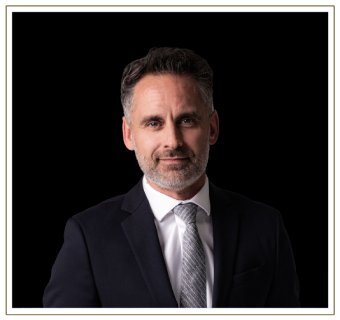
Dr. Scott Leune
Scott Leune, known as The Dental CEO, is one of the most respected voices in dental practice management. From his seminar room alone, he has helped launch over 2,000 dental startups and supported more than 20,000 dentists across practices worldwide. Named one of the 30 Most Influential People in Dentistry, Leune delivers practical, no-fluff strategies that empower dentists to lead with confidence, scale efficiently, and achieve real personal and financial success.
Watch Episode
Read Full Transcript
Vision and Preparation for a Dental Startup
So one amazing aspect about building a startup practice is that we get to build it right from the very beginning. Build it right from the very beginning means the right software, the right systems with the right team. We set everything up the right way. It's organized. It's the patient experience we want. Automation is there. We're using ai. We've got this kind of idealized environment we've created where patients will come in, say yes to treatment and refer the patients. The team will be proud of what they do in an amazing environment and the owner will be profitable and happy. That's the vision. But how do we get there? What about the weeks leading up to opening this startup? What do we do? How do we get the team ready for this? What do we training them on? What is a soft opening and what's the right way of doing it? What things do need to be set up with the team helping us right before we open the practice? That's what I really want to focus on in this episode those few weeks before we open. How can we get this perfect environment, this perfect patient experience set up and be ready so that when we've got a hard live opening date, we are strong, we are ready, we are performing, and we are successful and happy. That's what we're going to dive in on today's episode of the Dental CEO podcast.
So imagine in our startup practice, we're nearing the end of construction. The equipment's already been set up by the dental dealer. We've got a certificate of occupancy coming in, so it gives us permission to open. We've already been doing our marketing, the pre-opening marketing, we've got our website going. All those complicated things that have to happen while we're building a practice, we're nearing the end of that. We're getting excited. It's almost time to open. Now. What does this kind of setup and training and soft launch kind of look like? This phase, this pre-opening phase, that is what we need to discuss right now. I don't think anyone in dentistry has ever recorded some sort of episode on training episode on this topic, and I hope you guys listening to this find this valuable. I also hope that you get excited about building a startup because I want you to imagine what it's like to do what we're about to talk about to set up the perfect practice.
So if we have a hard open date, I want to go back a month before that, right? So if our hard open date is August 1st, for example, let's look now a month before that. July 1st. And July 1st is where we're getting the final touches done, the punch list of construction, the final things on equipment, our certificate occupancy in about three to four weeks before we open. We are hiring employees. We're hiring employees, not so that they can treat patients yet, but so that they can get trained and help us set up and organize practice. I'm going to call this kind of a two to three weeks of setup and training. And then once that happens, we'll bring on a tiny trickle of patience and we'll call that one week of a soft opening. Alright, so we'll start with the setup and training two to three weeks setup and training. What are we going to do here? Well, first, when it comes to the team, we are likely going to be staffed in a startup with one front office person, one dental assistant, plus a virtual admin person that we get through an outside organization. That virtual admin person is going to do a lot of the kind of monotonous work, the verifications and the confirmations and the processing of payments, the tasks that can be done from afar behind a desk that don't have a lot of patient interaction. The tasks that just take up time, that's going to be done by the virtual admin so that the front office person that's onsite is focused mainly on welcoming patients, presenting finances and case acceptance and making sure that the facility and the patient experience is maintained at the highest level. They are patient facing. Of course, the dental assistant is going to be doing the same thing, but clinically right, making sure that the clinical stuff is taken care of and organized and that the patient's experience and the operatory is what it should be.
So we are going to hire a front office person. We are going to hire a dental assistant both on site and then this virtual admin person, the hires that we have on site need to be the most experienced hires we can find that are likely going to be at the very highest income levels of our area. That doesn't mean they're the very best people, although that would be great, but what we're looking for now is high levels of experience because they are going to help us build and launch the practice. So I need my front office person to understand how presenting finances work. I need them to have experience in submitting claims and processing EOBs and understanding scheduling and answering phones. This is the time in our career where experience is mandatory so that we don't start creating a lot of mistakes upfront. We don't dirty up the ledger within proper financial input and things like that.
We really want to pay for experience and paying the highest rate is likely going to be a requirement, and that's okay because we're opening the practice with a ton of working capital. One reason why we have a ton of working capital is to afford at the highest pay rate the most experienced people we can find. So we are going to have the very best front office person we can find and excuse me, the most experienced front office person we could find and the most experienced dental assistant we can find. And now we've hired them and it's two or three weeks before opening and we are going to do several things during those two or three weeks. We're going to go through a series of trainings. We are going to build checklists, we're going to organize things and set things up. And so there's a lot going on and what we need to do is take those two to three weeks on a calendar and start writing down every single one of those days what we're going to accomplish.
Staffing and Training for A Successful Launch: 4 Categories
And I'm going to list out a bunch of things for you to think about. We're going to need training on the practice management software. We're going to need training on the imaging software. We're also going to need training on various other things like the clearing house, the credit card processing, the patient financing website. There's going to be kind of a list of those things we need outside training someone from the outside, a vendor helping teach us how to use this product. And of course the most important of those are likely the imaging software and the practice management software. So that's going to be component of this software training. Now aside from software training, we have another kind of training that we might refer to as practice management training. So how do we do these things that we want to do in the software? We want to answer the phone and schedule patients.
I know how to create an appointment in the software when I'm trained to do that, but how do I actually answer the phone? What words, what strategy and what kind of scheduling method are we going to use? That's practice management training. And when you think through practice management training, I want you to think kind of in this linear fashion of what creates dentistry in our schedule. It starts with marketing, getting leads. Those leads are phone calls typically. And so when does that touch our staff? Well, when the phone rings, now our staff are activated, so they're going to answer a phone. Let's get practical management training on answering the phone. Then they're going to schedule an appointment. All right, let's teach them how to do our scheduling in our way. Then we're going to have to eventually confirm that appointment and get online documents from the patient.
So now let's train on how we're going to do those confirmations and online documents. Patient shows up, we're going to greet them and welcome them to the office. Okay, let's train on how we're going to do that. We're going to then bring 'em back and have our operatory experience where we take x-rays, well what x-rays, we take images, well what images, and we're going to have this choreographed new patient experience that needs to be put on paper and trained. And from there we're going to diagnose dentistry, which has to be inputted in the chart and we are going to eventually then present finances. Okay, well what does that presentation look like on paper? What payment options we're going to offer? What words are we going to use, what strategy to get the case accepted? And then of course we're going to have to collect money.
We're going to have to create claims and process those claims and reappoint the patient into the doctor's schedule. How do we want the doctor's schedule to look and ultimately of course we're going to have to fight unpaid claims and so forth. So I want you to think through that linear kind of path that a patient takes to show up and then accept dentistry and ultimately we get paid for that dentistry and those are practice management training moments that we can put in place. Ideally, of course you've got a practice management consultant or coach that is walking you through all these moments. You've been trained yourself on the best ways to do these things. I hope you've been to of course, my practice management level one and level two events, which is very intense training on practice management, but you've got to have some sort of training because we're wanting to launch this practice, clean, strong, confidently in the right way.
Let's not assume how they did it at our associateship is the right way of doing it in your brand new practice. Let's have you get trained on how to run and manage a dental practice before you actually have to run and manage this dental practice. So you got to make sure you get the training. Now that's the second kind of training category is practice management and there's a lot of work that goes into that first training category with software. You're kind of outsourcing that to the vendors. Third category of training to think about is really the patient's experience with the practice. I'm now talking about the soft things that we need to make sure we have in place. The amenities in the lobby or the neck pillow or the blankets or the lip balm or whatnot in the operatory. If we're going to be taking an image for social media with the patient or we are going to thank them or greet them a certain way with a handshake or we're going to ask for an online review. These kind of series of touch points that improve the experience of the patient, the likability of the practice, those things need to be highly organized. They need to be listed, trained.
Also training, so the patient's experience a third category and then another category training is going to be on the clinical side. Are we going to do milling or 3D printing? Let's train on that. What labs are we going to send it to? How are we going to package everything up? How do I want the room set up? How do I want my cassettes organized? How do I want to be assisted during these procedures? Of course that's going to be ongoing, but we definitely want to have a bunch of that training done upfront so that we've kind of leveled up our dental assistant to our expectations and our vision. So training is obviously a very important and time consuming part of what we need to do before our soft opening, and that's going to be done during these two to three weeks when we've already hired people but we're not quite open yet. In doing that training, it leads us to this next thing we need to do and that is building daily checklists. So what do we need our front office person to do every day that they work? What do we need our dental assistant to do every day? For example, our dental assistant needs to unpack the shipments and clean the lab and restock the ops and run sterilization and deal with the traps and there's a whole list of things daily take off the trash that the dental assistant needs to do regardless of how many patients we see that day, these are daily tasks. The front office person has a much longer list of daily tasks because for an office person isn't in the operatory, they're literally doing daily tasks all day long. They're confirming appointments, they're verifying insurance, they're processing payments, they're submitting claims. All those tasks need to be listed into these checklists that you and your new employees create and it goes hand in hand with the training.
So once we've been through the training and know how to do the duties, then it'll be easier to now have your team create their checklists and you may not have those checklists finalized until after you've been open for a while because you may realize new things. But once those checklists are finalized, then that will lead to needing to explain how to do each item on the checklist that is building a training manual, right? So in the first month or so that you're open using a finalized checklist, your team can type out and take screenshots of how to do all those things on the checklist, and that is helping you build a long-term kind of training infrastructure for your practice. So you're going to go through, in this kind of setup weeks, you're going to go through all this training with software, practice management, patient experience, clinical training.
You're going to build checklists. What you're also going to do is organize and set things up. So labeling the tip out ends, labeling your tubs, putting the dental supplies in them, setting up the front office with all the handouts you need, your consent forms or setting up your iPad for all the documents and consent forms, connecting to your bank accounts and getting your credit card processing terminal set up and making sure we've got of course, online scheduling set up and online bill pay and email and phone and all of that stuff needs to be set up. And so there's a lot of setup work that goes in place as well, and that can take a couple days between the two of 'em of setting everything up. As long as you are leading them, you're delegating to them and you're helping them, then they should be able to get a lot of that stuff done for you. Besides setup, there's also a layer in the software that needs to be set up that I call deploying automation. So automation like what are the text messages that are going to go out to patients with your five day confirmation process, right? Every day the text messages elevate and they're getting patients to try to automatically confirm or what text messages are going to go out when someone has not accepted treatment. That's series of messages and emails that could go out or what happens if someone becomes overdue for cleaning? It should trigger text and emails to go out to the patient or what if they owe you money? You should have automated online statements go out. So this automation is very important to set up. It's something that mature practices has failed at many times. They've brought on new software such as Practice by numbers for example, or curve that has a tremendous amount of automation available to you, but just no one's gone in and set it up or updated it.
So as a startup practice, we want the software companies to walk us through and hold our hands in setting it up and setting it up with best practices because it is going to automatically grow our success without any person doing extra work for the rest of our career. So it's incredibly important that we set up that automation, we deploy it properly. Now, one very important component of a startup is managing the phone calls that are coming in correctly. And so we need to also set up AI software on the phones as well as a call scoring system so that as phone calls start coming in and our team is answering it, AI can hear what they're saying and doing and score those calls as being good or bad. We can look at the ability for our practice to convert. Are we converting enough patients or not or even answering the calls or not so important to be on top of from day one.
And so that's another component of training and setup, software setup is the phones, but I want to peel that away as its own category because that's how important it's, it's so important that I as a new practice owner would audit phone calls every single day for months after we're opened so that we can catch issues very early on and not let any sort of bad habits or missed opportunity become normal in the practice. Daily phone auditing for months, and by the way, it's frustrating because getting people to answer the phone differently is incredibly hard. You can't just train them. It's not enough. They have to be audited excessively. I kind of liken it to trying to get your teenage son to walk with better posture. Just because you tell him to do it doesn't mean he does it. You have to constantly remind, constantly do it. It's a difficult thing to change in behavior, so phone auditing is going to be a regular daily thing for a new owner in a new practice. Now after we do all that training, we've got the checklist and we've got everything set up and so forth, then it comes time to do a lot of role playing. That whole path a patient takes from phone call all the way to paying us all those moments. The practice management moments now need to be role-played live in person in the practice with our team members. And so let's do a phone call over and over and over and over again until we've mastered that call. Let's do a greeting over and over and over again until we mastered it. You might think greeting a patient when they walk in is easy. Oh, not necessarily because we're going to need to get their photo of their face.
We're going to need to see, okay, what happens if they do have the documents? What happens if they didn't send us the documents? We're going to want to make sure that we're nice and likable and we offer them a bottle of water or coffee. We need to just be very thorough and detailed in what that moment is like. That's just one example. You got to do that over and over and over again until we feel like we've mastered it. It's become muscle memory. We take 'em back to the op, let's take X-rays on each other over and over again until we've mastered it. Let's take those images, let's use our words. Let's offer the amenities over and over and over again until we've mastered it. So roleplaying can be multiple days of doing it over and over again. We should be annoyed how much we've done it so that when we're actually on the real stage, when our practice is open, we are not having to think about it so much and we're achieving a high level of success.
Executing a Soft Opening
Now think about how many patients are we going to let in the beginning because we did all this training, but it doesn't mean we're ready to go with a high volume of people testing out all this training and testing out this role playing. We really want to start out, we a limited schedule. And so during the soft launch, the week before a hard launch, we need to have a trickle, a small trickle of patients, and many times these will be friends and family, maybe one patient every two hours so that you'll see four patients in the day and you will go through, it's like practicing, but it's on real. Patients who need real treatment, who are going to really pay you probably for this treatment, right? It is live, but it needs to be a tiny volume for a good week so that you can work through the kinks that you've prepared to kind of avoid.
There's still going to happen. There's still going to be problems that happen. So we're going to have this small trickle of patients during the soft opening, hopefully friends and family, patients that will give us the benefit of the doubt. They'll give us their patients, give us their grace, and they're going to need care. And ultimately we still want to do a great job with them. Then we open. Now we're open to strangers, right? We're open. And now the expectation from our patients is that we are absolutely high quality, high level performance. We know how to run our business, we know how to treat them well. Their trust is in our hands. Now we must be an A. That's the hard opening day. And with that day, I still want you to limit your schedule. So we're going to schedule the full day, but I don't want you to schedule more than one column that's going to allow you to run behind less to deal with problems that might pop up.
It's going to allow you to convert some same day dentistry. I know you're going to have two or three ops working, but I only want you to have one column of patients with your one dental assistant. This is going to cause all of your patients to be spread out evenly throughout the day, and it's going to give you this buffer time in between patients because you're not hopping to OP two for the next patient. So you got this buffer time. That's when you convert same bay dentistry. That's when you deal with problems that popped up or additional training you have to do that is going to give you the slack you need so that you don't get hung on a high volume of patients initially. So you're going to keep it to one column until you're booked out two weeks. When you're booked out two weeks, you need to expand or you're going to start having no-show problems. So you can keep it to one column until you're booked out two weeks and then you're going to expand to two columns and be looking for that second digital assisted to hire.
Having said all of this, it's three to four weeks of work, but it's exciting. This is the first time you get to see and hear and feel your version of ideal dentistry and ideal practice management. This is the first time you get to see the dental practice you've dreamed of and not have to deal with maybe the shitty place you're coming from. So while this could sound overwhelming me listing it all out like this, it is incredibly exciting and whenever you're busy doing something exciting, it feels like you're just driving with passion. If you are busy doing something, you're not into busy for working for someone else that feels like stress, that feels like getting burnout. But when you're busy building your practice and putting all these pieces together, it's very creative, it's very fulfilling. It's a long day and you're tired, but it's not this big stress. It's not this burnout thing. It shouldn't be. This should be filled with positivity. Having done all of this stuff is going to be busy and you're going to open and you will be disappointed though in one little part of this, you spend all this money and all this time training your team, role-playing with them. You do all that work. You need to continually audit them. Doesn't go away. So you have to constantly audit these things at least for the first three months. You need to be micromanaging and heavily auditing every little thing you see in here because human nature says that your team will revert to some older way of doing it or kind of their own ideas of doing things or when they get tired, they will kind of slack a little bit. And it's not because they're bad people. That's just how we're wired.
You have to be the personal trainer in this gym of a dental practice that doesn't let your team start lifting weights with bad form. You've got to be the person managing accountability, but you must do it with grace, with patience. You must give your team the slack they need because they are not going to always be perfect. So being the manager of accountability means micromanaging all this and auditing it, but with positivity, right? You're not going to find mistakes and bring negativity, not in the beginning, not when we're just trying to learn how to ride this bike. You wouldn't put your kid on a bike and ask them to pedal when they fall down, yell at them for falling down. We would be positive and encouraging. Now, look, six months later, if your team is not doing it the way you trained and audited and they continuously do it wrong, it almost becomes a point of what is this ill intent?
Post-Opening Management and Continuous Improvement
Are they just trying to do it wrong or are they ignorant on what I need? Are they not the right person? That's different. That's different. The expectation changes once you've been open for a while. But in the beginning, we have to be okay being disappointed because our team constantly is making mistakes, but our ability to audit those and to positively encourage them is going to bring accountability. And that accountability is going to tighten this whole thing up and it's going to screw it all the way down so that this practice really will operate at that high level that we intend for it to operate at. When you put this all together, these three to four weeks before you open are really busy, but you are going to build something beautiful, the best practice you've ever been in, and that is going to give you the best support you've ever had as a dentist to be successful. And it's also going to give you the most fulfillment you've probably ever had in your career. And it's so nice to do it clean, to do it right with the modern stuff the way you want with the people you chose, that even the longest days you'll be proud of and you'll go home and you will be positive for the most part because this is a remarkable thing you're doing for your life, for your family, for your career. This is the next book you're writing for yourself, and it's a book of success.
My worry is people doing startups don't get organized about these three to four weeks. These three to four weeks before you open, kind of hit them suddenly without preparation, and they haven't sat down in the months leading up to this and written out what they want their pre four week opening period to look like. If you start on a kind of hypothetical four week calendar and say, okay, I want to do these trainings and these implementations and this checklist and automation, all that, if you start putting on a calendar months before you're opening, you have the ability to talk to the software company first and say, okay, how much time do we need for training? When should that happen? And you can start think of things like, oh, I totally forgot. We need a CareCredit set up. Let me put that on my list. Right?
You can start creating this calendar. By the time this beautiful kind of training period hits you, you're really prepared for it. I would hate to see you late in hiring people completely unorganized about what you need to get done before you open, because that will result in you opening, sloppy opening, stressed, losing potential success you could have had had you been prepared. That'll result in you having less money, not the perfect reputation. It'll result in your startup actually weighing you down at times and you second guessing yourself all because you just weren't getting ready for this test of opening. We got to study for this test. We got to prepare for it. We got to train on it to be open. We got to study for that day, that test day, and that's what this episode is about. So I hope I'm not scaring you though with the amount of work because again, it's a lot of stuff that doesn't necessarily mean it's scary.
It really is exciting. It is beautiful to build something new like this. It is why so many dentists do startups because they don't want to buy someone else's problems and they don't want to stay in the hellhole they're in right now making less money than they should, working with people they didn't pick on old equipment and software they don't necessarily like and a schedule they wish they could change, and they don't get to keep all the money, and that is not necessarily a long-term plan. So we build this startup so that we can build our wealth, we can build our life that we wanted to build, but before that startup opens, let's be on top of this. Let's get training. Let's get our team ready. Let's role play constantly audit constantly, and put together the Lego pieces so we have a beautiful result with practice management and with patient flow, patient experience, and ultimately great clinical dentistry at a high profit margin with a schedule we like.
Right? That's where we're going with this. I hope this got some of your wheels turning. I hope you wrote down some stuff that you didn't think about about. I'm really thankful by the way you guys for tuning into our podcast. It's crazy that we've become so big across the world of dentistry. It's made me very excited because it's fulfilling to know that what we talk about is valuable to people, and that at least we're one of the groups that's coming in and trying to drip great information to you as your daily habit of listening in. I want to thank you for doing that. I'm super excited about what this next year has in store for the podcast, and I'm going to keep doing my best in a very ton of variety. Different ways of talking about different topics in dentistry, super niche topics, all the way to big thinking topics, bringing some people in outside of dentistry, bringing some people in inside, and sometimes it's me talking about my experiences. Very excited about what this year has in store for us. If you haven't subscribed already, you should. You'll get automatically the next episode, drip to you. Listen to it while you go to work or while you work out. Make it a part of your weekly habit. And again, I really appreciate you listening in. Until next time, this was the Dental CEO podcast.
SUBSCRIBE TODAY
Subscribe now and receive a 25% discount code for Scott Leune’s upcoming events. Plus, get podcast episode alerts and exclusive subscriber perks.