Dental CEO Podcast Episode 57: The Age-Old Question: What Are Banks Thinking?
In a captivating episode of The Dental CEO Podcast, host Scott Leune engages with Tom Angeloni, the national sales director at Bank of America, to uncover valuable insights into the financial landscape of dental entrepreneurship. The discussion delves into various aspects of dental practice management, drawing expertise from Angeloni’s extensive banking background in healthcare. This post summarizes the conversation, aiming to enlighten dentists on the implications of financial decisions in their practice development.
Highlights
- Tom Angeloni discusses the current trends in dental startups and acquisitions, especially the impact of COVID-19 on the industry.
- Bank of America’s approach to supporting dentists through graduated payment structures and proactive financial planning.
- Insights into loan considerations for dentists looking to expand with multiple practice acquisitions.
- Discussion on the necessity of having a robust support system and realistic growth plans when scaling up dental practices.
- Angeloni emphasizes the importance of cash flow management and how Bank of America assists dentists in maintaining fiscal health.
- Advantages of starting from scratch versus acquiring existing practices and how each affects long-term financial success.
Speakers
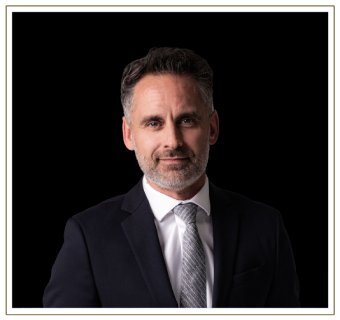
Dr. Scott Leune
Scott Leune, known as The Dental CEO, is one of the most respected voices in dental practice management. From his seminar room alone, he has helped launch over 2,000 dental startups and supported more than 20,000 dentists across practices worldwide. Named one of the 30 Most Influential People in Dentistry, Leune delivers practical, no-fluff strategies that empower dentists to lead with confidence, scale efficiently, and achieve real personal and financial success.

Tom Angeloni — National Sales Director at Bank of America
Tom Angeloni is the Regional Executive for the central United States at Bank of America, where he leads the Practice Solutions division focused on healthcare and dental practice lending.
He brings nearly 30 years of banking experience, with a dedicated focus on healthcare finance since 2004. In his role, he oversees lending strategy and relationships across the region, supporting dentists and healthcare professionals with capital for startups, acquisitions, and growth.
Tom represents one of the most active lenders in the healthcare space, known for deploying significant capital into the industry and leading the nation in dental practice financing.
Watch Episode
Read Full Transcript
Scott Leune: So the foundation of what we do in our career is one ingredient. Lending. Can we get the money to buy a practice? Can we get the money to start a practice? What about a merger? What if I want to do two startups? What if I want to do 10 practices in the next three years? Can we get the money? That's what this episode is about today. We are talking to Tom Angeloni, who is pretty high up as the National Sales Director of Bank of America. He's going to tell us what the latest trends are around startups, around acquisitions, how much are practices selling for these days? Is there a cap on how much one person can get? What are kind of the requirements we would need? How does the bank actually answer that question? Am I qualified to get practice three and four up and running now? This is a nice kind of update on dental lending. And if you are an entrepreneur in dentistry, you definitely need to listen to this episode here. My name is Scott Luna and this is the Dental CEO Podcast. All right, Tom, so thank you again for joining us. I was excited to have you come on because I feel like we need a little bit of an update in dentistry. Where are we at when it comes to loans, when it comes to startups, when it comes to acquisitions, things are going on. But before we dive into those topics, could you please let our listeners know one or two sentences about yourself? Who are you? What do you do?
Tom Angeloni: Sure. Thank you, Scott. My name's Tom Angelono. I'm the regional executive for the central part of the country for Bank of America. So I've been in banking for about 30 years, a long time, as you can see from the gray hair. And I've been in healthcare banking pretty much since about 2004. So I run the middle part of the country for Bank of America's Practice Solutions division.
Scott Leune: Now, Bank of America Practice Solutions does, as far as I believe I'm right in this statement, they do more dental loans for startups and acquisitions and I believe any other bank, at least in the United States. Is that a correct statement to make?
Tom Angeloni: That is correct. We put more capital back into the healthcare industry than any lender in the country.
Scott Leune: Obviously, you guys are incredibly well connected because one aspect of getting a loan from Bank of America is you guys also track what's going on with the practice once they get a loan. And like in a startup practice, you'll track the practice for a couple years looking at a bunch of metrics and things. All right, so I'd like to talk about some trends. Why don't we start with startups? What are some trends you're seeing on your end? I know that coming out of COVID, construction costs have gone up and there's been pressures on the bank loan amounts and how our practice is doing. What are some of the things you've seen?
Current Trends in Startup Lending & Construction Costs
Tom Angeloni: They're still doing very well. I can tell you that banks are lending very aggressively still right now in the healthcare industry. Losses are relatively low. We specifically, Bank of America, we have more startup practices under construction right now than we did at this time last year. I know we're talking startups, but that's also with established doctors, right? Doctors doing second offices and third offices. More construction projects going now than we ever did. You are right, Scott. We have seen prices go up from a construction standpoint, a little bit from an equipment standpoint, but I can tell you that the demand is really still there. We are seeing some lack of inventory with lease spaces, and especially in different pockets around the country, which to some extent drives up kind of multiple bids and drives up prices a little bit, but the buyer demand is still there.
And again, we're doing more projects with low losses and lending aggressively. You may know we increase startup loan amounts, you mentioned that, and we take that seriously. Just because construction is going up and equipment is going up, we don't just say, "Okay, we're just going to give you more money." We look at revenue curves, we look at what dentists have been doing with procedures and price per procedure, and that's how we go about saying, yes, it's the right thing to do and the market is to raise what we're lending out there because the revenue that doctors are bringing in is going up year over year. So we feel confident in lending the additional amounts that we do.
Typical Startup Loan Structure & Working Capital
Scott Leune: What's a standard kind of starting loan amount that most doctors would expect if they were doing a startup practice?
Tom Angeloni: I can tell you it varies depending on where you are in the country, but right now we're doing between about 900 and $950,000 for startup loans. And we break that up into separate categories. We have to make sure that you have enough for equipment, you have enough for construction. And just as important, we have to make sure that you have enough for working capital to take care of, being able to build your patient base, do the marketing you need. All the things that you talk about in your seminars, we need to make sure there's enough money for all the categories.
Scott Leune: Correct me if I'm wrong, but these are some of the types of things that make a dentist more lendable. I'm just going to list off a bunch of stuff and then you can let me know if I got something wrong. But a dentist that's been out of school for at least two years and they've got some history of being able to produce or at least document their production. They may have school debt, they may have some personal debt, but they've really minimized those debts earlier on before they get the loan. And that dentist will hopefully have a decent credit score and maybe has saved up five to 10% of the loan amount they're asking for. And that person, while not perfect on paper, that person becomes a highly lendable dentist. Did I get those things correct?
Tom Angeloni: Yeah, very much so. Look, the first thing we are looking at is production, right? When you get out of school, you associate for maybe a year and we're going to look at production simply to make sure that you can do the production that is average across the country. Your first year general dentist from the information we have does about between 480 to $500,000 in their first year. Now, you and I know many that have done a lot more than that. Unfortunately, there's some that haven't done that much, but first thing we're going to look at is, can you handle the production to maintain that average? And then we are looking at your debt. You mentioned student loan debt, which has been on the rise. But again, what's important to us is how you manage that debt and looking into things like income-based repayment when you first get out of school so that you can spread that debt.
You're not paying large payments, but your production, your debt, student loan debt, the credit card debt that you're carrying, all things that we look at when we're looking to approve for a startup loan.
Scott Leune: Well, before we go onto acquisitions, let me say that from my perspective, you guys have been the most aggressive here for a little while now, giving dentist what I would consider the best loans. And one thing I've noticed about your loans, and I say that because we help countless dentists every year, year in and year out, build startup practices. We've got a coaching program that we do a lot of project management work with, and we help them develop all these startups. So we see these loans and I give a personal assessment of every single loan that comes across our coaching program. What I've noticed is you guys are, well, most importantly, fully funding the need of the practice. In other words, we're well capitalized. We're not compromised in the capital. So that's one thing I've seen. I've also seen that the payment structure you have for startups, there's much smaller payments in the beginning. Sometimes no payments or interest only payments for a while
Why Bank of America’s Startup Loans Stand Out
While the practice is trying to get up and running and doesn't have a lot of extra cash to spend on loans. And then that gradually goes up to normal loan payments. I've also seen the fact that you guys have a lot of working capital earmarked for the dentist in part to help them with the soft costs and marketing. That's right. I've also noticed that, and this next one is something that dentists don't necessarily think about, but you guys are pretty darn fast at getting disbursements paid out. In other words, when the contractor needs to get paid, there's not this big delay waiting for the bank. And that's a big deal because every week delay can, in essence, cost that doctor about $2,000 in eventual rent. So that's the big deal. And the last thing I've noticed is whenever we've had clients that wanted to bring us on as a coach, you guys sometimes are able to increase the loan amount a little bit to help cover the coaching costs.
So in other words, you value consultants so much that you're willing to kind of cover that cost as well. So of me saying all these things, what thoughts are running through your mind as I kind of list off all the stuff I've been noticing?
Tom Angeloni: That's fine. Look, the first thing you were talking about is the graduated payment structure. And that is vital if we're going to put a dentist, especially a startup dentist, in the best possible position to be successful. As you know, you open a Starbucks, you walk into a Starbucks and somebody buys a cup of coffee from you, you're making money right there on that cup of coffee. But a startup dentist who for the first procedures that they perform in the beginning, until they fill that insurance pipeline, they might not see the revenue from those procedures for 90, 120 days. Again, once they get that pipeline built up, they will. But in the beginning, you don't see that revenue. So it's vital if we're going to give you the best opportunity to be successful, that we stair step your payments so that you have time to build patient base, to get the systems working that are around you, that the consultants put in place around them and really start building for success.
So the graduated payments, it's vital. You have to have that when you start up or you're not going to be in the best position for success. So that's number one. You touched also one of the things that many, many dentists, especially startup dentists, overlook when they're trying to pick a lending partner. And when I say a partner, not just for this project, but for their whole career, whether they want to be a multi-practice owner, whether they want to have one huge practice, whatever the case may be, it's really vital that you look at everything. We're very conditioned to look at rate and say, "I'm going to partner with a lender who has the lowest rate." And don't get me wrong, we absolutely understand that the competitive rate is important, but when you look at a project and you were bringing up the speed of disbursements, you have multiple disbursements and most banks are set up for what you think of as a one-time closing.
Think of a closing on a house or enclosing on a building. You go in, you sign your name a hundred times, you walk out, somebody pushes a button, money is transferred. Well, with a project, the money, the 900,000 or so that we were talking about earlier, that's dispersed over four or five, six months to multiple vendors. And if you're not quick at getting that money out and you don't have the back office and you haven't set up a structure where we can get those payments out quickly, what happens is your opening gets delayed. Could be 30 days, could be 60, could be 90 days by the time it's all said and done, and every month you're not open, there's revenue you can never get back. So that's one of the important things when you're looking at a lender that you understand that they, longevity, they have the process set up and they understand how to get those payments out quickly, keep you on track so that you're not losing revenue.
When a Startup Becomes an Asset for Practice #2
Scott Leune: Now with startups, obviously the huge benefits of startups is that for less than a million dollar loan, you can build an ideal practice in an ideal location with ideal equipment, with the staff you picked, the software you picked. And that practice can grow to three million in collections In a handful of years and I mean can have a million dollar take home, but it's a great long-term investment. The short-term drawbacks of a startup is that it's going to go through a period of where it's having to grow. It's going from losing money to then breaking even to making a little ... And ultimately, hopefully it'll make a lot of money at some point. At what point does the bank look at a startup practice and say, "I know you built a startup, but now it's successful enough that we think that's an asset to you, not a liability, and that we're willing to lend you money on practice number two." At what point does a bank start getting comfortable with that where the startup is not looked at as making them upside down and harder to lend, but is actually even breaking even or making it easier to lend to that dentist?
Tom Angeloni: It all comes down to really the cashflow when we're ready to offer money for practice number two. Most practices, you'll see them out of the red. Now this is assuming you're set up properly and your overhead is in line and whatnot, but most practices somewhere around month 12 to 18, they're out of the red, meaning that the revenue they're bringing in can pretty much cover the expenses that are going out. So that's most. It's not all, but that's most. So what we're really looking at is we want to make sure from a cashflow perspective, you're ready for office number two. We are going to look at everything. We're going to look at your revenue per operatory, per month per operatory. And we're going to look at that and say, look, is it that you don't have the patient base to put in the seats or does it have something to do with the way you're scheduling?
So we're not just going to say, okay, you've been open for a couple of years, you're doing okay, go do number two. We're going to analyze everything in the office. And if you're not doing 30,000 per month per operatory, you may not be ready for a larger space. You just have to, maybe you're not scheduling properly. So there's really not one thing, I guess, to answer your question, we definitely have to look at cashflow and make sure you can afford it. In addition to the debt of that practice, what other debt have you brought on? And if we sit that the cashflow to debt ratio is good, we're all about helping you grow. We want you to grow.
Scott Leune: So that might be one of the foundational numbers to look at. So cashflow to debt. So you're going to look at the business debt payments that a dentist has primarily probably from the startup. You're going to look at the personal debt payments the dentist has, which might be loan, car, student loans, home car, student loans, so forth. Vacation
Tom Angeloni: Homes, sure.
Scott Leune: Yeah. And we're going to add up all those debts and we're like, all right, we've got this monthly thing to pay for and how much cashflow is coming in to help cover that. And if the ratio is acceptable to you, then you're now leaning in a positive direction saying, okay, this person is at the foundation of cashflow to debt ratio, they're healthy to keep looking and seeing, okay, can we analyze everything else and does this make sense?
Tom Angeloni: And we're looking, just so you know, just to give you a specific, that's pretty common across the banking industry, not specifically Bank of Americas. We typically look for a one to a 1.2 times cashflow ratio. So to put that kind of in layman's terms, that's like we're looking for a $1.20 worth of income for every dollar worth of debt and that's pretty consistent across all banks.
Scott Leune: If I've got a hundred grand of debt payments per year, then we're looking at $120,000 of cash flow at the minimum or so. Does that make sense?
Tom Angeloni: Of income, that's right. Yeah, of income. Okay. And that's again, consistent.
Second Practice: Startup vs Acquisition & Growth Speed
Scott Leune: Yeah. And if I were to then say, okay, I want practice number two, but I want practice number two to be a startup, would that be more difficult to fund because I'm now buying an asset that doesn't have cashflow? Or is it easier to fund practice number two being an acquisition because I'm buying an asset that does have cashflow? In other words, are we looking at after the second is purchased, what this cashflow to debt ratio is?
Tom Angeloni: We are. I mean, we're always looking at that cashflow to debt ratio, but I'd say in general, yes. If you're looking to do your second and you're going to do an acquisition, it may be easier. And that's because you pointed it out, you already have revenue coming in from that practice, right? So that's going to add to that income part of that ratio that we talked about where if you're doing a startup, again, you're starting from zero on practice number two. So is it easier if you're in the right place and you're looking to purchase the right practice? It may be easier because you have the revenue. But again, we talk all day, every day about the benefits of doing a scratch startup and there's benefits to both. We can get into that if you'd like, but benefits to both. But as you grow from one to two to three, if you have revenue coming in from an existing practice, that's great.
But again, if you can cash flow and maintain those debt service ratios, we're all about lending you money for the second and the third. And as you grow, it still all stays about cashflow.
Funding Acquisitions, Upgrades, and A/R
Scott Leune: So it might be safe to say that the faster someone wants to grow, the more aggressive they want to be, an acquisition model is going to be maybe easier to fund theoretically than a fast growing startup model because we may be wanting to grow faster than the startup cashflow stabilizing. I've got a question for you. When I think of the acquisitions we've done, I kind of say you pay twice when you have an acquisition. You pay once to buy it, and then you pay another time to basically fix, correct, reset it, restaff it, resoftware it, all that kind of stuff. Sometimes though, we want to do the second cost upfront. So when we buy a practice, we already know we need to paint the walls and get some new furniture and we want to buy a CBCT with it. We want to add that pretty soon.
So how does that work? If I'm looking to do an acquisition, but I also not just want to buy the practice, I want to add some things to it at the same time. How does that fund-
Tom Angeloni: Spiff it up.
Scott Leune: Yeah.
Tom Angeloni: No, look, we see that all the time. It's just like when you buy a home, you might have plenty of furniture, but nobody wants to put old furniture in a new house. So very similar when you buy a practice. Most people haven't updated their practices right before they sold it. So whether that's equipment, whether that's furniture, whether that's decor, very often people need additional funds. Doctors need additional funds when they're doing an acquisition, and we offer that. So we'll have a margin where we'll lend over and above what the asking price is, what the sale price is, and we might tack on, depending on what's needed, and again, depending on what cash flows, we might tack on 100,000 or 50,000 or whatnot so that they can update maybe to digital if somebody's still using charts or maybe they bought a practice and there's one operatory that's not fully equipped.
So very often we're adding funds for upgrades with an acquisition.
Scott Leune: What about adding funds to buy the accounts receivable? How does that work?
Tom Angeloni: Yeah, we will add funds. Sometimes it's in the purchase price, as you probably know, that'll be discussed upfront and put in the purchase price, but other times it's not. And we'll either have a separate allocation for accounts receivables or again, we offer them enough working capital that they could use working capital if they prefer to purchase the accounts receivables.
Scott Leune: So if I've got a practice that, just for easy math, it's being sold for a million, and then I need to do another $50,000 renovations to it, I think. And I don't want to buy the accounts receivables because I don't want to mess with that whole changeover and everything. And I just
Tom Angeloni: Want
Scott Leune: To have some working capital. I might ask you for 50,000 working capital. So for this million dollar sale, I might ask for $1.1 million in loan money, 50 grand extra for working capital, 50 grand extra for updating the practice. Does that sound like something that's reasonable?
Tom Angeloni: Yes, absolutely. And again, it just comes down to can you debt service and does a cash flow, but definitely sounds reasonable.
Scott Leune: Now what I've
Tom Angeloni: Noticed
Underwriting Acquisitions & Evaluating Practice Fit
Scott Leune: In analyzing these acquisitions is never are the seller's financials well laid out and accurate. Always do we have to go in and make adjustments and calculations and try to adjust the post-sale cash flow and EBITDA and things like that. When you guys are underwriting a specific practice, are you making your own calculations and assumptions based on the seller's financials or are you open to looking at my assessment of it? How does that whole thing work?
Tom Angeloni: We're open to it. We are definitely going to, first and foremost, get the seller's financials and spend a lot of time in depth so that we can explain it to our client, to the buyer, to the new dentist. So absolutely, that's the first step, but we're also listening to the story, so to speak. You might have a seller that, and you see this probably often, Scott, you might have a seller that was getting close to retirement and they decided, "Well, guess what? I'm only going to work four days a week for this last year." And revenues drop. And that's something we're going to see, but we're also going to understand the picture. We're also going to talk to both the buyer and the seller and say, "Hey, you work five days a week for how many years and you dropped a four." So we understand that there's still opportunity there.
We're also going to go very much in depth into what procedures were performed there to make sure that the new incoming doctor, the buyer can handle those. You'd be shocked, or maybe you wouldn't be shocked at how many, say, "I want to go buy a million dollar practice," and then they realize that 500,000 of that million was done with cosmetic dentistry, yet the buyer isn't trained or very well educated in cosmetic dentistry. So somebody has to be there to say, "Look, this might not be the right practice. It's great to have a million dollar practice, but you have to be able to maintain it. " So we listen to the story, we look at the cashflow, we put it all together and make our decision.
Scott Leune: What are some trends you're seeing right now on the acquisition side? We talked about trends on the startup side. Are you
Tom Angeloni: Seeing
Scott Leune: Anything change or anything different than the past when it comes to acquisitions?
Tom Angeloni: Really, what we've been seeing in an acquisition last year in 2025 was a higher percentage, a bit higher percentage of our portfolio than startups were. But what we really see right now is a lack of quality inventory in the acquisition market. I mentioned at the beginning, we still have a lot of buyer demand, but when you have a lack of quality inventory and you have multiple bidders, that's really, we start seeing the prices and the loan to gross revenue. The prices start going up because you have four or five bidders on every practice because there's not a lot of great quality practices out there. I'll tell you that what we're seeing and what's very advantageous right now is your practice is maybe 10 or so miles outside of the major metropolitan areas. You don't get a lot of people that want to go because they don't want to live, let's say, quote, in the middle of the sticks or in the middle of nowhere, 10 miles outside of the city, but the ones that are going out there, they're doing very, very well.
There are a lot of fee for service. You have a lot more patient base and you have a lot less competition. So while we're seeing a lack of quality inventory, there's still some good inventory if you're okay with living in the country, in the more rural areas.
Scott Leune: What are you seeing right now for prices or practices? Outside of the extremes, outside of the extreme bidding wars or the extreme rural, what might be normal, whatever you call normal, a suburb of a major metropolitan area practice, what prices, what do we see?
Tom Angeloni: I'd say between 75 and 85% loan to gross revenue. So if it's a million dollar practice, 750, $850,000 is probably still the norm. Now you do have dentists that do not a lot, but you see complete renovations before they sell. They upgrade their equipment. So the equipment is not fully depreciated at that point, so you can offer more, but I'd still say you probably sit in that 75 to 85% loan to gross revenue of the practice.
Scott Leune: Now there's certain situations where a dentist is selling a practice that's highly profitable, high profit margin. And as a multiple of EBITDA or multiple of profit, we're willing to offer a large amount because it's so profitable, large amount compared to what it collects, where we may have a really profitable practice and we may be willing to offer 100% collections on it just because it's so profitable. Is that something that Bank of America also takes into consideration or is something like that past some limit that you might have?
Tom Angeloni: No, no, we do. We look at profitability for sure, and we do have 100 and excess of 100% loan to gross product, and that's what we're looking at. We're looking at all the metrics, we're looking at the overhead, which equates to profitability. So absolutely, we're willing to consider that and look at 100, maybe even up to 110% loan to the gross revenue coming in. And that's based on the profitability, how well it's run the systems you have in place, which as you know, equates to a profitable practice.
Scott Leune: What about mergers? So sometimes we want to buy a practice. Many times it's a dumpy little practice that's not very profitable at all. And we want to buy the practice and we want to pull the patient base into our home office, but leave out a bunch of the expenses. And that becomes a highly profitable thing for the person doing the merger. Is that something you guys have a specific loan product for or is that treated just like an acquisition? How do you look at that?
Tom Angeloni: Sure. We have a product in line just to buy patient records. So you're talking about you have a practice that maybe wasn't doing so great, you want to merge or purchase a different practice. We offer loans to just buy the patient base, not necessarily to buy the whole practice. So definitely something we do.
Multi-Practice Growth, Risk, and “Caps” on Lending
Scott Leune: Okay. Well, that's interesting. So what about another question here for the really entrepreneurial dentist looking to buy lots of prices, looking to start lots of practices, at some point there's got to be a point where they outgrow Bank of America. And in regards to how much money Bank of America is willing to loan to one human that could get hit by a car, there's risk there, right? There is. How do we think about that? Is there a certain limit that you guys have for just one individual?
Tom Angeloni: There's really not a limit. And some of the smaller or local regional banks, they will have a cap. Regardless if you're doing incredibly well, they don't want to put too many eggs in one basket. We are set up to handle multiple levels of growth, right? So you're one to three, three to maybe 10 and keep growing. And it really comes down to cashflow, but also as you know, the larger you get, we want to make absolutely sure that your infrastructure is in place. It's easy to go from one to two. Might even not be that difficult to go to two to three, but when you start talking about seven Then eight, 10, 12 and more, we want to look at a lot of different things. Are they too close together and they're maybe cannibalizing the patient base a little bit? But really to answer your question directly, it comes down to the cashflow, the infrastructure that you have, and are you prepared from a back office?
Do you have HR in place? Do you have a lot of things in place when you grow that you don't need for practices one to three? So we're not just going to look at any one of those things. We're not just going to say that, hey, because you can afford it, so to speak, the cashflow works. We think this is a great time. You should do two or three more. We're going to take everything into consideration. And then we have a whole multi-practice division that will lay out a plan. If somebody was to come to us and say, "Hey, we're at two now. We want to be at five by this time next year." We'll say, "Okay, here's what you need to look like, both financially, both from an infrastructure." And we're going to talk about that, develop a plan. So we really don't have a cap like some of the local or smaller banks do. At the cash flows, if we feel it's the right time, you're in the right position and you have the right structure around you, we're going to continue to grow with you.
Scott Leune: Well, what you just described is probably one of the big value adds that a bank like Bank of America brings to a dentist that they don't realize until they need it. So what I'm describing, a couple things actually. As you go from one to two to three to five to 10 and more, it starts getting very hairy, cross collateralizing entities with this and that. And well, I got to refinance that debt over there. And it's very difficult when you start outgrowing banks, very challenging. And it actually slows you down or stops you as an entrepreneur from being able
Tom Angeloni: To
Scott Leune: Keep adding location. So having a bank that's built to go down that journey with you, there's a lot of value there. But also what you mentioned, you're describing a situation where the bank is knowledgeable on the business side. The bank isn't just a bank. The bank understands the business truths and dental practice management needed to reduce risk. And so in a way, you are consulting the dentist, you're helping guide the entrepreneurial dentist on what a healthy way to go to multiple locations actually is because your knowledge base is in the industry and so you're alongside them. This is not a transaction and then you're done. No, this is an
Tom Angeloni: Ongoing
Scott Leune: Relationship. So if I have two practices and I want to have 10 in the next five years, whether that's realistic or not, you guys are going to walk me through what that needs to look like to be realistic for you. And that walking through with me is a valuable consulting moment to teach me a lot. And that's a beautiful aspect of a relationship with Bank of America specifically because of your industry expertise and how you look at responsible lending to people in dentistry.
Tom Angeloni: That is key, right? That is key. I can't tell you how many times I hear when I speak in dental schools or whatnot, "I want to buy a million dollar practice. I want a million dollar practice." I hear that over and over and over. I want to exceed a million dollar practice. And there's a huge difference between a practice producing a million dollars and a profitable practice producing a million dollars. So to your point, we're not just looking at the numbers. We're going to sit down, understand your whole picture, talk about the metrics, the overhead, what has to be in place. And yeah, just like you're saying, we're there to grow with you, not just drop you a bag of money, pat you on the back and say, "Good luck. Start paying us back." It's really the long-term picture from startup till the time you're going to get ready to sell.
How New Dentists Can Become Highly Lendable
Scott Leune: If I am a dental student in that dental class that you just gave a presentation to, and I were to ask, or I were to start wondering in my mind, how do I make myself the most lendable in the first two or three years of my career? I want to try to answer that question and I want you to correct where I screwed up. Perfect. So based on what you said now, I'm thinking, okay, new dentist, you're out now. Number one, you need to go produce. You need to find a place or places to show, to prove to a future bank that you have the ability to produce, not just the 40 grand a month, the national average, but you might want to buy a practice of high production. You need to prove that you can be that dentist that can replace the seller. So you need to go produce.
While you're producing, you need to delay buying a house, delay buying a car, delay going into additional debt because those debt payments are going to come against you. They're going to make you less lendable. So you need to do the practice before the house, go rent a house until ... And buy a practice. Don't go buy a house and then hope you can buy the practice after that. And then you need to set up an automated way that a portion of your paycheck automatically goes into some sort of savings or investment fund because the bank is going to heavily value your ability to access tens of thousands of dollars of cash if needed. It makes you less risky for the bank. While you're doing those three things, produce a lot, delay debt, put away some savings. While you're doing that, just keep paying your bills and don't screw up your credit.
And if you could do that for a couple years, you're probably going to be approved for almost any reasonable loan, any opportunity that comes across your plate. All right. Fix what I said. Did I say all of that correctly or did I forget something there?
Tom Angeloni: Yeah, there's really not a whole lot to fix there. I would say that it's not always necessary to delay buying a car or delay buying a house. What I would say is it just needs to be reasonable. A lot of times I run into some students that graduate and they're so excited and so happy and they feel like they've worked so hard and they spend so much time, they deserve the Mercedes. They deserve to buy a large house. And this just really isn't the time because to your point, the debt service there is what everyone's going to look at. So I wouldn't say that you have to take the bus and live in a one bedroom apartment and can't buy anything, but I would say if you keep it modest, the student loan payments we're not that concerned about. You get on income-based repayment, we're fine there. And if you have a moderate cost of living, you're usually going to be fine. And paying your bills, again, I wouldn't say pay so aggressively that you're spending all that liquidity, the savings that you talked about, paying your debt down, but make your payments on time, don't default in anything and you're going to be fine.
Live modestly and then build a Taj Mahal down the road once everything's going great.
Debt Strategy, Liquidity, and the “Golden Age” of Startups
Scott Leune: You bring up a good point. I think in the Dave Ramsey culture, there's this thought that says, "Hey, pay off your debt, pay it down, pay it off early, pay it as soon as you can. " But in the entrepreneurial world, that's actually a little reckless to do it that way. So let's first say in the entrepreneurial world, we don't need bad debt. So debt to buy a Ferrari is not good debt. We'll just make sure we say that. Not the beginning. But getting a whole lot of debt to fully fund your practice so much so that you've got extra working capital is very conservative, very smart. That's being very well capitalized. That is the right thing to do. If we've got ... What makes risk lower for us is if we can keep our monthly expenses down while our income is up, obviously, and we have access to liquidity. So what you just described where a dentist kept their monthly expenses reasonably low and their income was up and they bad extra cash, you said, don't feel like you need to go pay extra payments on your debt. I would agree. Absolutely do not pay down your debt faster because you lose your liquidity.
You want access to that cash. Don't volunteer to burn it on accelerated debt payments, not yet, not yet. Do that after you own the practice and you've become stable and wealthy, then you can make that decision based on taxes, based on investment returns and all kinds of other things. But before you own a business, within reason, minimize your personal debts, maximize your income and put money away in savings. You don't need to be on a ramen diet in some studio apartment next to whoever, but you definitely don't want to go buy a G Wagon with that nice teal, Tiffany Blue Interior and that whole thing. Okay. That's 100%. So as we kind of tie this all in together, what I think I hear you saying is the trends right now are that there's a lot of people looking to own a practice and there's not a lot of inventory to buy compared to the past.
And that's leading a lot of new owners and existing owners to do startups. The startup loan amounts have gone up to stay healthy in that world. And getting loan money is as simple as looking at these kinds of ratios and having responsible expenses. And you guys help a dentist understand all of that. Whether they are approved now or later, they are going to get a crash course in being a responsible person to lend money to. They are going to know from you guys, if they're not ready yet, what exactly to do over the next year or two. We'll make them super ready. Okay. Last question I have here, and I don't know if you have an answer to this, but do you guys track how profitable practices are after someone gets a loan? Are y'all tapped into that data as well?
Tom Angeloni: Yes. I mean, we're going to collect and look at the results of a practice for a few years after you get a loan. So we're going to look at what you're producing, what percentage your production is hygiene. All the metrics that you teach in your courses, we're going to look at that and then we're going to recommend. We're going to say, "Hey, look, we noticed that of your monthly production, your hygiene is in the low 20%." That number should be closer to 30% of your monthly revenue should be your hygiene. So that's just an example that, again, we're not there to give you the money and send you on your way. We're going to look, we're going to track and we're going to raise some red flags for you before it gets too late, meaning before you are looking to sell a practice or get into financial difficulty, we're going to help monitor that and recommend things to get things going back in the right direction.
Scott Leune: Have you seen any trends or do you track that at all? You may not, but do you see any trends when it comes to profitability practices today compared to the past?
Tom Angeloni: I don't know if there's ... Look, when you look at the profitability of the practice, forever, things like wages in contract labor has always been the highest overhead, and that's still the case. So nothing really different there. And then you get into difference like your laboratory fees and supplies. And as long as you have somebody, again, it comes back to having a team of good advisors around you. And as long as you have somebody saying, "Hey, your monthly supplies should be more like five to 7%, you're spending 20% or 18%." So from a metric standpoint, I don't know that the trends have changed too much. We mentioned that construction is expensive more than it ever has been. Equipment is going up. Lease spaces, the cost to lease the space has been going up definitely in some places. So those overall metrics stay the same. The trends are, again, we've seen an uptick towards real estate because lease space costs so much, it becomes difficult to find a practice that you want.
So over the last couple of years, we've seen a lot of more moving to real estate and buy the land and build the building. So if there's one increase that we've seen, I think it's the uptick in real estate over the last couple of years, but from a metric standpoint, what you're looking at has always been pretty consistent on what you want to measure month over month.
Scott Leune: From our angle, we teach dentists how to do startups. We also teach dentists how to buy practices, how to have multiple
Tom Angeloni: Practices.
Scott Leune: It's a golden age of startups. I've never seen it so good for dentists. And we are getting flooded with dentists of all ages looking to do a startup. And so much so that even we have tons of dentists flying in from Canada, from Australia, from England, and building a startup model in other countries. We had to open a date in the UK. We had to open several dates in Canada. They got sold out. It's just there's a lot of excitement around startups and rightfully so. I've never seen it so good and I've never seen it so disappointing as it is today in trying to buy a practice. It doesn't mean there's not great ones to buy. It's just, it's a little different now. It used to be you could buy great practices. Now you got to go fix what you buy. So that's a difference there.That's a different risk profile.
It's a different area those practices are located in, different profitability. So anyway, those are some of the trends, at least as a consultant, that's what we've seen on our end. Well, Tom, before we wrap this up, do you have any last thing you'd like to say to our listeners that are listening to this episode?
Tom Angeloni: Really just that we are here to educate first, right? Again, not to give you a bag of money and send you on your way. I think one thing that helps us stand out, and look, there's a lot of good healthcare specific lenders. Obviously, I'm slightly biased, but what is first and foremost for us is to educate you the loans that will come down the road. We want to make sure that you're in the right place financially, personally, and that you have the right team around you. You mentioned consultants like the programs you run. So important for startups because there's so many things. We've talked about a few of them, but so many things that come up that you just don't think about. So what I'd say is, if you're thinking about buying, if you're thinking about starting up, you can call any one of our regional business development officers in the country and we're going to start number one with educating, making sure it's the right time and to help you build that team around you so you have that team of professionals to guide you.
So education is our number one. Well,
Scott Leune: I'll add to that. There's a lot of dentists that don't know yet if they want to start. They don't know yet if they want to buy a practice. All of you should connect with a Bank of America rep. Get pre-qualified, go through an initial simple process to get an understanding of where you lie in your own personal situation with being able to get funding for a startup or an acquisition. Even if you don't know if you're ready to do a startup, spending a little bit of time and getting that information back from the bank is going to help reset how you look at your career and your timeline. And maybe you need to do some more work on it. It's going to help guide you on what to do now. So don't wait until you know you want to own a practice. Go ahead and do it now and get an assessment of how you look. All right. Well, Tom, thank you so much for coming on. It's difficult actually to bring people on with your amount of knowledge and expertise and experience in dentistry. Most of you guys are so
Tom Angeloni: Busy
Scott Leune: Doing what you do that you don't take some time out to hop on a call like this. So I appreciate you doing that for us. All of you listening, I hope this was a nice update for you guys when it comes to lending and dentistry. And maybe for some of you, this lit a fire to go ahead and take a next step in doing something. I hope that was the case. So thank you again, Tom, and thank you everyone for listening. Until next time, this was the Dental CEO Podcast.
SUBSCRIBE TODAY
Subscribe now and receive a 25% discount code for Scott Leune’s upcoming events. Plus, get podcast episode alerts and exclusive subscriber perks.