Dental CEO Podcast Episode 58: How One Procedure Changed Dr. Justin Warcup’s Life
In a recent episode of The Dental CEO Podcast, host Dr. Scott Leune engages with Dr. Justin Warcup, a seasoned pediatric dentist who shares his transformative journey in the dental industry. Dr. Warcup discusses the trials and successes he has faced while managing and expanding his dental practices. The podcast sheds light on the importance of focus, leadership, and innovative approaches to dental entrepreneurship.
Highlights
- Overview of Dr. Justin Warcup’s career from initial struggles to establishing successful practices.
- The importance of focus and specialization in pediatric dentistry and orthodontics, particularly airway treatment.
- Detailed recount of Dr. Warcup’s experience with multi-location management, including the reasons behind selling less productive locations.
- Insight into the transformative leadership and business strategies that lead to optimized operations and increased profitability.
- Discussions on work-life balance, finding mentors, and setting realistic yet ambitious goals for personal and professional development.
Speakers
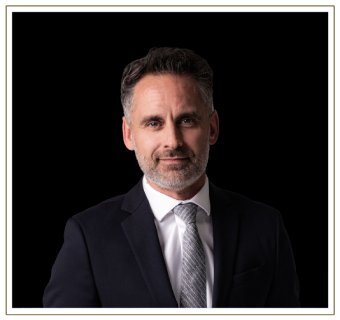
Dr. Scott Leune
Scott Leune, known as The Dental CEO, is one of the most respected voices in dental practice management. From his seminar room alone, he has helped launch over 2,000 dental startups and supported more than 20,000 dentists across practices worldwide. Named one of the 30 Most Influential People in Dentistry, Leune delivers practical, no-fluff strategies that empower dentists to lead with confidence, scale efficiently, and achieve real personal and financial success.

Dr. Justin Warcup — Pediatric Dentist, Pioneer of The BRĒTH Method™
Dr. Justin Warcup is a pediatric dentist with 14 years in practice and owner of three dental offices in the Fort Worth, Texas area. After growing his organization to four practices and approximately $6 million in collections, he made the strategic decision to refocus around pediatric dentistry, orthodontics, and early-intervention airway and sleep therapy. A longtime client of Dr. Leune’s coaching program, he is now channeling that experience into a course designed to help other dentists build and run this specialized practice model from both the clinical and business sides.
Watch Episode
Read Full Transcript
Meet Dr. Justin Warcup & Early Career Path
Scott Leune: So is it a big lie in dentistry that we could work less, make more, magically have this wonderful family life with our kids, with our spouse, and do what we want to do in life? Because that's what everyone's selling out there. Everyone's selling to us, "Hey, you can work less. You can make more. You can have this big life." Well, it's not a lie. It's a truth. And I've brought someone on today to walk us through how it became true for him. And it's not a straight line to do this. It's not a journey of everything's happy and successful. I've brought on someone I've known for a few years. He's been part of our coaching program and he's just a really good guy, Dr. Justin Warcup, and he started out having the organization he didn't want to have, had to go through a transition period of resetting things and then leaned into the framework that we teach on how to reduce your time and how to increase your money tremendously, tremendously increase your money before you decide to maybe add more locations later.
So this is going to be what I hope a very interesting episode for all of us to listen to. It might offer an example of how to have more locations as well, for those of you all thinking about more locations. And for those of you all that don't own a location yet, you're going to see yet another reason why. If you own your own location, you can build a different kind of life like Justin Workup did, and as he's going to describe here on this episode. So join me today and watch this episode, take some notes. This represents one of the paths in dentistry to become very wealthy and while working less time at the practice so that we have more time for our life, for our health, for our relationships and our family. That's what we're going to talk about today on the Dental CEO Podcast.
All right, Dr. Warkup. So thank you again for joining us. And of course, I've known you for a few years, but obviously our listeners haven't. If you could just give us a couple sentences about what you're up to now, who are you, a little bit about your personal life maybe. Could you give the listener a little bit of information?
Dr. Justin Warcup: Yeah. So I've been in practice for 14 years. I'm a pediatric dentist by specialty. I've always been intrigued with the pediatric dental and orthodontic side of things. Currently the owner of three offices. Been lucky to be a client of Dr. Lunas for a number of years that has really started to transform where we're at. Been married for 20 plus years, four crazy kids at home. Starting to feel like an old man as I got my first in college right now, but got all the way down to fourth grade, so I still got a lot of years ahead of me.
Scott Leune: Yeah. So the one in college, are they a freshman?
Dr. Justin Warcup: She's a freshman.
Scott Leune: Freshman. Yeah. So we share the oldest as a freshman. My youngest of five is in second grade. I've got a fourth grade. So I feel like we're literally on that same kind of moment of being a father, of being a husband, and being, of course, doing these entrepreneurial things. Well, let's dive into the entrepreneurial side because your story is very unique and I'd like to kind of piece it all together. And if we could start with maybe your path to get your first successful practice. You mentioned you have three right now. Let's kind of rewind a bit. Let's talk about getting to the one and what that was like.
Dr. Justin Warcup: I graduated residency in 2012 and I practiced a year in Arizona. My wife comes from long lines of dentists and they all practice there in the Arizona area and just was never home for either of us. And so was looking around trying to find a practice I wanted to buy and I found one in ... I practice a majority of my time here in Fort Worth, Texas and saw the practice and was like, "I'll never buy it. " It was falling apart, but there was a lot about certain things that I liked about it. So I bought a pediatric dental office that did a lot of ortho, got in and realized I had to really up my game quite a bit from the orthodontic side. And where I practice, I always tell people there's Fort Worth and Old Fort Worth, and I bought Old Fort Worth.
And I'm a California boy, grew up in California and you don't come into Old Fort Worth as a California kid without taking a couple licks. And yeah, I had to learn really quickly how to improve on all aspects. And the clinical side wasn't the most difficult. It was learning how to connect with people. It's an entirely fee-for-service office. And so for about the first, oh, let's see, that was 2013 through 2018, just had the single practice, was able to about double production during that time, saw a pretty significant dip as we were a really old practice on year two and then started growing year three, tried to bring on a business partner as we were looking to expand, that failed miserably and had a lot of learning experiences with that.
And then COVID hit and right around the same time we bought our second practice and very quickly we're able to take that from performing roughly around 600 to 1.2. And I think I got a little overconfident in what my skillset really was. And we ended up buying practices three and four, and again, they started doing really, really well. And then we had a freeze here in Fort Worth and we had a major flood and that flood turned into lawsuits. And so there's a lot of stories that we could go into, but long of the short, during all that, I realized my areas where I hid, one, I hid from who I needed to be to be the true leader in the practices and offices. And it was easier sometimes to hide than it was to really put in the work that was necessary to be successful.
And that was about the same time we joined with you and we were able to do a lot of cost cutting. But the best thing through some of the failures and the scars and the things that didn't work out great was I was able to reset and find out what my focus was. Because here I had on the outside, everybody's looking at me like, "Oh, he's got four practices and it looks sexy, but I was making less money than I was when I had just the single practice." And I had to look at that and say, "Okay, what do I need to do to actually become not just a successful dentist, but a successful businessman and entrepreneur?"
Hitting the Wall with Four Practices & Realizing the Problem
Scott Leune: Yeah. So it sounds like you took what I call the unfortunate traditional approach to multiple locations where we're successful in one and we go add another and we add another and we add another. And you are not changing necessarily your role that much. So when you add locations, you end up either having locations that are without you. So they're like absentee run without you, or they're locations that are relying on you and stretching you to the point where you might break. And those are the traditional ways dentists add locations when they're successful in one, they do it again and now they're spread between two and then they do it again. Now they're spread between three. They do it again and they can't get to number four. And now that one's kind of off on its own. And at some point they look at themselves and like, "I am working so much harder and I'm not making much more money, if any, and I just feel like other things in my life are now kind of suffering." Did I describe your story there in those words?
Dr. Justin Warcup: Yeah, I don't know if you remember. So we went to your Business Mastery and you shared that story and I came and then you talked about your coaching and I came up to you at the break and I said, "I'll be your next customer." Because I realized that was exactly who I was at the time. And I wasn't happier. I wasn't having the success that I would've hoped and thought. And I realized that I was the roadblock to success and I needed to learn how to change quickly. And that was the moment you're exactly right.
Scott Leune: And so when you had the four, collection wise, you just kind of add all that up, what kind of size was your organization at that time?
Dr. Justin Warcup: We were about six million in collections.
Scott Leune: Did you have multiple providers?
Dr. Justin Warcup: We did. We had four providers, one really at each location and then an orthodontist.
Scott Leune: They weren't all four in Fort Worth, were they? You had one or two that were in Dallas, is that correct?
Dr. Justin Warcup: Correct. So I'd say our furthest from my flagship office was about a little over an hour from my house, a little over an hour.
Scott Leune: Yeah. Okay. And so you had the one, you bought it, it was almost in some ways kind of a dumpy practice, an old Fort Worth that had a lot of ortho and you went in there and you doubled it and were very successful in those five years. And then you added a second, it doubled, you added a third, you added a fourth, COVID hit, the flood hit, lawsuits hit, and you find yourself at my seminar and this kind of represented maybe now the next notch on your timeline of your career journey, you kind of had a reset of priorities. So walk us through how that played out. So you mentioned, for example, you mentioned cost cutting. I also know that earlier you said you have three practices today, but you had four. So walk us through this kind of reset. How did you think about what are the kinds of things you did?
Reset Phase: Cost Cutting, Focus, and Shedding Locations
Dr. Justin Warcup: We've been working with you for ... We're just entering year three. I think for those listening, sometimes probably the best thing I've learned from you is being very methodical and clinical about the decision and the process and going through it and not rushing that process. So the first year we spent a lot of time organizing all the behind the scenes, the back office, getting rid of all the waste. We found with the four offices that we had at that time, we were wasting almost over $300,000 a year and just waste, poor ordering, surplus. We didn't have certain fees and things that we were credit card fees, all those. And so that allowed us to reset things financially there. But then as we went into year two, we were at one of your seminars and you asked all of us who were there, "What is the one thing that you could do if you put all your focus on that you could 10X your life?" And I realized at the time that I was so scattered over so many things that I wasn't focused on anything.
I was just surviving and nothing was successful. And so at that seminar, I sat there for the first little bit saying, "Do I have something?" And I realized it was something that had been kind of burning in my mind for quite a while, but I wasn't willing to put the work to cut ties and accept the loss of not having certain things be successful. And so step one was getting rid of one practice. And we're actually in the process of probably cutting the second here pretty soon or a second in maintaining the two. And we're really trying to hyper focus exactly who we are and not ... And we were trying to be everything to everybody and we were knowing to nobody and especially to ourselves. And so we have really focused our attention on the pediatric dentistry, the orthodontics and early intervention airway treatment. And we're just beginning to tap into that. And our projections for this year, I didn't think we would be able to do that. And what I'm finding is I'm at the point now where actually owning one office would be far more financially successful even with the thoughts of maybe selling to a DSO someday if I wanted to, I would get a better evaluation out of my single practice than I would having four and the headache of four.
Current Leadership & Operational Challenges
Scott Leune: Yeah. Okay. So man, let's go through this. So in the beginning with four, there was cost cutting, but the cost cutting wasn't compromising. It wasn't laying off good people. It wasn't cutting something away you needed. It was finding these moments of waste in the budget and how the practices were run and recognizing them and solving those little problems like stopping that leakage. And that was hundreds of thousands of dollars of profit per year that you found. Then also in kind of restructuring all your financials and looking at the locations a little bit differently, it's very apparent that some of your locations were more headache than profit and some were more profit than headache. And so you made this kind of, I'd call it a courageous decision to sell. The location was more headache than profit and courageous because we had these expectations that we put inside of our heads that if we don't meet them, it almost feels like we're doing something wrong or we're failing.
To sell wasn't an expectation you had. You had the expectation of buying this and maybe even adding more to it, but now you've got to reset and you're like, so you're going to sell that location and maybe even another one. And you mentioned this focus now and you realized you were doing sleep therapy on children that you love to do that I know brings a huge life change to families and is also very profitable and you had never really leaned all the way into that. You were kind of doing everything across all the locations. And so you decided we're going to lean into that. Now, let's talk about that a bit. Before you made the decision, I'm going to lean in to sleep therapy for kids, approximately how many cases were you doing before you leaned into it?
Leaning into Pediatric Airway/Sleep Therapy & Financial Upside
Dr. Justin Warcup: Very few. I mean, maybe one a month, two a month, kind of just dabbling in it a little bit as I had brought on a full-time orthodontist, so not a lot to where we really haven't fully even rolled out our full marketing plan that we have implemented and with the help of somebody like yourself who's seen this done in different industries and organizations taught us how to actually be successful with it. And so we've been averaging about 13 a month right now is our average, and we expect that to probably double before the years end on a monthly basis.
Scott Leune: So you were getting one a month, then you leaned in and we kind of helped you structure how to think about that, how to market that. And you're not even done rolling that out yet, but already from the efforts you've put in place, it went from one a month to 13 a month. That's a massive difference. And you think that'll go to 25 or more by the end of the year. I'm curious, financially speaking, when you do these cases on these kids and boy do they need it and boy, they get a great result and the families are static. Financially speaking, how much is that case to the business? So what do you collect on a typical case?
Dr. Justin Warcup: The average is about 4,000. Again, I'm starting as young as three years of age, all the way up to about 8,000.
Scott Leune: So four to 8,000, so if I just split the difference there and say 6,000, you added an extra 12 cases per month right now. And so that is almost $900,000 a year, and you think that'll double, that'll go almost to two million a year from just the one focus of leaning in. And of that $6,000 average case size, approximately what amount of that is your added cost? I'm not talking about the regular cost of running your business that you're already paid for, like your rent you already paid for, your staff you're already paid for. But when you go add one of these cases in an empty chair, what costs are you adding? About how much does that add up to, like a materials cost or lab costs?
Dr. Justin Warcup: Yeah, I mean, really we have lab costs of expanders, which I'd say on the average case would be about $500. The more comprehensive skeletal expansive cases, about a thousand. And you hit the nail on the head, and that's one of the things you said at the seminar is what your options are, you could go start a bunch of businesses or you could bring everybody in your business to take care of all the other things that you have, still be profitable, and then hyper-focus on one specific thing that now, because overhead is completely paid for, it's all profit. And the lights just finally went on for me. And I realized not only could I be more financially successful, I've been able to completely adjust my time where now two days a week, I don't start till 8:30 and I finish at 3:00, I get to drop my kids off at school, I get to pick them up. And now not only am I making more financially, but I have a lifestyle that I could do this forever and I enjoy it. I love it. I have a life where I can go to the gym in the morning with my son because we normally start at 7:00 AM.That's when we start seeing patients. And it's on multiple levels that this change has really changed my life in many ways.
The “Sweet Spot”: More Money, Less Time, and Future Expansion Plan
Scott Leune: Okay. So I'm going to get into the nitty-gritty here for the listeners here. So in case you're doing the math, $6,000 case after lab costs, and let's just add some more costs for materials and things, there's about a thousand dollars of cost, right? So there's a net of 5,000 left over. Where does that $5,000 go? Well, with you, Dr. Workup, you've got other dentists, you've got other dentistry that are covering the bills of your facility, covering the bills of your staff. Everything in your practice is paid for, you're able to add these cases without adding an office manager, without adding internet service costs or rent or anything like that. You're using an existing practice that has already been paid for by the other dentistry. So this $5,000 net that you're adding goes right to you personally, potentially. And if we're talking about doing 24 or 25 cases a month at some point, that's almost like $1.4 million a year in take home pay from working these few days a week doing this type of case you love.
And that doesn't include the profitability of the practice that you have without these cases. So without these cases, your practice can be profitable as well. And what you are describing is actually the journey that we teach of how to have multiple locations. You start with your one and you as an owner find a procedure or a list of procedures you can lean into that are higher dollar and you grow your one so that there's other providers helping pay for the costs of the one so that your bigger procedures are nearly all extra money, all profit. They didn't take extra rent, they didn't take extra staff. And once that happens, you could theoretically work a part-time schedule, never have to cover a hygiene exam again, for example. And then when you go add location two, it picks up more of those big procedures and you've got all this, because you're only working part-time, you've got this other time to go establish the culture and establish the team and lead them in location two.
And then you add location three, same thing. And location four, same thing. And typically by the fourth location, this owner dentist who's actually kind of like a pseudo specialist inside of their group might be working a half a day a week at each location, hypothetically speaking, doing clinical procedures, the bigger cases, and maybe working a half a day a week at each location, doing kind of general management tasks and overseeing their office managers. That half day and half day combined might look like show up at 9:00 AM and leave at 2:00 or 2:30. And so they're spending like 9:00 to 2:30, four days a week, one at each location per week, doing some big cases and some management. And now that way of having four locations is incredibly lucrative because each location breaks even without the pseudo specialist owner. So when the owner comes in with their two hands and provides bigger cases, almost all that money becomes more profit for the owner.
Now, that is not the path you followed, but you've kind of eliminated one or two of the locations that were more headache and profit. And now you've reset what you're leaning into. You're going deep into sleep therapy for kids, seeing huge success already. And you mentioned your take home pay has allowed you to kind of have a domino effect of positivity in your life. So I'm assuming this is the most money you've ever made in your career. Is that correct?
Dr. Justin Warcup: Correct.
Scott Leune: Okay. And so you mentioned now, instead of working at 7:00 AM every day, you're dropping your kids off at school, you're working out with your son, you're picking them up. I almost, correct me if I'm wrong here, but I get a sense when I talk to dentist that a lot of dentists are looking to get out of the clinical side of dentistry, but I don't believe it's because they don't want the clinical side of dentistry. I believe it's just their only thing they can think of to get out of the stress of dentistry. And they think, okay, if I have a lot of locations, then I could still have the money without the stress, but more locations adds a lot more stress and it doesn't necessarily add a lot more money. And you've kind of put something together now in your life where you are able to do enough outside of work and work is small enough that you could sustain that forever and it makes enough money that you'll be good forever.
In other words, it's a sweet spot. Did I describe that correctly?
Dr. Justin Warcup: Correct. Yeah, absolutely.
Scott Leune: Okay. So now you're in this sweet spot where you're making more money than you've ever made and you've got maybe more freedom than you've ever had. What do you think the next five years look like?
Dr. Justin Warcup: Yeah. So David Lopez, who's one of the individuals who you work with in your group, you kind of basically talked about what we worked with him and that was, what is our competitive advantage? And what made us fail previously was we had no competitive advantage over anybody else in the area and we just hung up a shingle and we always like to think that we're different, but we really weren't. For me, I would like for the next two years to hyper focus on the competitive advantage and absolutely perfect and maximize everything that we have here at our current two offices. And then I would like to revisit at that point expanding again. But when we have our systems defined, our marketing defined, our competitive advantage defined, we're currently also developing a course to be able to teach other dentists how to do this, not just how to do the clinical side.
I think there's a lot of courses where they talk about the clinical, but how to put the pieces together so that other individuals can not follow my same pathway and have to make all the mistakes to finally find their competitive advantage. And so those are my current focuses, but I would say within the five years, we would like to start owning and opening up more locations.
Scott Leune: So that's very interesting because if you do it this way that you've described, you're not adding more locations while you're still trying to build enough money and you're compromising your time at home. No, you're adding locations after you've already perfected your time at home and after you've already made more money than you've ever made, now adding a location can be done in a very responsible way. And every time, Dr. Warkup, you add a location, you're adding another population base that needs sleep therapy for kids. And so it will just speed up how much you can pull away from all other things and have just focus in this. It'll speed up how much you could raise your fees by to be higher and represent how much demand there is for you. And obviously with all that time available to run your company and all this profit you're generating, the risk of adding a location is a lot different than adding one when you're stretched thin and when there's not a lot of profit.
And so ultimately, you're probably going to be better at adding locations now than you used to be. And that will ultimately, of course, build your net worth as an entrepreneur. I've got a question for you. There's kind of this wave, this new wave happening in dentistry that I don't necessarily like. I do appreciate aspects of it, but this thought that says, "Hey guys, quit setting the bar so high with how much money you want to make dentists." How about you just be happy with how much you make now because you will ruin your life trying to make more. And so just be happy with what you have now and get in shape and have a healthy relationship at home. That's kind of this new wave. I don't know if you've seen it, but that's a kind of new wave out there. And I look at that and I get where they're coming from, but I think there's a huge flaw in it as well.
I'm curious, you've had this transition. What's your response to the thought that says, quit trying to set the bar so high because you can ruin your life that way. Just be happy with what you've always had and we'll get and go focus on your relationships and your health. What's your thought on that?
Dr. Justin Warcup: I think that works for some people. For me, a lot of it, sure, we provide a service and we take financial risks. So there has to be some type of financial reward to go and do what we're doing and what we're trying to do. But for me, it's really about trying to become my very best self. I've never felt in competition with anybody else. I feel like every day it's looking myself in the mirror and say, am I using all the talents and gifts that God gave me? And am I able to reach as many people as possible to ... And I just got done with a case where we finished the airway treatment and this dad, he's a police officer here in Fort Worth, big, heavyset individual, very, very manly man, and he just held at his hand and he had tears in his eyes.
He's like, "My son's a whole different person since we did treatment." That's the difference. That's why for me, that's why we're driving is we get to create more More of those. We get to help other dentists create a lifestyle so they don't have to go through all the same mistakes that we did. And that's why we're going to train other doctors with the type of treatment that we do. And so I think that works for some, but I think for me, what I'm searching for is peace actually. And the peace with myself and who I am, the peace to be able to provide financial stability for my family, the peace that I can look myself in the mirror and say, I became and used every talent that God gave me to become the best individual possible.
Scott Leune: Yeah, that's so well said. This wave happening, people saying, "Well, just be happy with what you have. You don't need to set the bar higher." I kind of see that as giving up and trying to find a smart, thoughtful way to be more successful. So they're like, "Focus on getting healthy, focus on having great relationships, but give up on doing the smart thing for your career. Just be happy with where it's at because they're making this false assumption that says to make more money, you must compromise the other things." What you've done is you have made more money while growing the other things. And they're kind of connected because as you make more money, you're able to have more choice and freedom in your schedule and who you work with and the things you buy and the things that you surround your career with, the types of risks or opportunities you take.
All of that is you're in a position of strength when you have more money. And so you've found a way to make more money while reducing time and you've reinvested the save time into health and relationships with your family. So they're kind of all connected. So I love the fact that we have a podcast episode with you on it because for all of those dentists out there that have been believing you can't take home a million dollars or more a year, you can. You can take home way more than that. And it doesn't mean compromising. So don't believe the people that say, "Oh, don't shoot high for your career, but it's not worth it. " No, no, it is. If you do it well, if you do it the right way, if you do it the wrong way, it's always bad doing the wrong thing.
Being really good at doing the wrong thing is always a bad result. But Justin, you've done it the right way. You've leaned into where you're passionate, what makes a difference for people, what makes you a lot of money. And as you've done that, you've created time freedom for your health and for your family. And it's almost like you've become this wise, mature version of yourself now with this kind almost what I deem like this kind of elegant patience that says, "This is our long-term plan. This is what we're doing. So we're going to do this and we're going to lean in. We're going to double the cases. And when things are stable, we're going to look at adding another location." There's no reckless rush to it. This kind of calm ... Is that how you see it? Am I judging you the correct way right now?
Is that how you feel about it?
Dr. Justin Warcup: I think you're being a little kind. I've definitely gained some scars through, and I think we all do in going through our career. As you talked about, there were physical things that happened to you as you had to then pivot and switch. And we go through times that are difficult and gut wrenching. I wish I would've had a mentor like you from the start because I wouldn't have wasted so many years, but I probably was too much of a knucklehead at the time that I had to go through some of those hard years to realize that what's important is the process in doing it correctly to really get what we want. And you hit the nail on the head. I had a roommate in college, his dad was a big time CEO in the DC area and he took the month of August off every year.
And my wife and I have always had a mantra that we want August off and we've never been able to do that, but it was we wanted to be able to have that time with the family that nothing was going to be on the schedule. And that was always what I was working for, but I was whack-a-moleing everything, thinking that working more was going to get me there and it got me further away from that. And so as I repivoted and looked and said, okay, if the goal is to have a really close family that we can enjoy one another's company and have the time to be available, then I'm going to cut out everything that is a distraction and everything that's wasteful and then we're going to hyper-focus. And really with your team's help, I probably would've taken about another five to seven years to maybe get there, but the guidance of which step to take. And there were so many times David would say, "Justin, don't worry about that. Yeah, let's focus here. Just stay focused." And because it's so easy to try to start running again, like you said, where let's go faster. And he just said, "You've got to put the right pieces in place." And I needed that. I needed that person who'd done it multiple times to say, "You're on the right track, do it in the proper order and it will all work out. " And we're finally really starting to see those fruits.
Scott Leune: You use a term that so many people use, and I have a request for you. I have a request that you never use this word again, but you replace it with a new one. And I'm saying it to myself as well. I need to follow my own advice. That word is scars. We have these scars. I want us to replace it with we've built these muscles because all these, what we might call bad things or mistakes or traumas or whatever the stresses, all that really has done is built a new muscle in our body that we're able to lift that weight in a different way next time. We're able to handle that kind of moment differently now. Now that we've got the wisdom of the first experience, we've built the muscle of wisdom that we can now handle it a lot differently. And I think if we say to each other there's scars, it's almost like they're traumas we need to stay away from. But if we think of them as muscle, and maybe no one gives a shit about what I'm saying right now, but if we think of them as muscle, it's almost like, oh no, no, we've got confidence and strength because we had that. Because we had that scenario happen to us, because you've owned practice three and four that weren't worth owning yet because the pieces weren't in place the proper way. Because you have that muscle, you now have the strength to put the pieces in place and you have the patience to wait for practice three and four at the right time. And that's a huge deal. Those aren't scars. Those are muscles. Does that make sense?
Dr. Justin Warcup: Absolutely. Yeah.
Scott Leune: Okay. So here we are now, the four kids, they're going to college, they're just starting college. You've got a couple days off, you're trying to grow the sleep side. Talk about, if we can though, just the struggles of running the practices on top of this, because it's always hard. So what are some of your challenges you have right now in running your organization? Even though you're seeing more success financially than you've ever had, there's the other side of this coin that says, "Well, things aren't perfect either." So what are those challenges you see right now?
Dr. Justin Warcup: Yeah, I mentioned at the start of, I think the biggest area where I needed to teach muscles to grow was not hiding anymore, not being ... Sometimes it's easier to just go do another filling as opposed to have the hard conversation. And sometimes that conversation's with yourself, sometimes with another staff member. But one of the things that you kind of helped our team learn was having metrics and checklists and holding people strictly accountable to those and not being afraid to say no. With one of our practices right now, they're frustrated because they missed a bonus by $200, but that's our system. And if we give there, then we're going to give elsewhere and we have to set up boundaries so that you can come in and work every day and have consistency. And so the hardest thing for me was relearning that I had to be willing to go learn how to become a leader.
And I had to learn how to look at all my flaws in my own personality of what I do well, what I don't, and finding what I don't do well, who can I bring on as part of my team and part of my leadership team, and how can I train them to become strong in the areas where maybe I'm not naturally the best at, and then I can focus on my strengths. And then as we've done that, and as we've worked with Heather, one of your more CEO coaches, she's really helped us in that aspect of becoming an organization who though may not be the size of a DSO, but functions like one, meaning we have proper meeting structures and schedules so that we are staying on top of things so we have less things falling through the cracks. It becomes at the start overwhelming.
And I think that's why you teach at the start, we're going to pick one thing a month to get and to learn because we even started and we got to the end of the year and we realized, man, we started all those things, but then they all fell apart because we didn't have an accountability structure. And so we had to go back and say, "Okay, we still have holes there." And as the more we get into it and the more we tighten those nuts and bolts all the way down, the less I'm feeling like those holes are reopening. And if we're having to revisit them, they're little tweaks as opposed to having to go back and almost retrain everything over again. And it's a process. Listen, like I said, we're in year three and I feel like we're just beginning to really finally turn a corner.
And for a while, the first year was great. You cut all this, $300,000 in waste, it's exhilarating, but then you kind of get into the meat of it and you kind of are proverbially looking at yourself naked in the mirror and saying, "I don't really like what I see." And you're having to go just like when you're out of shape and you go to the gym and at first it sucks, it's the same concept. And once you get enough time and you start to see the changes, it really becomes exhilarating just like getting physically healthy becomes exhilarating.
Scott Leune: Yeah. Man, what wisdom there? Because I'll tell you in my decades of coaching people, there's a group of people that drop off after, I don't know, maybe a year or so. And it's so unfortunate because in the first year there's a lot of just kind of cleanup and cost cutting and there's extra profit there. And after that first year, it kind of starts to get to the deeper layers where the easy stuff, the quick fixes were all kind of done. And now we got to go deeper into what's the problem, why is it still a problem? And the why, the answer to why almost always has as a part of it, how we lead, how we lead the organization. So the fact that you've had the grit to stick with the process is going to pay off tremendously not just for you financially, but I'm sure you already are, but you're going to be so proud of what y'all have done and what your people have done.
And you're going to value those key people maybe even more than you ever have because they were alongside you in this journey of kind of reinventing the company. So it's unfortunate that sometimes people drop off after a year because they basically start missing out on all that good stuff. They just got the superficial stuff done. Well, we need to wrap this up a bit, but I'd love to kind of end this with, if you could give an entrepreneurial dentist some advice, they may not have a location, they may not own their own business, but they've wanted to, or maybe they own one, or maybe they own a couple that are struggling, but all of them are in a position where they just know they're not making as much money as they want and need, and they don't have as much life freedom as they wish they could. So they're short on the money and they're short on the life. Whatever the situation that is for them, I would love for you to give, if you could, putting you on the spot here, but give some advice to that dentist that's finding themselves in that position.
Advice to Entrepreneurial Dentists & Closing
Dr. Justin Warcup: Yeah. People always said the same thing. The problem is it's harder in today's world with podcasts, but you need mentors, but you need real mentors. Anybody can pick up a mic and start a podcast and sound like they know what they're talking about. But what I realized is that I was listening to a lot of those things and chasing shiny things, what other people were quote unquote doing, and I tried other consultants before, but there was a difference in somebody like yourself who they had done it multiple times. And it wasn't just like a, "Oh yeah, I heard of that. " It was, "No, no, no, I've seen this. I went through this problem. This is what we did exactly as Stepwise to change it. " And they say you're a mix of the five people you spend the most time with, and there's just a lot of truth to that.
And you have to find people who you want to emulate and look up to. That may not be that I'm going to become a Scott Luna in 200 practices, but what I liked about what drew me to your program was more of who you were as an individual of it's an uncompromise that you have two dates a night with your spouse or two dates a week with your spouse. It was the person, not the business owner because the business owner didn't compromise on the family values, but the business owner helped create that family ability to have the amazing family that you have. And so that's why I jumped on it because I found somebody who I said, "I want to have a family lifestyle like that, and right now I'm not there yet." And so I would just say, mentors, you got to find people who you can go and sometimes have really hard, gritty conversations and they can tell you what you need to hear, but not what you want to hear.
Scott Leune: Yeah. Wow. Thank you for saying that. I really appreciate the kind words. I didn't know you were going to say that. When I look at you and your strengths now and the muscles you've built, one is that you've got a better ability than most to step outside of yourself and look at the situation with a healthy look. You're not being skewed by ego or expectations as much as a lot of us are. And so that's allowed you to be self-aware, I think. What you did is you crossed the line in what made sense for you. You were past that. You found a way to have mentorship, a way to have knowledge, and then you leaned in and kind of went through phases. You did kind of low disruption stuff first of cost cutting and fixing some pain points. Then you went a little deeper and in the depth of that, you realized, okay, we need to upgrade how we lead. And you kind of kept adding and adding to that. And while you were doing that, you leaned into what made you money and brought you some passion. And so as you took on the work of restructuring the business, you gained the benefit of the money and the passion, and that gave you the confidence to free up your time, which you're still doing. You're still on that journey, but you're now on a journey that says you can have August and May off. You definitely make enough money to take August and May and December off right now. You do, so you could, and that's the journey you're on. And maybe that means sell a practice that you should own anymore. That's not a failure. That's just part of the story. Or maybe it means delay adding more practices because if you're still working on whatever it might be, checklists and audits and a marketing plan for sleep and so forth.
But now you're in a journey that is feeding your life. And so there's no rush to get past it. There's no race to recklessly add more locations now because the journey itself, well, it's not always easy, the journey is fueling your life though. So there's no rush to add or compromise where you're at now and add more risk to go do the next shiny thing.You've kind of got yourself in this very stable moment and you still want to grow. You still want to keep moving, but you could potentially stop. You could potentially stay here for the rest of your career and you will be wealthy with time for your life if you just stayed right here. You don't actually even have to get more successful. And that's a beautiful place to be. And I think that is what we, in dentistry, most of us are striving for.
We don't know how to get there. We think it's this or that or adding more or selling this. We don't know quite how to get there, but you have solved the riddle in your way. Higher income with less time as you grow and fix your company. And when you feel that is healthy and stable enough, then you may expand. And that's a very wise way of doing it. Okay, awesome. So Dr. Justin Warcup in old Fort Worth and also in Dallas, thank you so much for kind of being open and sharing your journey. Not a lot of dentists talk like this and are open and honest about the good and the bad and the ugly with their career. So you doing so for everyone else to benefit from is just a huge gift. So thank you for doing that. And those of you all listening in, I hope this was an interesting episode for you guys.
I'd like to bring on more dentists into the Dental CEO podcast. And so be listening for that. Of course, subscribe if you haven't subscribed already, but because we're dropping episodes every single week like this. All right, everyone, Dr. Justin Warcup and everyone else listening, thank you so much. This was the Dental CEO Podcast.
SUBSCRIBE TODAY
Subscribe now and receive a 25% discount code for Scott Leune’s upcoming events. Plus, get podcast episode alerts and exclusive subscriber perks.