Dental CEO Podcast Episode 59: Stop Doing Dentistry for Free
In this engaging episode of The Dental CEO Podcast, host Scott Leune welcomes Brad Titensor of Dental Warranty to discuss the significant benefits and operational insights of implementing a dental warranty program in practices. This comprehensive session delves into the financial and relational advantages that such programs can offer, particularly in practices operating with associates or multiple locations.
Highlights
- Introduction of Brad Titensor, a key player from Dental Warranty.
- Discussion on the risks and burdens of redo procedures without a warranty program.
- Financial benefits of integrating a dental warranty, including profit increase and cost savings.
- Explanation of how dental warranties can improve patient relations and decrease stress for dental practitioners.
- The effectiveness of warranty programs in preventing financial losses from redo procedures.
- Strategies to implement dental warranties smoothly and increase patient acceptance rates.
Speakers
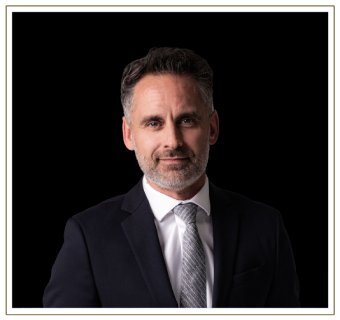
Dr. Scott Leune
Scott Leune, known as The Dental CEO, is one of the most respected voices in dental practice management. From his seminar room alone, he has helped launch over 2,000 dental startups and supported more than 20,000 dentists across practices worldwide. Named one of the 30 Most Influential People in Dentistry, Leune delivers practical, no-fluff strategies that empower dentists to lead with confidence, scale efficiently, and achieve real personal and financial success.

Brad Titensor — Sales Director - Dental Warranty
Brad Titensor is a partner at Dental Warranty, a nationwide program that helps dental practices formally stand behind their work through a structured, insurance-backed protection plan. Brad’s focus is on helping practices move away from informal, costly redos and toward a consistent, profitable warranty system. He and his team support offices through dedicated success coaches who provide training, scripting, and role-playing to help teams present the program with confidence. Brad is also an active voice in dental forums and Facebook groups, where he works to address common challenges around patient mobility, treatment longevity, and how practices can continue to serve patients long after they’ve left the chair.
Watch Episode
Read Full Transcript
So what are you going to do when you place an implant on a patient and they smoke and the implant fails? And now you've got to put a new implant in, you got to do new restoration. Patient's looking at you like, "Are you going to charge me again?" You're looking at them like, "How am I going to charge you again?" And insurance is not going to pay again. And it's just a mess. Redos. They're a mess. You do something on a patient, they move across the country and then a new dentist says something failed and now what? You going to pay the new dentist? It's a mess. You ever gotten a lawsuit threat because of failed dentistry? You have associates diagnosing redo dentistry. Now you got to pay them out of your pocket to redo something. It's a mess. Do you have a warranty program in your practice?
No. Yeah, you do. It's called, we're going to do it for free and just take it. It's the shittiest plan you can have. We're just going to redo stuff and just do it for free because we don't want to lose you the patient. And that's the topic of today. How can we put a real warranty program in a practice? Let's do the math. Let's figure out how to implement it. What do we say to a patient? When do we present it? And ultimately, what's the profitability and what's it like with our relationship with our team and with our patient, especially when something fails. That's what we're talking about today on the Dental CEO Podcast. All right, everyone. So thank you again for joining us today. And Brad, if you could, because I bet not only have people heard of this kind of thing we're going to talk about today, but they for sure haven't met you.
So could you, for a sentence or two, kind of introduce yourself, let us know who you are and what you do?
Introducing Dental Warranty and the Six‑Year Protection Concept
Brad Titensor: Yeah. So I'm Brad Titensor. I'm with Dental Warranty and we partner with practices just to enhance the way that they stand behind their dental treatment. So what it is, it's really a six-year protection plan that they provide their patients, covers them where they go. No matter what happens, patients are covered and then we would pay the practice to replace it. All
Scott Leune: Right. So we're going to dive in because I'll tell you, I ask people at the seminar, you've actually been to a seminar where I've asked this. I ask everyone, who here has a warranty program in their practice? And no one raises their hand. And I say, "Oh, really? Oh, you don't have a warranty program." If you place a couple fillings and they fall out in 12 months, what do you do? And then they all say, "Well, we replace it. " And I asked you, "Do you charge a patient?" They say, "No, we replace it for free." And I was like, "Ah, well, that's a warranty program." That's just a really shitty one.
Brad Titensor: Correct.
Scott Leune: You're basically replacing things that fail. You've got this uncomfortable moment where you're looking at the patient, they're looking at you, you're like, "Did you cause this? " Patient's like, "Are you going to charge me again?" And then it was your dentistry that failed for whatever reason. At the end of the day, we got to redo it so often we're just not getting paid and the cost of this shows up nowhere. It's not on a P&L. There's no category that says cost of all the redos you did that you didn't get paid for. So people are oblivious to what this actually is. So I've got all these bullet points I want to talk about here on this episode because this episode might be the first time someone's being taught what exactly an official insurance-backed warranty program is in a dental practice. So let's dive in. All right, so Brad, so you said this is a six-year policy.
So if I do dentistry and that dentistry had a warranty on it, if my dentistry fails in the next six years, then what? What happens?
How the Six‑Year Warranty Works, UCR Reimbursement, and No‑Fault Coverage
Brad Titensor: Yeah, so patients come right back to the practice. You as the dentists get to be the hero, take care of the patient, give them the care they need. There's none of those awkward conversations on who's paying what. They're taken care of. And then the practice would file a claim and then we would pay that practice up to the original treatment value to replace it. So if it was a crown that broke, we'd send you a check for that original fee for that crown.
Scott Leune: Well, let's get really specific. Let's say my cash fee is a thousand bucks. I'm just easy math. My terrible delta fee is 850. Patient was on Delta. They paid 850. Well, they didn't pay a fee. Delta paid a little, patient paid a little ... Delta paid 400, patient paid 450. You with me? So $1,000 UCR fee, 850 delta fee, delta paid 400, patient paid 450. Crown failed at year 5.9. I redo it at year 5.9. How much do I get?
Brad Titensor: Yeah, so one of the best parts about this is it's completely separate than insurance. So how this works is patients are going to buy the warranty from the practice based off of your UCR fee. Doesn't matter if they're cash paying, if they have a discounted rate, they're buying the warranty based off the UCR value. And we collect a percentage of that. Yo guys will keep a percentage of that as a practice, so it is profitable. And then we'll back and track that patient up to that original UCR fee. So even if it was a year later and insurance isn't going to touch it just because their insurance, we're still sending the doctor a check for that original UCR fee for replacement.
Scott Leune: So the example I said where a thousand was my UCR fee and 850 was the delta fee and I collected 850. If this crown fails at year 5.9 and I redo it, patient's paying nothing for the redo. I'm not sending out a claim or anything for the redo to Delta. I'm sending a claim to you guys and you are going to pay me a thousand, my UCR fee. Is that correct?
Brad Titensor: That's correct.
Scott Leune: Okay. So it's a six-year warranty. And what about if the patient caused the problem? Does that change anything?
Brad Titensor: It's never the patient's fault. You know that. It's always the doctor's fault. I tell you what, the amount of things that soft bread breaks is unreal. So yeah, so it's a no-fault coverage. So if the patient gets decay five years later, if they bite on a popcorn kernel, sports injury, even a bar fight, all of that's covered. They come right back in and get the care they need.
Scott Leune: So if I place an implant in a patient and they start smoking against my recommendation and that implant fails at year three and it was covered under a warranty, I can go back in and place an implant again and get paid full UCR fee for that redo. Is that correct?
Brad Titensor: Yeah. So as long as that treatment had a positive prognosis to begin with and patients, even if they went through chemo or any other kind of medical issue and they were doing their part coming in for hygiene, things like that, then yes, that would be covered. Absolutely. I mean,
Coverage When Patients Move, Specialists, and Changing Treatment Plans
Scott Leune: I've got so many more questions. So we know now it's a six-year policy and we know that when we do the redo, we're paid our UCR fee. What if we didn't do the redo? What if I did a crown on a patient and they moved across the country somewhere else and some dentist looked at them and the crown broke in half and now that dentist has got to do the redo, but the crown was covered under the warranty. Is it only when I'm the dentist or will the new dentist get paid? So
Brad Titensor: That's actually a great point. So it actually follows the patient wherever they go. So I'm on all these different Facebook forums and dental forms and all these dentists are saying, "Hey, this patient that I love just moved or they're traveling, this happened." Who can help them out? In those situations, those patients are covered. They can go to any dentist anywhere. They don't have to go to a dental warranty providing practice. It could be any doctor anywhere and we'll pay that retreating dentist.
Scott Leune: I've had to deal with this. I'm sure some of us listening to this episode as well where a patient moved away and something apparently failed and you don't know. And now then the treating doctor, the patient wants you to pay the doctor and it's like the doctor charges a different fee. And it's like you don't even know if you should believe it. And the patient, you almost feel like there's this underlying lawsuit threat if you don't do something. It's just all a lot of stress. And so what I'm hearing now is, no, if that patient moves, then whatever that UCR fee was that we originally had when we did that restoration, if some other dentist has to redo it within six years, it was the tooth, that restoration on that patient that is insured. So any other dentist redoing it will get paid by you guys.
Brad Titensor: Yeah. And kind of the message to the patient is that they do amazing work and they stand by and work even beyond the walls of their practice. Another big part of this is, let's say they did a root canal and a couple years later, now the patient needs a retreat, they have to send to an endodontist. That's always an awkward spot too. What does the dentist do in that situation? What does the patient do? What does the surgeon or the endodontist do? Yeah. So now the patient could go to the endo practice and then we will pay that practice to go towards that retreat.
Scott Leune: Wow. And I mean, yeah, that's another kind of ... I mean, there's all these little stress points we deal with as owners and as dentists. So if I've got to refer a failed case to a specialist, whatever my UCR fee was of the failed case will now get paid towards whatever the specialist has to do next. What about a situation where we did, let's say we did an endo buildup crown that failed and ultimately the patient needs an implant. So we're not redoing the endo buildup crown, we're having to kind of change the treatment to something more expensive. What happens if the endo buildup crown was covered by the warranty, but the patient now needs an implant?
Brad Titensor: Yeah. So take dental warranty out of it. That is a big issue for the practice because the patient's invested a lot of money into that buildup post and crown and now they have to either pay all out of pocket again for an implant. All that money's just gone. So now they can use their warranty they had on all that previous treatment to go towards the extraction, the implant, really whatever the doctor prescribes next is what they can use that initial investment to go towards.
Scott Leune: Wow. So everything, it's more than what they paid. They may have paid for 60% of the endo buildup crown, PPO fees. Now, if they had to redo it or replace it with an implant, we are going to get 100% of the UCR fees budgeted toward the replacement therapy. So the extraction, potentially bone graft and the implant and the implant crown and so forth. 100% of the UCR fees of the original endobuildup crown will be credited towards the next set of treatment to fix this situation. Did I say that correctly?
Brad Titensor: Yeah, absolutely. Now again, put yourself as that individual dentist in their shoes to have that conversation now is a whole lot easier because now you can say, "Hey, it looks like this tooth, it's time to go. " Good news. All that money that you initially spent on this treatment, we're actually going to apply it toward your next treatment. So it's a lot easier to help patients move forward with the right treatment versus delay or even just maybe go a whole different route because they can't afford it.
What's Covered vs. Not Covered (Primary Teeth, Ortho, Lost Appliances, All‑on‑X, Cosmetics)
Scott Leune: Yeah. So in this particular example, let's say it was $2,500 originally PPO fees and it would've been 3,500 UCR. I'm just making something up. Patient paid half. So let's say the patient paid 1,250. We did the endo buildup crown, got the rest from insurance, and then it fails. And now we get to say, "Well, patient, you'd paid 1250, but this is covered by a warranty. You were going to get a $3,500 amount budgeted towards the surgery that you need." Basically, UCR fees- Can
Brad Titensor: You imagine the case acceptance on that one, right?
Scott Leune: Yeah. Yeah. A whole different vibe in the room then it's not covered now, whose fault is it? Am I going to have to be out of pocket as an owner? That's a really expensive out- of-pocket thing. Is this a lawsuit? Is this potentially going to turn into a lawsuit? If I do try to make the patient responsible for anything, maybe the patient's going to now sue me because not only do they don't want to pay and now they think I'm at fault and it's just the whole thing can kind of snowball into something I don't want to snowball. But if I start with, it was covered, you paid 1,250 towards this, you're going to be credited $3,500 towards a surgery you now need since you've had a complication and now you need something more. That's a whole different conversation. And it didn't cost me the owner anything.
Maybe that's also something important to point out. So it follows the patient. It's six years. It replaces whatever needs to be redone at UCR fees and it will even apply towards further replacement treatment if needed. What does it not cover? I think I heard that this is not for primary teeth and this is not for orthodontics, right? Did I say that correctly?
Brad Titensor: Yes, you're correct, Scott. So yeah, the rule of thumb is if the treatment's designed to last long term, so any permanent restorative or cosmetic treatment that can break down or fail, then we can warranty that. Just a few things that would not be eligible for a claim. So we try to be very transparent. So the practice should know exactly what is and what is not covered even before they touch the patient, but we don't cover if they lose something. So a denture, a night guard, we don't know if they want three different dentures to rotate throughout the years. Having said that, if the patient steps on it, the dog gets to it, gets ran over, we hear so many crazy stories on our end, all that's covered. We just want to see a picture of the evidence of that appliance that got destroyed.
Scott Leune: Well, that's fair because you're trying to basically cut down on fraud, even patient fraud. Yeah.
Brad Titensor: And that's an easy one to tell the patient too. So when you deliver that denture, say, "Hey, Mr.Patient, here's the denture. We've used an amazing lab. It's going to last you a very, very long time." In fact, we also provide a six-year protection plan on it. So if it gets damaged, it gets stepped on, melted, broken, whatever it is, that's all covered. Just don't lose it. And that's something that, again, patients are used to with any kind of protection plans or warranties, usually when it comes to lost, and that's just not eligible.
Scott Leune: Okay. And of course, you can't cover an extraction. I can't redo an extraction.
Brad Titensor: Right. It's funny. I get asked that quite a bit. It's pretty funny.
Scott Leune: Okay. But what you can cover is maybe some of the most complex, expensive, complicated, high-risk dentistry there is today, and that would be an all- on-four case or all on X case. So patient needs four or five implants per arch, full arch of high dollar, big kind of work, lab work. I mean, 20, 30, $40,000 worth of dentistry. Is that covered?
Brad Titensor: Yeah, absolutely. This is kind of a fun one because I get asked several times a day, "Do we back and warranty those?" And the answer is yes. And that's a big one, I think, because that's putting a lot of pressure on dentists as well. They're saying I've got my first couple big cases coming in. I do a lot of these. Replacing a filling on my own here and there is one thing, but there's a lot involved here. And not only that, but on their sites, when they talk to the patients about these big cases, these are 30, 40, 70, $80,000 cases. Patients are asking a lot more questions. "Well, how long is going to last? What happens if I move or travel? Will insurance cover it? What happens if it breaks or fails? "And to not have a clear answer to those is a big issue.
That's a big investment for the patient. You need to have something that's concrete for those patients.
Scott Leune: Well, and right under that category would be extensive cosmetic dentistry. People grinding at night, breaking things, opening things with their teeth. Did so much work, spent so much money to have beautiful dentistry done. And now we're just going to be in the back of our mind subconsciously worrying about if something's going to break, are we going to get a call on a Sunday, have to go in and redo a case and pay for it and deal with the patient being upset and all that kind of stuff. So all of that is covered. Okay. Let's go through the math on this. So you mentioned that obviously there's a cost to the warranty and dental warranty, you guys charge the practice to have this warranty, but the practice charges a patient and there's a profit margin made there. So could you kind of walk me through that math?
Pricing, Profit Margins, and Presenting the Warranty to Patients
Brad Titensor: Yeah, so we keep it real simple. So patients would buy the warranty based off a percentage of the office fee, the UCR fee. So they've got the flexibility of what that amount is. So they'll charge anywhere from 10 to 15% of that UCR fee. The dental warranty fee that we collect at the end of the day is just 10%. So again, if they're charging patients 15%, practice keeps 5% in profit just for offering it. We collect our 10% and then the patient's backed up to that original full fee.
Scott Leune: So in a thousand dollar worth of fee, practice might charge anywhere from 100 to 150 bucks to have this comprehensive warranty program on that restoration and the practice will have to pay you from that $1,000 fee, 10%, 100 bucks. So they'll charge the patient 100, 150 bucks, they'll have to pay 100 bucks. So it'll either be just a pass through to the patient or some profit made. And I would imagine the vast majority of practices have some profit made just for the fact they've got to set it all up, do all the work, and submit the claim at some point, and they're making some profit for managing the hassle of it. Is that correct?
Brad Titensor: Yeah. So every once in a while we have some practices that want to just charge 10%, and that's fine. We always recommend marking that up. What's been interesting is whether you charge 15% or 12%, that's not really the difference maker. It's more about how it's presented. And we've got offices that charge 15% that get 90 plus percent of their patients buying it just because of the way they built it in and the way that they present it.
Scott Leune: Well, let's talk about that. So how do we present this? Because we're in an age where everyone asks you if you want a warranty with that. And most people like myself say no to most warranties. I say yes to my kid's Apple protection plan. Oh my God, thank God I say yes to that. I literally had a phone stolen two weeks ago from one kid and a phone lost from another kid and a phone broken from another one all within the last two weeks. So thank God I have that. But how do we present this to a patient? Even a patient that might be skeptical about warranties to begin with, how do we present this?
Brad Titensor: Yeah. So this is used to actually help with case acceptance, to give your patients better experience, just a better service, and really compliment the dentistry. So it's not like you're at Best Buy, you're walking out the door and they say, "Hey, for 999, buy a warranty." That's not the way to do it. In fact, I'll give you kind of an example. So you'd say, "Hey, Mr. Patient, here's the crown and buildup the doctor recommends. We've got one of the best dentists around. They do tons of CE. They use best labs and techniques and materials. It's very, very long." In fact, we also include a six-year protection plan. So heaven forbid, if you have some sort of accident, decay, bone loss, anything happens even outside of our doctor's control, we've got you fully taken care of not only here, but wherever you go. Here's what your dental insurance is going to save and here's your total that includes your coverage for today.
So it's a very easy way to set expectations and add that value to help with case acceptance. And yeah, so it's just kind of a seamless, easy way to do it, build it right into the treatment plan.
Scott Leune: So what I noticed you say is step one was, here's what you need. And step two was, you've got a damn good dentist and here's why they're really good. And then step three was, in fact, we offer a six-year protection plan so that step four, if anything ever goes wrong with this, whether it's your fault or whether it's here where we live or whether you move across the country, you're protected if something has to be redone on this tooth. And then step five was, here's how much all of your treatment costs. And that bundled approach of presenting the dollars is now not only including the buildup in the crown, but also the warranty costs as well. It's all bundled in there. Here's how much all of your treatment is cost cost. Did I say that correctly?
Brad Titensor: Yeah. And in fact, we've learned a lot going to your courses as well as far as presenting treatment and financial arrangements and really simplify it down and kind of having a simplified treatment plan instead of these thousand numbers and options, just bundling it in and keeping it very simple and offering patients what they need.
Scott Leune: So some people are going to be like, "Okay." And then some people are going to be like, "Oh, what's this? Wait, wait, what's the protection planning?What's the warranty thing? I don't know if I want that. " And then what did we say after that?
Brad Titensor: Yeah. So first of all, when we presented the way we train, that question doesn't come up often at all. If it does, perfect. It gives you another chance to then explain and set expectations with that patient. So especially if that patient had insurance, you can say, "Hey, with your dental benefit, you have a discounted rate on this crown. Now there's a frequency limitation. So for the next five, six, eight years, you're kind of on your own. That's why we provide this protection plan to help bridge that gap because we know we do great work, but once you leave the office, if something happens unexpected, you're here today because something, you broke what God gave you. So if anything else happens to it, we want to make sure you're covered not only here, but wherever you go, because dental insurance is not going to help out.
Scott Leune: And the patient might be paying out of pocket, let's just say 500 bucks for the crown, but if they break it, they're going to have to come out of pocket like 1,200 bucks, hypothetically, if we don't go do it for free. So what you're saying is, look, patient, you need this crown, but your insurance is not going to cover it if something breaks. And if something breaks, it's going to be very expensive for you because you're not going to have coverage. It costs up $1200. It could be almost three times as much as what you are having to pay today. So this is why we need a six-year protection plan so that if you did break it, opening something with your teeth or whatever, that you don't get hit with this huge cost. That's kind of the strategy you guys are using.
Handling Declines, Documentation, and Shifting Expectations
Brad Titensor: Absolutely. And one of the benefits too is by proactively building this and having these conversations with each patient, first of all, you never know who values that peace of mind, who's going to want it, who's going to need it. But secondary, even if the patient opts out, let's say they say," Yeah, I know what, I don't want it. "No big deal. No cost to them, no cost to the practice, but now you've had this conversation. And so four years down the road, they are chewing on ice or eating popcorn, something happens, they get decay, and they're not just expecting you to free that point because you've opted out of coverage. You
Scott Leune: Mentioned
Brad Titensor: Apparel.
Scott Leune: They declined the protection plan. We have record now they have declined it.
Brad Titensor: Exactly. Yeah.
Scott Leune: What's interesting about this is everyone else's shitty warranty program where they just do everything for free and redo whatever, no questions asked basically. I'm going to redo it for free until who knows when. What you're describing is the majority of patients are going to say yes and actually value us for it. And those that say no, we now have a reason to point at as to why they must pay if it does fail at year four. Oh man, as you probably remember, you declined coverage for this to protect this. So you're going to be responsible for the cost of replacing this. Or we might be nice to say," Well, we'll pick up half the cost, we'll split the cost with you, or we'll just pay for the whole thing. "But we're now getting credit for being nice because they decline coverage. It's not our expectation to just give it away for free.
It's a very subtle difference that has a massive impact, I think.
Brad Titensor: Yeah, that's a really great point because I think you kind of mentioned the thing as secondary. They say no, fine. Some offices, what they'll do is they'll say," Okay, just so you're aware, for the first six months, for the first year, we'll provide protection on any kind of material failure. But if you have trauma or accident, inpatient damage, that's not covered. "So you're having that conversation. And then later on, even if they said no, I've had doctors say," What I'll do is I'll say, okay, what I could do is I'll give you a discount, but you have to buy a protection plan on this next one because we're not doing this again. "But yeah, that's the idea is to avoid conflict. You mentioned AppleCare earlier, if they offer you AppleCare on that iPad or phone and you say no, later on if you have to replace it, you're not expecting it, but you're also not mad at Apple, you're mad at yourself for not getting it.
And most of the time you get it second time around.
Scott Leun: Yeah, it really does put you in a position of power whereas up until now, we've always been in position of weakness with this. And the vast majority of times when something fails with us good dentists, we've done our best to do right to the patient and it fails. It wasn't our fault. It was just a normal expected complication or it was a patient that acted out in some way, yet we are burdened with the stress of it, we're burdened with the cost of it, we're burdened with the time of it and we damage our relationship with the patient and we lose all the way. So this seems like a really cool way to peel away some of the stress, add profit, give a benefit to the patient as well. It just solves some problems here. I'd like to know what to expect financially from this.
So if I'm a typical practice, let's say I'm not a huge practice, but I'm a decent size. Let's say we collect a million bucks a year, and of that million bucks, 800 grand is restorative, 200 grand is hygiene. And what would I expect if I'm a decent implementer of a dental warranty program, what would I expect? Of the 800 grand of restorative, would I get like 500 of it on warranty? Or what do you think? I'm going to do some math here. I'm going to pull up my phone. What would we get?
Financial Impact Modeling and Associate‑Driven Practices
Brad Titensor: Yeah, so on average, as long as the office just implements this and presents it the way we train, you should see a little over half the patients buying this when giving the option.
Scott Leune: Okay. So I'm going to get 480,000, 60%. I'm going to get 480,000 on warranty and I will have, let's say I charge 15% for that and I have to pay 10. So I will net 5%, which is $24,000 profit. Then, so I'm going to write that down. I'm making 24,000 profit on this hypothetical million dollar practice, right? 24,000 profit on the sale of the warranty itself. Then of my 800 grand, I'm going to have approximately 4% of it fail. And when it fails, approximately 60% of that's going to be covered by warranty and I'm going to get UCR fees, which may be 50% more than I got. So doing the math, I'm getting another 29,000 in payments. So when I add 24 plus 29, I'm getting $53,000 of profit compared to doing it for free. This 53,000, assuming I'm the dentist and I'm the owner dentist doing it, I don't have to pay an associate to do it, this 53,000 is all profit.
Is that a reasonable number? When I say 53,000, is that a normal number that you might find in this situation?
Brad Titensor: Yeah, absolutely. And what's great about this is that number only gets bigger because all of that 500,000 protected treatment, they're covered for the next six years. So five and a half years later, there's opportunities for those patients to come back in and get taken care of. So that number just grows and grows. But in fact, I just ran some numbers on a one office here right before I jumped on. And just this last 12 months, $86,596. And that's for just offering the warranty consistently and then the claims they're being paid out on.
Scott Leune: And so for those of you, entrepreneurial dentists that have associates, this is good for both you and the associate. Now, first of all, I don't know if there's science that will back my statement here, but from my experiences, having had so many associates, I swear associate dentists like to diagnose more redos than owner dentists. I don't know if it's because the last dentist isn't in the office anymore. It's easy for them to diagnose. I don't know if it's because patients say yes, right? Now they're the hero or they just don't think their dentistry is as ugly as the other ... I have no idea, but I just noticed associate-driven practices seem to have an uptick in redos. And what we're describing here is now when there is a redo, my associate gets to get paid on UCR fees to redo it. That's good for them.
And I, the owner am profiting some from the redo. I got to pay my associate, whatever, 30%, so I'm getting the rest as the owner, and I'm also profiting from the sale of the warranty that I do not have to pay an associate on. So back to that example, we used a million dollar practice, had 24 grand in warranty profits, 29 grand in redo profits or claims profits. I'll call them redo Profits, right? So 24 grand of warranty, 29 grand of redo profits. If this is an associate driven practice, the 24 grand of warranty profits is still for the owner. That's EBITDA.That's a lot. That's 2.4%.That's more than half my supply budget for the year. That's a lot. And then of the 29 grand of redo profits, 10 will go to the associate and 19 will go to the owner. I still end up with 43,000 EBITDA from this.
That is a significant thing. That is significant. 43,000 is 4.3% increase in my EBITDA margin on an associate-driven practice by implementing this while improving the relationship with the patient and protecting their dentistry. It's although based on the assumption that patients will say yes, but if they say no, we haven't lost anything. We're back to the shitty warranty program we do with everyone. And if they say yes, which you said most patients should say yes. If they say yes, then this is the math. If 60% of them say yes, I just did the math for 60%. God, if 90% say yes, it's even better. If only 15% say yes, it's better than the shitty program we all have today. I don't see what the risk is. What am I missing? Where's the catch? Where's the risk? Because in dentistry, there's so many times we think there's something good and then around the corner there's, oh, okay, that's what it is.
Now we get the catch. What's the catch here, Brad?
Perception, Patient Peace of Mind, and Training Teams to Present the Plan
Brad Titensor: It's funny. I think the biggest concern dentists have is how is this going to make them look or how it's going to make their work sound or feel free up for the patient? Is this going to make them look cheap or their work not going to last? And it's the opposite. There is a reason why you mentioned Apple, again, these billion dollar companies are providing some sort of proactive protection on their product or service. You can't book a flight nowadays without saying yes or no to protect my trip. They're doing this because there's so much data that backs peace of mind and protection and assuring the consumer that they'll be taken care of if something goes awry. And that's the idea is to use this to compliment the dentist. And I get it, it's their craftsmanship, it's their pride and their joy. And they knew they did great work and their work never fails.
Again, it's not about that. It's about providing a better experience, a better service for your patients and letting them know that you've got their back again, no matter what life sends their way. Well,
Scott Leune: What stands out to me is what we get our team to say. The product's built to work. We've got nothing to lose with the product. The product has all this benefit. UCR fees, it travels with the patient, it gets applied not just to redos, but to new treatment needed instead of the old treatment. It covers even high risk stuff like All On Four and cosmetic dentistry. I mean, it's six years long. The product is wonderful, but I think it comes down to how do we say it? How do we present it? How do I get a team to say the right thing? Is that something you guys help with?
Brad Titensor: Oh, it is. Yeah. So we provide all the training. We work with a lot of practice management consultants, use a lot of your coaching on overall treatment acceptance. And so each office that we work with has a designated success coach. They'll do trainings with the team to go over that proven verbiage, scripting. We'll do role playing with the practices. Sometimes it's just a few tweaks that make all the difference. But our goal is to make lives easier, not only for the dentist and for the patient, but also for those team members. It's not fun being that team member that has to answer that phone call or the patient walks in with their tooth in their hand to now be the middleman calling the insurance, the lab, talking to the doctor. What kind of mood is the doctor in? How are we going to handle this?
Am I have to upset the patient? That's a huge distraction and a headache. So if we can just shift that kind of effort to putting it on front when presenting the treatment, it's very, very simple. The key is keeping it consistent and keeping it simple.
Track Record, Owner Pain Points, and Why Scott Promotes Dental Warranty
Scott Leune: How long have you guys been doing this in dentistry?
Brad Titensor: So about three weeks. It's going well. So it's been a little over 15 years now.
Scott Leune: 15
Brad Titensor: Years. All across the country.
Scott Leune: Yeah. You guys are veterans now at this. And I remember using you guys, it had to be more than a decade ago in all of my practices. And at the time I was associate, I had a lot of practices, a lot of associates, and I had to pay an associate to redo work from another dentist that was no longer in our practice. It just killed profit. If you think about it, if you're going to have 4% of your redos and you got to pay associates on that after taxes, you might be like one to one and a half percent of your collections. And there's some months there's not a lot of percent collections that are profit. And the redos, it's a big hit. It's just another bleeding point that an owner has in an associate-driven model. So this solves that bleeding point in a very big way.
It goes from being a bleeding point to a profit point, which is a big deal. Also, it gets rid of the arguing with the associate. I remember
A case where one associate said we needed to redo, patient didn't want to pay for it. The other associate was still in the practice and he said, "No, I don't want to pay for it out of mind. Let me redo it. " And the patient was like, "Well, I don't want him redoing it. " And it's just a mess. Just like that stuff, that stress we got to deal with was just a mess. And it's a lot easier when you just figure out the money. When nothing costs money and people just make money, it's a lot easier to then do what people want and do what the patient's asking. And so that's another aspect of this that I wish I had this in the very beginning, but that's why I was a heavy user of it. And that's why you guys have been invited to my events and that's why I invited you on the podcast.
I don't want to make my podcast necessarily about talking about a company or product. I try my best to not do that, but every now and then we need to talk about something that people don't know about. And people don't know about this. People don't know about dental warranties, protection plans on the dentistry. And so I felt like it was worth the risk and bring you on. I'm so glad I did. Brad, before we wrap this up, is there anything that we've missed we haven't gone over? Anything else you'd like to say to the audience?
Brad Titensor: Again, you mentioned most offices are having some sort of in- house warranty now, but it sucks. I've been on calls with dentists and the office manager and the office manager said, "No, we have a warranty. We don't need this. " And the dentist, they actually got an argument. The dentist's like, "No, it's coming out of my pocket. Do you want to pay for it? " And so even if you have a small percentage that do buy the warranty, what's great about this is now the dentist getting paid, they can now help more patients that might need it. It just eliminates so much stress and friction. And again, that's something that we do recommend just to build something. Even you don't partner with us, create your own in- house plan. We've got some tools and ideas on how to best do that as well, but yeah, happy to help what we can.
Scott Leune: And even in the scenario where the team's bad at implementing this and you only have whatever, 20% of your patient base accept this, you have leverage with the rest, you have leverage, you have the denial of protection that you can then say. It's like, well, you denied coverage for this and now it broke, which means it's $1,500. I've talked to the doctor, he's agreed to just split the cost with you, but if we split the cost with you and do it again, we need to put a protection on the new one. And now suddenly we're getting paid again. So it gives us that leverage to have a conversation in another way. Otherwise, we just got a bullseye on our head from the patient just ready to shoot us because something went wrong and they get to act like it's not their fault and it's not their responsibility.
All right. Well, I really appreciate, Brad. I really appreciate you coming on and explaining to us about this specific strategy and dentistry and owners of practices. I really hope you took some notes, but especially those of you that have associates, those of you that have multiple locations, it almost becomes irresponsible of you to not learn more about something like this and implement it because of how profitable this is for you as an entrepreneurial dentist and how much it protects not just you financially from redos, but also in a way it protects your relationship with the patient and with your associate dentist. So this is a big deal in my opinion. All right, Brad. Thank you so much for coming on everyone else. Thank you so much for listening in. We've got a lot more episodes coming up. Of course, every week we drop a new one and we've got some dentists we're interviewing, some very successful people.We've got some experts as well in AI, just a lot of things coming up. So be sure to subscribe and we do appreciate your support. This was the CEO ... Excuse me, let me say that again. We could edit that. This was the Dental CEO Podcast, and my name is Scott Leune. Thank you again.

SUBSCRIBE TODAY
Subscribe now and receive a 25% discount code for Scott Leune’s upcoming events. Plus, get podcast episode alerts and exclusive subscriber perks.