Dental CEO Podcast Episode 60: How Dr. Kye Williams Built a Fee for Service Powerhouse
In a riveting episode of The Dental CEO Podcast, Dr. Kye Williams shares his journey and insights on establishing a successful dental startup. With practical advice and personal anecdotes, Dr. Williams provides a roadmap for dentists aspiring to venture into business ownership and creates a compelling narrative about the independence and profitability that comes with being out of network.
Highlights
- Dr. Kye Williams reveals why he chose to start his own dental practice out of network, bypassing traditional in-network constraints to focus on quality patient care and better financial returns.
- The discussion sheds light on the importance of effective marketing, patient experience, and innovative business practices in scaling a startup to achieve over $3 million in collections by the third year.
- Williams stresses the importance of hiring and nurturing the right team, preferring a passionate staff over experienced but potentially inflexible employees.
- Insights into the financial benefits of owning a practice are discussed, where Williams hints at a substantial increase in take-home pay compared to his previous associate positions.
- The episode also tackles the broader implications of business ownership in dentistry, including the autonomy it provides in clinical decision-making and patient care standards.
Speakers
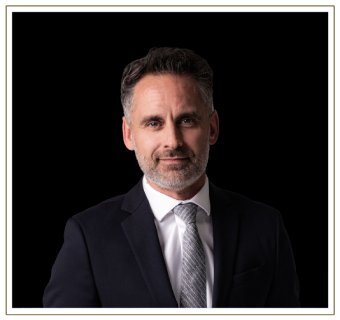
Dr. Scott Leune
Scott Leune, known as The Dental CEO, is one of the most respected voices in dental practice management. From his seminar room alone, he has helped launch over 2,000 dental startups and supported more than 20,000 dentists across practices worldwide. Named one of the 30 Most Influential People in Dentistry, Leune delivers practical, no-fluff strategies that empower dentists to lead with confidence, scale efficiently, and achieve real personal and financial success.
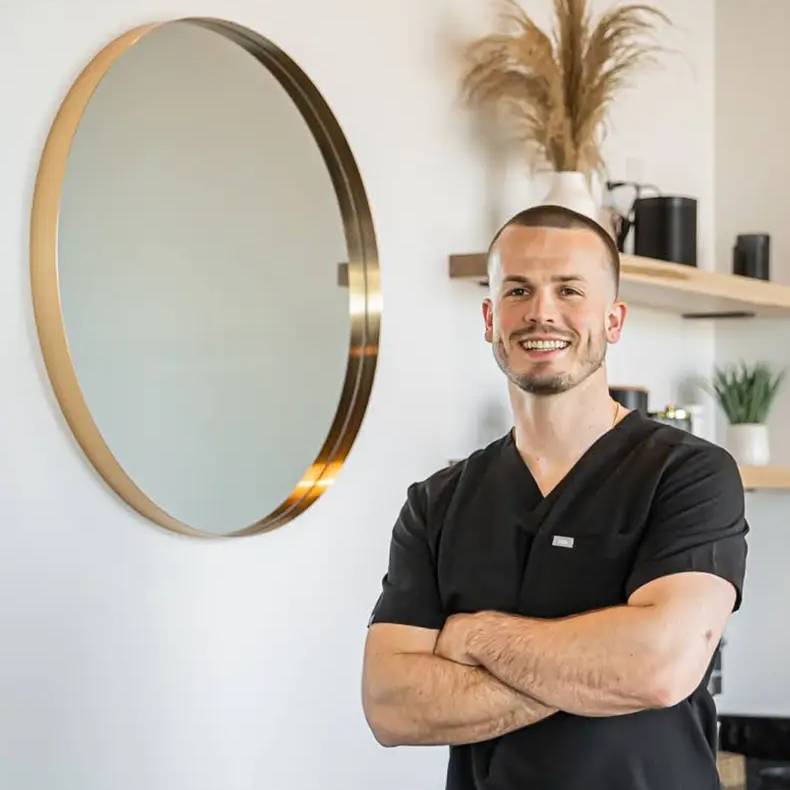
Dr. Kye Williams — Founder - Dental House
Dr. Kye Williams is the owner of Dental House, a boutique fee-for-service practice he launched as a startup in Middletown, Delaware in April 2023. After completing a GPR and a brief stint as an associate, and driven by a belief that profitability and quality of care go hand in hand, he made the deliberate choice to go completely out-of-network from day one. His practice offers general dentistry alongside a strong surgical component, including implants, bone grafts, and approximately 30 full-arch cases per year. Dr. Williams is known for his high standards in both clinical care and patient experience, building a lean, high-performing team and leveraging technology to communicate value and support case acceptance.
Watch Episode
Read Full Transcript
Scott Leune: Thank you so much for joining us here on the Dental CEO Podcast. I'm really excited to dive into the details of your story because I think there's a lot of people either thinking about a startup or in the process of doing a startup, or there's a lot of people that have the wrong assumptions, good or bad, about startups. And so walking through your story I think is going to be valuable for us because you have built a startup recently in modern times with the modern economy, with all the modern decisions in front of you. So before we dive into all of that, Kye, if you could maybe in your own words, kind of say who you are, where you're at, what you're doing, who is Kye Williams and why is he on the Dental CEO podcast?
Kye's Practice Overview & Early Metrics
Dr. Kye Williams: First of all, thanks for having me. I appreciate it. Like you said, I did a startup, be three years in April now. So back in 2023, called Dental House in Middletown, Delaware. We're a small boutique office, completely out of network with insurance from day one. We really just tried to focus on the patient experience. Something I was really passionate about, getting really molecular into little tiny details about running a business that I think this industry just doesn't do a good job of as a whole. No offense to anybody. But especially when you're doing a startup, it allows you to create whatever experience you want, which really was a game changer for us. It's been a crazy ride, but something I wouldn't change for the world, and it's been awesome.
Scott Leune: So you said you started fee-for-service right off the bat, and you opened your practice 2023. So as a recording of this, we're about almost three years in. How many operatories did you build and how many did you equip?
Dr. Kye Williams: So I built out six, which is a dumb move. I started out only equipping four. We have five now. I got a lean team, man. I got two front desks, two assistants, and two hygienists. But I say all the time, I got six dogs on my team. I feel like I'm the New York Yankees. I don't settle for mediocrity. So I'm always looking to have a better person on my staff on my team. Met some really cool people along the way. Unfortunately, obviously some people leave as time goes on, but that's what I've always said from day one is, you're going to be on my team, you're going to be a killer.
Scott Leune: Okay. And so just some more statistics, just so everyone can get their bearings about where the practice is at right now.Approximately how many new patients per month are you seeing now or did you see when you first started opening? What kind of size patient base are we talking about?
Dr. Kye Williams: We were seeing, in the beginning, anywhere, probably a little south of a hundred. Then we sat around probably about 140 new patients a month for about a year and a half. We're probably sitting still around about a hundred new patients a month, give or take. You get to a point in an area where you kind of saturate the market. We market the hell out of these people from every angle we can. But I think that's one of the things that made us so successful early on is we ruthlessly marketed and branded and put up billboards and mailers and we were suffocating on Google. But the cool thing about it was it wasn't like we were selling shit. The quality of work that we were giving out to people was awesome. And that's what made us so successful so early on.
Scott Leune: Okay. So let me kind of summarize a few things you've said. So we've been open three years now. When you first opened, you had a six op facility, but you started on day one with four of those ops having equipment in them. And fee for service yet still seeing 100 to 140 new patients a month, which is really high numbers for fee for service startup. And you attribute that to being focused on the tiniest details of the patient experience and of the business combined with this kind of ruthless volume of marketing, whether that is print marketing or digital marketing. And the result of that now has been a practice that's successful. And we've got two front office, two dental assistants and two hygienists at this time. Did I say that correctly?
Dr. Kye Williams: Yeah, no, you're right. And with that, my buddies who I helped out with their offices or other dentists liked that, I'm like, marketing's huge. You have to market.You've always said, Scott, right? Not getting enough new patients isn't an in or added network problem, right? It's a marketing problem. But I knew that if we were going to market a lot, our systems on the phone specifically had to be perfect because a lot of practices think they have to market more to get new calls, get new patients. But a lot of those calls that are coming in, they're dropping the ball from hello. They're not curating the phone call the right way. They're not going through their scripting the correct way. And one kind of hesitation, one missed line, you lose that patient. So I think we really dumbed down the experience to really like diving a little deeper, focusing on getting limiteds in the door, same day dentistry.
As you know, that's the number one way to build a startup quickly is you help someone out when they're in a tough situation, you get them in same day, like literally 30 minutes after they call, they're indebted to you for life. So that's one thing that we really have focused on and to this day we focus on.
Marketing, Phones, and Same‑Day Dentistry Systems
Scott Leune: Okay. So you kind of are going into some of the practice management topics. It's awesome. So just for the listeners here, if we think and very simplistically, what creates dentistry in the schedule? You start with, do you have enough people trying to call you and schedule? Those are leads and
Leads come primarily from the various different marketing avenues that we have. Leads do not come from being in network or out of network. They come from your ability to generate the leads through usually marketing and of course things like word of mouth. Once the lead comes in, we have to answer the phone. And so if we aren't answering the phone, obviously we're not growing the practice fast as we could and we're spending a lot of money on marketing for no reason. So we have to be able to answer the phone. And then we have to be able to convert the phone call to an appointment. And that's what you just talked about. And that's where being in network or out of network actually makes it easier or harder. When you're out of network, it's a little more challenging to convert all the phone calls or all the leads into an appointment.
But if you say the right thing through the right training, if you follow the right verbal strategy, then you can overcome some of the difficulty you have by being out of network. So we've got Kye Williams here with Dental House, out of network day one, generating a lot of leads, answering those calls and with proper training, converting those calls to appointments, even though he's out of network, resulting in 100 to 140 new patients a month. So Kye, a couple more kind of logistical questions. I want to go back in the story a bit. You don't have to give us any numbers.That's uncomfortable for a lot of people to do. Yeah,
Financial Performance & Fee‑for‑Service Mindset
Dr. Kye Williams: I'm happy to.
Scott Leune: But just to kind of give us an idea of the size or scope of the practice, it's still a one doctor practice. You're still kind of in the infancy years of opening it from scratch. You're about to finish your third year. Just to kind of give people an idea of either overhead numbers or total collections, or is there any kind of number that you'd feel comfortable kind of letting people know? So
Dr. Kye Williams: We started in April of 2023, right? So our first full calendar year wasn't until 24, but in 2024, we did 2.4 million. And then in 2025, we did just over three million. So I think in the first eight months, we were somewhere around the 1.7, $1.6 million range. So we really came out of the gate hot, which was abnormal. I know for most people to hear, and a lot of people probably listen to this, they're like, "Oh, he's bullshitting." But no, it's crazy what happens when you actually run a dental office like a business.
Scott Leune: I met you through our seminars and in our seminars, we talk about the startup trying to achieve two million in collections with 50% overhead within the first three years open. And sometimes practices will do two million sooner, but they haven't achieved 50% overhead. Or they'll maybe be really good at achieving low overhead early on. And then of course there's all kinds of things in between. But what I hear you say now is the second full year you were open, which was kind of year two and a half in your story, right? Sure.
Dr. Kye Williams: You
Scott Leune: Were able to achieve three million in collections, which is awesome, especially considering it's a single doctor practice. And of course, one of many reasons why is because you've got good fees. That helps, right? That helps that you're getting a normal fee instead of some $789 crown fee from whatever insurance company. Are you happy with your overhead when it comes to that collections
Dr. Kye Williams: Number? 100%. I mean, when you're fee for service, if you're at 50% overhead, you're really high. I mean, you should be closer to 40% with all honesty, but fee for service, I mean, this whole topic, it just opens up this whole can of worms and it just comes down to profitability in this industry equals quality of care and quality of care is what allows you to reach $3 million as a single dentist. So a lot of guys, you talk to them, they're scared and it's not the industry normal, but we're doctors. We went to school for a long time for this, right? You have to believe in yourself. And it's a shame that not a lot of guys have that confidence and they think they have to be slaves that are an insurance company. And that's just not the way it works. And a lot of it, honestly, Scott, without rambling around here too much is you have to be comfortable with the uncomfortable.
And a lot of dentists, unfortunately, are really uncomfortable talking numbers with patients, finances, and proving worth about themselves to the patient. Being like, "You're going to let a Fortune 500 company dictate the way you treat your body, that's asinine. What are we really doing here?" So I think that mindset that we implemented from day one along with some of those systems that we're talking about are the reason that we had so much success.
Philosophy of Out‑of‑Network Practice & Case Acceptance
Scott Leune: So I'm going to kind of make a practice management little moment here and I want you to correct me if you disagree with what I'm going to say, but the choice to be out of network, when you look at the journey that the patient goes through and all the little knobs that we can turn from a business perspective to generate dentistry in our schedule, when you're out of network, there's two main knobs that are a little harder to turn. The first one I already mentioned, converting a caller to an appointment. If you're out of network, it's a little harder to turn, which just means we have to be better than normal on what we say on the phone. That's the
Dr. Kye Williams: First knob.
Scott Leune: The second knob is patients saying yes to as much treatment. And all that means is that we have to be organized about how we do the clinical side of case acceptance, what we show them and tell them in the operatory, and how we do the financial side of case acceptance. The better we are at clinical and financial case acceptance, the less being out of network is even impacting the practice. But if we are not good at those things, then we're going to feel the difference when we're out of network. Do you agree in your experience with your practice with what I just said?
Dr. Kye Williams: No, no. I agree with you 100%. So when you're at a network, you have to prove your worth every time the patient steps in the door. So like you said, clinical acceptance, using things like AI in your radiographs, using intraoral cameras, using intraoral scans, having a 42-inch flat screen that you can blow up these pictures for the patient, having videos that we show patients, consequence photos of cracked teeth. This is what happens if you don't put a crown on this tooth. It's not just the drill and fill shop, like a lot of these in- network offices, right? But the flip side to that is when we present finances, we're not sitting there saying, "Hey, you need a crown on this tooth. This is what we think insurance is going to cover." We're saying, "This is the cost of the crown." You either pay in full to get on the doctor's schedule or you look into one of our affordable monthly payment options, right?
Cherry, Sunbit, proceed, things like that. You take the mindset, the shift away from insurance. And when insurance comes up, you're just telling the patient, "Listen, your maximum's 1,000 or 1,500 bucks, whatever it is, whatever they pay, you're going to get back in the form of a reimbursement check." What that's done is as opposed to us sitting there estimating, "Hey, for this crown, they're going to pay $340.17." And then the patient comes back, they denied it, now the patient owes more money, now all of a sudden you're a scam, right? Now it's black and white. The patient paid and they get a reimbursement for whatever the insurance paid for. It's much more black and white and through that you're gaining trust because the patient is seeing that, wow, I pay for this, whatever the insurance pays, I get back as a reimbursement. It's much more clear to the patient.
Scott Leune: So what I think is interesting here is we got a $3 million practice that's still in its infancy and we got less than 50% overhead. We've got strong fees and you said you need to kind of prove your worth to the patient. But what's kind of interesting is I can almost look at that a different way. You're able to be the doctor you always wanted to be in a practice you always dreamed of having with a team you want to be with doing the kind of dentistry and using the kind of technology that you're proud of. And by having strong fees, it makes that easier to do without compromise. And the end result of that is actually to the patient, you're the very best person they can go to. And it's kind of the chicken of the egg like what came first, the higher fee or the higher patient experience.
And in a way, we dentists think, okay, we have to go earn the ability to be out of network, but maybe we've all earned it. And when we're in network, we're kind of eroding away our work environment or the patient's experience because of the pressure of being a network. So it's a really interesting kind of model that says, "I'm going to have the best practice I've always wanted to have and treat people the best I've always wanted to treat them." And in order to do that without compromise, I'm going to have a normal good fee and be out of network. But to make that happen with good patient flow, I got to market well, I got to answer the phones well, and I got to present the case well. And that gets us over this horrible albatross that most practices have around their neck that they can even choke on of really low fees and bad patient expectations around what's going to be paid for or not.
Now, could we back up a bit? Here you are in your life saying, "I think I might want to do a startup." Can you kind of walk us through your story? What did you do? What made you comfortable with it? How did you figure out how to do it?
Walk us through that kind of journey.
Kye's Journey from Associate to Startup Owner
Dr. Kye Williams: Yeah. I mean, what pissed me off the most is when you're in dental school, right? You're sitting here spending 500, 600, $700,000 to go to school, right? And you're learning from these people that say, "Oh, it's too hard out there. You got to go work for corporate for a couple years. Go learn from corporate. Then you can go out on your own, or maybe you'll be lucky enough to join a big group practice." And I got out and I started working as an associate for 10 months and I was like, "Man, fuck this, man. What am I doing?" I have so much more to offer than just some guy that shows up and, "Oh, your insurance doesn't cover this. Well, we won't do it. We'll just wait until the tooth falls out. " No, that's not what it's about. And so I kind of had this ... A buddy of mine did a startup and I kind of helped him along that process.
And I said, "Screw it, man. I'm going to take a gamble on myself." But honestly, Scott, I remember laying in bed one night and I'm sitting there thinking, I'm like, "You know how many coffee shops and pizzerias open up in the towns that we all live in? " And those guys are selling cups of coffee for $2, pies of pizza for 15 bucks. And those guys seem to have opening businesses left and right without any regard. I'm like, "I'm selling crowns and implants for 2,000, 6,000 bucks. What am I worried about? " And oh, by the way, the five-year failure rate of a restaurant is over 50%. And as we know, a dentist is like 0.6. I'm like, we're living a lie. It's a shame because I think the reason people are scared is because of the way we're raised in school. And that's bullshit.
That's not how it should be. Right now is the golden age. Like you say, Scott, this is the golden age. In my opinion, for fee for service dentistry, definitely startups, because as these corporations walk in and these lower fees and their crappy work that's not lasting, it's so easy to be a shining star if you just do good work and create a patient experience that no one else can. That's literally all you have to do.
Scott Leune: So you've made a decision, okay, I don't like being an associate. I don't like doing this kind of dentistry. I don't like this entire environment, but you never built your own startup before. You've never owned a dental practice before. So walk us through how you went from deciding you needed to do this to getting ready and then finally starting and eventually opening the startup.
Dr. Kye Williams: I always bought a practice in my town in Middletown. I was in negotiation for like six months. This is why I was an associate right when I got out of residency and I got outbid by one of my co-residents because her dad was an orthodontist and he paid cash. And I'm like, "Damn, I don't have that kind of money right now." And I just remember being so mad. I was so pissed off. I just wasted all this time. I hired a forensic accountant, which was ridiculous to examine all these numbers, but I learned a lot through that process. And then I reached out to a commercial real estate agent and ended up finding the spot where I was at now. And my father-in-law, well, at the time my girlfriend's dad was a contractor and we ended up building the office together, which was a great experience.
I was really hands-on. I was in there hanging sheets of drywall, doing the painting, stuff like that. But it's stuff like that, that's entrepreneurship. So what I tell people is like, you want to do a startup, great, but you got to have that entrepreneurial ... If this fails, this can't fail. And if you have that mindset, you won't fail. Do you get what I'm saying? I don't know if I'm answering your question or not.
But it's not easy, right? Everyone wants to say, "Oh, you did three million a year too. It must've been easy." No, it was never easy. Every day I show up, it's not easy, right? Every day we try to get 1% better. It's never going to be easy. If it was easy, everybody would do it. That's what makes it special. But again, Dennis, I think we focus in school, it just comes back to the age old mantra of we're not comfortable in business and talking to numbers, but we're comfortable talking about losing your tooth. So you got to be comfortable with the uncomfortable, like I said earlier.
Scott Leune: And at what point in your journey did I then meet you at one of our seminar events? Where were you
Training, Courses, and Treatment Presentation Changes
Dr. Kye Williams: At with this? So I was about five months into my startup when I came to your first practice management seminar. And we were doing well. We were doing pretty well, but we made a couple changes from there. I think the biggest one was probably the way we present treatment, as opposed to printing right off the practice management software where it's like D875 and you're looking at like, "What the hell is this? " The menu with the 80 different numbers and we just started presenting it with Crown on 30, $2,000. It's black and white. It can't get more simple than this. And implementing with that, with some of the phone scripting stuff that we kind of tweaked a little bit, that's where we really saw a huge difference.
Scott Leune: So it sounds like from that, you're talking about our Practice Mastery level one course. So it sounds like from that course, the main areas that the fee for service office needs to master are kind of the conversion of a lead to an appointment and the conversion of a patient that needs treatment to a patient that says yes to treatment. And so those were two areas from the event that you focused on.
Dr. Kye Williams: And like Scott, you keep on saying conversion, but let's dive into that. So everyone worries like, oh, in and out of network, it's this big thing. But if you think about it this way, let's just say a new patient calls, right? If a new patient calls and you say, "Hey, we're not getting into the nitty gritty details," your front desk person realizes, "Hey, this is a comp FMX prophy, standard new patient appointment." If you get their insurance and you estimate a copay of 130 bucks, we estimate your copay is going to be 130 bucks. If insurance pays more, great, you'll get it back. If the patient's okay with that, then keep going. You get what I'm saying? It's like, why are we so focused on in and out of network? If the patient's okay with the price that you quote, then who cares? And a lot of times you'll find that these patients don't care.
It's no different than a plumber coming to your house and quoting a job. If you have a plumber that comes in and quotes you too high, then you go to another plumber. We've allowed this in and out of network thing to become such a big deal when at the end of the day, it doesn't matter. The patient wants the best care regardless. It becomes a big deal when we make it a big deal, in my experience. Now, listen, your practice is not for everybody, and that's a hard pill to swallow for a startup. In the beginning, you think you got to cater, people running late past your grace period of time, "Oh, lets squeeze them in. We need that production." But you can't do that. Your practice is not for everybody and it never will be. Just like a five star steakhouse is not for everybody.
And there's going to be some people that come in and look at the menu and it's way too expensive and they walk out and leave and leave a bad Google review and that's fine.That's just chalk it up to the game. That's just part of life.
Clinical Scope & Marketing Strategy
Scott Leune: Yeah. So what's interesting is a lot of dentists think their patient base needs this in order for them to say yes and to schedule an appointment. But in essence, the patient's behavior is influenced heavily by how you set the table. And so a lot of patients that are calling that are in network, when you are a normal practice answering the phone in a normal way, which is without any sort of phone training or proof that it works, then you end up becoming an employee that's so used to the logistics of the insurance conversation that you almost insert the conversation proactively into every phone call. And you then believe all these patients are highly motivated to act based on insurance when that is definitely not the case. When we look at the startups that we help build across the country and across Canada as well, Canada's a little different animal, but in the US, maybe one in four startups now are fee for service and it's not a huge difference in how you run the practice.
You're just more thoughtfully focused on what happens on the phone and on what happens when you present finances. So you're just going to have a different phone call when you're out of network and you're going to have a slightly different presentation when you're out of network. And when you do it the way you should, you get a ton of acceptance. And so now you've got strong fees and you don't need a huge volume. However, Kye, you've got a great volume. So let's back up a bit. Some people listening to this are going to want to know more about your practice. Like for example, I'm just going to ask you a bunch of little questions. So what kind of dentistry do you do? Is it general dentistry or do you have like this focus on like all on X? Or what does that look like?
Dr. Kye Williams: Yeah, I mean, we do normal bread and butter dentistry, right crowns fillings. I'm pretty heavily surgically based, right? A lot of extractions, a lot of bone grafts, a lot of single implant placements. In the last year and a half, we are getting ... We do about 30 arches a year in full arch, whether that be an all on X or an overdenture. I'm not too big on ... Sure, I'd love to just do all on X every day, right? Just do one case a day and be done. But when you dive into the marketing behind that, which I know we're getting on a tangent here, but it just doesn't make sense to me. You're dumping all this money in marketing to pay 200 bucks for a phone call. All of our all on X is just organically nurtured through one of our new patients.
Scott Leune: And to back up a bit even further, you, after graduating dental school, you went through a GPR program, one year GPR. Is that
Dr. Kye Williams: Correct? Yep. Yeah.
Scott Leune: Yeah. And so there, you were gained a few more skills around the surgical side so that here earlier on in your career, you have a lot more experience and confidence to do single implants and some of those surgeries. And that of course steps up to All On X cases. What marketing companies are you using right now to help you with the marketing channels that you've got going?
Dr. Kye Williams: So direct mail, I've always done on my own. I've tried a couple different companies. I found a little niche the way I do it. You can go on Canva, design your own. There's a website called 48 Hour Print. You can go on and design it. And very affordably, you can print out about 10,000 mailers for like 4,000 bucks, which as you know, that's pretty good for direct mail. And then you can send them off on your own. Oh, I'm sorry, about 2,000 bucks, and then it'll cost you about another 2,000- And they got postage. Yeah. Yeah, postage. So 4,000 for 10,000 mailers is pretty damn good. Now, there's some legwork you got to do there to send them out, right? But digitally, dentalmarketing.com has been awesome.
Scott Leune: Okay. So yeah, and in working with marketing companies, especially when you've got a unique model like being fee for service, doing some surgeries, but focusing on the general population, wanting to do some things on your own and a startup, it can get a little complicated. What's interesting is you mentioned Bill. So just for the listeners, Bill Donato is the owner of dentalmarketing.com, which is a marketing firm that I use for all of my practices and they do most of the marketing for people I coach. I'm actually talking to him today on the podcast because they have built what I think is the very most powerful AI agent to get practices ranked very quickly, number one in maps and ChatGPT and Google and AI overview. Do you know, does your practice currently use an AI agent for search engine optimization, one that Bill's team kind of deploys across all their clients?
Dr. Kye Williams: Yeah, we were one of the first practices that actually had it. We had one of the beta models and kind of giving them feedback on how to make it better and stuff has been really cool. And yeah, we use it every day.
Scott Leune: Awesome. Okay. So to kind of sum up a few things we've said, so heavy on the marketing, you went to our level one course and you implemented some things there. You're doing some marketing yourself. You've got SEO by an AI agent, you've got digital marketing by digitalmarketing.com. Curious, if you went to our level one course, have you been to our ... I cannot remember off the top of my head which courses you've been to. Have you gone through our level two course yet, our level two training for Practice Mastery?
Dr. Kye Williams: I think that was before you made the switch to one and two. I think I've been to level, I guess it would be level one twice or yeah, twice I guess now.
Scott Leune: Yeah. So that one used to be called kind of the CEO course, but we
Dr. Kye Williams: Changed
Scott Leune: It a lot and added a lot more stuff to it and made it kind of a level two. Just for our listeners here, level one is where we talk about what Kye has referred to, all the operations you see in the practice. How do you make the phones better? How do you make the case acceptance better, right? All the little moving parts. Level two is a lot about how you become a better leader. How do you structure your analysis and your meetings and your strategy around fees, your strategy around your schedule. So let's talk about your schedule. What's it like as an owner? When are you there clinically and are you having to work a lot after hours? What's that like?
Schedule Design, Same‑Day Dentistry & Limiteds
Dr. Kye Williams: We're four days a week. We've always been four days a week. And Monday to Thursday, 8:00 to 5:00. Friday's always been a non-clinical day for us. The cool thing that I've always liked about add a network is if you look at my schedule next week, it's wide open. And so what it allows you to do is it allows you to get these people in right away, which people appreciate. You're not booked out for weeks or months on end, like a lot of these in- network offices are. It allows you to free up. Someone comes in, they want to do an implant, boom, let's do it tomorrow. So it allows you also, Scott, what I think it's huge for is I keep on getting back to these emergencies, these limited appointments. It allows your staff to predictably place these limited appointments in areas in the schedule where they know that you have enough time to do same-day dentistry.
And on top of that, to take it a step further, we make the patient pay over the phone just to schedule that limited exam because once they have skin in the game, we know they're going to come. So the number one thing we saw early on was you get a lot of limiteds maybe, but they're the number one people that don't show up. So if you can get them to pay over the phone, to block off Dr. X's schedule, it'll be $150, but we can see in 30 minutes or we can see today at 1:30, no problem. That eliminates a lot of the headache of when the patient comes in and it makes it much more streamlined.
Scott Leune: In our course that you went to, we said two things. We said, number one, the most productive, biggest schedules are the ones that have holes in them. They're not the ones that are full. Because that will ensure that you can convert same-day dentistry and you could also get people ... They won't wait as long, so you're going to have a low no-show rate. There's a lot of reasons why the highest producing practices actually have holes in their schedule and on the hygiene side as well. And the second thing we said in that event was, it was kind of a funny question, but what's the no-show rate of a same-day dentistry? Which is kind of a funny thing to ask, but there is no no-show rate. And in other words, if we don't do it today, there is a no-show rate. And so the practices that do it today, when the patient is motivated, they are able to do more dentistry because in essence, no one's changing their mind in another day as you're waiting for them to come back.
Okay. So let's go into the staff side. We're in an area of dentistry right now in our profession where a lot of people are complaining on how hard it is to find great staff and to get them to stay and they can't afford to pay them what they want. And what is it like in your organization when it comes to the people? How hard has it been to find them or keep them? And financially speaking, are you able to afford to pay them a good rate? What's that like?
Hiring Philosophy, Team Culture & Training
Dr. Kye Williams: That's one of the hardest pills that for me to swallow early on was you hire these people and for me, I bring them ... I have a small staff and for me, I treat them like they're part of my family. So I think I started off with four people. I only have one person left, and that's the hygienist I hired from the very beginning. And she's awesome. I hope I have her the rest of my career. But I've added some really key members to my staff over the last three years. I will say this, like you say, Scott, there's no findgoodpeople.com and everyone has their own little niche they think works. For me, for front desk, for assistance, I hire people with no experience because what I found out with people with experience is they're bringing bad habits from old offices. I want to be able to train people the way I train them.
For me, I was a college athlete. So for me, my top assistant right now, she played division one softball and she actually came in for an emergency appointment for her wisdom teeth and she's an animal. She's got that dog in her. That's why I love her. Same day we'll squeeze into crown last minute, but that's that kind of hunger you need. And not to get off top a little bit, but even my hygienists, they realize that we're fee for service, this, that and the other. They're cool with throwing a limited on there and doing a surgical extraction in their calm if we can't get a patient. That's the kind of mindset it takes with a startup. But getting back to what we're talking about, staffing is ... What I've found is with people with no experience, sure, it's a pain in the ass in the beginning, but when I interview people, I don't care about your skills.
I don't care about your experience. All I care about is if you're a hardworking, authentic person, that I don't mind being around four days a week. And if all those things check a box, let's rock and roll, man. And you'll strike out sometimes and that's okay, but that's part of business ownership. Everyone gets freaked out. "Oh, my assistant doesn't know how..." It takes one off day of you going in, showing how to take an x-ray, showing how to suction, showing how to set up a room. Boom, you got yourself an assistant. They're not going to be perfect day one, but nobody is. I'm not perfect every day.That's another crazy thing that people don't realize is don't hire people with experience. They're leaving offices for a reason. If they were that good, the old office wouldn't have let them leave.
Scott Leune: You know what's interesting is there's a mindset shift that happens when you go from being an associate to being an owner, and this is one of them. So as an associate, you're like, " Give me a good assistant. Give me someone with experience. "You're like, " It's your job company to give me what I want, and I'm not going to put a whole lot of effort into finding them, training them, retraining them, making sure they're happy with everything and happy with me and all that stuff. No, you, DSO, give me someone experience. "But when you go into the ownership side, it's a different journey and we have to create in a way rock stars. We have to ... We're not actually creating them. I shouldn't use that word. We have to support people and give them the right environment that the rockstar in them comes out.
And if we can find people that have a lot of potential for that, like a division one athlete, then that will make things go even easier and faster for us. But that person is a rockstar in part because you created an environment where people want to work. You created a patient base that is valuing their care differently and you have created moments of investment in them to train them and support them and treat them like family, that the rockstar comes out of them. At least that's how I see it. And that is a much different mindset that an owner then has. You mentioned earlier,
It's hard. I want to add to that thought. It's hard no matter what we do. It's hard to be an associate and a shitty associateship. It's hard to be a dentist that works your ass off and you don't own the practice, and so you couldn't pick the staff, you couldn't pick the equipment, and you don't get to keep the profit. It's hard being an owner. It's hard in a lot of other ways to be an owner, but at least with an owner, you get to live the journey where the dentistry, the facility, and the people represent what you care about in your career. And along that journey of becoming more self-aware and supporting people as a leader, you get to keep all the profit. So I'm curious, Kye, don't give us any exact numbers. Don't give us any numbers. I don't feel comfortable asking you for exact numbers, although you've already given us a lot.
But compared to your associateship and now looking at this year, how much more, either as a multiple or a dollar amount, how much more are you able to take home for your life, your family, being an owner in this practice you've built with your model compared to when you were an associate in someone else's model? Are you taking home 20% more? Are you taking 100% more? What is that like?
Dr. Kye Williams: I mean, so that's a multifaceted question, right? Because one thing we've always said, I've agreed with you on this, is you don't realize as a dentist, making a million dollars take home is a necessity to live. Think about the student loans you have. Think about all the other thing, the insurances, the malpractice. So you have to do these things to be able to survive and to live a lifestyle like a doctor or a dentist, right? But in terms of an associationship, sure. I mean, probably three, four X, right? But that comes with taking a risk on yourself, right? But without taking a risk on yourself, you never have a chance to do that. And that's the beauty of business ownership. When I talk to young dentists and guys that are thinking about buying an office, forget the dental side. Don't view yourself as a dentist.
View yourself as a business owner, but that's what you are, right? I mean, dentistry is just what you happen to do, but dentistry is the easiest thing we do, right?
Mindset, Education, and Being in the Top 1%
Scott Leune: Let's start with what you just said. So I might say it slightly different. In order to be successful, we have to have three main things. We have to have incredibly good patient care. We have to have great staff care and we have to have great profit. And a lot of dentists as an associate are focused on the patient care side. Owners sometimes are having to deal with the staff side and are a victim of the profit side, whatever it becomes. But when we master this game, we've become a master of patient care at the highest levels. We've become a master at creating a wonderful working environment for the team and we've become the business person we need to become to generate a very high profit margin while doing those wonderful things for people. And you said, now that you're an owner just a few years in, you're making three to four times as much as you made as an associate, which means your life is on a completely different financial trajectory than you would've ever been had you been and maintained a successful associateship.
Is it safe for me to say that?
Dr. Kye Williams: Yeah, 100%. And it should be that way for every owner, right? I mean, it's not, like I say, I tell people all the time, it's not like I'm God's gift to earth. I'm no different than the guy down the street. I just happened to run my business like a business. I market my business like a business. And if you do those things in this industry, which is a very profitable industry, you can do it, right?
Scott Leune: Yeah. So I'm going to ask you a series of very quick questions. If you can, just say yes or no. And I'm speaking right now to the dentist that is an associate maybe, or an owner that is just in the wrong situation. So Kye, real quick, yes or no. Did you ever own a dental practice before this one?
Dr. Kye Williams: No.
Scott Leune: Did you ever manage a dental practice like an office manager or regional manager?
Dr. Kye Williams: No.
Scott Leune: Did you ever own a company, a million dollar company or more before you went into dentistry?
Dr. Kye Williams: No.
Scott Leune: Were you independently wealthy before you opened this practice?
Dr. Kye Williams: No.
Scott Leune: Okay. Did you get business training along this journey?
Dr. Kye Williams: Sure. Back in dental school, I was a guru for this stuff. I'd listened to your old podcast on Breakaway. I'd listen to Mark Costas. I'd listen to shared practices. I became immersed. I became obsessed with the idea of owning a practice. I became so obsessed to where I knew where ... I would drive by dental offices with my girlfriend at the time and be like, "Oh, that's Dr. So- and-so." I became that immersed into it that's the kind of level of what it takes to be the top 1%, right?
Scott Leune: So another analogy maybe is someone that's always ... They're a cook in a restaurant and they've always dreamed of opening their own. They start reading books on how to do that. They start listening to podcasts and how to do that. They start looking at other restaurants in the town trying to understand how they're doing it as they dream out what becomes their model, their vision. So they become focused on the business side and try to learn from others. Is that the right analogy to use in this situation?
Dr. Kye Williams: The easiest way to be successful is to find someone else that's already done it and literally copy them like a carbon copy of what they're doing. And that's the easiest way to be successful. Contrary to that is what I say is you want to be the top 1%, that means you're doing it different than the 99% below you, right?
Scott Leune: Yeah. So yeah, I mean, if we look at the national average for dental practices, the national average dentist is taking them less than 200,000, which is not enough money for them to cover their debt from school
Dr. Kye Williams: And
Scott Leune: From business and have any sort of lifestyle that they expected to have. So to be different, if you want something different, you're going to have to be different. If you want to have an unusual level of success or an unusually enjoyable kind of career, you're going to have to be unusual in the decisions you make. You're going to have to open practices when people tell you it's risky, or you're going to have to not be in network when people tell you you should be, or you're going to have to answer the phone that is through phones training as opposed to just the way most people answer the phone. You're going to have to be the person that most people aren't choosing to be if you want to have a result that's different than what most people get. And I think that you're a great example of that.
And
Dr. Kye Williams: Let me dive even a little deeper. I don't want people to think like, oh, there is probably 15 to 16 other offices in my town, like I already said, right? There's only two offices that are out of network. So that should just show people that it doesn't matter how competitive or like, sure, is location important? Sure. You could argue, but to me, market harder, right? Create, invest that much more into the patient experience because think about a nice restaurant. There's a Chipotle and a McDonald's right next to them too, but they somehow figure it out because they're doing things differently. I didn't mean to cut you off there, Scott.
Scott Leune: Yeah, no, this is wonderful. And I appreciate you saying these things. So Middletown, Delaware has 25,000 residents in it. I just looked it up. You say there's about 16 dental offices there, just to give everyone bearing. That is not a wonderful ratio for a startup. And of those 16, 14 of them are in network. So there's only a couple that are not you being one of them. So this is not a situation, back to my yes and no questions. Do you feel like the demographics of Middletown are huge home run demographics? No. Do you feel like you are a superhero dentist with the biggest cases and the highest clinical skill?
Dr. Kye Williams: No.
Scott Leune: Are you focused only on big cases?
Dr. Kye Williams: No.
Scott Leune: So the reason why I'm asking these questions, it's probably obvious to everyone. It sounds like you're a dentist that came out of school and you didn't come out of school with a ton of money. You didn't go into a location that was a home run location. You don't just have massive clinical skill that is a superhero dentist or doing huge cases. You are a dentist that wanted the best thing for their patient and their career, and they decided to focus on being an owner when everyone else wasn't, and not just an owner, an owner with an amazing experience for the patient, for the employees, with proper fees, not in- network fees. And to have that kind of a practice, you've recognized that you've got to do certain things that have been tweaked or a little different than a traditional practice. And the result of that is three years in, three million collections, less than 50% overhead, and your entire life, the life of your kids, probably the life of their kids, is going to be positively impacted because of this decision or series of decisions you made earlier on in your career.
And while I'm saying that, there are hundreds of dentists listening to this that have told themselves, "It's not the right time. I need to learn more. I need to do more. I need to save more. I need to get faster. I need to wait." And they can go a decade or more without doing the right thing. What would you say, and I bet you meet people like this, what do you say to a dentist that says, "How do I know it's the right time to do a startup? Or do I need to save a certain amount of money or do I need to wait in a certain amount of years? Or when's the right time to do this right thing of building a startup practice?" What would be that conversation with you? What would that sound like?
Timing, Industry Critique & Vision for Boutique Practices
Dr. Kye Williams: I always like to say the quicker you do something, the quicker you can start enjoying it. So it's a shame. I mean, the longer you stay in network or as an associate or not valuing what you've worked your whole life to get to, you're devaluing the whole industry. So we as dentists over the last 30, 40 years, we've let this beast be created, but now it's gotten so bad with some of these corporate DSOs and the quality of care. These people are begging for someone they can trust, seeing the same face every time they go in. Think about family medicine. When was the last time you went to a family medicine office that was in a very nice spy-like feel? No, it doesn't happen. It's all corporate ran. But if you could find one, you would pay through the nose to be seen by someone that actually knew what they were talking about, used AI, had a hot towel after every time you saw them to clean your face and hands and feel refreshed.
Clarity about the finances, that would be a no-brainer for you, right? And maybe not for everyone, but the kind of patients or clientele that you want, it would be. So the longer you wait, you're just hurting yourself. And you got to think of it this way. The best thing that could happen to this industry is for there to be a bunch of boutique style offices that were all out of network, doing really great work, providing excellent patient care, creating an excellent workplace environment for employees with bonus systems and staff retreats and things like that. Everyone just benefits from that model. Everyone thinks you have to scale, do all this stuff. Just open up a small boutique office and just deliver badass care, get a badass team together and just enjoy life.
Scott Leune: Excellent. Well, man, I think that is a perfect thing to end on here. So Kye, you've got, again, your dental practice called Dental House and Middletown Delaware Startup. People can look you up online and you've got some cool videos. Please, everyone listening to this, go to his website to see what he's doing and to thank him for being on the podcast. Give him that website traffic to make him rank better. That'd be nice. But Kye, I've talked to you a few times and I love what you're doing and it aligns a lot with what, of course, we've taught and what we've taught you. And to see your version of this play out and do wonderful things for the profession and for yourself and your team and your patients is awesome. So is there any last thing you want to say before we kind of wrap this episode up?
No,
Dr. Kye Williams: Man. I just appreciate the opportunity. Like I've always said, anyone that's on the furge about doing it and do it. This industry's bullshit, man. Just start your own thing and get after it.
Scott Leune: Awesome. I love it. Okay. Well, Kye Williams with Dental House, thank you so much and all of our listeners listening to this. I appreciate you subscribing to this and listening to every week. I was just told yesterday we're the largest dental podcast now in the world and we've broken the top 5% of all podcasts in the world. So that is awesome. I really appreciate the support and I hope episodes like this are giving you value, that you're listening to this every week, once a week while you drive to work or while you work out, that you're feeding yourself with good content and that we are on that list of what you consider good. I hope that's what's happening. Okay, guys, until next time, my name is Scott Leune, and this was the Dental CEO Podcast.
SUBSCRIBE TODAY
Subscribe now and receive a 25% discount code for Scott Leune’s upcoming events. Plus, get podcast episode alerts and exclusive subscriber perks.