Dental CEO Podcast Episode 63: PPO Fees Are Killing Private Dentistry
In a compelling episode of the Dental CEO Podcast, Natalie Suda from PPO Profits shares invaluable insights into the complex world of dental practice management, particularly focusing on the nuances of insurance networks and fee schedules. This enlightening discussion not only sheds light on common challenges faced by dental practices but also introduces effective strategies for enhancing profitability.
Highlights
- Introduction to credit card fee alternatives saving thousands for dental practices.
- In-depth understanding of insurance networks’ complexities and overlapping fee schedules.
- Practical steps to significantly increase a dental practice’s profitability by negotiating and restructuring insurance agreements.
- Case studies showing real-life scenarios of double-digit percentage increases in fee schedules.
- Introduction of services provided by PPO Profits, such as fee negotiation and revenue cycle management.
- The transformative impact of precise fee schedule management on overall practice profitability and efficiency.
Speakers
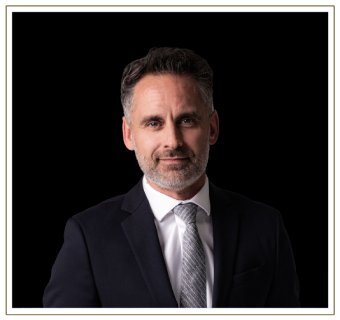
Dr. Scott Leune
Scott Leune, known as The Dental CEO, is one of the most respected voices in dental practice management. From his seminar room alone, he has helped launch over 2,000 dental startups and supported more than 20,000 dentists across practices worldwide. Named one of the 30 Most Influential People in Dentistry, Leune delivers practical, no-fluff strategies that empower dentists to lead with confidence, scale efficiently, and achieve real personal and financial success.
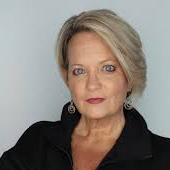
Natalie Suda — Sales & Marketing Rep - PPO Profits
Natalie Suda is a sales team member at PPO Profits who brings firsthand practice experience to her role. Before joining PPO Profits, she worked as an office manager at a private dental practice in Florida, where she navigated insurance challenges from the provider side. She later transitioned to PPO Profits as an account manager, helping dental practices increase their insurance fees through the negotiation process and now applies that expertise on the sales team.
Watch Episode
Read Full Transcript
Scott Leune: If you're a dental practice owner in the US or Canada, I want to talk to you about something that's quietly draining your profit every single month. Credit card fees. Most practices are giving up around 3% of their collections just to get paid. On a million dollar practice, that's about $15,000 a year, just gone. And the worst part is most dentists just accept it as the cost of doing business, but it doesn't have to be that way. That's why I want to introduce you to SignaPay. SignaPay uses a dual pricing model where the patient pays the processing fee if they choose to use a card. That means you collect your full fee, your numbers actually reconcile and that 3% stays in your pocket instead of going to the credit card companies. You're already seeing this everywhere else. Gas stations, restaurants, ticketing, ATMs. So the question is, why aren't we doing this in dentistry?
If you're processing any real volume, this is one of the easiest ways to instantly increase profitability without changing anything clinically. Text CFEES to 48659 to start saving today. That's CCFEES to 48659. Start saving on credit card fees.
All right, Natalie, thank you again for joining us and this is actually a sensitive topic. This is a topic that has really screwed up a lot of dental practices. This is a topic that dentists don't know enough about. It's the topic of dealing with insurance. Some of the biggest pain points and practices are within that category, dealing with insurances. Before we dive into insurances and fee negotiations and all that, could you please, for people that don't know who you are yet, could you please kind of introduce yourself? What do you do? Why are we having this episode?
Natalie Suda: Yeah, absolutely. My name is Natalie Suda. I'm on the sales team with PPO Profits. Prior to working for PPO Profits, I like to say in my past life, I was an office manager in a private practice here in Florida and so I've had experience on both sides of the fence, one as being the office manager actually struggling with insurance issues. And then now on the PPO profits side, I started as an account manager working accounts and helping providers get their fees increased through the negotiation process.
Scott Leune: Perfect. Now, PPO profits, I've been connected to you guys for a long time. You are one of the largest, one of the most experienced companies in dentistry in helping doctors credential and helping them negotiate things or credential in certain ways to get fees at the highest levels possible. And you do other things as well, but let's start there. And instead of diving straight into, how do I get higher fees? Let's make sure everyone even understands how this works. Could you explain in your words what it's like really on the backend if I am in network with a company, I'm not just like in network with MetLife, it's more complicated than that. How does that work?
How Shared Insurance Networks Actually Work
Natalie Suda: Right. Everybody thinks you sign a contract with Aetna and so you're in network with Aetna at the negotiated rates that you agreed upon, but actually like Aetna shares that fee schedule with other companies. So even though you may have only signed one contract with Aetna, you may now be in network with five different companies and they're all going to use Aetna's fees to pay their claims. So where you think you're just going to see Aetna patients, you're going to get phone calls from MetLife patients saying, "Yeah, you're on my website as being in network and my zip code." And you're going to be like, "I didn't join MetLife." No, Aetna shared their fee schedule with MetLife. And so now you are in network with MetLife as well as a few other companies.
Scott Leune: Okay. So I'm going to stop you constantly to kind of dumb down what you're saying because this is confusing for a lot of people. So let's just make sure we start on the right foundation here. So you said I'm going in network with Aetna, so I think. But what I actually did is I went in network with Aetna's, maybe we call it an umbrella
Natalie Suda: Their shared network.
Scott Leune: Okay, shared net. Okay, let's use the right word. So I got in network with Aetna, but that also opted me into a shared network and all the other companies in that network might be now on Aetna's low fee schedule. So I'll have a MetLife patient calling me ready to come see me and I don't even know I take MetLife as an in- network provider, but suddenly I do. And I didn't get MetLife's fee schedule. I got Aetna's fee schedule. Is that correct?
Natalie Suda: That's correct.
Scott Leune: What if MetLife's fee schedule was lower than Aetna's?
Natalie Suda: That's where it gets really crazy because if you also joined MetLife, now you have an Aetna fee schedule and a MetLife fee schedule. So Aetna has the option to use either their fee schedule or MetLife's fee schedule and MetLife has the option to use either their fee schedule or Aetna's fee schedule. In most cases, if you have a direct contract, they will follow their own fee schedule, but we have seen in the past in our experience them take a lower fee schedule just because it's lower, even though you have a direct contract with them.
Scott Leune: Okay. So to dumb it down, I've gone into network with Aetna not realizing there's a shared network I've now accepted, which includes MetLife hypothetically. I also went in network with MetLife and MetLife now gets to sit pretty here and say, okay, well, Scott went in network with us two different ways. We're going to give Scott the lower fee schedule of the two, either the lower fee schedule that might be MetLife's direct fee schedule or the lower fee schedule that might be kind of the shared networks fee schedule based on Aetna. And so the insurance company gets to sit pretty and say, "Oh, we're going to give you the lowest fees." And I might think, "Screw this. I hate MetLife. I hate these fees. This is terrible." And I might say, "I'm going out of network with you MetLife and I go out of network with MetLife," but did I?
Natalie Suda : No, because there's still a few day network with Aetna. You're still going to be in network under Aetna's fees.
Scott Leune: So this is part of what dentists don't know. They don't know that they're in network through multiple channels with the same insurance company. And as we cut one channel, it can cause us to now be on a different fee schedule and we're still in network and heaven forbid if we cut the higher fee schedule channel, not realizing they would now go down to a lower fee schedule. Is that correct?
Natalie Suda: Correct, unfortunately. Okay.
Scott Leune: What a mess. And did I know I was signing up with a shared network? Did Aetna say, "Scott, by the way, you're going to network with us, but realize you're also going in network with a shared network that has all these other companies in it. " Did I know that?
Natalie Suda: They may mention at some point in the agreement, but who reads those agreements, right? That most people just sign them. I want to be a network, so they sign them anyway. But yeah, they may mention somewhere in some clause that they will share with participating networks. Even if they do, the fact is things change daily. I mean, Aetna and MetLife recently did sign a reciprocal agreement. So if you signed up five years ago, EtLife did not have a reciprocal agreement with MetLife. However, in the last year they've changed that. And so since you are in network, it does apply.
Scott Leune: Yeah. So it could change without me realizing it. So we've got two kind of sides to this coin that are issues. One side is that I intended to only be in network with Aetna, but now I'm in network with a bunch of other stuff and I might get crappy fees for that. The other side of it is I don't know I'm in network with the other stuff. So when those patients call me, my staff says, "No, we're not in network with MetLife, but we actually are. " So there's two problems there to that. Now we're describing this kind of shared network. Is Aetna the only company that has a shared network or are there other shared networks in dentistry?
Natalie Suda: Yeah, I mean, they're all sharing. It's crazy. Delta is probably the only insurance company that will not follow anyone else's fee schedule. I mean, but other than that, most companies share with at least one or two other companies.
Scott Leune: So in other words, every time I go in network with a company, it's highly likely that I am going in network with other companies as well. And if I was already in network with those other ones, I might be lowering my fee schedule with those other ones. So a great example of this is a doctor that's in network with, they think a handful of plans, three or four plans and they're like, "I want more patients. I think I need to go in network. I haven't been in network with MetLife. I'm going to go in network with MetLife." And they sign up for MetLife and lo and behold, their Aetna fee schedule drops and they don't realize it. Is that possible?
Natalie Suda: Oh yeah, absolutely. They get that explanation of benefits back on that patient that they just saw expecting to make a certain amount on the services and all of a sudden they're paying on a lower fee schedule and it's like, "Well, these aren't the fees that I agreed on. " And they often wonder where did this fee schedule come from? How did they end up with this fee schedule?
Ethical Concerns & Insurance "Poker Game"
Scott Leune: Well, they wonder if they notice
Natalie Suda: If
Scott Leune: They notice. If they notice. And so what might happen too is the patient might seem like the patient has a different out of pocket than what we estimated. And now there's a credit or there's a balance and now the patient might be wondering, "What the heck? Yo told me this and that, but it's something else." And the team may not understand it. The team may just not talk about it to anyone or they may never bring it to the attention of the owner. And so what a mess. If I were to visually draw a whiteboard connecting the different insurance companies that practices are commonly in network with, it wouldn't be from one line, the practice to Aetna. It would be-
Natalie Suda: No, it's going to look like a bowl of spaghetti.
Scott Leune: Yeah. It's going to be from practice to Aetna to eight other companies to back to the practice. And those eight other companies might be connected to other companies as well. And I think I'm dropping a plan but I'm not. I might be dropping a plan and succumbing to lower fees on other plans or still being in network with that same plan thinking I'm not anymore. What a freaking mess. It feels very unethical to me. It feels like it's so complicated, so stuck in the minutia of contracts, so changeable against the intent that was there that it feels unethical. It feels like it's been made very complicated so that the insurance companies can always have access to lowest fees and they could have access to the most doctors possible within their network so they can constantly claim that Scott didn't drop Aetna, even though I thought I did and they can constantly have the lowest reimbursement rates to me even though I'm trying to raise them.
Is that a fair conclusion that I'm making?
Natalie Suda: It is. I like to describe it as like a poker game. I mean, although it does seem unethical and definitely unfair, if you think of it as similar to a poker game, the insurance company is not going to show you their hand because they're also trying to win. They want to make money just like you want to make money. And so they strategically withhold information from providers from third parties such as my company when we call and ask for information, they feed us some information, but yeah, they definitely strategically withhold information in order to keep the upper hand.
Scott Leune: Yeah. Here's one way I look at insurance companies. It's not a legal definition, but it's Scott's definition. Insurance companies have an unfair advantage that we may or may not realize and they are unethical because they withhold information intentionally to benefit them and hurt the provider and they know that the intent of the provider was not to enter into the type of relationship that they are now creating after the fact. That is highly unethical and insurance companies can go screw themselves for it, my opinion. And that's just my opinion. It's not a legal opinion. It's just Scott's opinion, but no wonder why there's so much hatred towards this relationship
It's the foundation of the relationship is complete bullshit. And we don't even understand, but it's providers that we think we've got a straightforward relationship with an insurance company that we can drop if we want to, but we don't. And that insurance company is constantly moving things around and connecting with other networks so that when we try to drop them, we can't. And every time we drop someone, we might be stuck with a lower fee schedule and we don't realize it. That is unethical in my opinion. It's not fair and they can all go screw themselves. So let's move on from that. How do we play the game? So this is why I've asked you to be on the podcast for this next moment. How can we as a solo private dentist in what seems to be an unethical game and an unfair position? How can I untangle this mess and have fees that make more sense for my practice?
Why Use a Specialist & How PPO Profits Operates
Natalie Suda: Well, I would suggest hiring a company that does this 24 hour seven days a week, all day, every day. Again, because like that poker game, you want to make sure if you're playing poker that you know the rules of the game. And so playing poker in someone's garage is totally different than going to the championship games and playing at the big tables. So we play at the big tables daily and assigning this to a member of your staff, an office manager who is likely already tasked with so many things in the office, payroll and claims and treatment acceptance and all of the things that they're responsible for, they don't have the time to commit to something like this. It is very-
Scott Leune: Well, they don't even know. It's not even about time. It's like the only people that truly know how to do this are the experts, the specialists that do this for a living like you guys. So if I were to hire PPO profits, without giving me too many details or whatever, but I want to know how is it that a company like yours, how is it that PPO profits can go in and raise reimbursement rates? How does that actually work?
Natalie Suda: Right. So we've been doing this for about eight years now and all of our account managers, or I won't say all, but the majority of our account managers were office managers prior to doing this. So we've dealt with it on both sides. And if you do it in office, you have one office manager with 15, 20 years of expertise doing this. If you employ a company such as ours, you've got 30 previous office managers with a combined experience of a couple hundred years of experience and expertise. And not to mention the systems that we have in place as soon as we are notified by one provider we have many accounts as it is that we're currently working on. As soon as we're notified by one provider that, "Hey, I got this letter from Aetna. They said they're making these changes." It immediately gets broadcast across our entire company.
And so everybody is made aware of it that instant. We have people that get on the phone and call Aetna to confirm its validity and make sure that it is true and that we're not misreading anything into it, that this is exactly what's going to happen. Not to mention we have specific points of contact with each of these insurance companies. We do play by the rules and that's gained us quite a bit of respect with the insurance companies. So we have people that are willing to work with us and give us information when we call and say, "Hey, we got this letter from a provider today that said this is taking place. Can you give us more information on that? " We want to understand so that we can work with our clients and with you as the insurance company to make sure that we're following the rules abiding by the rules that you've set forth and make sure that we're making this work.
Scott Leune: Well, okay. So I want to get a little deeper. So I understand now you've got these preferred contacts, you're very well respected on both sides of this. You follow all the rules, you do this appropriately. Whenever there's a change, you verify that change actually occurred and you respond and react and help your clients do it and you've got a lot of people that are experienced. But what I don't understand yet is the actual thing that happens to change the fee. So maybe I'll take a guess right now. My guess is that there's a way to drop out of certain networks but stay in other networks that can play the same game but to our advantage. So when we drop out of certain networks but stay in this other one over here, then the only way we're in network with a MetLife is on a higher network fee as opposed to a lower network fee.
Did I say that correct?
Negotiating Higher Fees & Untangling Network "Knots"
Natalie Suda: Yeah, it does absolutely no good to negotiate a super high contract if nobody ever pays you off of that contract. So negotiating higher fees is really only the first half of the process. Once we get that fee schedule, the rest of the time that we spend is untangling all of those previous connections and disconnecting those because as long as we leave them options, they can choose whichever option they want. So we need to eliminate all other options. We can't force them to pay off one fee schedule, but if I only leave them with one fee schedule, I'm kind of guiding them in the direction that I want them to go.
Scott Leune: Okay. So to simplify this, and I'm just using hypotheticals, I'm going to say ABC Dental Insurance. So let's say we're in network with ABC Dental Insurance and we maybe not even realize it, but we're also connected to them through three other shared networks. And based on being in network directly and three other shared networks, ABC Dental Insurance is putting us on the lowest fee schedule they can. So you guys go in, you speak with your contact there and you negotiate an appropriate fee schedule that's higher than anything we've ever gotten from them. If that's all we did, I'd still in those shared networks, even though I have this higher potential fee schedule, it automatically goes down to the lowest fee schedule and that I'm connected to. So after we get the higher fee schedule negotiated, we have to go unplug everything else from ABC Dental Insurance so that the only fee schedule left is going to be that higher fee schedule.
Natalie Suda: But
Scott Leune: The minute we go unplug some other things, it also creates a domino effect with other companies.
Natalie Suda: We
Scott Leune: Go unplug shared network Z, well crud. Then now we got to deal with some other insurance companies in that network that was how we got a high fee schedule for them. And so now we've got to find another way to get a higher fee schedule with them and still be unplugged from that network. Did I say that correctly?
Natalie Suda: Right. So it's finding a primary fee schedule and maybe even a secondary fee schedule, but then making sure that there's no overlap, that we eliminate any overlap to make sure that any company that will follow the primary does and those that won't will follow secondary.
Scott Leune: It really is like a big complicated knot. We pull out and fix the first layer of the knot to find the next layer and we pull and fix that to find the next layer. And at some point we've got a straight connection between us and MetLife that makes sense that's not all knotted up and we got to do that for every other insurance company. We've got to untangle these knots and they all impact each other because it's the same string. So it's the same string. So as we fix one knot, we might accidentally create an issue with a different spot on the string. I'm going to say it in a more simple way just because this is so complicated, but we are in network through multiple channels without knowing it. And even if we have a high fee schedule, the insurance company gets to pick the lowest channel and the way to get a higher fee schedule is to hire a company like yours, PPO Profits, so that they can negotiate with the right person with the right rules, with the right process, a higher fee schedule, and then disconnect the lower ones that are getting in our way.
And it's a long process because when we disconnect one, it creates another series of actions to fix that next one and we disconnect those and then it creates another series of actions. And so did I say that correctly?
Natalie Suda: Yes. I mean, we try to line it up as best as we can, but again, they will withhold information from us. So we may think that, okay, we've terminated this contract and it's going to take care of everything. And then just like it would you, a new contract pops up that we weren't even aware of. And then we're like, "Okay, now we've got to take care of that contract." So it's very complicated. And
Scott Leune: Now what I described was really kind of like an early phase because just because you fixed all that doesn't mean something doesn't change six months later with one of the companies. Is that correct?
Natalie Suda: It's always going to change, yes.
Financial Impact of Fee Optimization
Scott Leune: Yeah. So we really need a specialist to help clean this up and reset it to higher fees and then we need a specialist to help us maintain the advantage, right? Now when you do this process, what kind of fee changes are we talking about? Do you have some averages of what a practice could expect or some anecdotal stories of what has happened? What kind of changes are we talking about?
Natalie Suda: Yeah. So for 2025, our national average was 52%.
Scott Leune: Whoa, whoa, whoa, hold on, hold on.
Natalie Suda: 52% increase over what they were currently making.
Scott Leune: Holy
Natalie Suda: Shit. And that was our national average.
Scott Leune: Okay. So for easy math, I know this isn't realistic, but let's just say for easy math, my typical in- network crown fee is 1,000 bucks. After untangling the knot and reconnecting things and fixing it all and stabilizing it, you're saying on average you'd have to 52% increase. So on average, hypothetically, $1,000 crown would go to a $1,520 crown. That was the national average. Did I say that correctly?
Natalie Suda: Hypothetically, yes, sir.
Scott Leune: That is life changing because when that crown goes up 52% or when that filling goes up 52%, whereas even the x-ray goes up 52%, there's no added cost to that increase in collections. And so that's pure profit. That alone could be an entire model of why I want to buy more practices. That alone could be why I want to add more dentists because basically we now have a very healthy profit margin. And if we were missing that, like unfortunately most dentists are missing this, then we are under the pressure of trying to find more profit, trying to add more volume of patients, trying to even go in network breathing more plans, right? Squeeze more people in, work longer hours and basically get burnt out when if we were just thoughtful and smart about our fee structure as we're in network, we could have a tremendous amount of increased profit.
A 52% increase in your fees on average nationwide from going through this process.
Natalie Suda: That
Scott Leune: Is
Natalie Suda: Crazy. We have some doctors that had never negotiated and have been in business 20 years that we negotiated for and literally over a hundred percent increase, 106% increase. I mean, it's insane. It's there. It's there for the taking. People just don't know it or don't know
Scott Leune: How to- You got all these people. Don't know
Natalie Suda: How
Scott Leune: To get it. All these people listening to this podcast trying to figure out ways to grow and can I answer more phones? Can I do better marketing? Should I spend more here? Should I learn how to place implants and do all on X? All this stuff to try to get more profit and all that stuff comes with costs. And yet here we're sitting saying, you could just go through a cleanup, reset process with your in- network status credentialing and you'll have a 52% increase in your fees without more staff, without more cost, without more headaches, without more burnout. That is very profound. I hope someone listening to this-
Natalie Suda: Or you're shopping online to save 50 cents here and there on supplies when this could completely eliminate the need for that.
Scott Leune: Oh, let's take this a step further. I'm going to do some math here on my phone to make a point for the audience here. Let's say you're struggling with keeping your staff payroll under control. You've got a million dollar practice and your payroll is at 35%. In other words, 350,000 payroll. Now you go fix your fees. Now you are at $1.52 million practice, but you should have the same payroll. 350,000 payroll divided by 1,520,000, you go from 35% payroll, you said, "Oh my God, I have a problem. I can't afford to pay people more down to 23% payroll." And now you can afford to give people raises and maybe a lot of us don't have a payroll problem. We have an in- network fee problem and that our people are worth what they're getting paid, but we're not in an environment to collect the fee that we're worth for our dentistry.
Maybe that's the issue. This is something that every single practice listening to this has any sort of in- network participation at all. It's got to do. You got to do it. Let's talk about the process of doing this. Is this a one-month thing? Is this a one-year thing? How does that work? How much does it cost?
Timeline, Pricing, and Ongoing Maintenance
Natalie Suda: All right. So we already talked about how long this process is because of the untangling of everything. Our service contract is for 18 months or until we complete your strategy, whichever comes first. So for startups and new acquisitions, it typically takes less time because we're starting from scratch from baseline, right? Just making new connections and not necessarily having to undo the old connections. Existing practices take a little longer, sometimes that full 18 months to complete because there's so much follow-up to be done with those. Our pricing of course is contingent on what type of practice it is. New acquisitions and existing offices are $7,200 for the first provider and $1,800 for any additional providers as long as they're under the same specialty. Now, if you add another specialty, there is an additional cost for that specialist because it requires separate negotiations. Specialists and GPs have different fee schedules.
So that does add that in there also.
Scott Leune: Now just to kind of protect you a little bit, this is as of this recording, prices for companies go up overtime. You might be listening to this two years later and it might be a completely different situation. But without having to go deeper into that, because I don't think that's fair to you guys, I think that what you just said is one of the best value ads we can do.
Natalie Suda: Oh, the return on investment you'll make back. I mean, in the time we- Yeah, it's insane.
Scott Leune: It's
Natalie Suda: Insane. Pay for itself over and over.
Scott Leune: Now let's say I get this all straightened up and you've untangled this mess and my fees have gone up 52%. How often should I revisit this or how does that work? Is it maintained? Is it constantly looked at or do I go to you every so many years and we redo the whole thing? How does that work?
Natalie Suda: So there are two different approaches, right? You can either negotiate now and then it's going to fall apart over time, not because you've done anything wrong, but because of the changes that do take place and then you can renegotiate in three years or five years. Depending on the insurance company, sometimes we can actually negotiate with them annually. Doesn't mean they'll give us an increase, but we can ask for the increase. We can go back to them and ask for it. So it all depends. I like to explain it as your new car and maintenance. So we're going to tear apart your engine. We're going to lube everything up so that it's running smoothly and you're getting the best gas mileage at that point. You can do nothing and then in three to five years have to completely rebuild that engine, tear it apart and do it all again, or you can pay for our monthly maintenance plan where we're proactively checking everything, making sure that it's still running smoothly, doing those repairs gradually along the way rather than that whole just restructuring every three to five years.
Scott Leune: Well, I mean, to me, that's exactly what people should do is maintain it.
Natalie Suda: It makes the most.
Scott Leune: And also, there's things that come up. I've got a new dentist, I need credentialed now. I've got questions. I need your expertise sometimes.
Natalie Suda: Just a phone call to you. Well, we handle that if you're under our support plan. Basically, if you ever have an issue with insurance, you send us the issue and we help you solve it.
Scott Leune: I'm still blown away by the math. I want to do a different calculation real quick. So back to this million dollar practice, let's say that I'm an owner, operator, dentist, and my overhead is 65%. So I'm taking home 350,000. After this fee increase, I've now got a $1.5 million practice and I'm now taken home not 350 but 850. And so my take home went from 35% take home pay to 850 divided by 1.520 56% take home. My overhead went from 65% to less than 50%.
Natalie Suda: It seems like a no-brainer.
Scott Leune: Yeah. Now it's even more shocking. Let's do the math if I'm a DSO owner. This is crazy because I had a million dollar practice with an 18% or let's make the math easy, 20% EBITDA margin, 20%, which is a healthy margin. That's a good margin. A lot of people have less than that. But let's just say I had a 20% EBITDA margin, all right 20% EBITDA margin. But after the fee increase, my EBITDA margin is now in the 40s. That's insane. And this is in part what happened when I sold my initial practices decades ago to Heartland. I sold the practices and overnight it seemed like our fees almost doubled while our supply costs went down and our lab fees went down. And the profitability that Heartland was able to benefit from was significantly more than anything I had ever seen in my organization. And that's in effect what their early strategy was when they were buying practices, get the fees up and get the costs down and keep the providers on board for a long time so that basically the providers paid for our purchase of the practice.
It was just insanely profitable. Okay. I'm so blown away by that, but I'd like to switch gears a little bit to something else that's really valuable that people want to know about.
Introduction to Revenue Cycle Management (RCM)
Natalie Suda: Okay.
Scott Leune: PPO Profits doesn't just help credential and do fee negotiations and clean up all this mess and maintain us on the insurance side, but you guys also do what's called RCM, revenue cycle management. And I want to introduce this. This is where an outside company like PPO Profits goes in and logs into our practice and starts managing all the collections, all the claims that need to get processed or resubmitted and chased to get paid or all the patients that owe us money that need to be reached out to to get paid. The process of collecting your collections, your revenue, that cycle, managing the revenue cycle, revenue cycle management. You guys do that offsite on behalf of private practices. Did I say that correctly?
Natalie Suda: Correct. Yes.
Scott Leune: Okay. And so could you explain to me all the different kind of tasks or services that fall into what you do with revenue cycle management?
RCM Service Tiers & Use Cases (Startups and Beyond)
Natalie Suda: Yeah. So our revenue cycle management team currently works with a few different softwares, not all softwares, but they work with a few and they sell it in tiers. So you can do just tier one, which is claims and anything having to do with outstanding insurance claims. So they're going to file your claims. They're going to make sure your narratives have all the proper verbiage. They're going to make sure that all the proper attachments are there. File those claims and then accept those back, enter all of that into your system to ensure that you're taking the correct write-offs, not writing off a penny more than you need to and entering all of that for you. Tier two is outstanding insurance claims as well as accounts receivable. So once they get the claims back and put all that information into your system, they will also follow up with your patients for any outstanding balances using whatever systems you have for texting or sending statements, contacting those patients on your behalf and doing those collections as well.
So they do both sides of that. It's ideal for a startup office that, I mean, you can hire them to outsource that to them for less than you could hire a full-time employee to do it. If you should decide to hire an employee down the road, they will even train that employee on the proper procedures and protocols to make sure that they're following that. Again, not writing off a penny more than they need to so that you're not bleeding money through mistakes.
Scott Leune: Yeah. So let's talk about maybe we'll start here with three types of situations. So you mentioned the first one, startup practice. I am opening a startup practice. I haven't hired my team yet. I don't know how to do any of this stuff. I'm just a new dentist that has never had to process an EOB in my life, let alone resubmit a claim that it get paid. So I'm going to hire PPO profits. I'm going to outsource this work to them and they are going to send the claim and that claim is going to have the correct wording or narratives so that it will hopefully get paid. It's going to have the correct attachments like the x-rays or probing depths. And when it gets paid, the payment comes in and PPO profits is going to process the payment or process what's called the EOB, the explanation of benefits and enter in that into my software with the correct adjustments or the correct write-offs and let's not make any mistakes or lose money with errors there.
I could also have PPO profits go a step further and say, okay, when the claim doesn't get paid the first time, I'd like you to fight it for me. I'd like you to resubmit it and try to get it paid and I want you to chase the patient too if they owe me money. That's the second tier that takes more work, more hands-on work. People profits can do that for me so it's clean and I don't have to hire a whole person. I don't have a lot of patients. I just have to pay a part of a person to people or profits to do it cleanly. And as I grow, the volume goes up and of course the work and the costs go up little by little every month. And at some point, as you said, I might want to hire my own person to do it for a variety of reasons.
Maybe I want a second person to help me check people in and check people out and I want them to go ahead and process the OBs too all while they're here. And so I can go to you and say, "Okay, PPO profits, please train my new person. Train them on how to take it over from you so that it's being done properly." And I could have them take over just level two from you or just level one maybe. We could still work together, but you're helping train them and that is kind of a common path a startup would take. Did I get that path correct?
Natalie Suda: Absolutely.
Scott Leune: So then I've got a second kind of practice that says, "Natalie, we're losing money. Our AR is a disaster. I don't know if people are stealing from me. I don't know if I have just inept people or if it's just too much work, but we are on fire. Can you be the fireman and come in and put out my fire? Can I just send it all to you? Can you just take it from here and make it clean?" That's a situation. Is that a situation you guys see sometimes?
Natalie Suda: Yeah, unfortunately it is and they are very aware of that working with clients like that. Amy Hernandez is our lead there. She's phenomenal, super, super expert when it comes to billing and claims. And they'll even go back. I'm sorry, I don't remember if it's 90 days or a year, but they'll even go back and look at previous claims to make sure that you've collected everything that you should up to that point.
Scott Leune: So this is a great way for me to say like, "Hey, can you clean up some of the mess that I know is there? And then moving forward, can you make sure we're doing it right? We're healthy."
Natalie Suda: They've actually found embezzlement in a couple of practices that they've been working with where the doctor didn't understand where that money was going. For some reason, things just aren't adding up. The numbers don't match. I don't understand it and they've been able to find that information for them.
RCM for Groups & Supporting Existing Staff
Scott Leune: If you're listening to this and you're the CEO of your practice and you are worried that there's something off, there's something not accurate, something missing or it's not good enough where you think it should be, it would be reckless of you to not have a specialist come in and look at it as soon as possible. It'd be reckless for you to not do that. You shouldn't be the CEO. And what's the worst thing that could happen is a specialist comes in and just helps you understand as a practice how to tweak it up and make it healthy. What's the best thing that could happen? Or I guess you could label them either way. Specialist comes in and realizes that you've got cancer going on and they need to go in and cut out the cancer and help you start your new journey, your new chapter of your practice life that's going to be healthy instead of full of cancer.
All of that is good. All of that is needed. And that's the second kind of practice. The third kind of practice I like to bring up is the fast growing group where they've got their buying practices, they've started some practice. They've got multiple locations now and it's difficult to manage 12 different insurance coordinators that are on three different software and they're all doing it their way in different locations. It's a lot more consistent and predictable to have a company like PPO Profits take it over and do it the same way, standardize how it's done, standardize how it's reported and standardize basically what I could expect for cost. I have a standardized kind of performance, a standardized cost and I don't have to find, hire, fire, re-interview and manage all those people that are doing such a sensitive thing managing our revenue cycle. So that's another model.
Do you guys have, I would imagine you do have groups that kind of utilize you guys as their revenue cycle management infrastructure. Is that correct?
Natalie Suda: Absolutely. And again, we're not trying to replace anybody. We just want to work as their partner. And just like you said, you may already have employees in place that do these things, but just to have that consistency across the board, maybe a little extra training where we're making sure that everybody's following the same protocols and the same procedures and doing it the same way so that you have that continuity across all of your locations.
Scott Leune: You're not replacing anyone. In dentistry, if we have a good employee, we're always shorthanded someone. If we can bring help for them to have a bunch of the muck, the difficult work done for them, we're going to have them do something important like interact with patients, lead the office, present finances. We're answering the phone. And we're definitely not replacing anyone with this. It's just switching the model moving forward. So instead of hiring more people now, let's switch to a smarter model where my rockstars today get more help as opposed to adding more bodies in that may or may not work out. Okay. I think to kind of, because we're running long time here, this was incredibly informative. We're talking about massive increases in fees by untangling what I find to be a complete, unethical and unfair mess that the insurance companies are putting us in and we're talking about cleaning up and maintaining healthy collection processes when it comes to insurance and patients.
There's got to be two of the most important topics of today to talk about for the existing practice that is struggling day to day to try to figure out how to be the best they can be. These are really important things.
Closing Thoughts
Natalie Suda: I mean, it's the lifeblood of your practice. You can work all day if you're not getting paid what you're supposed to be getting paid and if you're not collecting what you're supposed to be getting paid, then you're working for nothing.
Scott Leune: And here's the unfortunate thing too, is that dentist that's working hard and not getting paid what they should and not collecting what they did thinks they need more new patients. That's the unfortunate thing. And so they spend more marketing and they try to cram more people into that facility and then they run out of space and staff and then they think, "I need to add more staff or I need to expand my facility or I need to add another doctor." And they're chasing success when it was always there to begin with, but what they've done is stress their life out and increase their costs. The easy solution was fix the fees and collect what you did. And life looks so different when you're able to fix the fees and collect the dentistry that you performed.
All right. Well, Natalie, I want to really thank you for taking time out to being on this podcast and explaining what is a very complicated kind of topic for a lot of us dentists that we've never been trained on. We don't understand a lot of these nuances. I know this might have sounded like a commercial for PPO profits. I'm sorry to listeners if I made this sound like a commercial, but the reality is there's only a few people that manage this side of dentistry and PPO Profits has the most respect from me and I wanted to bring the best in to explain this to us and that's what I attempted to do today. And Natalie, again, I want to thank you for doing this and talking so openly about this process. Before I wrap this up, is there anything else that we didn't talk about or anything else that you want to say?
Natalie Suda: Thanks for having me, Scott. I always enjoy being on your show and talking with you. And even if you don't hire PPO profits, look into it, check out our Facebook page and see some of the comments that are there. These stories that we're telling are not hypothetical situations. They are real life doctors that are having real life changes and it can really be life changing for practice.
Scott Leune: Yeah. Excellent. Let's not keep our head in the sand. Let's go look, let's go see, let's go read and learn and let's go do. We got to do. Got it.
To have something change, we got to change. If we want to change, we got to change. But what a straightforward logical change to make when it comes to this. So that's awesome. Okay. Well, Natalie, thank you so much for joining me and those of you listening in, I really appreciate you guys subscribe to us, having us be part of your weekly habit. It has made this podcast one of the biggest podcasts in the world, top 5%, which is crazy and that's so awesome. And I really want this to continue and go deeper and deeper and deeper. Thank you. My name is Scott Leune and this was the Dental CEO Podcast.
SUBSCRIBE TODAY
Subscribe now and receive a 25% discount code for Scott Leune’s upcoming events. Plus, get podcast episode alerts and exclusive subscriber perks.