
Dental CEO Podcast Episode 67: 222 Patients in Month One: Inside a Dental Startup That’s Booked Out Two Months
In this episode of The Dental CEO Podcast, host Scott interviews married dentists Dr. Kristina Slavick and Dr. Alex Hill, co-owners of Hill Dental Studio in Chattanooga, Tennessee, who attracted 222 new patients in their first full month and booked out more than two months in advance, just seven weeks after opening. They break down the marketing strategy behind that growth and being in-network with most PPOs. Scott then coaches them live through the “good problem” of being overbooked: when to hire hygiene, how to equip more operatories, how to deploy their working capital, and how to plan their nine-op buildout. Kristina and Alex also share what it’s really like to run a startup as a young married couple without letting the practice take over their lives.
Highlights
- Learn the exact strategy a brand-new dental startup used to hit 222 new patients in its first full month
- Why accepting PPOs and limited Medicaid at a startup is a deliberate strategy, not a compromise and when to start dropping them
- The “fourth operatory problem”: why running out of equipped ops is the single biggest bottleneck when a startup explodes with patients
- How to structure roles, decision-making, and leadership when a married couple runs a practice together (and what “yin and yang” actually looks like in an org chart)
- Why the dream schedule — 3 days/week, 9 to 3 — is already achievable and exactly what it would take to get there
- The honest advice on when to quit your part-time job, when to hire a hygienist, and how to avoid letting startup success become startup chaos
Speakers
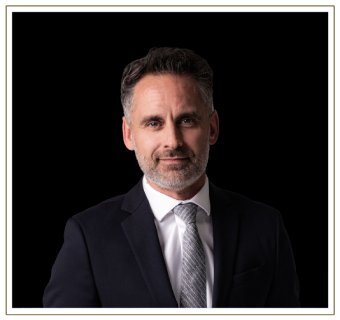
Dr. Scott Leune
Scott Leune, known as The Dental CEO, is one of the most respected voices in dental practice management. From his seminar room alone, he has helped launch over 2,000 dental startups and supported more than 20,000 dentists across practices worldwide. Named one of the 30 Most Influential People in Dentistry, Leune delivers practical, no-fluff strategies that empower dentists to lead with confidence, scale efficiently, and achieve real personal and financial success.

Drs. Kristina Slavik & Alex Hill — Co-owners of Hill Dental Studio
Dr. Kristina Slavik and Dr. Alex Hill are general dentists and co-owners of Hill Dental Studio in Chattanooga, Tennessee. The two met in dental school and went on to work together at a private practice in Asheville, North Carolina, an experience that solidified their drive toward ownership. After completing Scott Leune’s startup course, they launched Hill Dental Studio in Chattanooga, building the practice from the ground up. They describe their partnership in complementary terms: Alex is the “engine,” bringing big-picture thinking and momentum, while Christina is the “steering wheel,” keeping the details, numbers, and decisions on track.
Watch Episode
Read Full Transcript
Dr. Scott Leune: All right. Alexa, Kristina, thank you again for joining us. The reason why I brought you guys on because there's a lot of dentists doing startups. You guys just opened just weeks ago and I think it's very important that people understand what a startup could be like. Sometimes we have problems of, "Hey, we need more patients." Sometimes we have problems of, "Oh my God, there's so many patients. What do we do?" And that's very cool to learn from. Also, the two of you are married, both of you are dentists. You're relatively young in your careers and so put that all together and this is definitely going to be an interesting episode for people to listen to. So before I dive into a bunch of questions, Kristina and Alex, could you please just say who we are and a little bit about yourselves? Kristina, you can go first.
Meet Kristina and Alex: Background & Early Careers
Dr. Kristina Slavik: Yes. I am Kristina Slavik. I am a dentist here in Chattanooga, Tennessee. This is kind of my hometown. So Alex and I recently moved back here a year ago. We met in dental school. We got married a couple years ago and I'm excited to be back in my hometown and practicing dentistry here.
Dr. Scott Leune: Perfect. And also about you.
Dr. Alex Hill: I'm Alex Hill. I'm Kristina Slavik's wife. Her husband. Sorry. I'm more nervous than I thought I was. No problem. Anyway, we met in dental school. My story I tell all the patients is I taught her how to pull her first tooth. She kind of was grabbing onto the forceps, didn't really know the hand movement. And then I just kind of grabbed onto her hand and showed her how to twist the wrist the right way and get the tooth out of there.
Dr. Scott Leune: Love happened at that moment. Hands touching. Okay. Well, you guys graduated in 2020 and 2021. So that was five and six years ago. And you guys got married two years ago. So describe very quickly, because we don't want to spend too much time on that, but describe between 2021 and when you got married, where did you work? What was that like?
Dr. Kristina Slavik: We were both at a private practice in Asheville, North Carolina and we were actually working together already. That was a trial run to see if we could do it.
And it was fun. It was great. And so we kind of had that push to want to do it ourselves and be able to control things and make our own mistakes. We were deciding whether to open up in Asheville or Chattanooga. And we made the decision to come here to back to my hometown. My family's here. And so we moved in the middle of Hurricane Helene, that was a whole other thing. And then we moved to Chattanooga and we started the startup process. We took your course in August and then kind of got the ball rolling from there.
Dr. Scott Leune: August of what year?
Dr. Kristina Slavik: 24.
Dr. Scott Leune: August 2024. Perfect. And so you guys opened approximately, let's just say, a year and a half after that course or so. Excellent. And so you had just gotten maybe married before you came to that course, is that correct?
Dr. Alex Hill: It was like six months or not even. Yeah. Yeah. So she organized the wedding and then I kind of organized taking your class and doing the startup.
Dr. Scott Leune: Okay. Excellent. Now before we dive into the details, I just want to give people an idea of where you're at in the startup process. So some quick question and answers. So one of you guys take the lead here, but how long have you been open?
Startup Snapshot: Model, Volume, and Schedule
Dr. Alex Hill: Oh, I'll do this one. So we've been open about seven weeks now. We opened basically the first day of April and we're in May now.
Dr. Scott Leune: Okay. And what's your insurance involvement?
Dr. Alex Hill: We take most PPOs, just about every PPO, and we do take a little bit of Medicaid as well.
Dr. Scott Leune: Okay. We'll come back to that decision in a bit. And what kind of industry do you do?
Dr. Alex Hill: It's mostly family dentistry. Every now and then we'll do some cosmetic cases, single implants. Nothing too crazy though. Okay.
Dr. Scott Leune: And finally, last month was your first real full month open, the whole month. How many new patients did you see last month?
Dr. Alex Hill: We saw over 200 patients. Kristina has that exact data on that. Sorry.
Dr. Scott Leune: Oh yeah. Kristina, what is the exact number? How many of you patients?
Dr. Kristina Slavik: 222.
Dr. Scott Leune: Yeah. 222. Okay. All right. So that kind of gives everyone kind of a baseline of, all right, what are we talking about here? So open seven weeks. Your first full month open, saw 222 new patients accepting most PPOs and some limited Medicaid doing family dentistry. And of course both of you were practicing, you were both dentists, married. Okay, let's get deeper. So you take the seminar, my startup seminar in August. You joined our startup coaching program where our company helps you guys navigate through all these decisions and kind of help you project management, the whole thing to get open. And now you open and you're slammed. So a few more questions here. Do both of you practice together or what does the schedule look like for you in the startup?
Dr. Alex Hill: So initially we had planned on just basically me working two days, Tuesday and Wednesday, and then Kristina working Fridays. But with as much demand as we have, we opened up Monday, Tuesday, Wednesday, and then Friday. And now, I mean, we're still slammed and we've got to open up more or add more people.
Dr. Scott Leune: How far booked out are you?
Dr. Kristina Slavik: Our next opening is July 24.
Dr. Scott Leune: So just to put that into perspective, because people are going to be listening to this years from now. So July 24, that's like more than two months away. So you're booked out more than two months. And so that's a huge problem in this part because all those patients calling and booking two months out, a whole lot of them may not show. So we've got a huge capacity problem. It's a wonder. It's everyone's dream problem to have when they open the store. But ironically,
Dr. Kristina Slavik: It's still a problem.
Dr. Scott Leune: Yeah, of course, of course. It's still difficult. Whether we're successful or not, it's still difficult. Okay. I want to talk about how you got that many patients. I want to talk about why PPO is why some Medicaid. I want to talk about what's it like being married and working together. I want to talk about a few things. We only have so much time. So I'm going to push through and hurry this up so we can talk about as much as possible if that's okay. So your decision to ... Okay. So first of all, how are you marketing? So what kind of marketing things are you doing? What company are you using? Because obviously 222 new patients a month is amazing. So marketing's one reason why you're achieving that. Can you describe your marketing for us?
Marketing Engine & Location Strategy
Dr. Kristina Slavik: Yeah. We're using Dental Marketing, the company that you recommended at your course. So
Dr. Scott Leune: Dentalmarketing.com, that company, right? Dentalmarketing.com. Okay. Sorry to continue.
Dr. Kristina Slavik: We started with Google Ads and then mailers and we've got our website through them up and going too. So they're helping us maximize SEO and a little bit of social media presence. And I think insurance companies has been a big source of marketing just being a network. We're at the top of the list for a lot of people and our location really just people driving by. Yeah.
Dr. Alex Hill: We get at least 20% a day coming in saying, "I watched you guys build this practice. Now I just want to come here and see what it looks like."
Dr. Scott Leune: Yeah. Yeah. So you've got an amazing location. Before we get to that, you may or may not be aware, but every practice, dentalmarketing.com AssistNow, they're running, they've built about a dozen AI agents per practice to make sure that the practice is highly visible on search, whether it's Google search, Google Map, AI overview on Google or even like a ChatGPT search. So that's probably happening for you guys as well. Now this location, I analyze all your demographics personally and drew on a map where the hot zones might be. And then you guys dove into those zones and found this location. So you got like 10,000 to 1 population to dentist ratio, which is of course an amazing thing to find and pluck out. And that's obviously one important component of a great startup is being able to know how to find a location like that. If you had to guess within your kind of drivable radius of your practice, how many total people do you think exist in a relatively normal drivable radius around your practice for your area?
Dr. Alex Hill: So like within five miles or so or? Yeah,
Dr. Scott Leune: Sure.
Dr. Alex Hill: Probably 75,000.
Dr. Scott Leune: 75,000.
Dr. Alex Hill: Yeah.
Dr. Scott Leune: Excellent. And so that is definitely part of the hot zone that is higher population density with high ratio is kind of the formula to be able to open and get really good results with your marketing. Okay. So that's kind of the marketing and demographics you're doing now. You decided to take most PPO plans and at least initially as well as some limited Medicaid. Let's talk about that. What made you decide to have that strategy?
Insurance & Medicaid Strategy for a Dental Startup
Dr. Alex Hill: At your course actually, you mentioned insurances get people in the building, get butts in the chair. And so that Medicaid as well, you had mentioned that in your course, that it's a good kind of secondary insurance to have just in case you need it.
Dr. Scott Leune: Yeah. Now let me kind of elaborate on that because I don't want people to give me the wrong idea neither.
Yeah, no, you're absolutely right. What insurance does for a startup when you're in network is it increases the conversion rate on the phone. So when a patient calls you and asks, "Do you take MetLife and you say yes," you're getting more patients coming to you. It also increases case acceptance of a startup and it increases retention. Obviously it also has dramatic downside of lower fees and more hassle. But when we have an empty building and we need to get it filled to pay our bills, some of us choose to say, "You know what? I'll deal with the hassles of the insurance in order to be in network in the beginning." And now the Medicaid is a secondary thing we could do, but not the way most practices do it. There is a way to do Medicaid that we teach in the course that is a very limited drip of Medicaid that will not disrupt the rest of the practice if we do it correctly.
And that is almost like a safety net to say, "Okay, if for whatever reason I have a slow start, if I at least have a drip of these Medicaid patients, then I will have patients that say yes to treatment and I'll get paid and I'll be able to pay my bills." And we usually have a strategy of a startup until we start filling our capacity and at some point we start dropping out of that strategy. So that is what we taught. All right, PPOs and Medicaid, obviously having the right demographics, having the right location with the right marketing company, doing the right marketing and lowering the barriers with insurance has resulted in you being slammed in patients, slamming patients so that you are going to be paying your bills just fine. You're going to be making a ton of money and you are going to have to now manage the complexity of this volume and that's where you're at today.
And it sounds like we haven't gotten ahead of that. We've allowed our schedule to get booked out two months, which is definitely against the law in startup world. We're definitely too far booked out. Okay. So before we talk about solutions to that, I want to also cover the other topic working together as a married couple. I just got done interviewing a married couple that are at the tail end of their career, 61 years old, built a brand new building and they said to me, "Scott, I don't know why people are so worried about working together. When I work with my spouse, they understand what my day was like. They understand what my life is like. I can go to them and I can support them in a way that you can't do if you don't understand." And my response was, "Well, yes, but you can also have the opposite of that.
You can have an argument about work or you could take an argument from home and bring it to work and now your staff thinks you got a two-headed monster screaming at each other and everyone was walking on eggshells. So talk to me about it. Give me the good and the bad. What made you decide to do it this way? Teach people what it's like.
Working Together as a Married Couple: Roles & Dynamics
Dr. Kristina Slavik: I think the biggest fear for married people working together is that you're working together all day and then you go home all day and there's just no line between where one ends and the other starts, which honestly, we're still figuring it out. I'm not going to lie. We do take work home, but I think the best part is obviously marriage itself is a partnership and so we know where one person excels and where the other kind of lacks and that carries into our business so well because where I'm attention, I have more attention to detail and I'm numbers focused and I'm going to comb through things. Whereas Alex is much bigger picture, let's get it done, let's do the dentistry and everything else will sort itself out, but I need to figure out the little things before I start the big things. And so together we just make a really good team.
Dr. Alex Hill: When we started, I said, "I'm the engine, she's the steering wheel, so you need both to drive a car."
Dr. Scott Leune: Maybe another way of saying that is while you work together, you almost have different roles or different strengths for your business. Would that be a safe thing for me to say?
Dr. Alex Hill: Yeah,
Dr. Kristina Slavik: Absolutely.
Dr. Scott Leune: Now, if I were your scheduler or your dental assistant, who would I go to for approval or for a complaint or for explanation or help? Who's the boss?
Dr. Alex Hill: It's her.
Dr. Scott Leune: It's her. Okay.
Dr. Kristina Slavik: Scott.
Dr. Scott Leune: Yeah. So some advice is that while we work together, it's still healthy to become a master of my lane to help the business while he or she becomes a master of their lane and that to the employee it's a single person to talk to. And so that becomes very healthy to have kind of a clean structure to the company, especially as you grow, grow, grow, because at 200 plus new patients a month, you are going to be much bigger, much faster to have more employees than you ever thought. And that will actually prevent you from being as organized as you thought you would be. You're being thrown into business right now and instead of taking your time to get everything organized, you're trying to survive demand. So it's important as early as possible that you start designating kind of like in a big corporation, you can have a CEO and a COO and they do different things.
And at some point one person's got to be the decision maker in the eyes of the team. It doesn't mean the two of you aren't making it together, you are, but it's hard for a team to have two different heads that they've got to speak with. Okay. We got a problem, a beautiful problem, way too booked out. So what is your plan to address that?
Capacity Crisis: Assistants, Hygiene, and Ops Layout
Dr. Alex Hill: Well, right now we've hired two other assistants. So we're kind of at three assistants right now. One of them's not started yet. She's going to start next week. And I really think we need a hygienist because where I think we're limited in is just capacity. There's not enough room to go around to all these patients. We need more providers who can help take some of the load off.
Dr. Scott Leune: Okay. And Kristina, do you agree with what he said?
Dr. Kristina Slavik: Yes, because right now our schedule is packed full of new patients and hygiene and we can't really add production or restorative. So if we can shift that over to a hygienist, we open up more restorative, we shrink that schedule to not middle of July.
Dr. Scott Leune: Yeah. And how many columns are you booking out of for each one of you?
Dr. Kristina Slavik: Two.
Dr. Alex Hill: Yeah, sorry. Right now it's only one of us working at any given day, but we're working two full columns for the most part.
Dr. Scott Leune: And how many operatories do you have and how many are equipped?
Dr. Alex Hill: Three are equipped and then we have five ready to go. There is an expansion with four more ops. The concrete's been poured, the plumbing's been done and we're just waiting until the business is profitable enough to expand into there.
Dr. Scott Leune: Okay. So let me back up because it was a little bit confusing. As you sit here today, walls built only, may or may not have equipment. How many total rooms are there? How many total ops are there?
Dr. Alex Hill: Five. Five boxes.
Dr. Scott Leune: Five, three of which are equipped and two are empty. And then you said you got the design to add up to four more. So you took on a space that was probably around 3,100, 3,200 square feet and you had a nice practice design, but you only built the first two-thirds of it to save on construction costs, but still had the plumbing run and had the plans for an expansion in the future. Did I say that correctly?
Dr. Kristina Slavik: Exactly. But 2,700 square feet. We packed it in.
Dr. Scott Leune: Almost three thousand.
Dr. Kristina Slavik: Didn't build Chris Raba.
Dr. Scott Leune: All right. So Chris Raba is, you're referring to the owner of Lean Dental Design.
Dr. Kristina Slavik: Yes.
Dr. Scott Leune: It helped you guys design this to fit in nine ops in this kind of space and in a way that you could go through two phases of construction so you had future flexibility. You could build the last four ops without shutting down the office.
Dr. Kristina Slavik: Exactly.
Dr. Scott Leune: And that's really important. Okay. And because you had that kind of space, did you have tenant improvement allowance from your landlord?
Dr. Alex Hill: Yep.
Dr. Scott Leune: And so you got tenant improvement allowance on the entire space, even though you only built two thirds of it. Is that correct?
Dr. Kristina Slavik: That's a spicy topic, Scott.
Financing & Working Capital Position
Dr. Scott Leune: Oh, spicy topic. Well, let me back up a bit. How much working capital, when it's all said and done, were you able to put on your budget to start with for this practice?
Dr. Kristina Slavik: About 130.
Dr. Scott Leune: 130,000 working capital. Very healthy.
Dr. Kristina Slavik: Yeah.
Dr. Scott Leune: So let's look at what you've accomplished. You took on a bigger space than you could afford. So therefore you designed in the way you could afford it. You constructed a five-op practice and gave yourself room to become nine in a relatively large space and you were able to manage the expenses so well with this beautiful design from Lean Dental Design that you end up opening with 130 grand working capital. Then you're opening in an ideal location and your marketing company is going to town and you fill this practice with 222 new patients a month. You may not even need hardly any of that working capital. Okay. I'm going to walk you through a process right now and I know we didn't intend to have this happen, but I feel obligated to give you some advice. Be someone that has lived through what you're living through so many times.
Okay. If you could just throw away what the practice is today, what patients need of you and all that and the days you're currently working and just say, "You know what? I'm rubbing a genie's bottle and I'm going to wish for the perfect schedule."
Designing the Ideal Lifestyle Schedule
Dr. Alex Hill: Yeah.
Dr. Scott Leune: What would that perfect schedule be for the two of you?
Dr. Alex Hill: What do you mean exactly?
Dr. Scott Leune: Let's call this a lifestyle practice. Let's call this, I'm going to work however many days a week I want, these specific days, these specific hours. What would that be?
Dr. Kristina Slavik: Like my complete dream?
Dr. Scott Leune: Yes, that's what I'm talking about. The genie's bottle, the dream.
Dr. Kristina Slavik: The genie bottle? I want to be three days a week, nine to three.
Dr. Scott Leune: Okay. Three days per week. Okay, nine to three. And what about you?
Dr. Alex Hill: I'd be okay working four days a week, but I'd like to be able to take a week off just whenever I want basically.
Dr. Scott Leune: Perfect. I got several things I want to tell you. Okay. You've got so many new patients per month that you have the ability to immediately snap to your ideal schedule. Okay. Right now you're open a total of four days a week. Assuming you had a fourth op equipped.
You could be open seven days a week, your three, Kristina, and your four Alex, could be done right now had you had the fourth op equipped, the two of you would be overlapping on two days a week, potentially, or at least one day a week. So you could do that right now and it could be nine to three for Kristina and it could be whatever you wanted to be for you, Alex. And it would involve having the fourth op equipment. It would involve, of course, being able to staff the office over those days with two dental assistants each day plus one, potentially two for an ops person, depending on how that's going. That can happen now or it could happen anytime in the next year. You have enough patients to where you don't need to do what you think you need to do to get more patients.
You need to go ahead as soon as possible, have the life you want and build those boundaries. It says, "That's my time to be a dentist. It's going to be hard building a startup. I'm not going to let my startup own my life. That's going to be my time. All right. I'm going to get my Pilates in. I want to have kids or whatever." Then this is what's going to be my career time. You can already do that. Now next is bring on a hygienist would be great, except you only have three ops equipped. If you had a fourth op equipped, you could potentially have a hygienist on the days both of you aren't using the four ops. So if you had four ops, you could work, I'm just going to make something up. She would work Monday, Tuesday, Wednesday, her nine to three, whatever schedule and he would work Tuesday through Friday.
I'm just making something up. So you
Strategic Advice: Equip More Ops, Add Hygiene, Plan Expansion & Drop Insurance
Dr. Alex Hill: Would
Dr. Scott Leune: Overlap Tuesday, Wednesday, hypothetically, which means Monday, Thursday, Friday could be hygiene.
And that would be five days a week, four ops. Now, if we wanted to get even more picky, we're like, "Well, no, Scott, she wants to work three days. I want to work four, but we always want to work together." So that means that now it's not five new days a week. It's four. And three of those days, you're both together, but you need the fourth op yesterday. Yesterday, you need the fourth op. So now if you ignore this and you're not going to add these days, you're not going to have your ideal schedule anytime soon. You just going to leave it the way you have, which is Monday, Tuesday, Wednesday, Friday. You're just going to keep it that way. If you're going to do that, then absolutely if you could bring on a hygienist right now two, three, maybe all four days a week in one column they can pull that hygiene off your schedule and you can backfill that with all dentistry, not just restorative, but also new patients.
You still do your own hygiene, not until you can completely fill your schedule with restorative, would you never do hygiene again. Now ideally if you had a fourth op, your hygienist could be assisted and that would pull a lot more hygiene off your schedule, but you don't have that fourth op. So here's my prediction. You are going to be out of ops with all five ops equipped in under a year from now and it's going to pressure you to go more days and to go longer hours, which you might have to do temporarily, but the minute you have the other ops built and equipped, you can really be picky about your schedule. And so I believe that you need to tomorrow morning order the equipment for ops four and five tomorrow morning with your 130,000 of working capital, you need to do it tomorrow morning.
I believe that this summer you need to meet with the contractor and get a bid to figure out how much money and how long is it going to take to do the second phase and you need to meet with a bank to figure out how the heck you can get funding when you just closed the loan and it may not be possible
Dr. Alex Hill: Or
Dr. Scott Leune: It might, but you need to at least go through the due diligence of finding that out because you are a year away from really wishing you had the rest of those ops. At least get ops four and five as smooth as possible.
Dr. Alex Hill: Until
Dr. Scott Leune: Then you have three ops. The pressure's going to be to spread the two of you out across more days because you don't have that many ops.
And to bring on a hygienist, you need a hygienist now and that pulls that hygiene off of your schedule and ask patients to come in sooner when you bring on a hygienist. Ask them to come sooner. You're better off pulling the late hygiene off your schedule sooner than today's hygiene off your schedule in some ways because the hygiene booked a month or two from now might not show. So figure that out, but you're going to be pressured to go over as many days a week as you can, as many hours as you can because you only have three ops, but you could instead not bring on a hygienist now. The two of you cover these five days a week. The two of you use two ops and if you're still full, bring on a hygienist for the third and go to your ideal schedule whenever you want.
Now you will, at some point you decide to expand and you start getting full there, you're going to need to be dropping Medicaid and insurance as well. I predict within two to three years it's possible to be fee for service. It's possible.
Dr. Kristina Slavik: Oh my gosh.
Dr. Scott Leune: Yeah, it's possible. If you handled the expansion correctly, then you're the steak restaurant that's booked out two months because your steaks are too cheap and too good.
And the problem is you don't know how many people are logging in to book a reservation. Oh, you're booked up there. You don't know how many people are walking in saying, "What's the wait?" You're like, "Two hours." They just walk right out. You don't realize that you might be able to have more than 222 new patients a month had you had the space. I know that's hard to think about. That's hard to believe, but that's the situation you're in. And so if you can set your capacity where you need it, whether that's just five ops or more and that capacity fills, you immediately need to be dropping insurance pretty aggressively so that you don't get too far booked out and instead your fees go way up and your profit goes way up. Your steak is too damn good compared to your price and that's why there's a huge line behind it.
So your price needs to go up. Whenever you run out of restaurant tables and you're too far booked out, the price needs to go up because you've earned it, you deserve it and that's the reality. So that's what you're in. I really suggest, I'm doing this a lot, maybe we'll cut this next section out. I don't know if we're going to cut this next section out, but I really recommend you guys get coaching as soon as possible.
I don't think you quite understand how quick these decisions have to be made, how complicated they are and in this situation, if you can skip over some mistakes, you will build a whole lot of wealth with less chaos. So it is harder to be in your seat with 222 new patients a month and really you would've had more. It's harder in many ways than if you only got 20 patients in a month. You are faced with very difficult, complicated situations that other people aren't used to and you've probably never managed yourself. So this is the prime time to get expert help in understanding how to do this. You could go years waiting too long to drop something, years waiting too long to order something or expand, years waiting too long to optimize your life thinking that you need to keep doing what your business is screaming at you and you just don't.
You have a tremendous amount of power right now. If you harness it properly, it can build a crazy success for you financially and for your money, your life and your relationship. So I said my keys, you have me. Any thoughts or comments? Is any of that surprising to you?
Financial Reality Check: Production, Collections & Risk
Dr. Kristina Slavik: Yeah, kind of. I didn't think we'd be ready to add the other ops. I mean, I understand we're booked, but just money-wise.
Dr. Alex Hill: Yeah, my concern is profitability. We did make a small profit our first month being open, but it doesn't seem like enough to add on quite yet.
Dr. Scott Leune: Okay, so let's talk about this. So first of all, most startups don't make any profit their first month open. You're months ahead and just putting in perspective, what do you think you'll produce or collect this month or last month, whatever? Give us kind of a number. It's right in the beginning, but what do you think that at least adjusted production, what do you think that's going to be?
Dr. Kristina Slavik: April production was 59,000, but collections was 15.
Dr. Scott Leune: Of course. Collections are going to delay, but your first real month open, you produced 59,000. I don't know if you remember, but there's a slide in my seminar where I show you three years of monthly averages to achieve two million and one million take home. And if you were to look at that slide and look where 59,000 is, you'll see it's way later than where you're at right now. And so you are way ahead. Also, remember this, the minute your practice is breaking even and you're able to live on that income or outside income, you will never use the working capital again. The point of the working capital is to hold you over until you become profitable, you pay your bills. So as long as you can live responsibly on costs right now, your practice isn't going to suck away your money. It's whatever your personal expenses are might tap into your working capital.
You've got $130,000 of working capital that's not going to shrink unless you pay it to yourself. That's so much more than you need. Most practices don't even have 70 when they open. Most practices don't break even on month one. Most practices don't do 59,000 in month one. Most practices have one third or one fourth of your patient flow. So you are in a tremendously strong position financially. And what does it cost to equip the two ops? Surely if you do it like we taught, 15 to 20 grand per op max. How about that? And you might've already put something in there. It may be less than 15 to 20 grand. You might have cabinets in there already, for example. I don't know. But 15 to 20 grand. So you might spend 30 to 40 grand of your 130 to equip those two ops and it will make you way more profit.
You'll make that money back in no time. No time. But right now all your patients are being booked into no-show land and you can't produce anything because you're stuck doing exams and hygiene all day.
Dr. Kristina Slavik: Yes.
Dr. Scott Leune: And so it's a catch 22. You need those ops to have more profit to not need the working cap. Does that make sense?
Dr. Alex Hill: Yeah.
Quitting Part‑Time Jobs & Managing Capacity vs. Burnout
Dr. Kristina Slavik: So this is probably a really silly question, but we also still have our part-time jobs. I'm assuming probably don't need that.
Dr. Scott Leune: Well —
Dr. Kristina Slavik: Just scary to step away.
Dr. Scott Leune: No, you've done it so well. You want to have part-time jobs when you do a startup because you want to relieve the startup of the financial pressure to fund your life. Not until the practice can afford it, do you want to now put that pressure on the practice.
Dr. Kristina Slavik: Yeah.
Dr. Scott Leune: So it really all depends on what that life costs. But I'll tell you, your startup is dying for you to expand capacity. And you are in a situation where you're going to be drowning in patients, you're going to be losing time and you're going to wish you had more time to hire more people, to train them, to implement new systems, to fix things that are breaking. So your practice is screaming at you, please quit your part-time job and work with me. It is. But you have to decide, are you comfortable with that? So if you have 130 grand in working capital, 40 of it is going to go to the next ops. That'll leave you with 90. If you were to quit your part-time job, how fast would that pull away the 90? I would say be very patient at quitting your part-time job, but do it sooner than later.
So what I mean by that is I can't see you working a part-time job for a year from now. I just cannot see that happening. Y'all are going to be just booming in growth and you're going to be able to afford to pay yourselves, but maybe you don't both quit a part-time job if you both have one. You both don't quit at the same time. Maybe one of you does as you expand your practice and you still hold on the other one until you truly see the money coming in.
But a sign is there. The proof is there. Your practice is going to make a lot of money very quickly if you can just expand it. So the proof is there and you have a ton of working capital to protect you in the risk of expanding and the cost of expanding. You're literally doing a textbook exactly how we teach. Exactly how we teach. You're putting yourself in a position to need to expand on healthy working capital with a side job as a backup. It's a very powerful situation to be in. You've done very good, but that was chapter one. Chapter one. You've got to start chapter two now because if you stay in chapter one, oh my God, that's so unenjoyable. There's not a lot of money there if you stay here. You've got to go to chapter two.
Dr. Kristina Slavik: Obviously.
Dr. Scott Leune: Yeah, obviously. So what gets you away from prophys and into restorative dentistry is adding work capacity.
Work capacity could mean hygienist. I wish you had two ops for that, you only have one, but that's okay. It still adds capacity. Adding capacity could mean more days. You're not open Thursdays right now. Adding capacity could mean that the two of you are sharing three ops instead of one of you using two. All of that adds capacity. Adding capacity could mean adding hours. And it's all a challenge and a riddle because you've got to get staffed up for all of that as well. And you hired a team and they didn't sign up for extended hours or whatever. So it's all a constant kind of changing situation. That is why the sooner you can get to a facility that's bigger than you need, the sooner you can bring stability to your practice. But as long as the facility is too small, you're having to push the boundaries of everything and everyone.
Dr. Alex Hill: And
Dr. Scott Leune: That's difficult. So you're in a situation now where you can invest in the bigger facility so that you can bring stability and profit in this growth phase to your company. Does that make sense?
Dr. Kristina Slavik: Yeah, absolutely.
Burnout, Ideal Cadence & "Therapy Session" Reflection
Dr. Scott Leune: Okay. Awesome. I apologize for hogging this time for the advice.
Dr. Kristina Slavik: We needed to hear all that.
Dr. Scott Leune: I think for a listener listening in, it's a really cool moment to kind of understand what this is like. These are real challenges. These are real issues that can be scary. It's scary to not make money. It's scary to quit a job. It's scary to hire people so soon when you think you'd hire them later. They cost money. You've got to train them, you don't have time to train them. It's scary and fun to have this success, but what's going to happen is you're not going to answer phones and you're going to get bad reviews and you're not going to be able to see an emergency patient and you're going to get bad reviews and you're going to have all these people no-show and all of this starts damaging you if you don't get ahead of the demand. So this is success, but this is what success looks like.
You have to become a newer version of yourself in every chapter. And if you don't move, then the success kills you. So companies typically fail because they in essence grew too fast. All that means is they couldn't maintain the quality profit at that growth or companies failed because they were undercapitalized. They didn't have enough working capital to make the investments they needed to make. So you are well capitalized and now you need to get ahead of the growth and it's so easy. I say it's so easy. There are complicated moments, but these decisions are very easy when you're coming at it from a very healthy standpoint that the two of you are and there's two of you to help.
That's also a strain. Now you had mentioned, Kristina, you're taking your work home with you. That's not because you're married. That's because you're a business owner. This is what everyone does. You're right. So I just want to say that again, it's another sign that some point early in this journey together, whether it was both of you or whether it was just one of you doing this, you really need to establish the ideal schedule. And a lot of people, when I ask them what's an ideal schedule, they say, "Oh, I want to have Thursdays and Fridays off. I just work two days a week, three days a week." What I've found is that for some people, that's actually not ideal because what are we going to do on those days? It may not be better in their life. We don't want days off to scroll on Instagram.
So sometimes ideal for people means I want to work out in the morning and drop my kids off and have that time for myself. Then I want to have an hour to do my to-do list. Then I want to start seeing patients at 10:00 and I want to go until 3:00 and then at 3:00 I'm going to go pick up my kids, I'm going to work out again and I'm going to get everything ready at the house. And so 10 to three is ideal. Five hours, four or five days a week gets us in a cadence of being with the kids, of working out, of getting our tasks done. A cadence where we're not just burnt out from the day of dentistry, it's only half day. That five days a week sometimes brings a better balance than three full days where we can't work out those days.
We're exhausted. We're taking the two days off just to recover from the three days on and we don't have this beautiful cadence of balance. So I may also kind of challenge you to think about it that way as well. And of course, things change as you go on in life and you do start having kids, all that kind of stuff changes this, but ideal doesn't necessarily have to mean a lot of days off. That's coming from someone that's been traumatized by the burnout of dentistry sometimes. Ideal could be it's just a partial day because I have other things I want to do every day. And so I want to have the energy and the time for every day. Speak about that. Okay. Back to you. I just stopped talking so much. I apologize. No,
Dr. Kristina Slavik: This is great. I feel like we're having a therapy session, Scott. Okay. Yes. Thank you.
Long‑Term Vision: Associates vs. One Super‑Profitable Practice
Dr. Scott Leune: Okay. So what's the overall vision? I said everything I've said, but you designed nine ops. You really squeezed that in with smart design. Was the overall vision to have associates?
Dr. Alex Hill: Actually, not initially, but I think I could foresee doing this and then maybe opening up another one potentially. Kristina's, I don't know if she's fully on board just yet, but —
Dr. Kristina Slavik: This one is killing me slowly.
Dr. Scott Leune: Yeah. So the reason why I ask is because many times when you have a booming startup, you start thinking more locations, more dentists. It's very common. That's the entrepreneurial mind spinning. You're getting high on the success.
Dr. Alex Hill: A little bit.
Dr. Scott Leune: Yeah, yeah. That happens. But let me tell you this. The more dentists you put in this practice, the longer you have to wait to drop insurances. And the more dentists you put in the practice, the more staff you have to hire, the more your costs go up, the more pressure on your profit margin. The more dentists you put in the practice, the more variable there is in your clinical quality, patient experience and you've got turnover of dentists that will be very difficult to deal with from time to time. And so I typically advise people to make this practice incredibly profitable with high quality patient and staff care. Those are the three important things. What it's like to work here, what it's like to be a patient here, and how much money does the business make are very important. Optimize that. And I think you'll see with your growth, this could easily be a three to $4 million practice and half of that going in your pocket without an associate.
And if you were making half of three to four million two or three years from now, would you really want to add risk to that and try to go more? Maybe you would. Absolutely maybe you would. So instead of kind of starting to get this hopium, getting drunk on what could be,
Maybe we just shoot for the next finish line and the next finish line says, we've expanded the practice for the two of us to have the schedule we want and it's a quality experience for the patient with a high margin. And let's see where the margin ends up. And then when the margin ends up where it ends up, the take home pay ends up there. Then we say, let's reassess and say, what do we want in the next chapter? But be careful to not think too much about the next chapter right now. We are on page two of this. We need to get through the rest of this. This chapter ends in high take home pay and stability and quality. So I'd encourage you to kind of think about that from time to time if you get caught in the hopium about the future.
Dr. Alex Hill: Yes. That's what Kristina wants to do and that's probably what we'll end up doing. It's exciting right now. I never thought it'd be so successful.
Dr. Scott Leune: You're showing why it can work so well to be married and in practice together. Maybe at times Alex has the optimistic driven growth personality and maybe at times Kristina's got the, let's rein it in and make sure we focus on quality and consistency and calm personality. So
Dr. Kristina Slavik: Everyday conversation.
Dr. Scott Leune: Yeah. So that's
Dr. Kristina Slavik: Astray.
Yin & Yang Leadership and Clear Lanes
Dr. Scott Leune: Because either one of you alone and unchecked can drive the business in the wrong direction.
And so sometimes if you can at least appreciate each other's perspective and respect it, validate it and tolerate it, you might end up at the best moment. I think tolerating is a keyword. So often we all want to have our way, have what we want, but a successful marriage has some of our way and a lot of tolerating the other way. And that ability to tolerate actually brings you a lot of strength because you're both right and wrong. So if we could tolerate that, we will probably end up having this yin and yang that works so well together. Does that make sense?
Dr. Kristina Slavik: That's what our staff keeps calling us.
Dr. Scott Leune: Yeah. Well, let's make sure they don't think it's a two-headed monster. No,
Dr. Kristina Slavik: No, no. Yeah.
Dr. Scott Leune: So make sure maybe there's not one leader there's two, but maybe on the clinical side it's one of you and on the business side it's the other. Or maybe it's the financial and marketing side's one and the team management side's the other. Some sort of organization to the team's perspective
Dr. Alex Hill: Is going to be very healthy. I wish we could say we have a firm line in terms of roles, but we really just kind of pick up the slack that the other one's not able to carry. When one of us is getting burnt out, we just jump in and help and do what needs to be done.
Dr. Scott Leune: Well, that's a great thing to say because it's not what I meant. So for example, my wife owns the family decisions and can veto anything and I fully trust her with that, but I'm constantly picking things up and helping her with that. Just because it's her lane doesn't mean I'm not supporting and vice versa. So to the team, they need to understand where to go and where the decision is. But to your partnership, you support each other.
So at some point he will support she and she's the leader in that channel and the opposite. She will support he and he's the leader in that channel. To the team, they know what to do, where to go. It's very clear. So our channel doesn't mean, oh, it's all our work only. But our channel really means who's got the deciding factor here. That's what's so important to the business. That is why I've got free business partners. It could be a three-headed monster. Maybe sometimes we accidentally are, but we all have our role that we decide on and it's up to us to debate and to support to figure out the decision sometimes, but to people looking at us, they know which person to go to for what specific thing and I think that's very healthy with business. All right? Okay. Well, before we end this call, do you guys have any ... I mean, this feels so bad.
I talk so much. I hope the listeners aren't pissed off at me. Do you guys have any kind of last words or advice or any challenges, anything we haven't talked about that you'd like to kind of bring up?
Vendor Choices & Construction Perspective
Dr. Kristina Slavik: Not really.
Dr. Alex Hill: So this is probably a good plug for you, Scott. I tried to beat every single one of your vendors you recommended and I couldn't do it. They all recommended the best price and the most stuff. So your list is a great list.
Dr. Scott Leune: That's awesome. So you're talking about vendors like software and credit card processing and supplies and equipment and IT, architecture and marketing.
Dr. Alex Hill: DHP, Lean. Trying to think of the other ones. Yeah.
Dr. Scott Leune: That's awesome. Thank you for saying that. I'm sure it's wonderful for those companies to know that. I could tell you that most of the feedback dental companies get is the negative side of feedback. Rarely do people take the time to stop, go back and be thankful. And so it's really cool that you guys said that. I'm sure those companies would absolutely love to hear that. So I appreciate you saying that. It is important. When we talk about a recipe for success, some of the recipe is stuff you do when you learn, you decide. Some of the recipe is technology, some of the recipe is other companies doing their part. It can all come together to build a successful apple pie. But if we leave out the apples on accident or we didn't put the right amount of cinnamon in there, we used the wrong vendor and got the wrong stuff in it.
It doesn't always come out great. So the fact that you recognize that they were also a part of this, it's awesome. I really appreciate you saying that. All right. Any other last words here to the listeners?
Dr. Kristina Slavik: I would just say I think during this entire process when it started, construction felt like the end of the world and the most important thing, and I was so hyper focused on every little speck of paint, the work hadn't even started. So whoever's doing this or going through this, don't sweat the construction. It only gets harder. It only begins once you're open.
Dr. Scott Leune: Yeah. So you're right, building a practice, especially the first time, the chaos of it and the constant disappointments when this goes wrong and there's that delay, the city, this or that can really get to you emotionally if you don't know that that's what to expect. We have to have this just calm flexibility of expect a crisis every day. And your job is to decide what to do once the crisis happens. And your job is not to avoid the crisis and don't expect to avoid it.
And you're right, being a business owner in a high growth startup is a lot harder than dealing with a wall getting painted the wrong color. So you're right. Excellent. Okay. Well, Alex, Kristina, thank you so much. Hilldentalstudiotn.com. Hilldentalstudiotn.com. Everyone go to that, give them some traffic on their website to help them out even more. More importantly, go look at what they're doing and analyze what they're doing. It's awesome that you guys took the time out — you're busy and stressed — to kind of give the gift of your experience to the world. That is awesome. I want to follow up with you guys six months or a year from now and get an update. I think that would be really cool for everyone if y'all would be open to it. I'd love to do that. Everyone listening to this, I hope that this success story was really cool to hear.
So again, go to the website. Alex and Kristina, again, thank you so much. I truly appreciate this for us and the listeners. That was this episode. Well, of course, we have a new episode every week guys and every episode is so different from each other. We're trying to mix it up and get a lot of lessons in it for everyone. Please subscribe. Thank you everyone again for listening. And that was today's episode on the Dental CEO Podcast.
Dr. Kristina Slavik: Resonate.

SUBSCRIBE TODAY
Subscribe now and receive a 25% discount code for Scott Leune’s upcoming events. Plus, get podcast episode alerts and exclusive subscriber perks.