Dental CEO Podcast 41 – Transforming Dental Practices with AI Phone Systems
In the latest episode of the Dental CEO Podcast, host Scott Leune delves into the transformative impact of AI receptionists and advanced phone systems on dental practices. The discussion with Kevin Tallman, CEO of Mango Voice, sheds light on the integration of technology in managing patient calls, enhancing the patient experience, and optimizing operational efficiency.
Highlights
- Introduction to the role of AI receptionists in handling patient communications.
- Discussion on the efficiency of AI in answering calls and its future in the industry.
- Real-world application of Mango Voice’s AI technology and tangible impacts on practice management.
- The comparative effectiveness of AI vs human responses in engaging potential patients.
- Forward-looking insights on the evolution of dental practice technology.
Speakers
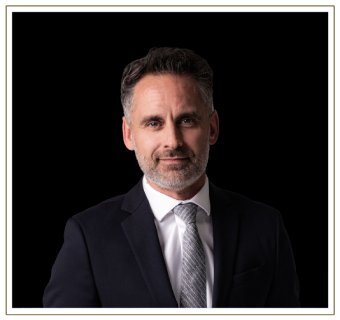
Dr. Scott Leune
Scott Leune, known as The Dental CEO, is one of the most respected voices in dental practice management. From his seminar room alone, he has helped launch over 2,000 dental startups and supported more than 20,000 dentists across practices worldwide. Named one of the 30 Most Influential People in Dentistry, Leune delivers practical, no-fluff strategies that empower dentists to lead with confidence, scale efficiently, and achieve real personal and financial success.
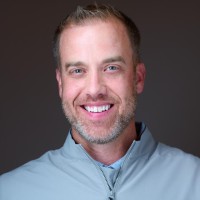
Kevin Tallman — CEO - Mango Voice
Kevin Tallman is the CEO of Mango Voice, a company that specializes in voice systems and AI systems for front offices in the dental industry. Mango Voice is focused on providing technology solutions specifically for dental practices, aiming to improve phone management and enhance visibility into phone interactions
Watch Episode
Read Full Transcript
Scott Leune:
Everyone listening to this podcast, this is an important one. We've got to have a reset of how we use phones, technology, our software and ai. Where is AI at today? That's what we're going to be talking about. I'm going to walk you through data from 12,000 practices with Kevin Tallman, the CEO of Mango voice, and we are going to show exactly what's happening today and what we should expect from ai. What should we change today in the practice? We need to make this easier for patients. We need to make this easier for our team for sure, and we need to thrive as a business. So in a world where we've got virtual assistants, we've got ai, we've still got old fashioned phones, we've got to do all this work. We're in a dental practice, need to reset. If you're doing it the same today as you did a year ago or as you did two years ago, you're already behind in doing it the wrong way. So everyone listen up on this very important podcast today on the dental CEO. Alright, so Kevin, thank you again for joining us now. People that listen to us, listen to us from all over the world. It's so cool how this podcast has grown to be one of the biggest in dentistry in the world. For those of you listening here, Kevin, like I said earlier, is the CEO of Mango Voice. And Mango Voice is a company that is on the forefront of technology and doing what we need on the phones. Kevin, could you maybe take a couple sentences and just tell everyone again who you are and what you do for those people who've never heard of you before?
Kevin Tallman: Yeah, first of all, thanks Scott for having us. Congrats on the success. You talked about the reach of the podcast. That's incredible. Mango Voice is a leader in voice systems and AI systems for front offices in the dental industry, something that's unique about us is we're focused on dentists. We're not trying to be everything to everybody. We've chosen this vertical. We're deeply entrenched in this vertical, and I know you talk about this a lot, but just how important phones are to a practice and our focus is how to bring technology that can help practices manage their phones much better and to get deeper visibility into what's actually happening on the phones.
Scott Leune: Okay, so there's two or three different paths I want to dive into after hearing you say that. So one path is that visibility. Let's just start there. The latest data I have said that a typical dental practice answers, or excuse me, misses about a third of their phone calls. Is that something that you guys are seeing on your internal data?
Kevin Tallman: So we track this every month and to give you an idea of how many practices we're looking at, we have close to 12,000 practices that use our system. So tons of data. What we're seeing is the average answer rate for the dental industry is 70%. That means 30% of your calls go unanswered. Here's the crazy data point that I don't think a lot of people talk about Scott, but this one is, the one that blows my mind is of the 30% of missed calls, less than 20% of those calls get called back. Meaning it's like revenue is just being lost because people aren't following up on missed calls.
Scott Leune: And what's interesting, so people probably don't know this about me, but a little more than a decade ago, I built what became likely the largest dental call center in North America answering phones live for dental practices across the US and Canada and scheduling appointments directly into the software. And we did it too early. Internet speeds weren't fast enough yet technology wasn't there yet. We were kind of ahead of our time. And so we had a lot of successes. We had a lot of struggles and one thing we also did is we call back missed calls. We had an entire department that was supposed to call back missed calls within a very short amount of time. And when we looked at the types of missed calls we were calling back when that missed call was an existing patient, calling them back was almost always a successful thing to do. And whether it was answering their questions or confirming an appointment or dealing with a complaint of some sort, those missed calls were helping to clean up the practice and maintain happy patients. When we called them back, when we called back new patient calls, only one in 10 or so hadn't already scheduled somewhere else. So in other words, when they call a dental practice and the practice doesn't answer, they're not going to wait and call 'em back later. They're just calling other dental practices and scheduling. So that's very interesting data. So 70% answer rate. What about this other really important number? What percent of the time when a practice speaks to a new patient, does the new patient actually schedule the appointment? The last data that I had access to showed that that number was 42% of the time. In other words, if we speak to a hundred new patients that called to schedule, even though they all called to schedule and we answered all those calls, a hundred calls, only 42 of those patients actually got an appointment that's scheduled rate or that conversion rate. Is that something you guys track?
Kevin Tallman: So we don't currently track that, but that's I think statistically where I hear as well. So this is actually what we're working on right now is the ability to actually track those new patient numbers and be able to alert the practice when a new patient doesn't schedule. So we're currently, that's actually in development, we're working on that. But yeah, like you said, I think those are the numbers we hear, which goes back to this idea of why aren't more new patients being converted and how do you get visibility and to see what's actually happening on those calls. This as well as anybody, you see some of these calls that go under these practices and it's tough to listen to, right? Because they're just not great at converting those new patients. And so all that revenue that's being leaked out, how do we develop software that can create faster feedback loops, get that back to the practice, let 'em know so that hopefully they can convert those before they call the next practice.
Scott Leune: Another way of looking at it is we spend all this money on marketing and we're missing 30% of calls. If there was this marketing option where you could press a button and suddenly your cost went way down for marketing with the same patients, we'd press that button. Well, that button is answering more phone calls and then a second button is like, well after you answer, you actually have to handle the call in a certain way that most patients will schedule. The natural way to answer a phone gives you poor conversion. The natural way is I'm busy, I'm doing five things at once. Someone's calling me, it's interrupting my moment. I pick up the phone, I wait for the patient's questions, I answer 'em as thoroughly as I can. And if the patient wants to schedule great and if not, then it doesn't happen. That's not actually a way that has been proven to get a whole lot of people to schedule. That kind of leads us to best practices of how to answer the call. Here is why I'm so excited about what you guys are doing because the old way of running a practice is I got employees that show up and they're going to answer as many calls as they can and I'm going to tell them how to answer the phone and try to train them, but they're basically going to do what they're going to do and then we're going to close and go home. But what you guys are doing is building out, or you have an AI agent and that AI agent learns its training and uses it. It doesn't forget it, it doesn't decide, it doesn't like it follows best practices and that AI agent answers the call at three forty two in the morning if it had to. It'll answer 10 calls at once if it has to. And so that's a very powerful thing. I'd love to hear an update from you on how that's going with the AI agent.
Kevin Tallman: Yeah, so our first thesis here was how do we eliminate the 30% of missed calls? How do we make sure a practice never misses a call again? And that's why we developed this agent. I think we're trying to kind of think about this as crawl, walk, run. I still believe deeply if a human can answer a new patient call, ideally that's the best experience based on what you said with the right training, they're answering the calls the right way. A human converting new patient calls is still ideal, but we know that that doesn't always happen. So we rolled out, we call her Margo, the AI receptionist, and we rolled her out in July and when we rolled her out, Scott, my thought was, I wonder how offices are going to actually utilize this and what their thoughts are going to be. We have Margo and about 500 offices right now and the feedback has actually been really incredible and funny story. We put it in one office and they called us and they said, Hey, we want to get rid of Margo. And we said, why? And they said, well, our front office has to follow up on all these calls. There's so many calls that Margot is getting the data on and getting to us. We can't keep up. And we told them, we said, well, isn't this a good thing? Isn't this what is designed to do? And they're like, well, we're overwhelmed. And I think it speaks to that idea of practices really don't know how many calls they're missing. And then when you have this agent who's answering all these calls and you're getting all that data back, it's overwhelming and you realize, holy cow, we're losing so much opportunity because we just don't answer our calls. So yeah, the feedback's been great as you know, or maybe you don't know. We brought on Lauren Nelson to Mango and one of the big reasons we did was we wanted to make sure our AI receptionist knew how to answer questions the right way and to be trained the right way. So when you take Laura's tacit knowledge and understanding and then you take our data set and you combine those two things, our prompting and training we feel like really is industry leading because we're bringing experts in and we have this incredible data set. So yeah, the feedback's been great and I think she's really helping practices pick up on revenue opportunities that just didn't exist.
Scott Leune: So we, I'm going to kind of describe my thoughts on this whole journey of going to AI receptionists. Right now we're in chapter one of AI receptionists where AI's job is to answer the call. We miss get some data from the patient and ask the practice human to call the patient back. So it's almost like a very good answering service in a way because answering services aren't typically scheduling. So it's like a very good answering service. And really what are we trying to achieve here? If a practice gets a hundred new patient calls and it only answers 70 of those and that it only converts less than half, we end up with 29 appointments, we could have had a hundred appointments. So what's the opportunity to get to a hundred appointments, not 29. So when Margot answers now as an AI answering service and sends the practices back this information, they go from 29 appointments scheduled and everything else lost to 29 appointments scheduled and another 30 potential appointments to schedule, which is amazing. It could double, triple, quadruple their practice over time. That's kind of chapter one. I think what's going to then happen is AI is going to be trained to convert, but in order to convert it needs to be able to schedule. So we're going to go through this kind of technological period where AI and phones software like Mango Voice is going to then connect and push and pull with the practice management software, which you guys are probably better at than anyone right now, and it is going to be able to schedule into a practices schedule in chapter two. That'll be a very simplistic way of scheduling, right? Yes, allocated blocks. They kind of stack in their very simplistic way or at least into a ghost column of some sorts and practices might be able to reschedule patients if needed. But that has to be worked out. Once that scheduling has worked out, we then get into chapter three which says, alright, now the AI agent who has been trained is actually going to start converting. So when we miss a call, AI will answer it and then talk to the patient with training to cause the patient hopefully to schedule an appointment that gets thrown into the software without digital dental practice kind of touching that. That's chapter three. And then what I think is going to happen is chapter four is going to say, oh, the AI got so good at converting that their conversion rate meets or exceeds that of a practice employee. And at that moment we don't have to answer phones. So that's a huge shift, but I think that's where we're going. And I wonder because when you look at, we've looked at some conversion data because we run AI over existing calls and those existing calls are handled by a virtual receptionist and real people and we are seeing AI being able to convert almost at the same rate as a human now. And I don't necessarily think it's just because AI is perfectly trained. I think when a patient knows they're talking to ai, suddenly they just want to get the task done of scheduling as opposed to fishing for problems and telling stories and feeling comfortable or not with the results of those questions being answered into scheduling. Kind of like in the past to schedule a reservation to a restaurant, we have to call the restaurant and they may or may not answer and they may not answer it well or they're rude or whatever. And now we just go online and we find the time we want, we click and it is reserved and so the conversion's very high. So that's kind of how I'm seeing it. Now from your standpoint with your data, this is y'all's world here, is there anything I said that you disagree with from your view? You're not seeing it go that way? Did I mess anything up?
Kevin Tallman: I don't think you messed anything up. So let me give you a few data points and then I'll speak to what you laid out. So we talked about new patient calls. So Margo last month took 30 something thousand calls, I can't remember the exact number. Okay. 93% of those calls were longer than a minute. That tells us that 93% of the people that called gave Margo their information, told them why they're calling you now have context on a call. So when you look at the data, our data shows a new patient that calls less, it's close, but right around 20% of new patients will leave a voicemail. That means 80% of new patients, if they hit voicemail, they're done, they're hanging up, they're moving on to the next. So we just took your probability from let's just call it 20% to 93% to get that information back. So one is are people willing to talk to these agents? Our data says yes, they're willing to interact and to your point, in some ways they like it. They can just say, this is what I want and the agent can help 'em with that. What we found with scheduling is each practice's schedule is so nuanced and so unique that the agents that are trying to break into the workflow without a separate column, some sort of blocked out for them are causing pretty significant problems from a scheduling perspective, it just isn't working. They just don't understand the schedule. And I think these agents, it's going to be one of two things. So the way we're approaching it is we want have a multi-pronged approach, which is let's say we're talking to a new patient and they say, Hey, I want to schedule appointment. We could say, great, I can send you a link to an online scheduler or I can help you schedule, which one would you prefer? So giving them options so they don't feel like we're taking 'em down one path and kind of trapping 'em in there. And to your point, we're working with most of the practice management systems to integrate this workflow in, so if they have online scheduling, we could get that to 'em or the way we see to your point is creating another column and saying, give us some times every day that we can just book into and you're just going to have to work 'em in. I think where I would say what will happen is we will build agents that will actually go in and analyze your schedule and become an expert on your schedule. They will know your schedule better than you know it. And then what will happen is when someone calls in that kind of AI receptionist will talk to your scheduling agent and say, when's the optimum time to put this person in? This is what they want to do. I think that's going to be, when we crest that kind of hill, it's going to be super exciting because these things are going to be so good at scheduling. So there's some work to do to be able to get them to really understand scheduling, but once they understand that they're going to be better than anybody in your office that's scheduling because they can retain so much information and they know exactly what to do. So if you're doing this procedure, they know exactly how much time that takes and they can put people in those slots
Scott Leune: And what a huge relief it will be for the people working the front desk to have the massive load of this disruptive work that comes in on the phone and have that load be shifted to something very efficient. So people listening to this, I think the way future says, we no longer need to answer most calls because AI will be able to do this, but between now and then we're going to see different iterations, different options, like you mentioned Kevin, sending them a link to schedule with an existing online scheduling software that practice may have practices that don't have that. It may be that the AI agent says, give me in general what you prefer and I will have our scheduler reach out to you to schedule this for you. And that scheduler could be texting the patient so that they don't have to pick up the phone and do it. And so there's going to be multiple iterations to get that person converted to an appointment. But I like thinking of phones in these two buckets. Can I answer and can I convert? So you guys are mastering right now solving the first bucket of issues. I can't answer all the calls and this is not the first time you've solved it, you've solved it in other ways in the past. So right now with Mango voice, if I don't have an AI agent and I miss a call, could I text that missed call saying, we're so sorry I missed your call, but please click on this link to schedule an appointment or text him kind of a follow-up message saying, Hey, we're going to call you within the next half hour. Can I do something like that?
Kevin Tallman: Yeah, yeah. So that's exactly right. So if you miss a call, we can send a text. And what's even better, Scott, with a lot of our partners, so I know one of your big partners is Curve. So if you call an office that has curve and a calls missed curve will actually send that message out. So now they're in your PMS. And that's really where I want Mango to go is to be much more ingrained in the PMS and much more ingrained in those workflows. I think that's the future of how can we get more things in the practice management system and make it more efficient for the practice. And so you're exactly right. So there's a way to do that. Not only that, but let's take Mango for example. If anybody at Mango misses a phone call, I get a text alert. I know real time because just like you answering the phone calls at Mango is super important to me. And if we miss one call, I want to know and I'll go talk to 'em and say, why'd we miss a call? Because it's important to me. I know that's our customer experience and it starts with me. And so yeah, we have other tools that can help practices today and a lot of those tools are built into our partners platforms, which I think creates more value.
Scott Leune: So if I don't have an AI agent, the office manager could get an alert sent to me every time we miss a phone call. And that is so important because we're still living in an age where nearly every practice is blind to all this. They really don't understand what's going on and it's terrible. It's like you own a restaurant and it's your dream to build it and you build it and you do all this work. You bring in the chef, you have great quality food and beautiful decor and you spend a fortune on marketing and you're just trying to make it, but your host is pissing off everyone trying to get a seat and they're just walking out, What a horrible thing when the gatekeeper, whether that's software gatekeeper or human gatekeeper, is preventing people from coming in. And that's what happens when we miss a call. That's what happens when we don't, don't convert. So you mentioned writing into, and I've mentioned pulling data out of the practice management software. This is something else I'd love to hear kind of where you guys are right now, but this is something that I've found to be one of your biggest strengths when, correct me if I'm wrong, but when a patient calls a practice, mango voice will look into the practice management software, find the patient's information and go ahead and write a transcript of that phone call so that we could always reference back whatever might've been said on that call inside of the practice management software. Is that correct?
Kevin Tallman: Yeah, you're exactly right. So this one kind of came about, it was interesting. I talked to hundreds of practices and I just said, what's a manual task that you do in your office that is critically important, but it never happens? And the number one answer I got was notes on phone calls. We want to know on every interaction with a patient. The problem is it doesn't happen, right? You take a phone call, you look up a patient's there to check in, another call comes in, it just doesn't happen. And so what we do is after every phone call inbound and outbound and voicemail, we give you a call summary and then we write that back as a note in the practice management system. In addition to that, you can click on a link and it'll give you the full transcript sentiment analysis, other data points on that call. And so I think this is Scott, where AI machine learning becomes really impactful is when we can take these very manual processes that are very important and automate those. And this is a prime example offices that use this. The way we looked at it, if you looked at the data and said, what if we wrote a note for every inbound and outbound call in a practice just by having this feature, it'll save your team an hour and a half a day that you now just got back to work on those higher better use cases for your practice. And so it's been a huge feature and we write back to pretty much every PMS in dentistry
Scott Leune: And the team member, okay, if you've got a team member that is able to create a note after every call, that would be amazing and unrealistic, but amazing that team member's not transcribing the whole call and capturing a recording of it and all that. So that is where we're coming in. Now you mentioned something called sentiment analysis. I don't think many listeners may know what that is. Could you explain what sentiment analysis is?
Kevin Tallman: Yeah, so what it says is, Hey, when this patient called in, were they happy? Were they neutral or were they pissed off? And a lot of times during a call it ebbs and flows. People are okay, they get mad, they get okay. And so what we do is we actually break that down through the whole call. So this was another thing I heard from dentists and office managers, which is, Hey listen, if it's a 10 minute call, I don't want to listen to a 10 minute call. Can you just tell me is there a two minute piece of this call that I need to listen to? And so what we do is we actually graphically represent this. And so you can just scroll to a certain point in the call, the transcript's right there, and we can show you, hey, we picked up on tonality and flex keywords, these different things you need to look at this point in the call. The other cool thing we've done as Scott is a practice can actually scroll to a specific point in a call and actually copy it and send that to anybody in the practice. And they click on that link, it'll go to that exact moment in the call. They can say, Hey, listen, review on this call. Let's take a look at two minutes and 50 seconds in that call where we picked up on somebody who was really upset and I think it's such a huge training aid.
Scott Leune: So I want to put this into practice for a second. Two examples. Example one, I'm a dentist. I am just now opening my practice, a startup practice, and I just live and die by new patient flow. I need the calls answered, I need them handled well and I don't have a full schedule yet. I'm trying to launch this practice that startup dentist need to become the pilots controlling mango voice. I need to be going daily and listening and looking at the negative sentiments, looking at missed conversion to try to understand do I need to train my people to say something differently? Are we not answering that question correctly? Or gosh, do I need to be in network with MetLife? What's going on? I need to correct those things at a very fast pace and in order to help me do that, I need technology to point me right to the spot I need to understand. So that's the first use case that is so freaking important is the startup dentist needs to become the pilot of this software. The other use case is a busy mature practice, maybe even with multiple doctors that has an office manager. This office manager needs to have a list of office managing habits. So they're going to audit this, they're going to look at that, they're going to balance deposit here, they're going to walk through the facility there. They're going to have a weekly office, whole list of habits. That list of habits need to now include an audit of the call sentiment. And so it could be daily, ideally it would be a very short daily thing so that we catch negativity quickly and can we address it, call the patient back, but a daily thing where I log in and at the end of the day, maybe I'm looking at today's calls and say, okay, what might've gone wrong? And when I say wrong, I don't mean for it to sound really negative. What it really is is for whatever reason the patient had a negative moment. That could have been us doing everything and the patient was just crazy or it could have been us doing everything, but our practice policy is difficult. So as an office manager, I need to have a pulse of that and that is a daily habit. So this is so freaking valuable. Now I hate to put you on the spot, and by the way, listeners, Kevin and I, this is an open conversation. There's no planned words or outline of what we're going to talk about or anything like that. So this whole thing is putting Kevin on the spot, but I'm going to put you on the spot a little bit and feel free to not be able to answer it if you don't want to. But this sounds so robust. That could also mean it's so freaking expensive. I don't know. Or maybe it's not. What should a dental office expect price-wise in general if they wanted to have this elevated level of phone infrastructure and AI support? And I know that changes over time, but is there a range or could you give us any sort of idea of what we might be looking at?
Kevin Tallman: Yeah, I think that's a really fair question. So looking at it data wise, the average dental office has five phones. That's just what the average is, right? There's more or less, but that's the average. So if you're looking at, Hey, I need phones and I want to be able to have transcript, sentiment, call summary right back, all those things together, you're going to be about $300 a month. And if you want to add Margot on top of that, you're under $500 a month. But this is what I tell practices. I say, if you could save an hour and a half a day, let's quantify that of your staff's time, how much money that's going to save you and let's just take one data point. If Margo can convert one new patient to your practice, it just paid for this whole software suite.
Scott Leune: Honestly, Kevin, I don't think you even need to explain because three to $500 a month is nothing. You're already going to spend almost all of that with just about any kind of phone system. You're going to spend that with the phone systems that don't do anything that you want it to do is just calls are coming in. But yeah, of course. So the last data I saw, a typical new patient will spend more than $1,200 in the first year they're scheduled. And a typical recall patient will spend a little bit more than $800 in the next year. And so answering any call that results in one extra patient, obviously just pace for the whole thing. But there's just so much to be said though about what you, Kevin, what you can't measure that is that if we have the phones handled well and AI is helping us, all the other money we'd make as a business because we have the time to do the other things, that's the real money because it's those other things we have to stop doing to answer the phone. So those other things hold a lot more value. Many times this is like a no brainer. I think every single dental practice I could imagine, every model I'm thinking of right now would need this level of maturity in their phone software instead of being kind of the old baby boomer style set up practice of landlines and maybe you route something after hours to an answering service that can't do anything. Okay, so putting this together now we've got this whole other component of staffing a practice that says there's this tool of using virtual admin people, like maybe an admin person from another country working through a company you hire that could do tasks for the practice. One older way of answering more missed calls was to route a missed call to that virtual person and they could answer. But if we have AI answering, we don't have that issue. However you said that there's calls that can come in and patients will abandon the call, they won't leave their information, they don't go through the whole process. And so there's a loss there. Can I get an alert that that happened and could I make an outbound call to that patient? Is that possible?
Kevin Tallman: That's actually great. The answer is no, but I think that pretty easy for us to do. That's interesting. So call comes in and they say, Hey, I don't want to talk to this agent. I want to route that some other way. I think that makes a lot of sense. And I think this actually brings up, and you may not have thought about this, this is actually a super important point that you're making right now when you think about these AI platforms, because a ton of 'em in dentistry, they're coming in every day. You have to think what's the underlying platform that's going to power these? What I mean by that is a lot of these AI systems today can't exist without a mango, meaning that call can't get to them unless we give 'em that call. And to your point, the ability to take a call and route it and move it around, you have to have a platform like Mango. These other companies, they lack the ability to do that. So maybe we'll call this the Scott Luna feature. I'm going to call our dev team right after this, Scott and talk to 'em about routing those calls. It should be pretty straightforward, but that's a great call out.
Scott Leune: Yeah. Well, here's what I'm thinking because right now the way AI is set up is it's a very strong answering service, but the answering service requires an outbound call at some point or an outbound text to schedule. So even a successfully answered call by an AI agent still as of now is going to need an outbound practice effort. But then you ought have the unsuccessfully managed call, meaning the AI agent did everything was supposed to do, but the patient just abandoned it. And that could be an outbound effort to go save that patient. And these outbound efforts can be done by virtual admin staff so that my onsite employees that are handling patients face-to-face aren't going to get overwhelmed by all this added workload. And so it'd be nice to see those types of things happen. Also, if a patient calls right now the value of an AI answering service, handling a call of an existing patient that's got a question about a statement, it's not a lot of value there. So it'd be nice to phone tree these patients. Press one for if you're new to the practice or would like to schedule an appointment, press two for our billing and insurance department. So when people press one, that's a scheduling call. We're going to put the AI agent in line whenever the call comes in, whether that was successfully converted to data or not, we have an outbound effort that's triggered, that's the workflow of press one, press two, building an insurance department that might need to be routed to my employees or maybe I'm outsourcing to a virtual admin or to a virtual company. So there gets to the point where the setup of this and kind of the customizations is going to be important because practices are now kind of using new innovative models of staffing themselves. Does that make sense?
Kevin Tallman: Yeah, that makes total sense. And I'll take it further, which is our agent is getting really close to, let's say you called in Scott and it's like, I know you have a balance. I know everything about you. I know when your next appointment is. I know what the probability of you showing up is. I know if you have a balance. And I could actually just route that call based on those parameters. And some of that may be, hey, billing calls. I'll tell you what we recommend to practices at mangoes. We say just send all your billing calls to voicemail or the agent because now you can actually figure out what they want and you could be prepared for those calls. So a return call for a billing question now on average is like three minutes if you just take a billing question because you got to go in, you got to look up all the data, you got to figure out what's going on. Those calls can take anywhere from 10 to 15 minutes. So it's these small, to your point kind of strategic, I'm going to do this with these calls can save your practice so much time and so much headache.
Scott Leune: Yeah, you're definitely preaching to the choir because that exact thing you said, and I'm curious now, I started teaching that in 2008. So I'm a big proponent of in the old fashioned way of routing phone calls, if you phone tree it out, someone presses two for the billing in each department, have that go to voicemail because nine times out of 10 they'll leave the voicemail and then you've got all this time to on your downtime, prepare for that call.
Kevin Tallman: That's right.
Scott Leune: But what's interesting too is if we send a patient to ai, if it's a billing and insurance call, that is the call came because they got a statement. We might see patient behavior is different with an AI agent to a human to patient behavior might be, I'm mad, you said insurance couldn't pay. What happened? I don't want to pay. But a patient that calls and gets sent to an AI agent that they know it's an AI agent, they may just click a link and pay. They may just make this a simple thing. So what's interesting too is I bet what you guys are going to do at some point is call comes in and the AI agent someday will be the first line of trying to handle all kinds of calls. And if that isn't working, a patient could dial to press to speak to a live person at the end of that process. And then where that is routed will be interesting and how we handle the missed call on that side could be interesting. But I bet we're going to have an AI agent that could get 95% plus of these calls handled and still give the patient an option to talk to a live person either now or later. Do you agree that that could be what the future might look like for us here?
Kevin Tallman: I think in the next nine to 12 months, auto attendance or IVRs are dead. Voicemails already dead. But you're exactly right. This call comes in, your agent will pick it up and it'll take the call from there. There again, that's why this platform concept becomes so critical because you need the ability to be able to move these calls around and do different things based on what's happening. So I agree with you and I don't think it's that far off.
Scott Leune: Yeah, well this is all good news to dentist and to dental team members because having a huge load of phone calls being dumped onto the practice, while it's all opportunity, that's a good thing. But to a team member that is behind for the day, having to now handle that work is difficult. AI solves for that to the dentist, missing all these calls or answering them, but not converting 'em or not understanding why patients aren't scheduling it. That's all horrible. And AI is going to handle that. There's going to be a day where instead of today's numbers, a hundred new patient calls 70 answered 29 appointments. Today's numbers, we only get 29 appointments. There's going to be a day without spending any more money. We are going to get way more than 29 appointments. It could be 69 appointments. And the difference between 29 and 69 appointments is life changing for the practice. It means that practice might have three locations over the next 10 years instead of one or associates, or they might be able to drop Delta within two years. Everything changes when that first domino falls that say, we're going to triple our new patient load coming in because we've optimized phones. Very cool. Well, as we wrap this up, Kevin, is there, well first, if someone is interested in getting a demo of how you guys are doing this now or getting a demo of what this AI agent looks like today, what's the best way for them to connect with you guys to see that?
Kevin Tallman: Yeah, you can go to mango voice.com or you can email sales@mangovoice.com and we will take care of you. We'd love to show you what we've got. We're the number one platform for dental offices. There's a reason why, and I think something else that differentiates us, Scott, really is really the experience. Our support is all here in southern Utah where we're based, I care deeply about this. I care deeply about dental community and we want to continue to innovate and support dental practices. It's just that's who we are.
Scott Leune: So mango voice.com. So in the future, I'll just ask my AI agent to talk to your AI agent and get a demo served to me on my phone with a link or something like that will happen someday. Maybe my AI agent will be ordering food for me depending on what I haven and haven't eaten lately. I mean, who knows what this world's going to look like. Okay, so to wrap things up here, are there any kind of last thoughts that we haven't talked about, something important or something important for you to say that you'd like to leave us with?
Kevin Tallman: No, I think we hit on some really important things, and I think you hit on this and you've been teaching this for such a long time. You have to understand what's happening on the phones in your practice because that is such a huge revenue driver for you. And if you can figure that out, I think you said it well, it literally could change your life, this one thing and getting that right.
Scott Leune: Yeah, I'm so tempted to buy practices. Just fix the phones, let that cook for a year and sell the practice. Flip that practice with Scott Leune on a and e because it will change everything when you do that. Alright, well Kevin Tallman, thank you so much. CEO of Mango Voice listeners, I hope this was valuable to you. I challenge you to go back and look at your phone system and ask yourself, have you updated it to today's technology? Do you know what's happening? Do you know your numbers? How many appointments are you getting? And if there's a gap anywhere, close that gap. Now. Mango Voice is one company. They could be the solution for this. Just get that gap closed and watch your career get better after that. Alright, Kevin, thank you so much. I really appreciate for you. You've taking the time out to be on our little dental podcast here. And everyone thank you so much for listening. Until next time, this was the Dental CEO podcast.



SUBSCRIBE TODAY
Subscribe now and receive a 25% discount code for Scott Leune’s upcoming events. Plus, get podcast episode alerts and exclusive subscriber perks.