

Dental CEO Podcast Episode 62: What It’s Like Building a Startup Right Out of Dental School
In a recent episode of the Dental CEO Podcast, host Scott Leune engages in an enlightening conversation with Emily Magee, a dentist in Round Rock, Texas, who shares the fresh challenges and triumphs she faced in the first five weeks after opening her practice. The dialogue offers a real-world perspective on initiating a dental practice, balancing professional responsibilities, and the critical impact of early decisions on long-term success.
Highlights
- Emily Magee’s journey begins only three years after her graduation, embarking early on the path of practice ownership.
- Despite the stresses and learnings of the startup phase, Emily highlights the supportive role of her husband and mentorship in navigating these challenges.
- The practice, designed to offer a top-tier patient experience, leverages advanced technologies like dual column operation and sophisticated imaging systems to enhance dental care and efficiency.
- Emily discusses the strategic utilization of social media and targeted marketing strategies to build initial clientele and brand presence effectively in a competitive dental market.
- She shares insights on managing the financial aspects, including the effective use of substantial working capital and early decisions regarding staffing and marketing investments.
- The conversation closes with Emily’s visionary outlook towards expanding her practice, emphasizing the importance of cultivating a solid operational foundation that supports future growth across multiple locations.
Speakers
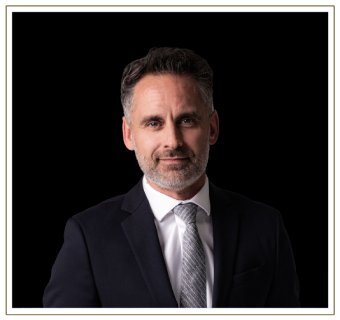
Dr. Scott Leune
Scott Leune, known as The Dental CEO, is one of the most respected voices in dental practice management. From his seminar room alone, he has helped launch over 2,000 dental startups and supported more than 20,000 dentists across practices worldwide. Named one of the 30 Most Influential People in Dentistry, Leune delivers practical, no-fluff strategies that empower dentists to lead with confidence, scale efficiently, and achieve real personal and financial success.

Dr. Emily Magee — Owner - Cusp Tooth Co.
Dr. Emily Magee is the founder and owner of Cusp Tooth Co., a cosmetically focused general dental practice she launched as a startup in Round Rock, Texas in 2023 — just two years out of dental school. Operating in-network with major insurance plans, her practice is built around a patient experience that blends technology-driven case presentation with a strong emphasis on cosmetic possibilities. With a 1,750-square-foot, five-operatory facility and $200,000 in working capital at opening, Dr. Magee’s startup stands as a model of disciplined financial planning and early execution. Her long-term vision is to expand into multiple locations, with the systems and training infrastructure she’s building today designed to support that growth.
Watch Episode
Read Full Transcript
Scott Leune: All right, Emily, so thank you again for joining us. I'm really excited to have you on because we're going to talk about your story and your story, I think, is going to resonate with a lot of dentists that are wondering should they own a practice, wondering should they do a startup? The more we hear about other people's experiences, sometimes the more confidence we can have, or at least we've learned what it's like. And that's really valuable. And you coming on and giving that to the profession I think is a wonderful thing. Now, before we dive in though, could you please just say a little bit about yourself? Who are you? Where are you located? What are you up to?
Meet Dr. Emily Magee: Opening a Startup Practice Three Years Out of Dental School
Dr. Emily Magee: Yeah, so I'm Emily Magee. I'm a dentist in Round Rock, Texas. I opened a practice. It's been like five weeks now. So I'm about three years out of dental school, not even quite three years yet. I'm from Dallas originally. My husband works for Invisalign. That's me.
Scott Leune: So this is really, really interesting because five weeks out from opening, you are basically ... One way I might describe it is a shit storm of stress. The time leading up to opening, including approximately three months or so after opening is some of the most stressful months of a career when you do a startup practice. So we're literally talking to you at the peak of that stress level, which is interesting. And also what's really cool is that you've only been a dentist for almost three years and building a practice can take a year to a year and a half. So you've gotten started as early as possible actually
Dr. Emily Magee: In your
Scott Leune: Career, and that makes you incredibly unique. Okay. So let's talk a little bit about what the practice is like, and then we can kind of rewind a bit in the story and talk about the journey getting there. So right now you said you're in Round Rock, Texas, which is, for people that don't know, that's a suburb of Austin, Texas. And you've got a practice called Cusp Tooth Co. Super cool branding, really cool facility. The site, the photos I've seen are awesome. How many operatories have you constructed in that facility?
Inside Cusp Tooth Co.: Practice Design, Equipment, and Build-Out
Dr. Emily Magee: We have three built out. Five total.
Scott Leune: Okay. So five are constructed and three are equipped?
Dr. Emily Magee: Yes.
Scott Leune: If it's okay, I'd just like to ask you a bunch of questions about the products and things you got. So do you have a CBCT or a panel or anything like that?
Dr. Emily Magee: Yes. We have the Ray Scan CBCT.
Scott Leune: Okay. And what product management software are you using?
Dr. Emily Magee: We're using Curve.
Scott Leune: Did you hire a credentialing company to help you negotiate your fees or help you get credentialed in network or are you fee for service? What does that whole thing look like?
Dr. Emily Magee: Yeah, so we're pretty much a network with every major company right now. I did use PPO profits. Getting credentialed with insurance was way more work than I had ever realized. I'd never had to do that for myself before. PPO Profits took it over and has made it super easy.
Scott Leune: Awesome. And if you, just to get kind of our bearing straight here, what is a typical in-network fee for you for your office right now for a crown? What would you guess that to be?
Dr. Emily Magee: Depending on the insurance, it's like 800 to 1200.
Scott Leune: 800. So maybe a thousand bucks kind of an average is for a crown. Okay. And that helps because we got listeners in Canada that get way more than that. We got listeners in the Northeast. Yeah, we got listeners everywhere. Okay.
Dr. Emily Magee: And
Scott Leune: So you've got this five operatory practice. How many square feet is that?
Dr. Emily Magee: It's about 1750.
Scott Leune: 1750 square feet, which is a really efficient use of space because the 1750 may only have 1600 usable and you're able to get five ops in there and that's really efficient use of space. Who designed the practice?
Dr. Emily Magee: It was Lean Dental Design.
Scott Leune: So you followed the playbook that we teach in our events.
Dr. Emily Magee: I have a joke that I will follow you blindly. If you say it, I will do it.
Scott Leune: Okay. Well, I hope I've said everything correctly.
Dr. Emily Magee: So yeah, I followed your playbook for sure.
Scott Leune: Okay. Awesome. I've seen the office on photos. Beautiful office. Everyone, by the way, everyone listening to this, what's your website so they can go look at your office?
Dr. Emily Magee: It's cuspsmiles.com.
Scott Leune: Cuspsmiles.com. Go look at the practice. It's beautiful. You've got five operatories in a small footprint, which means ... Okay, so let's talk about this. You did not have a big space, which means you had some construction cost savings compared to if you did have a big space, right?
Dr. Emily Magee: Right.
Scott Leune: And you probably were very thoughtful about the equipment you picked. Is that correct?
Dr. Emily Magee: Right.
Startup Financing: How Emily Built a $900K Practice and Kept $200K in Working Capital
Scott Leune: How did the budget work out? When the dust settled, how much was your loan and how much money after landlord money's come back in, which may be happening soon, how much money is left over?
Dr. Emily Magee: So I had a $900,000 loan. The build out was about for construction loan, I think it was around 360, and I believe our equipment was around 160. When all was said and done, we had about $90,000 left in our equipment budget. So we actually ended up equipping our last two rooms and then we were able to order another x-ray, a handheld gun and some other equipment, just smaller stuff that we just had the extra money in the loan and we spent it.
Scott Leune: That's really significant because most dentists that are doing startups, they burn away all their construction money. They have to steal money from their equipment side. Then they don't have enough money to get all the equipment they want or need. You actually were able to have a ... It's a big number, 360,000, but in the scheme of things, it's actually a smaller number than most dentists have in construction, in part because Lean Dental Design designed it and you had a small footprint. Then you saved a bunch of money on equipment. So you were able to spend an additional 90 grand on equipment more above and beyond the minimum you needed. That is awesome. And how much working capital do you think you're going to be left with once the landlord money's come in and all that happens?
Dr. Emily Magee: With the TI money, we'll have about 200,000.
Scott Leune: $200,000 in working capital.
Dr. Emily Magee: Yeah. Thank goodness.
Scott Leune: So a typical dental startup has less than 50 grand, although they wanted 75. You've got 200,000. So in essence, you are protected. You could grow if you needed to. You could support this practice for years of losses, for some unfortunate reason that happened, without adding risk to your family. You've got so much working capital that this was a very conservative way to build a practice. You are absolutely protected. I don't meet a lot of people that were that successful in implementing the model where they actually are left with that kind of working capital. Let's say the top third of the people that I've worked with in the past do not ... Two thirds of them don't get as good as you just did.
Dr. Emily Magee: So
Scott Leune: You are in a position of strength. That's amazing. Now, five weeks in is typically a slower time. Practices typically start ramping up month three to six, and then once the first recall cycle comes back in, they step up even more. How's it going right now? Granted, we're having this conversation in the beginning of April. From March through May, dentistry's kind of slow. So if I had to predict, I would predict you've got depressed patient flow just opening in a slow part of the year. Am I right or am I wrong?
Dr. Emily Magee: Well, currently we're booked out two weeks. That's been kind of crazy. I mean, it's just me and my one assistant right now, so booking out two weeks is only one column. It hasn't been as slow as I expected it to be. It's actually been pretty good patient flow wise. We had, I believe, four new patients this week. I think we have 10 next week. So that part of it is going well. I'm hoping it's not just new shiny dental office around the corner. It'll probably slow down, but I'm hoping it stays consistent.
Scott Leune: And are you working somewhere else as well, or is this now the only practice you're in?
Dr. Emily Magee: So I work a temp job just on an as needed basis. So if they have a doctor out, they have five locations, they'll call me and see if I can cover it. But my office is open Wednesday, Tuesday, Tuesday, Wednesday, Thursday now. So I only have Mondays and Fridays, and there's plenty of work for me to do on those days off. So I'm pretty much here full-time.
Scott Leune: I'm going to kind of sum up a few things you've said. You were so good at the planning phase, the design phase, equipment phase, and building this office that you were able to open with $200,000 of working capital. You're in network with most plans. You used a fee negotiator to help you do that. You've got five ops in the practice. You've got more equipment than the minimum because you were able to buy extra with your budget and still have 200 grand working capital. You're booked out two weeks in one up being open Tuesday, Wednesday, Thursday. So you got kind of the three days on, four days off kind of schedule, and you're available to temp elsewhere whenever needed, but you've got so much working capital that you don't have the financial pressure of having to kind of make a bunch of money in other people's practices. You've got a lot of working capital to give you some flexibility there.
Okay. So let's back up now. I really want to hear your story. So you graduated dental school what year?
Dr. Emily Magee: I graduated in 2023.
Scott Leune: And when did you decide you wanted to do a startup?
The Case for Starting a Dental Practice Early in Your Career
Dr. Emily Magee: I decided I wanted to do a startup in January of 2025. So I full transparency was at my associateship. I was really enjoying it. I liked the people I worked with. I had not reached that like, "I've got to get out of here," mentality yet. My husband is my business brain, I call him, and he found your course and he's the one that ended up signing us up for it. It was on his birthday weekend and he was like, "This is what I want to do for my birthday." And so we went together and we signed up for the mentorship program before we left.
Scott Leune: Yeah. So what you're talking about is our startup and design course. And then you went into our startup coaching program where we help with the logistics of the whole process of building out a startup practice. So you weren't a dentist for very long, but you were able to qualify for a $900,000 loan. Sometimes dentists have a harder time qualifying for that. What was that like and why do you think you're able to qualify for a loan like that?
Startup Financing: Getting a Dental Practice Loan as a New Dentist
Dr. Emily Magee: So I had to provide my production numbers. I think that was a big part of it. I did a lot of Invisalign at my last office, which bumped my production numbers up a lot. And that was the main thing they looked at. We had to have a certain amount of savings. So our personal finances, we saved for about four months before we applied for our loan on top of savings we already had, but the production number ended up being the biggest thing.
Scott Leune: And so then you started the process and our crew was helping you along the way. You analyzed demographics. Did you know you wanted to be in Round Rock or were you looking at kind of a broader area?
Location Strategy and Choosing the Right Market for a Dental Startup
Dr. Emily Magee: So I wanted to be where the best spot was. Round Rock was kind of on my radar. I worked similar area to here at my last job, but I used Dentographics to run a report on the Austin area. So we ended up looking in Round Rock, which is about 20 minutes north of downtown. We looked south of downtown as well. We kind of picked our location based on that.
Scott Leune: Of course, you went through the whole design process. Used Lean Dental Design to design it. And what was that process? Well, actually, let's back up a bit. Why weren't you scared to own a practice? Why weren't you the dentist that says, "I need to work for a DSO for 10 years." And why were you jumping into ownership? Was it you? Was it your husband?
Dr. Emily Magee: Yeah. So he's my business partner. He is my business brain, like I said. He was the one that was like, "You can do this. You would be great at this." And I already felt good being a dentist. I feel like I thrive as a dentist and this was just kind of the next step. But one thing that you said at your seminar, the very first one that we went to, you were like, "Don't wait, do it now." And looking around that room, I was one of the youngest people there. A lot of people I talked to were 10 plus years out of school. And in my mind, I was like, "I'm not miserable at my associateship yet, but that day will come and I could either start this now and be five years into that now or by the time I get tired of my associateship or I can do it now."
Scott Leune: Yeah. Yeah. And another way of looking at it is at some point you make more money and you're happier and have more freedom because you own it and every year you wait is that year you lost.
Dr. Emily Magee: Exactly.
Scott Leune: So at some point your income from owning your practice is going to be significantly more than an associateship would've been. And every year you waited to own was a way, as a year you paid the universe just to procrastinate. You paid the universe a couple hundred grand just to procrastinate. And so what's really neat though in your story is you said that your husband said, "You can do this." And so many of us need that person to believe in us, to say it. It's almost like we need the reassurance, we need permission, we need validation, and a lot of us don't have that. And so I think that's really cool about your relationship is your husband, it sounds to me like, I'm just judging him right now, but sounds to me like he is really betting and believing in you.
And you don't know how it's going to go and you've never done it before, but what he knows is he knows you. And so whatever that journey looks like, if it's easy or hard, if it's bumpy or not, you're the one on it and he's betting on you and on the two of you. And that's a really cool thing. I think you're going to look back at this episode three years from now and you're going to watch it and you're going to smile because you're going to realize what you started building right now, what it's become three years from now is going to be remarkable. Okay. So let's go into some of the mechanics of this. You're barely open this practice, but what was your marketing plan? What did you do? Could you walk us through kind of the decisions around that?
Marketing a Brand-New Dental Practice: Social Media, Google Ads, and Word of Mouth
Dr. Emily Magee: Yeah. So early on, the first thing I started doing was social media just to just share about the construction, get my name out there, kind of separate myself from my previous associateship, things like that. And then we did use dental marketing to do all of our marketing. So we're currently running Google Ads, mailers. We also picked a location in a really high foot traffic area. So that's been, I mean, word of mouth marketing has probably been our biggest success so far. We have a big neighborhood right behind us and most of our patients have just come from seeing us.
Scott Leune: So you mentioned dental marketing. It's dentalmarketing.com. It's the same company that I use in my own practices. Have they turned on the AI agents that do search engine optimization for your website yet? Do you know if they've turned that on? I
Dr. Emily Magee: Think that they have. My husband is handling more of the marketing, so I'm kind of hands off on that, but I think that is on.
Scott Leune: Well, let's go down that path for a bit. So how involved is your husband? From a working hour standpoint, he's got another job. He works for Invisalign, but what kind of time is he putting in and how is he helping you in this process?
Dr. Emily Magee: He's helping me as much as he can. I mean, he's working full-time, but he's at this office every other day. Either he comes in the evening or he comes early in the morning just to help. He's really great with marketing and sales. He used to help train me when I first started working, just getting more comfortable with my conversation and selling treatment. Now he's helping train my front desk and he's like all the marketing meetings he's taking. So he's taking on that role a lot so I can just focus on dentistry, training my assistant and running the practice from that end.
Hiring Your First Team and Using Virtual Staffing for Insurance and Billing
Scott Leune: What's common in startups is the first employees you hire. Many times they're no longer there a year later because maybe they weren't the right fit or maybe the practice, maybe their expectations were a little different. They'd never been in a startup before. Or maybe they got used to seeing a low number of patients in the beginning and now a year later they think it's way too much. There's all kinds of reasons why. How did you find your first two employees?
Dr. Emily Magee: My first two employees both came from Indeed. That's where I put the ads out and we interviewed quite a few people for both positions. So I have a patient coordinator who's running the front desk and one assistant and they both had never worked in dental, but their personality and the way they interviewed, I knew that's who we wanted. And it's been a great decision so far. They're both really awesome.
Scott Leune: So having never worked in dental, are they managing the claims process, the collections, revenue cycle management, or have you outsourced that to another firm?
Dr. Emily Magee: Right now, my patient coordinator is handling all of the insurance. We are going to use REACH. We actually have interviews with them in two weeks. Just at the very beginning, doing REACH and trying to train my patient coordinator was too much. I was like, "I don't even have a plan for her. Much less able to train this REACH person." So we kind of pushed that off. I believe we're going to interview the REACH personnel in about two weeks and then have them take over the insurance.
Scott Leune: Excellent. So for the listeners, REACH is a company that finds you virtual employees. They're not necessarily employees. They're REACH is employees, but it's a person in another country that's been trained to work only for your practice. And they could do things like verify insurance, process EOBs. They can answer calls you missed. They can confirm appointments. They can do a lot of things like that. And it typically costs you about $11 an hour to have someone work just for you full-time. These are people that are typically college educated, ages 30 to 50. Many times most of them are female. Just demographically, that's what they are. And this is a very good job for them. They speak perfect English. And because they have this job, they may live in Brazil. It might be the top 25% household income when they have this job. So they're very thankful to have this job.
And this company is finding you then, or found you, a bunch of people to interview, and you're going to pick one and with the company, train them to be custom to just help your practice. Did I say that correctly?
Dr. Emily Magee: Yes, exactly. So the goal is for them to take over all the monotonous, like calling insurance, checking on claims. I just needed my patient coordinator to be trained enough herself so she can kind of monitor the reach person and keep an eye on that, but that will take so much off of her plate. I mean, that's a huge job, a job in itself to just run insurance.
Scott Leune: Now, I'd like to switch gears a little bit. Are you actually sitting in your office right now or are you sitting at home or somewhere
Dr. Emily Magee: Else? I'm in my office. Yeah, at the
Scott Leune: Practice. So for people that are just listening, she's got ruin scrubs on with her cool modern logo. Behind her, she's got a beautiful mural it looks like. And her office is gorgeous. When you walk into that, I'd like you to describe how it feels to having ... You've built your own thing. You made every decision and now you're walking into something that you built. What is that like? What has it been like?
Dr. Emily Magee: It is so surreal sitting in this building every day. The other day I was sitting in my lobby and I was just looking around where I was and I was like, I'm sitting in the 3D rendering of my practice. It was this time last year we were looking at all the plans and everything. And just to be sitting inside of it is every day I feel like it's not real. It's crazy. It's weird to be by myself. I'm the only dentist here. I'm the owner. People look to me like the owner now, which is just, it's a role that I'm coming into. But yeah, surreal is the best word every day still.
Scott Leune: Do you feel like being the creator of this practice, the owner, the soul dentist, do you feel like the patient base and the employees look at you differently or treat you differently than when you're an associate in a different practice?
Dr. Emily Magee: For sure. I mean, patients come in and honestly, they see this place and they're like, "This is amazing. How did you design it?" Singing our praises a lot with the design and the experience. I've put a lot of time as much as into the interior design as I did into the patient experience. So people are just super thankful and I think experiencing dentistry differently than they ever have. My staff is such an interesting change. I am not the associate dentist that doesn't make any calls anymore. Every decision is mine. Everyone's looking towards me to have all the answers, which I definitely don't. But every day I'm learning more and we're all learning together. They've been super flexible. So just learning that dynamic of I'm not the associate that's super close, friendly with her assistant or staff anymore. I have to be someone's boss now.
So I'm learning.
Scott Leune: Yeah. And you say you focus a lot on the patient experience. For people that don't know Round Rock, they might assume, "Oh, if Round Rock is part of Austin, this is a big bustling metropolitan area of high rises and things like that." What is your demographic like, the patient demographic that comes and sees you? Could you kind of describe the neighborhood, the area, what they're like?
Dr. Emily Magee: So Round Rock is the place where young families are moving. My demographic is usually between 28 to 40 with one or two kids. Typically, every story that I've heard so far is, "Yeah, we used to live in Austin. We moved Round Rock a year or two ago. We really love it because the kids like their school and that kind of thing." So it's definitely not the younger downtown crowd of Austin. It's definitely a more established crowd, which is another reason I liked Round Rock. I wanted to serve people who are a little bit more established in their life and have a little more money or whatever the case may be, whatever they moved out here for.
Scott Leune: Yeah. It seems to me that that's where people go to start and build a family and to almost live in a way that is more like a smaller town than a bustling metropolitan city. And so I think that there's a lot of similarities between Round Rock and where a lot of other dentists work where it's just normal, regular people. There's some blue collar, there's a lot of middle class, there's people having families and they're just looking for a great practice to see their family. They're not necessarily looking for all on X or huge cosmetic cases or anything like that. If we talk about the dentistry, what kind of dentistry do you do? You mentioned Invisalign, but how would you describe what kind of dentist you are clinically?
A Cosmetically Focused Dental Practice
Dr. Emily Magee: So I am a general dentist. I do a little bit of everything, but my practice is a cosmetically focused practice. Every patient that comes in is getting a smile simulation. We're going over Invisalign needs wants. I have a whole new patient paperwork form about their smile goals and all those types of things. My goal with this practice was to present dentistry in a way that had never been seen before, and that is to show people what's possible. So when people sit in my chair, we're going to talk about your cleaning and your fillings and all that boring stuff, but I'm also going to show you what your teeth would look like if we were to do the Invisalign. If we did a whitening, if we were to do veneers, because in this day and age with Instagram and TikTok, people have thought about doing their teeth.
Whether they've really thought about it or they've seen a filter, it's on their mind. So I want it to be the dentist that's like, "Let me just put this in your brain and show
Scott Leune: It to you." So you're showing them with a digital scan, you're showing them with photos, external intro photos. You mentioned smile simulation. So that is where you use AI or you use a filter or an app or software and you create kind of a mock-up. It looks like a real image, but it's a mock-up of what they could look like if they had perfect teeth. Are you using AI on the x-rays?
Dr. Emily Magee: I am. I'm using Pearl and that's been great because another big thing I like about my iTero scanner and Pearl is like, you don't have to listen to me or be convinced by me. I can just show it to you. So I always pull up the X-rays and I show them the Pearl on the TV in front of them. And between that and the iTero, I mean, treatment sells itself.
Scott Leune: So here you are a younger dentist and you're seeing families that you're brand new to them. They clicked on an ad or something. And you're telling me that you don't really have a case acceptance issue because instead of having to convince them they have an issue they can't see or feel, you're just teaching the technology to them and the technology is the proof that they need something. Is that how you feel about it?
Dr. Emily Magee: Definitely. I mean, we've been open five weeks and I think I've done more crowns than I've done fillings at this point just because between Pearl and between the iTero, them seeing it, I mean, I haven't had any issue getting people scheduled, which has been awesome.
Scott Leune: That is incredible. And you're too young to probably be able to start estimating financially what's your breakeven point or financially how much might we produce in a month. You're so young still. And a lot of times in the first month, I mean, a practice could only do 10 grand in production and that's actually a normal first month. It could be that practice could be collecting one and a half million that year, but month one was only 10 grand. That's how early you are. If you're comfortable, do you have a sense on what the numbers look like so far, just so other dentists can kind of understand what normal looks like?
Dr. Emily Magee: Yeah. So I've closed, I think we're going to be between 10 and 15,000 for the first month. That's all. I said a lot of crowns. I've started an Invisalign case. I believe another one went through today and then a veneer case. So between those two things, between 10 and 15.
Scott Leune: Yeah. And do you see it realistic that two months from now, considering the amount of crowns that are starting to fall in your schedule and the amount Invisalign cases you've presented and getting accepted, do you feel like two months from now you could be at the 30 or $40,000 mark?
Dr. Emily Magee: If the patient flow stays the way it is, I think that would be for sure. Because I'm presenting Invisalign or whitening or veneers to every patient I see, I mean, just presenting it that often, you're going to get some yeses. So that is the goal. I would like to be to 30,000 by month three.
Scott Leune: So if you go back to the seminar you attended on startups, there was a slide that I gave you as a download that shows you on every single month what the average collection is per month to achieve a $2 million startup with 50% overhead over three years. So you hit two million by the end of the year or the third year is two million and you take home half of that. And so it'd be interesting, I think for you to find that handout, and my team could send it to you as well, and every month compare yourself to where you're at. It'll validate for you how things are going because sometimes someone might be listening to this saying, "Oh my God, only $10,000. I mean, I already do 80,000 myself and my associateship." Yeah, I get you do. That is not the reality of a startup practice.
You open a brand new business in the first month, you're just getting open, right? People aren't even saying yes and getting things scheduled yet, right? But that same practice can take home a million dollars take home pay within a few years, and then you're sitting in a different position. So how do you feel about the management of these employees to brand new employees? You've never been an owner before. What has this been like?
Managing Employees and Building Training Systems From Day One
Dr. Emily Magee: My staff is great, so they've made it easier, but I mean, it's just hard. Managing people is hard. Knowing how to train people is an entirely new thing for me. I've never had to train anyone. I've showed up to my other jobs and everyone's trained. My dental assistant have went through dental assisting school but has never been an assistant before. So training has been the most difficult thing. My husband Kyle has helped with that a ton, but managing them, I'm learning that, but training has been the hardest part for sure.
Scott Leune: And are there also, besides having to work extra right now, training people is many times a front loaded thing. It's a lot of work in the beginning. But every month you're not going to have to invest that kind of time into it. So you've got this front loaded work of training. You probably also have front loaded work of just handling things that are still from the construction period and trying to get this account set up and we got an issue with the software over there, whatever it might be. That adds a lot of work in the first three months when you're open. You say you're working three days a week clinically, but what does your whole week look like?
Dr. Emily Magee: I'm working every single day. On Mondays and Fridays I'm in the office. If there's any trainings that just I need to do, I do those on those days. But just organizing the sterilization room and making sure all the software is working, putting together training lists and pictures of how to set up an op properly. Just so when we do bring on another assistant, it's easier for me to train them for Alyssa, my assistant to train them. So just establishing all that early, it's a lot of work right now, but it'll be easier down the road if that's all established.
Scott Leune: And most practices don't have what you just said. They don't have photos of how to set up the room and a training program built and all that. And so what you're doing right now is actually you're investing into your future self that when you have an established mature practice, it's so much easier to maintain because of the work you're doing right now. This is front loaded work as an investment into your future. When do you think you're going to hire the next employee and what position do you think that's going to be?
Dr. Emily Magee: We were discussing that today. Right now I'm like, I need another assistant, but I want to make sure the patient flow is consistent. Because if something is even a little bit off, my assistant is with me. So that's why I think assistant will be next. What Kyle and I discussed today is in two more weeks, we're going to interview with Reach and get them upfront. And then in May, if April was as ... It stays as consistent as it's been the last week or two, we'll look for another assistant.
Using Working Capital Strategically: When to Hire, Market, and Scale
Scott Leune: So I'd like to add a little flavor to this conversation a bit. Adding another assistant might be a net increase in your breakeven point of $4,000 a month, give or take, depending on what people are paid. If you've got one assistant, you're working out of one column and that column gets booked out two weeks, you're going to have an uptick in no-shows and you're going to have slightly less people scheduled when they call you. They want to come in sooner, they're going to call a different office that can see them sooner. And so to justify the cost of that next person, the $4,000 increase in expense, it doesn't take a lot of extra appointments to break even on that decision. And there's a lot of additional things like more same day dentistry that are possible when you have a second set of hands as well.
So we would typically recommend adding that second person when you're booked out a week and a half. After you've noticed that it's not just one week that you were booked out a week and a half, it's several weeks.
Now let's back up a bit and look at the big picture. You've got $200,000 of working capital. So you could even say, "You know what? Whether I need them for sure now or not, I'm willing to take on this small little $4,000 a month risk because it doesn't take a lot of patience to break even on that. And even if we don't break even soon, like in the first month, I've got enough working capital to cover $4,000. I got $200,000 just sitting there. I'd really like a second set of hands helping me take the photos and organize the tip out bins and the labels and be available so that we can bring people in sooner if we want to, or we could do same-day dentistry if we want to without added pressure and stress to the business."
Dr. Emily Magee: So
Scott Leune: You're sitting in a point of power with this working capital to make great decisions earlier or take on more risk sooner than if you were barely getting by on working capital fumes and you really couldn't afford to make a wrong move, then you would stunt your growth. So I would recommend being earlier as opposed to later and bringing extra help in. Does that make sense?
Dr. Emily Magee: Yeah. I mean, my biggest fear is that as far as hiring a new assistant, not being able to afford them more so they get here and they're sitting around a lot. But right now with the patient flow that has been last week, this week and looking at next week, I could totally afford to have one column be new patients only and run a restorative column. So that's kind of what we're going to look at over the next month and see if we can start doing that.
Scott Leune: I'm going to play devil's advocate for a second. What if this fear you have, it's a real fear, but it's actually worthless. It's okay you're scared of something. I mean, my daughter's scared to jump in the swimming pool that doesn't mean that it's dangerous to jump in it. So it's a real fear, but there's not a lot of value there. What if you took an hour or two on one of your admin days and you created a list of what you would want your dental assistant or dental assistants doing if they didn't have someone. And that could be self-guided, self-directed things. You want to sign them up for this training or that training, or you want them to do this project in the office or that project, or you want them to get boxes of cookies and go to all the local businesses with your business card and introduce themselves to local businesses and so forth or whatever it might be.
Dr. Emily Magee: What
Scott Leune: If you did that? And so now if you have patients, you're making more money and you have more growth because you have that second person, that second column. And if you don't have patients, you have something of valuable for them to do. And what's the worst thing that could happen? You
Dr. Emily Magee: Have
Scott Leune: Someone that no shows and they have nothing to do. Is that bad? Is that something to be scared of? I don't know if it is. I don't know if it's something to be scared of. And every single week you go to work, you're going to find a new list of things you need help with. So true. Hasn't it been that way?
Dr. Emily Magee: Yeah, there's so much to do. I know. I'm afraid they're going to sit around, but there's like a thousand things that another set of hands could help with.
Scott Leune: Yeah. So now instead of you being the set of hands that has to do it, you need to be the set of hands that tells, or you need to be the person that tells the other hands what to do. So you become the delegator as opposed to the doer and in delegating it, they all learn more. They all learn more things. You're sitting in a point of power. So I would be very aggressive and expanding and I'd be aggressive in marketing. And I would try to use this very slow period as the time you bring your team in, the time you set up the systems, the time you do it right and thoroughly, because six months from now, that time is not going to be there. It's going to look so different for you. Does that make sense?
Dr. Emily Magee: Yes, totally. I mean, we've taken your startup course. We took your practice management levels one and two. Level one was like a goldmine of how these first few weeks operate. I mean, the checklist and the phone answering all that stuff that you go over in your course, we're trying to implement that. We're working on the checklist and things like that. So yeah, that's been super helpful.
Scott Leune: I look at someone in your position as you are the accountability manager and the organizer, and everyone else needs to be the doers. However, what usually happens is the dentist becomes the doer and they're not auditing or organizing and creating accountability. And so I want you to pretend for a second that the health and cleanliness and organization of this practice is the most important thing right now in your career. And I want you to pretend something crazy that you have $200,000 of working capital. What would you do?
Dr. Emily Magee: I know that sounds perfect.
Scott Leune: What would you do? So what you would do is you would use that as a point of power and get ahead of everything and be a delegator and manager and leader as opposed to the doer. You would hire before you need someone. You would market more heavily than you ever have. And you would sit in this position of, let me maintain accountability to have my practice grow in a healthy way. You didn't go blow your money on dumb construction increases so that you could have the opportunity to hire extra people when the workload was higher and to train and lead them well. And you'd have the opportunity to market more heavily earlier on. So this can be a practice that could see way more patients than what you're seeing now by spending the extra money. And I know you didn't ask me for my advice, so I do apologize.
I'm giving it to you unsolicited, but I'm worried that you don't understand in a little aspect, you don't understand what a powerful position you're in, and I'm worried you won't take advantage of that fully, that this is not where we're trying to pinch every penny and save every little thing we can and do everything ourself. That might be too shortsighted. This is a point where if I came in, if I bought your practice and I had $200,000 of extra money, I'd be probably doubling my marketing spend. I'd be hiring the extra employee earlier and I would be getting a training program in place and then auditing a cadence in place and I would be the auditor and they would be the doers. And I'm just managing and delegating them and I'm not working seven days a week because I've got them doing it. That's how I might approach that.
Does that
Dr. Emily Magee: Make sense? Yeah, totally. That's what I'm doing. Those days that I'm not seeing patients, that's what we have been working on, those checklists setting up ... It's taken me a while. I'm still not done, but a training thing, like I said, for the assistant so that I can unload a lot of this. But yeah, that is the goal.
Scott Leune: So the reason why I love having this conversation right now, just between you and I and everyone else gets to listen in, is this is real life. This is what it's like. This is what it's like. You work your ass off, you build something you're proud of and is beautiful and you open and you don't have a lot of patients yet and you've never trained anyone. You got a hundred things pulling at you at the same time and this is exactly what it's like. What do you think it's going to be like three years from now? What do you predict for your practice?
Dr. Emily Magee: My biggest hope is that it's well oiled and runs without me having to stay late and on the weekends and all that crazy stuff. And those are why I'm implementing those trainings and accountability things now. But yeah, just an office that is thriving and there's a big staff. And I think it's nice to be able to start small so I can get used to training two people and then we add another assistant because in three years it won't feel like a huge staff to me because it grew slowly.
Long-Term Vision, Advice for New Dentists, and What Comes Next
Scott Leune: And if I were to fast forward 10 years, your vision, is your vision to have five ops three days a week and you're the only dentist or is there a different vision?
Dr. Emily Magee: So our vision long-term is to have multiple locations and dentistry-wise, I don't really know what that looks like for me. I'd like to establish this as a really high end cosmetic practice. And then as we open more, act as a mentor and a trainer to facilitate that at all my practices. I think one of the difficult things about expanding is keeping the same level of care and accountability across all the boards. So that I think would be my goal. But I love doing dentistry. I'm only three years out of school, so that might change. But I love the physical part of doing dentistry and talking with patients. So 10 years, I have no idea what that's going to look like for me, but hopefully still practicing at least one or two days.
Scott Leune: So this is significant because if your goal is to have multiple locations, then the training you're building now is going to be scaled across multiple locations. It's going to be used even more heavily, right? The foundation you're laying down right now is going to support something more than what most people are trying to manage. And that makes this even more impressive that you're at such an early moment in the practice, at such an early moment in your career, in a position of ownership, having built out your model, what represents you, and you're spending the time and investing your life into doing it right to keep it a well-oiled machine, which is so important that consistency and accountability is so important when you add location two and you add location three. So that is, in a way, I'm just trying to say that it's impressive the mature kind of strategy or outlook you have for your company and how you're trying to do it right now.
Because I ask that question to other people sometimes, what do you see your practice in three years? They're like, "Oh, I hope I'm taking home a million dollars." It's all about money. And they say, "Yeah, I want to have 10 locations one day," but they're not spending any time today operationalizing it or professionalizing their company. It's just all duct taped together day by day and they're hoping to make it through the end of the day and that there's a lot of money left over. It's not being built from the foundation up in a healthy way like you're trying to do right now. So that is impressive. That's a very mature way of looking at it.
Dr. Emily Magee: That's definitely like my husband, his mind is that way. He can see in the future and he's driving the trainings and all that stuff that needs to be done. But I feel like doing it now, it's going to be more work to make my life easier in the future. And if I never have to struggle through a startup quite like this again, that will be worth it because it's been tough.
Scott Leune: Yeah. So you know what would be super valuable is if we could find a moment in your life of time available for this, if we were to follow up with you in month six
Dr. Emily Magee: And
Scott Leune: Talk about what month one through six was like, or follow up at month 12, and that would be such a gift to people that are contemplating doing this and they want to know how you did it. They want to be able to also have the confidence in themselves to bet on themselves like you've done and maybe start their journey even as early as you have. I think that would be a really cool thing to do where this is almost like the introduction to your story in this practice. What if we can have an episode later on that kind of fills in the time gaps between the two dates and tells that story on that journey, what that's like? Is that something you might be open to?
Dr. Emily Magee: Yeah, that would be awesome. I would love to have this journey recorded and I feel like I'll feel like a little bit less of a crazy person in six months, hopefully. Things are just so crazy right now. But yeah, I mean, to have it recorded and to talk it out, I think this can be super helpful. I have so many friends who have asked me so many questions, they've just seen me posting about it and I'm like, "You just got to do it. You just got to start."
Scott Leune: Well, as we wrap this up, and I'm going to put you on the spot a little bit here, by the way, everyone listening to this, we did not prepare for this. There's no like, "Hey, by the way, Emily, I'm going to ask you these questions, so come up with some answers." No, none of that. This is all just a conversation. So I'm putting you on the spot with all of this, but I'm going to do it again with this question. What advice would you give a dentist? They've been out 10 years or less, they've been in associateship, they're not hurting, they're not winning either. They don't know what to do, what to expect, and you are at the peak of stress right now in this process. Literally, you're at the hardest moment right now. And being in that moment, what would you tell a dentist that's thinking about doing this and they've been out 10 years or less?
Dr. Emily Magee: My advice, which I've said to everyone who's asked me about it is just do it. Just start. You're never going to stop thinking about it if it's something that's on your mind and the time is going to go by one way or another. Get a mentor. Every person that's reached out to me, I have sent them the link to your startup course. It would've been so much harder to do this without your course. Look at people who have done it and done it successfully. You don't even have to have the answers like someone's done this before you. So just do it and get a mentor is my biggest advice.
Scott Leune: Awesome. Well, I really appreciate you being so transparent about this, especially because you're in week five. I didn't realize you're literally the hardest moment right now. So thank you so much for taking out the time. Yeah, that is so awesome. Well, I want to follow up and what I think we should do in the next episode when we follow up is start diving into the business systems, what was working, what wasn't, what changes did you make or maybe should you make? And kind of look at this as like, okay, if I'm going to run the machine of a dental practice, how do I get some of the wheels turning correctly and at the right speed? That might be a really cool thing to think about next and talk about
Dr. Emily Magee: Next,
Scott Leune: Like phones and collections and so forth. When you've got some more history in this practice and you
Dr. Emily Magee: Understand
Scott Leune: Better how things are going and where they came from.
Dr. Emily Magee: Okay.
Scott Leune: Well, Emily, before I wrap this up, is there any last thing that you'd like to say or anything that we didn't cover that you wanted to cover?
Dr. Emily Magee: I don't think so. Is there anything else you want me to cover?
Scott Leune: Yeah, no, I think I really appreciate you answering all of my questions. When I look at your story, you are a young dentist early in your career, you made a leap of faith and a bet on yourself and I was supported by your significant other and you decided to open a practice when most people procrastinate starting that chapter. And you went through the process, which is hard and you did it with thoughtfulness. You did it responsibly so that you were able to build this and it's gorgeous and it has all the equipment you need and you're sitting on a pile of cash, 200,000 working capital and now you've opened and every day patients are telling you how wonderful it is. You're with a team that while they're not experienced, you're so thankful to have them. So you're working in a place you love with people you got to pick with equipment and software you chose and a culture you're building that represents you and you already see people treating you differently.
You see that you also have more responsibility to serve others than you've ever had before. All the while, you're trying to glue everything together because it's still in week five and you're having some early successes, which makes you hopeful and you're probably very proud of what you've done, even though you can be distracted by how busy all of these tasks can make your week as you try to get ahead of these things. And I think that that is really impressive. It's very impressive that you've decided to make all of those things happen at this stage in your career. Three years from now, a lot of your friends are still going to be doing the same thing with their stunted careers, having not built any equity for themselves in a compromised situation, and you're going to be taking home a million a year on a schedule you choose doing the dentistry you like.
And that is just very impressive. And that's how I see your story at least. All right. Well, Emily, thank you so much for opening up and doing this and everyone listening to this. Yeah, thank you for having me. Yeah, I hope this was an interesting beginning to story we're going to tell. And I hope that someone listening to this maybe got the motivation to finally bet on themselves like Emily has, like she said, just do it now. So thank you everyone. Again, my name is Scott Leune. Obviously this is the Dental CEO podcast and I hope that you've subscribed and you're tuning into these every single week. Every episode is so different. We try to make these valuable for everyone and I hope this did it for you. I know that I loved having you, Emily, and doing this episode. I cannot wait to do it again with you six months later.
Dr. Emily Magee: Yeah, me too. Thank you so much.
Scott Leune: Okay. Thank you everyone. This was the Dental CEO Podcast.


SUBSCRIBE TODAY
Subscribe now and receive a 25% discount code for Scott Leune’s upcoming events. Plus, get podcast episode alerts and exclusive subscriber perks.