Dental CEO Podcast Episode 40: The Apple Store Approach to Case Acceptance
In a compelling episode of The Dental CEO Podcast, host Scott Leune delves into the challenges and nuances of modern dentistry, providing invaluable insights for both novice and experienced dental practitioners. This discussion not only highlights key strategies in enhancing patient experiences but also emphasizes the significance of adopting innovative practices for sustained success in the dental field.
Highlights
- Discussion with Chris Coachman on the role of Digital Smile Design in advancing dental treatments.
- Insights into the emotional impact of dentistry on patient decision-making and practice growth.
- Strategies for dentists to differentiate their practices to enhance patient acquisition and retention.
Speakers
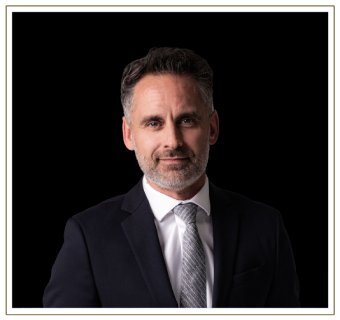
Dr. Scott Leune
Scott Leune, known as The Dental CEO, is one of the most respected voices in dental practice management. From his seminar room alone, he has helped launch over 2,000 dental startups and supported more than 20,000 dentists across practices worldwide. Named one of the 30 Most Influential People in Dentistry, Leune delivers practical, no-fluff strategies that empower dentists to lead with confidence, scale efficiently, and achieve real personal and financial success.
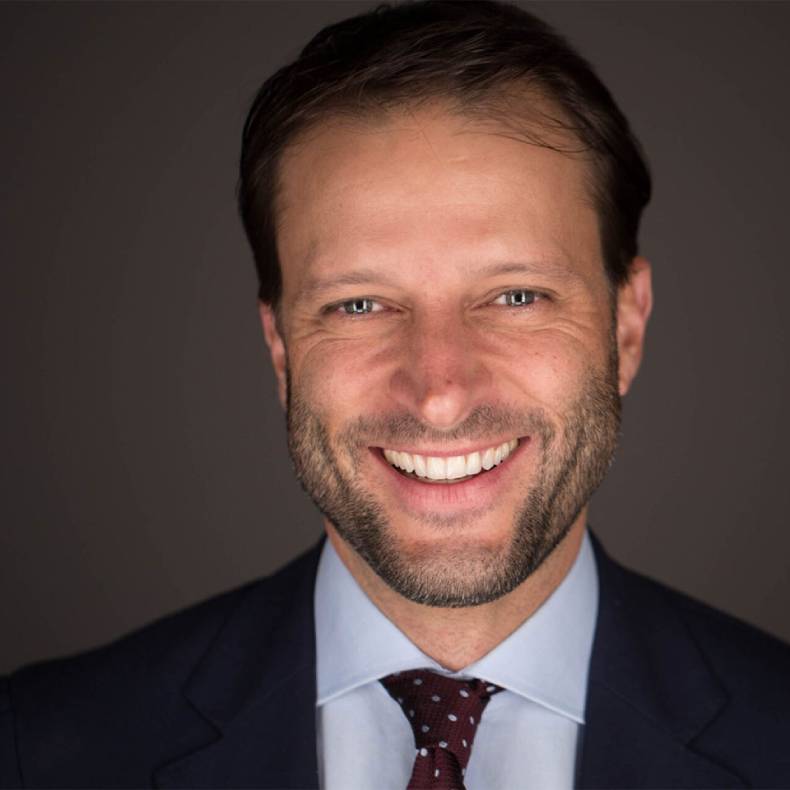
Dr. Christian Coachman — Founder - Digital Smile Design
Christian Coachman is a globally recognized dentist, dental technologist, and educator reshaping how dentistry connects design, technology, and patient communication. He is the founder and CEO of Digital Smile Design, and works as a consultant and product developer with dental companies and practices worldwide to shape digital workflows and clinical strategy.
Watch Episode
Read Full Transcript
So many dentists are stuck seeing the same patients, the same type of dentistry, the same income that just isn't making them wealthy on the same kind of day that is burning them out. We're living the same day, the same week, the same month, the same year. And we blink and we wonder, do we even like this anymore? But then there's this other dentist that has a different patient type, a different kind of dentistry, achieves different profit, and loves their career differently than maybe we do. And that dentist just gets flooded with more and more patients without even seeming like they're trying. And we look at that life as almost this idealized version of what we wanted to do in dentistry. And that is what we're going to be talking about today. I've got what has to be described as a dental legend in the making, Chris Coachman. He's a dentist. He's also a master dental ceramist. He's a founder of Digital Smile Design, a company that helps dentists master the planning and using technology to convert patients to say yes and to then do and execute complicated cosmetic cases. Everyone needs to go and look at his website and understand what he's doing there, because it is amazing. Over a hundred thousand doctors are already doing that in his community and he gives courses, he's an investor in dentistry, and he's just internationally renowned. This is going to be a wonderful episode. Someone that's going to listen to this episode is going to completely change what they're going to do next in dentistry. And it might be you on the Dental CEO Podcast. If you like what you're hearing on the Dental CEO Podcast, please take a few moments to leave us a review on your favorite podcast platform. All right, Christian, so thank you again for joining us. You are, like I said earlier, you're like the one of the dental legends in the making here. I think everyone's going to write your name down on a short list of people that have really influenced industry worldwide. But if someone has been living under a rock and hasn't heard your name, could you maybe take a few sentences and describe who you are and what you're doing? Okay, I can summarize it into. First of all, thank you so much for having me here. Really a pleasure. I follow your work and I'm a fan of what you've been doing. This combination of the topic that we're going to discuss here, what I call where great dentistry meets great business. Doing the right thing, growing for the right reasons. But anyway, summary of who I am. I'm a Brazilian dentist technician that became educator for a living and owner of a digital lab and the first and still the only interdisciplinary digital planning center in the world. Yeah. And that is digital Smile Design. And I think I'd read You've got over 100,000 dentists worldwide in your online community connected to digital smile design. That is amazing. I was lucky at the beginning, on the early 2000s, mid-2000s, when Facebook was just starting, I was among the first ones to actually use Facebook as an educational platform. So instead of just sharing personal stuff, but sharing lectures, tutorials, and digital smile design was born and spread through Facebook. And of course, organically, we've just been using social media as one of our main platforms. So a lot of interactions there. Yeah. So we've got digital smile design, which of course a big part of that is teaching dentists. And if I could kind of give a quick little summary of like a protocol would be using 3D scans and photos, input it into software, and then dentists can analyze Proportions. Start creating the design. The software will simulate the smile, and the patient can then provide input on the design and see kind of their final smile, you know, during the kind of case presentation phase. And then that final design becomes the blueprint for what the dentist does, what the lab does, and obviously what the patient is wanting. Did I describe that correctly? That is one of the stories, A good way to put it is that we teach dentists how to leverage technology in three pillars. What we call emotional dentistry, comprehensive dentistry, and guided dentistry. So how to use modern technology and systems to get better on these three things. So comprehensive dentistry means how to use technology to make better decisions for the patient, for the plan, how to build better plans with technology. That's number one. Number two, guided dentistry. How to translate these plans into reality in the mouth and get outcomes more similar to the plan by leveraging technology. That's what we call guided dentistry. And the third one is emotional dentistry. How to use technology to differentiate, attract more of the right patients and convert more of the right patients for the right reasons. So these are the three pillars that we teach and that we help dentists implement these concepts through our services after the courses. So it sounds like the emotional dentistry part is going to be something very important to the business side of doing this. Right. How do we get more patients coming in that will say yes to these types of cases that we want to do? Did I say that correctly? That's the easy way to put it, is that emotional dentistry is directly related to case acceptance. And case acceptance makes your business grow. We like to say, and that's what we call ethical growth, means that you only have the right to take advantage of emotional dentistry if you already have the other two under control. So you need to do your homework, meaning amazing treatment plans, amazing execution, and then you have the ethical right to then persuade and convince people to make these plans happen. So we like to believe that doctors coming to our courses are prioritizing the right plans, the right execution, and because of that, they're learning how to communicate better and how to create this wow effect that will convert people into treatment. So, yes, at the end of the day, we know that conversion case acceptance is the key to grow your numbers. But for us, long term growth depends on sustaining this conversion through the right dentistry, through the right plans. Yeah, that's why I hate the phrase fake it till you make it. Such an unethical way to serve other people is faking like you know, you know what you're doing. That's a big problem in dentistry, huh? That's a big problem in dentistry. Yeah, so. So it sounds like we need to master the treatment planning and the execution. And when that is there, then we can become masters of case acceptance and grow our business and financially, of course, succeed from it. The better communicator we become, the more responsibility we have over the people that we influence. Right. And you know that very well. You're a great communicator. And you see that as we evolve as communicators more, the people will listen to us and say, I love it, I'm going to do this. Right. And this is the same with the patients. So sometimes I even feel a little bit guilty by teaching, you know, doctors on how to influence people, how to create this amazing experience. Because if you really master human psychology, behavior, communication, charisma, experience, visual communication, storytelling, you have a big, big chance of people saying yes to whatever you're presenting. And that's where you need to draw a very clear ethical line between, you know, what is the best for the patient and what is the best for my business. Yeah, well, I want to go, I want to go down a path here with this. Let's say I have a hundred consultations coming in for cosmetic dentistry, and I've already mastered, of course, the treatment planning and the execution phase. And so I've also mastered building the environment and the storytelling and clear communication to maximize case acceptance. So I've got a hundred people that were either referring to me or clicked on an ad for this. They were looking for this, and they're coming in and sitting in my chair for a cosmetic evaluation. What do you think a master of this could expect? Out of a hundred patients, how many of those patients would say yes to this big kind of cosmetic plan that we might create? I think that the answer for that you need to come from understanding at what position in this journey the patient is as they come to us because it is a journey. Right? This decision making process is a journey. And the position that the patient is in this journey depends. For example, is the patient coming to you because of convenience or is coming to you because of your reputation? So you need to ask yourself from these 100 patients, which patients are coming to you because it's just convenient for any reason to come to you, and which percentage of these patients are coming to you regardless of the convenience, because of your reputation? Some dentists are building such a reputation that almost 100% of the people come to you almost already sold. Right? It's just a matter of fine tuning the details. And in other, in the other hand, we see doctors that didn't build that reputation yet, and patients are coming for convenience and regular dentistry and you are trying to then show them that you actually can make this transformation happen. And of course, on this case, the percentage of conversion is much lower. So would it be fair to say that if patient is coming in wanting or being interested already in a big cosmetic change and they're choosing you primarily because of reputation, that the vast majority of those patients would end up getting something done? Would that be safe to say? A hundred percent. You need to really mess up on this first, second appointment, not to get these people. You know, we, many times we see the dentist proud of their case acceptance rate, but most of the time patients are coming already sold out. They may pretend they are not, they may pretend to, may maybe get a better deal or test you or maybe compare with another doctor. But most of the times I say, you know, we are selling treatments to people that already made a decision and they're coming with that decision in mind. That's why for me, I say, you know, unfortunately, it's easier to sell the wrong dentistry than it is to sell the right dentistry. Because social media, the media in general, is already doing half of the job convincing people that they need to seek for superficial, immediate satisfaction. And people are coming for that kind of already sold. And if you do a good job, just don't mess up, you know, you're gonna get this patient doing the cosmetic treatment. Okay, so this is a very simple concept, but completely life changing for a dentist. And, and so many of us dentists don't connect with this just because we're busy in the muck of our regular day seeing regular patients doing regular things. But, well, what this is, is if we, of course we have to earn this with good skill, good planning and good execution. But if we can build a reputation and we can also have exposure or marketing or a plan to get in front of patients, then we will get people coming in that are already saying yes before they've met us to the type of dentistry we want to do, which would basically completely change our financial future and the way it feels to be an owner of our practice. So I would make the argument then that we should become masters of building an amazing reputation. We should become masters of understanding how to get our reputation's message in front of the world. That's the strategy. If you are 40, 45 years old dentist, you want to be doing more of the dentistry that you want and less of the dentistry that you don't want. And you still have 10, 15 years ahead of you, at least, right? So you need to be very smart. It's a 10 to 20 year plan. You know, it's not like getting more patients next month. Word of mouth is still the number one by far best way to grow your practice. In my humble opinion, way above any kind of digital strategy. Digital exposure, online exposure will only give the final push, right? Usually people will have somebody else telling them about a dentist and then they're going to search online for that final check, right? It's like us selecting a restaurant. We don't go online. And 90% of the decision is based on what we see online. We actually hear about restaurant from several friends and family members. And 90% of the decision comes from word of mouth. And then the final 10% comes from digital exposure because people will come to check you online. And then people invert that, you know, and don't realize that when you make a survey and you ask people, how did you choose me? They're going to say, oh, I chose you online. But they don't disclose that. Actually 90% of the decision came before they went to look for you online. The other question regarding the 100 people coming, what is the percentage of conversion? Maybe an even more important question is not only the percentage of conversion, but the average ticket price, right? Who is the most expensive doctor in your city and why this doctor is more expensive than you? Is this doctor really better than you? Or what is the strategy why this doctor is charging 3,000 for a veneer while you're charging 2,000 or 1,000 for the veneer? And what do you need to do to get the highest average ticket price over the same procedure? Because I think that's the smart question that you need to ask yourself. What type of experience that the other doctor is providing that is making people say, okay, this is worth 3,000 per unit, and looking at another doctor and say, this is only worth it 2000 per unit. It's very subjective and many times unconscious. I believe that's huge percentage of this decision is based on unconscious factors and experiences that will make somebody rationally believe that this doctor is better than that one. If I have a patient with an amazing experience, they may or may not tell people about it, but hopefully they would. But if I make it easy for them to have content to share and to share it with people, then I and if that becomes the habitual nature of how I treat patients, then suddenly we're going to build a reputation. So an example this would be looking at the patient experience and finding 10 moments in that exam experience and in the treatment experience, that is going to tell them, either consciously or subconsciously, this is an elevated experience, right? And then when they're done, I need to provide them before and afters. I need to take a photo with them. It needs to be in front of my logo. I need to tag them on social media. I need to give them the content to share, and then I need to thank them after they have referred. So I give them positive reinforcement so they will continue doing that. Did I say all that? 100%. This is what I call moving somebody from being a fan to being a promoter. First step is that we want to move happy patients to fan patients. That is different. Look at all your patients. You have, I don't know, 50% of them that are not even your fans. That just there, right? Maybe, I don't know. Each practice changes. It's. It will be very cool to know these percentages. So let's say 50% of your patients are just okay, and they continue to be your patient. Then you have the next level. They are very happy with you. They're very happy. Then you have that small group that is the fan. They are not only happy, they are a fan. Even if you move to another city, they will probably follow you. Even if they need to drive across the city, they will come to you. Even if another good dentist opens a practice right besides their home, they will continue to drive across the city to come to you. That is a fan. But a fan doesn't mean a promoter, because to become a promoter, you need to generate the strategy to allow the fan to become a promoter. That is exactly what you're saying in an elegant way. You need to feed them with the stories. You need to translate the experience into sentences that they can process and say, yeah, that's exactly what I felt. And I can express that sentence. I can repeat that sentence. I can own that compliment, right? You need to be able to. To make the fan own the compliment and translate the compliment with their own words. So if you buy a certain new technology, for example, that creates a super wow effect, the fan will not necessarily know how to translate that at dinner table with family or at the bar with friends, right? So in a very smart way, you need to take that new technology that you invested, that you want your return on investment, and translate that, not only providing the experience, but repeating the stories for the patient, explaining it in a way that the patient can then repeat that story and package it into, for example, pictures and messages on the chat after the event, a newsletter that the patient gets, you know, repeating that at the hygiene session, training the staff to bring those topics back and ask the right questions to the patient about what do you think about that new system, new technology, new procedure? I think it's amazing. What do you think? You know, didn't you really enjoy the process? Remember how it used to be when we didn't have that solution, you know, five years ago? Remember how much worse it was and how much better it is? Can you imagine that most dentists don't have that yet, you know, that don't use this. And we are among the first ones in town too. So you, you bring those topics and the more is your team and not you, the better. Because it sounds like it's not you trying to sell yourself. Other people are excited about what you're doing. And that will transform fans into promoters, Increase the chances of people telling these unique stories about you and your team and your practice. Increase reputation, increase word of mouth. And that's the best long term investment that create this stickiness between you and your patient. Yeah. So to create fans. Okay, so we can create fans. I kind of see it in a couple different buckets on how we can turn a patient into a fan. We have the facility experience of the patient, right? So the decor or amenities, they get to experience things like that. We've got the people side of the experience, right? So are people elevating the conversations and their comfort? Then we've got, of course, the dentistry, which includes the exam process, the smile simulations, the things we can do all the way through the treatment. And we've got the financial experience, right? And if we screw one of those up, we could not just miss out on a fan, we could miss out on just the patient, even having the patient. Right? But if we think through, like if dentists listening to us right now think to themselves, okay, what can I do to improve the facility? What can I do to improve the people experience? How can I make sure patients are impressed by the dental experience? And is my financial setup patient friendly? Right. Have we maximized those things? If so, we're creating fans. And then I think what we're saying here is, okay, if we have a fan, we need to turn him into promoter, which is exponential growth in our company. If we create promoters, we need to do a photo shoot after they're done with treatment. So they on their phone, they're showing all their friends what they're doing. The selfie with you both is the, is magical. Yeah, but, but that photo shoot can also happen before treatment. So when we do a smile simulation, that smile simulation needs to live on their phone. So. So we need to give them content. And then if we're proud of, like having them as a patient and we want to record a video or we want to show that we want to give get permission from them to share content, they are going to reshare that content and this becomes their promotion of us. If their promotion of us was down to two or three sentences, they're at dinner with some friends and, oh, they're going to describe us in two or three sentences. What are they going to say? We need to know what we want people to say. I have a suggestion. I have a suggestion for, and I agree with 100 of everything you're saying. And it's almost like creating a strategy where people understand why you are different. I love the word different many times more than the word better. I'm a better dentist. I'm a different dentist. I think that word, when somebody says that you are different for me, is the most special compliment, right? And I always give this example. If two friends are talking and for some reason talking about their dentist, and one says, you know, my dentist is better, right? My dentist is the best. My dentist is great. That's okay. That's a good compliment. But if the same question comes, what do you think about your dentist? I'm looking for a dentist and the person says, my dentist is different. I think that is the most powerful compliment you can get because different already comes with better, plus something that generates curiosity and uniqueness, right? There are many great dentists around, but my dentist is different. You should see my dentist. And it's hard to explain. Just go and you're going to see. And once you come back to me, you're going to say, yes, I agree, this dentist is different, right? So how do you become different in the imagination of people, right? That's what they say. They stand out. Do you stand out because you're better? Not necessarily. You can have 10 dentists that are great, and maybe one is standing out more because this one is generating the sensation of differentiation, right? We know how we are moved by fomo, by scarcity, by uniqueness, by, I want a different experience. So everything we do, we try not. And it's much more elegant to send a message that you're different than better. You know, you say, I'm better than the other dentist. Look at the same sentence when you say, I just believe I'm different. And it's so subtle and elegant and it says it all in a way that people are like at least curious, say, but why you're different, say, just come visit us and you will see. No. Yeah. This reminds me of what I experienced last week with my son. My 13 year old son fell down, hit his anteriors, number 7, 8, 9, 10, 2 vertical fractures, 1 horizontal root fracture all the way through. And so we had to see a pediatric dentist, we had to see orthodontist. We've got an endodontist, we see all these dentists. I already spent $14,000 last week on my kid from all this. So when I met the endodontist, the treatment coordinator is talking to us. And the treatment coordinator says, did you know that this endodontist wrote the book that they use in residency programs now across the country? And I said, oh no, I didn't know that. And she said, yeah, that's why now the second bullet point. That's why so many dentists send their families here. And then she said one more thing. She said, just know that you know, if your child experiences more pain or trauma, he's going to come in whenever you need him to come in to get him out of pain, right? So I heard those three things from the treatment coordinator and that had to be scripted, that had to be something. Every single patient sound very natural, but there's the differentiation. So now when I'm at my dinner and I'm telling this s, you know, the story of my kid, you know, breaking all of his teeth and I, that we go to the c, I was like, yeah, this guy wrote this book and you know that everyone goes and sees him. That's in dentistry. And this is actually the fourth time I've said this to someone by the way. I'm just now realizing I got planted those seeds and now I'm realizing that's the differentiation, that's the difference. How can we plant those seeds proactively is what I think dentists need to ask themselves. That's the key. First thing, since we are in healthcare, it needs to be based on ethics. Means you need to own the right to say these things. I really like to repeat that. And the more I get into communication and case acceptance topic, the more I have to repeat this to myself. Even that we need to own the right. So this endodontist own it. He really wrote the book. That's not B.S. you know, some universities are really using his book and he's really willing to be available whenever the patient needs. So he has a system in place. He's been doing it. He's very Good at it. So the confidence, you know, some people have the confidence without having the right to have the confidence, and that's unethical. And unfortunately, we see that in. In dentistry, you learn some strategies, and if. If you have good charisma and good reputation, and that's what I tell patients, try to read through the charisma and the communication skills and really try to understand if that person deserves to persuade you. So for me, what I tell dentists is own it first, own it and make it natural. But if you are a good dentist, you have the credits, you have the right. So invest energy on becoming an unbelievable storyteller. That doesn't come natural. Even if you're a good communicator, you need to script these things. You need to sit down and write. And I tell dentists, if I ask you right now, what makes you different right now, if you don't have an answer that is unbelievable in five seconds coming out of your mouth, you have a problem. You need to practice, you need to rehearse, you know, and your answer cannot be boring, cannot be the same as everybody else, cannot be arrogant. It needs to be amazing. It needs to be elegant, it needs to be real, it needs to be cool. It needs to be genuine. You need to work on that. What makes you unique? Give me a sentence, give me a tagline, give me three bullet points, and make sure the next question is after you do your homework. Does your team understands this? Are they prepared to say the same thing? Do they believe in this? Did you train them to say these things with their own words so it doesn't look fake, it looks natural? That's the second part of the process. And the third part of the process is, if I talk to your patients, do they see these uniqueness? Can they repeat those sentences somehow? Is the message getting through the whole process all the way to them? Right? So you need to first own these stories, build the stories and write down. And the exercise of actually writing them down is unbelievable, you know, polishing that. It's almost like something that you need to look at it every day in the morning before you go to practice. Let me remind myself why I am unique, why I deserve to say what I'm gonna say. You know, why patients should choose me. Why patients should choose me. That. Let me remind myself, then let me see if the team is prepared to repeat this. You know, did we practice enough? Is it clear to the team from the front desk on the phone call, assistant treatment coordinator, the lab, the technique, everybody on the same page, that's the second step. And then let's analyze how we are getting these messages through all the way to the patient. And do we have our fans understanding this and being able to explain these uniquenesses? Gosh, if we really kind of tie it all together here, If I'm not different, I'm going to do the same dentistry on the same patients with the same profit margins, the same struggle in the schedule and the same burnout. So if I want a different experience, a different money, different kind of patient, I have to be. I have to be different. Right. And so if we start with, okay, we're going to be different in this way, that way is going to eventually cause my reputation to take over and change who we are. Right. So we will become what we're trying to be. Right. So we're going to be different. And that difference can be in our facility and our people, in the kind of dentistry we do, the financial impact, whatever it might be, we're going to get our team to be able to say it, and we're going to maybe habitualize it. Like in every exam, there's this moment where my dental assistant, my treatment coordinator, talks to the patient about what to. Expect and the opportunity gaps. I call the opportunity gaps. Yeah. Yep. And then we're going to have this amazing experience for the patient so that they'll say yes and they become fans. That experience has to be scripted, has to be listed, like, what image are we going to take, what smile simulation we're going to do? Right. What benefit, what little perk are we going to give them? And when they become fans, we then give them content that's also in habitualized and make it easy for them to become promoters. And they're promoting what the content we gave them and the three things that make us different. And now they've got the story to tell the world. Right. And then what happens to us? We get more patients by word of mouth that say yes more often and become fans and promoters and, you know, five, 10 years later, we are own this area in our life in dentistry. Did I say that correctly? Exactly. That's it. That and. And it's. It's what we call the Apple store in dentistry concept. Right. It's all of this that you're saying ideal world needs to happen, and that's why we call it Apple Store concept needs to happen on the purchase moment, meaning if you can bring all the magic that you just summarized into your first and second appointment before the treatment even starts, that's where the sky. There's no limit. Right. It means that patients will say yes to your treatment, not because of your treatment, because the treatment didn't happen yet. Patients will say yes to whatever happened before the treatment started. And this was the magic that Steve Jobs did with the Apple Store. Say we gonna create these amazing stores where people will come and enjoy regardless if they buy from us. And they're going to become fans before they even use our technology. They're going to become fans because of the experience, before they bought something from us. And they're going to promote us even if they didn't buy from us, even before they even experience the products, they're going to promote us and they're going to bring new people to us. So let's sell technology in a different way than all the technology stores and Best Buys that was available at that time. And now we take it for granted right now. If you believe in the Apple Store concept, how do you translate that into dentistry? And for us, it means revolutionizing, transforming, creating a new gold standard of a first and second appointment. For me, the magic of modern, successful dentistry happens in the first and the second appointment. That's when you create this differentiation. You can create a fan, you can share the stories, you can create a promoter, and you can accelerate growth because it happens there on the first, second appointment. Instead of waiting six months, one year for a treatment to end, to then have somebody become a fan because the treatment went well. So if you want the shortcut for growth, you need to focus on creating the most unbelievable first and second appointment. I tell dentists, if you can create a first appointment, that your patients love you because of the first appointment. Can you become famous because of your first appointment, regardless of your treatment? That, for me, is the smartest strategy a dentist can implement in their practice. Yeah. So of course we have to be able to execute, so we have to learn. And by the way, let me go back to your company. So, Digital smile design, do you teach dentists how to fully execute and become a master of these kind of types of cases? First and second appointment is our focus. Yep. Yep. And so, and part of that, you're using technology to create kind of the expected result, and patients get to see see that and have almost this emotional connection with what they could become. Is that correct? Yes. So it's what we call copy paste dentistry. Right. So it means that nowadays, with 3D technology and all the devices that we can manufacture to guide the procedures and copy paste the files into each stage of the treatment, it means that more and more, whatever we simulate in 3D, we can deliver outcomes that are more and more similar to that initial plan. So we commit to that plan. Modern dentists, they commit to the plan. It doesn't guarantee that the results will be equal to the plan. And we need to educate patients very well on that. Absolutely no guarantee, because there's many variables. But with the right systems and the right technology, we can close the gap more and more and increase the chances of you patient getting what you saw first on the computer. So that's what we call guided dentistry, what we call copy paste dentistry. So it means that you can have more confidence showing these simulations on the computer and really explaining it different than until recent days. You know, even on the old school diagnostic wax ups, I usually tell this story classically. You know, dentists have been using wax ups as a blueprint and even to show the patient and outcomes were completely different than the wax up. 99% of the time. There was no commitment, there was no connection, there was no nothing. Right. That's why the wax up was almost not taking that seriously. Nowadays the digital wax up is something ultra powerful, not only because you can show it in the face, you can show it with realistic images, you can show it in motion, you can really engage with that project with the patient, but you can always also commit that the outcome will be more similar to that plan. Yeah. It's so interesting too, because when we're not absolutely confident clinically, it's almost like we subconsciously kill case acceptance. We also don't like, go deeper into diagnosing things. We like, shy away from this area where we don't feel like we've mastered it. Right. So what you're describing has kind of two sides to this coin. On one side, it faces the patient. And the patient is wowed by this technology. They are wowed by the final result. They can see it in a way they understand and that makes them wanna say yes. And on the other side of the coin, you've got the doctor's mastery of the care and the technology and the planning. Sticking to an organized plan is gonna give them this confidence and this mastery of actually executing what they need to do. This is a very common compliment. When doctors are implementing these systems, they say the word confidence. I got more confident. I'm more confident presenting the project for two reasons. Because digital is more educational by itself, but also because I've been doing these cases and outcomes are getting better. So patients can feel my confidence. As I explain the plan, as I explain the why, as I compare in 3d option a b and C, as I explained, pros and cons through 3D visuals, risk assessment through digital images, and really becoming a great educator. A great educator knows the topic and is also confident about the topic and confident about the outcome. So you just become a better presenter because of that. Right. And even if you don't say the word confidence, you know, confidence is one of the things that people can see it through your eyes right as you speak. And you said it right? When you're not confident, you sabotage the process without even knowing, right. You're like, I'm not gonna say this. Should I say that? You know, can I say this? Or. Or how do I. Maybe I'm not gonna even go there because then I'm gonna commit to something that I don't know exactly what's gonna happen. So, of course you're killing the whole process, right? You're killing the whole process of making people say, you're my doctor. I'm gonn. In fact, if you generate confidence, if you have the minimum level of charisma and people see charisma and confidence in you, you almost don't even need to explain the plan, right? People are like, whatever you say, doctor, I'm with you. For example, you and the endodontist, you know, you were sold before even seeing the doctor say, this is my doctor. And sometimes even unconsciously, your brain is like, you don't know yet. But we already made the choice. You know, we made the choice. Yeah. And by the way, we spent twelve hundred dollars to have some teeth splinted and evaluated. We didn't even get the treatment yet. And that's a very high fee for our area. And I just didn't even think twice about that. Right. Because I'm like, I'm in. I'm right in front of the expert in this. And of course, that's what I want. You know, I'm thinking about a coaching client of mine out of Austin, Texas, does very good cosmetic work and just doesn't have the cosmetic patience. And so we went in and coached him through renovating his facility, even getting a stylist to have him look updated, create content to build a reputation, even to the point of trademarking names, where he combines facial aesthetics with cosmetic dentistry as kind of his dental version of the mommy makeover thing. And now, because he was already executing. Right, but he didn't have the reputation built because he was just hoping to have a reputation. He was not causing, not proactively. Yeah. And so I think about these things you're saying, and I think about his story. And he has the ability to be one of the top dentists for sure in the state of Texas for cosmetic dentistry. So many of us have the ability to be much more than what we're achieving right now. But we just get stuck in the muck of the day to day and we don't step back, pause and say, okay, I need a reset. I need to change my course. Because I want to be different. I want to have different money, I want to have a different love for my profession. I want to have different confidence, I want to have different patients, I want to have a different schedule. And it's gotta start with mastering the work. It's gotta start like in. For this conversation. If someone would go to digital smile design and master doing the dentistry master appointment one and two and have all that confidence, that's kind of step one. And once we've mastered that, we then need to be either be coached or organized in a way to say, all right, I am going to insert the seeds of my reputation or into this patient's experience and give them the ability to spread those seed. Stalkers. Right? And if you wait until this happens reactively, organically, like in the old days, that's, you know, it just happened after 15 years. You know, that guy has a hyper 20 years doing high quality dentistry, regardless of strategies or charisma or whatever, you end up getting somewhere. Right? Of course, that when we see. And these are the type of dentists that I love working with, exactly like you mentioned, your, your dentist friend, client, people that know how to do it right on the clinical side. And they need help to make people see the amazing work that they are doing. Right. And spread the word. And you need to stop and invest energy and time to build the strategies. It's not something that just happens. You know, some people are extremely naturally charismatic and they have extremely high taste and that they have all these things that are coming natural to them that will facilitate the process. But there's so many very, very good strategies that we can use to plant the seeds, as you said, to plant the seeds and increase the growth curve. Right. Speed up the process. But damn it, we're not going to fake it until we make it. So, you know, we gotta get away from being unethical. Even if no one, no patient realizes, I think that area where we are getting unethical case acceptance is really eroding away our confidence, eroding away the respect our staff have, eroding away our reputation. So this is not about making a selfish quick buck. This is Being the dentist we want to be by earning it with clinical excellence and then being smart about the business side so that our reputation just blossoms quickly, so that we will blink and we will be seeing more and more patients that have already said yes before they met us. That's the vision. That's the vision. Yeah. Okay, well, we are. We are out of time here, but thank you so much for this conversation because what you're talking about are the dreams of a lot of dentists that they feel stuck and they don't know what to do and how to think about it. And what you're doing with digital smile design and the hundred thousand doctors now that are learning, you know, your system is probably one of the biggest reasons why those doctors stay, become wealthy and enjoy what they do. Because without what you're doing, we just find ourselves as dentists just repeating days that we don't enjoy to earn a living that isn't quite what we were hoping. All while we just mount more stresses onto our shoulders that we have to carry around all day. That is a hard thing to do as a dentist. You are offering this window to say, hey, let's go be a dentist. We love, right? But we gotta be different. So if people wanted to learn more about you or digital smile design, where would be an easy place for them to go? DigitalSmile Design.com. there's a lot of information there. And my Instagram. I'm extremely active there. Chris Coachman on Instagram. Chris Coachman. And my podcast as well. Coffee break with Coachman on all platforms, by the way. I want you to be there and talk to me on. I want to do the reverse with you on my podcast. But these are the three channels I think, that are the easiest ones for people to connect and ask whatever they want to ask. Yeah. Awesome. Well, I challenge the listeners after this episode. I challenge you to look at your clinical side and have you mastered the execution. I challenge you to look at your communication side with a patient and have you mastered the conversion or the case acceptance. And I really challenge you to find the seeds to start planting in the patient's experience in your practice so that you have habitualized building an amazing reputation. And that has to also include, of course, giving your patients an easy way to share how amazing and how, like Dr. Coachman here said, different you are. I would add that we need to challenge ourselves to look at our practice and our team and ourselves one day and ask, what makes us different? What makes us different? And translate that into a beautiful sentence that makes you Even emotional every time you read it. You know, a friend of mine owns two practice locations. All they do is veneers, so they're literally not taking on other cases. You know, big cases that they say no to. All they do is veneers. And they charge more than everyone. They do amazing work. She loves her practice. Her team loves going there. It is just this idealized life for her. And of course, she's financially successful. You know, she's one of the best. And it's just a beautiful way and a beautiful example of how you can love dentistry, but, man, we gotta get there, right? So we have to master it. We have to get the conversion. We have to plant those seeds. We have to be different. And, man, God, life can look so different, though, when we become different, right? So, okay, we're out of time again, so thank you so much. I hope everyone listening to this. This sparks a new chapter for you in your life as you look to be different. Dr. Coachman, thank you so much. And I will see you. I will take you up on that effort. I will see you on another podcast coming up. 100%. 100%. Thank you so much. It was a pleasure conversation, really flow. And I'm sure we can have many more of these and discuss many more great topics. Awesome. Thank you, everyone. This was the Dental CEO podcast.

SUBSCRIBE TODAY
Subscribe now and receive a 25% discount code for Scott Leune’s upcoming events. Plus, get podcast episode alerts and exclusive subscriber perks.