

Dental CEO Podcast Episode 43: Empowering Female Leadership in Dentistry
In a recent episode of the Dental CEO Podcast, Jana Macon, President of Curve Dental, shares invaluable insights into the unique dynamics of female leadership within the predominantly female staff environments of dental practices. This conversation sheds light on the intersection of technology, management, and gender dynamics in the dental industry.
Highlights
- Discussion on the challenges female leaders face in dentistry, particularly when leading other women in a male-dominated field.
- Jana Macon’s experiences and strategies for navigating technology and leadership roles as a woman in tech and dental fields.
- Advice on managing professional relationships and establishing authority without succumbing to the traditional ‘mean girl’ dynamics.
- Insights on the importance of setting clear goals to focus team efforts and minimize workplace drama.
- Techniques for balancing demanding professional roles with personal life, especially in family and community contexts.
- The role of modern technology in revolutionizing practice management and aligning teams towards common goals.
Speakers

Dr. Scott Leune
Scott Leune, known as The Dental CEO, is one of the most respected voices in dental practice management. From his seminar room alone, he has helped launch over 2,000 dental startups and supported more than 20,000 dentists across practices worldwide. Named one of the 30 Most Influential People in Dentistry, Leune delivers practical, no-fluff strategies that empower dentists to lead with confidence, scale efficiently, and achieve real personal and financial success.
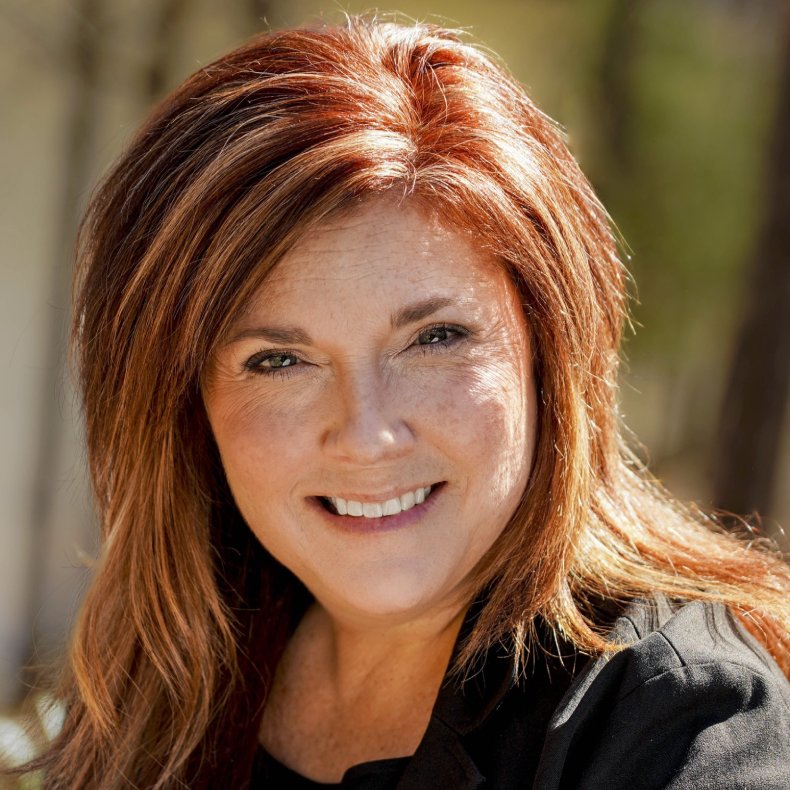
Jana Macon — President of Curve Dental
Jana is the president of Curve, a company that provides cloud-based practice management software for dental practices of any size. She has been with Curve for seven years and has overseen significant growth in the company. Jana has a background in software development and has been involved in the industry since the mid-1990s, experiencing major technological shifts such as the transition from iA databases to relational databases and object-oriented systems. She is currently leading Curve’s efforts to integrate automation and AI into their practice management solutions.
Watch Episode
Read Full Transcript
So there's a dynamic between female leaders in dentistry and female staff, of course, male staff. There's challenges in the practice, there's challenges outside of the practice. There's a balancing act, there's a tug of war happening. There's an issue of respect, of communication, drama. You know, all of this pressure that can happen, especially to kind of the stereotypical female leader. And while this is a difficult conversation to have, especially as a male, I'm so excited that we brought someone in to really dive deep into this. Jana Macon is the president of Curve, which is the top practice management software and dentistry right now. Super tech enabled, AI enabled. Jana has spent decades in technology, which is of course a male kind of driven field, male dominated. And Jana has also spent decades in medicine and in dental and has exposure to a tremendous amount of people and has coached females and female leaders. And so I cannot wait for us to walk through this kind of aspect of dentistry. A female leader managing female employees and male employees in what used to be a male dominated field, all while also having to prioritize and balance the pressures of life as the female, as the mother or as the wife. And what is that like? What, how can we think about that? Are there tips? What do men need to understand? Can we have this conversation with enough maturity to realize that it doesn't apply to everyone? Of course, but it does apply to a lot of people and we need a way to talk about it. And that is what we're going to be talking about today on this episode of the Dental CEO. All right, Janice, so thank you again for joining us. And of course I just gave an introduction, but I would love for you, in your own words, to kind of introduce yourself and some of your background. This is a very special episode because not enough people talk about the challenges and the opportunities and what it's really like in this kind of what has been a male dominated profession, but now having the strength of kind of the female increase in our profession and what that really means and what that's like. And specifically there's some challenges that, that are difficult to face and some balancing acts that have to be done. So I'm super excited about this episode. So if you could please, in your own words, you know, kind of give us an idea of who you are and your, your background and then we can go from there. Yeah, terrific. So I started my career back in 1993 at a time when there were not a lot of women in technology. In fact, when I started College in the 88, 89 timeframe, it was kind of a strategic choice. Like back then you had the book that you just kind of looked for your degree. And I came across computer science and I thought, this is new. Probably the only people in it so far, probably a lot of guys. This is maybe a way to stand out. I had no idea how hard that would be, but I'm really glad I did it. So here, you know, 30 years later, well, maybe like 35 years later, 20 of the years that I've had in technology have been in leadership roles. And for me, I've really had to learn a lot of things. How to show up authentically, how to really to thrive in a male dominated culture. We're seeing many more women come into technology now. But I'd like to share, you know, 20 years of lessons of how to do this and maybe help some folks, some women, particularly in dental. And if you look at dental, the dental landscape is kind of changing the same way we've seen in other industries like tech, where You've got about 40%, 39, 40% of dentists are women. You've got about 50% that are of 35 on an age group are women. And now dental schools are graduating, you know, 55, 56, 57% women every year. So this is happening in dental. And I think that bringing some equipping and some ideas to women who are sort of juggling all these things other than just trying to grow practice could be really helpful. So that's why I asked you, you know, could we have this conversation? Yeah. And, and how long have you been in dental specifically? I've been in dental. I'm on year eight in Denver and about 17 years in medical. SaaS software. Yeah. Okay. Oh, 17 years in medical and then the last year, eight years in dental. And how many dental practices are connected to Curve to your company? Yeah, about 4,000 are offices or logos, let's call them, are on Curve today. Yeah, that, that makes you one of the largest in North America, the largest in dentistry. And you've got this kind of broad network of experiences. You know, as a man, when I hear, I entered, I, the woman entered a male dominated field, I think of, okay, the conflict between men and women. And you know, I think of like the woman that is trying to be more like more masculine and the man that's trying to be, let's say, more sensitive. Right. And there's this whole dynamic and I as a man need to learn how to communicate properly to women and to men and obviously be in tune with their communication. But something that was so interesting to me as a man that you pointed out previously was there's also this dynamic of women leading women in a male dominated field. That's a different experience. And that was very eye opening to me. And now that my eyes have been open, I can see it. And so I would love to kind of dive in. So. So when we think about like the struggles of being a female leader in a male dominated field of other male leaders, but the employees are mostly female, that's like a double dynamic there. I would love to dive into that topic. Yeah, that, that's a great one. And I see it all over the place. You know, for a woman, let's just say at the highest level there is this multi threaded kind of web of pressure that you're under, particularly if you're married, you have children, you're a business owner, you're a wife, you're a mom. You heard me tell the story last time we talked about my CEO telling me what all his wife did for him how it helped him. And I said, yeah, well, I'm the wife. And so as a female dentist running a business, it's kind of like that. I'm the wife, I'm the mom, I'm the business owner, I'm the dentist provider, all of those things. And it can really be a pressure cooker. And so high level, I would just say to anyone, learning how to say no to the right stuff, super important and also building community around you that can help you. So that's sort of high level. If you're going to do this thing, those are things you have to think about. Well, hold, hold on. But saying no, I, I hear that as I'm going to establish hard boundaries that may, maybe in the past I allowed people to kind of, I drew a line, but people just rolled right over those lines sometimes. But what I, I think you're meaning right when is that a no really means okay, this is gonna be a boundary. I have to be more thoughtful about how I dedicate my time and my focus. Is that correct? Yeah. Like your energy. Right. And how, and for me, I manage energy today. My husband accuses me sometimes of being non social, like in the neighborhood and stuff like that. But if I've been on the road and I have all these things going on, or if I was running a specific business and I had all kinds of things happening, I might say I can't really do that and be okay with that. Don't feel guilty about that. I've got to pull back a minute because my energy is focused on my goals and what I need to do for my business and for my team. And so that's what I mean by saying no, I'm really talking about things that even outside your business, the pressure that people put on you to be everything and you just can't do it all. And it's okay because you've got a goal, you got a business to grow and run and you've got a team to lead. And that's kind of other than your family, which is equal or more. Sometimes they shift around. That's it. That's what you have to do. Yeah. So that's kind of what I'm talking about. I'm visualizing an analogy here. I'm thinking, okay, we've got a picture full of our energy water. Right. And we get to decide where are we going to pour that energy, where we're going to pour that water into. And as a business owner, we have additional priorities. As a leader of people, we have additional priorities. As a Nurturer to the family. We also have priorities of our health and other relationships, like our marriage and our friendships. And it's. It's like sometimes we need to kind of reset the order. Right. So. So we don't run out of water, and we haven't gotten to the important glass yet. And I. I see, like, as a business owner, that is a big glass we gotta fill up with energy that maybe. Sure. We can't go to the, like, community little 5K run that they asked me to. Like, they asked you to. To organize. Right. Because that is now noise to your priorities. That's right. That's a very good example, because I think small business owners get pulled on for those kinds of things all the time, and they feel that they need to do it to build their business. So it's. It's a real balancing dynamic, you know, So I think you're right. So as a female leader in dentistry, we've got the dynamic of male leaders and we've got the dynamic of female staff. What do you see as, like, one of the biggest issues in this situation? Yeah, so I talk to people all the time, you know, women that lead offices, and I always ask them, what is the biggest thing that keeps you up at night? What are the things that are most challenging for you in this role? And without fail, the women are telling me staff management. So the last person I talked to said something like this. I feel like female employees have more of an expectation from a female dentist to bend the rules, to be more sensitive, to be more understanding. What they really mean is to kind of put up with more drama, let's call it just to be a little bit direct and harsh and to maybe to understand all the problems that they would like to bring to the office. Bring. Be the office mom. Be the mediator of people who disagree. They have much higher expectation of a female as a leader to get down into those kinds of things. And then what? The female dentist begins to get the vibe, or even maybe overhear. No. Is that if they demand or ask for excellence or they ask for certain policies to be followed, or they try to set SOPs, then they get pushback, and then they're being bitchy. Excuse me, pg, Butchy. If they are asking for the very same thing that in their own experience they've seen with male leadership, people just fall in line and do it. And so it's this huge frustration. And you're right. The fact that there's a female dentist with a lot of females in the office, typically it's a Different dynamic that they have to navigate. Gosh, it's so well put. I've seen that as well. Sometimes I've seen this desire for the female employees and the female dentist or female leader to be like on a friend level and to be sensitive to each other and to be kind of invested on a friend level. And I know from my experience, sometimes your friends and family are the ones that abuse your boundaries the most. They don't. They abuse your authority and your respect the most. And yeah, that is so eye opening to me. I've also noticed there's not a lot of male employees in dental practices obviously compared to females, but I've noticed that at least in my experiences that I'm thinking of them right now, they were very respectful of a female dentist. So it was a different dynamic with a male employee and a female dentist compared to the female employee and female does. And you know, I, I should say to be politically correct and to make sure there's no misunderstanding for everyone listening to this podcast, obviously we're being general right now. We're generalizing trends. We're almost talking about the stereotype because there's some truth in that for a lot of people. I've also known some, you know, the opposite of that on, you know, men and women. And obviously this doesn't apply to everyone, but surely we're all intelligent enough and experienced enough to know that some of these things can be common. And so I just want to make. Sure I've said that because some of the pointers I want to kind of give are maybe a little bit tough talk for leadership. Right. And I want people to know that this is coming from a supportive position. This is something that I coach women all the time on and it makes a difference. I've seen it make a difference. So that's why I want to offer that to this group. So if we've got then the female dentist wanting to establish authority or have accountability, but then we've got this dynamic that says, oh no, now you're being bitchy and you should put up with more of my drama or I push your boundaries because you should be connected to me in that way. What do we do about this? What is this leader who's happens to be stuck in this situation now? How do we get unstuck from that? So to me, there's really two components that I like to kind of talk through with you and I'd love your examples and input in it as well. But to me, there's sort of personal growth and self leadership that A female leader specific. Every leader needs this. But I'm. We're talking about female leadership right now. Really, really needs to look at. And then we need to think about team leadership and then how do we get that team to move in the direction that we want? So one is, I'm looking at myself and I need to work on myself. And then the other one is how do I interact with the team? Did I get that right? Okay, let's continue. So for me, for self management, I'm always telling women, show up as a leader every day and speak in a way that people can hear you and respond to what you want and need. So as females, we behave differently. We're different species than men. You know, men are from Mars, women from Venus. We all know this. We have different styles, the ways that we grow up, the things that, the cultural norms. But if I'm a, if I'm a CEO, well then let's show up as a CEO really matter. Male, female, let's show up as CEO. And I think that in order to look at that, you sort of could think of a couple of fun examples, I guess, of sort of male norms and female norms. So like, think about this. If you're a woman CEO, think about maybe you've worked in a different practice, maybe with the male leader. Male leaders are very direct, just direct on what they're saying. Hey, I'd like you to do this. Typically though, you might see a female leader say like, hey, guys, if you have time, if you wouldn't mind, could you do this? Oh, yeah, yeah. It's kind of like with your kids, you're sort of making it feel optional. Yeah. Instead of like, hey, we need to do this, let's get this done and talk about it at the end of the day. Not rude. It's not mean. You're just saying what you want and you're setting an expectation. That seems so simple. But I think in the norms of how we flow and as women, if we're not showing up as a CEO, we, we're going to be in that more passive mindset. I want to do a comment. I want you to give me the, the stereotypical female version of it. So, so let's say I want to implement something difficult to implement and the staff are against it. Like, like we're going to do assisted hygiene and the staff are worried about this and all that. As a male, I guess the, what I might say is, guys, I know we're worried about this for these reasons, but I've made a decision. We're going to implement it and for the next three months we're going to give it a fair shot. And after three months, I'm going to have a meeting and we're going to talk about what's working and what's not and we're going to solve the problems, but we are going to be doing this. So that's how I might do it, right? Yeah. What would be the stereotypical kind of female version of it? Female, Yeah. I think that a stereotypical female approach to that would be, hey guys, I went to this seminar and I saw this new idea and I really liked it and they were so successful with it. But I know it's going to be hard and you guys aren't going to like the change in the schedule and how we have to do everything, but I really, really want to do it and I really like you guys to support it and I think it can really make our office better. So. And then they would sort of be trying to build consensus and get everybody on board. And it's not bad. And it's definitely not bad outside of being a leader and a CEO. But as a CEO, I think I need to say, guys, we have an opportunity to do something really awesome here. I know that you're going to think that there's complications with it and you're worried, but I promise you we're going to get through it. Let's do this and then we'll meet. Same with you. Let's meet. Let's talk about the issues, let's solve the problems. Right? Let's don't talk about how something should be. Let's talk about how things are and how are we going to fix it. Right. And so you kind of have to get them in these mindsets of how we approach change. So I love that because what I heard was maybe the female version of this is I want everyone's buy in and support and then we're gonna do it. And maybe the male version was, guys, we're gonna do it because I decided, but I'm gonna support you. Right. And that's a very different dynamic. And in addition, of course, we're not even talking about like their perception. So even maybe if I say something a certain way and you say some the exact same words, they heard it differently. Right. So I guess if you could kind of give some tips like how, how would you have the authoritative respect that you need as a CEO but also still maintain an appropriate dynamic with the team? Granted, they're going to process your words differently than mine. Maybe. What does that look like? That's a great question. Because it's a little bit bigger picture, I believe, for women, and I coach women in my business today and lots of other women on this. So there's an ancient concept that says that men look on the outside or people look on the outside. God looks on the heart, okay? But people look on the outside. And if you are a CEO and you are a leader and you are a woman, there's this extra thing, I believe, that you got to do. You got to show up, you got to lead from the front. You can't be a mess, you can't be disheveled, you can't be running late. You've got to show up and own the business. Because if you don't, the female staff, especially all the staff, but definitely the female staff, are going to notice all those things, and they're going to use those things as an excuse to do it themselves. So you're already lowering the bar because you might be depending on sort of positional power. I'm the owner, I'm the dentist. I'll show up when I have appointments. You guys need to be there at 8 o' clock or whatever. The story is not saying there can't be a schedule where you're not there every time. But I'm saying if you're owning the business, you have to show up as the CEO and you have to set the tone and the vibe and everything for how the team is going to respond. And I know sometimes people, especially younger women, will say, like, that's not fair. Okay, I get it. It doesn't feel fair. But the truth is, that is how it is. So if your bigger goal is to be successful and to lead people to better their lives and to give great treatment to patients and better your own life, this is something that's necessary. So that's kind of aesthetic and attitude and vibe. But it is super important. You know, it's kind of like being a great parent. I mean, we have to be the parent. So we have to show up. We have to live according to the moral code we want our children raised with. We can't be a mess, right? We have to sometimes say things that they don't want to hear and force a change they wouldn't have picked. And it's because we, we are the parent. And that's balanced with also our support, our love, our willingness to give. Right. So that's what I kind of hear. I'm curious, when it comes to you said, we've got this kind of inner looking work we have to do. And we have to also manage the team. I know that, you know, your company is a top quality company, managed very well. And I know that you guys focus a lot on results. And it reminds me of this conversation because I've caught myself in times where I wasn't focused on results, but focused on feelings or conflicts, drama, it seems like a trap. But when we're focused on results, it almost aligns everyone and can get rid of some of the issues. Could you maybe walk us through how you look at that? Yeah, I do. So we do, in my business, you know, have metrics the same as anyone running a dental practice, right? We look for how many new customers are coming on board. Why are they coming on board? How can we do more of that? We have exact numbers of what we're looking for. Same thing with customer support. Are we answering the phone quickly? Are we getting their problem solved? We have metrics. 2 minutes to answer the phone, 11 minutes to solve the problem. Similar, right, in a dental practice to we have new patient goals, we have reappointing goals, we have all of the collection goals, you know, treatment acceptance goals. You coach practices all the time. I mean 10, 20 metrics, right, that you want the practice looking at all the time. And because we do everything based on what is your job, what area are you impacting, or maybe you impact a whole, you know, row, let's call them of these metrics. Then what are you doing to help drive those results? So it gets you off the hook on all this personal stuff, right? So when I've had people call me, even in the software world, it would be exactly the same in a dental practice. And they come to me with inner office drama. Or someone said this and I didn't appreciate it and I didn't like how this was. And then at a, I would seek to understand. Well, tell me a little bit more about that. Okay. Do you want some real straight talk? So sometimes the younger people, you need to kind of say, quit listening to the crap on TikTok and let me bring you into reality. You know, you might have to have a tough talk, but at the end of the day, you don't have to get into all that because really the question is how is focusing on this helping you reach your goals and reach the practice goals? That is the question. How is this helping us reach our goals? If we get to our goals, you get a bonus, whatever your compensation, you know, incentive program is. If everyone is focused on where we don't want the schedule to Fall out. No more than one empty spot in a day. I don't. I'm making them up, whatever yours would be. Right. If we're all focused on getting that done, you don't have time for all the trauma. Yeah. And when your question is, how is this helping you reach your goals? How is this helping us reach our goals, then they'll stop, you know, because they're going to get the same response every time. Now, obviously some people have life crisis, they have real situations that you may need to step aside, give them some guidance, direct them to some help. But at the end of the day, you got to run a business. So what I hear is if we don't have goals, then the team decides what the rules are for them to like their job. Right. And you know, they decide what good is, what bad is, what good performance looks like. And it'll probably lead to does do you colleague make me feel good or not? And that can kind of be where they focus. Like, what is it like just to feel like to be here? If we have goals, then suddenly it's about getting the goal right. And so less about how do I feel. As long as we celebrate the goals, we focus on the goals, like that becomes a core part of the culture, then it's about achieving the goal. And the problem is that we have to do things every day, all day long that we don't like, but we do it because there's a bigger picture. Like, like I don't like changing diapers, but I love having a kid, right. So, you know, a dentist doesn't like doing mods, but they love being a dentist. So to work in a dental office throughout the day, there's always things that do not make us happy. We're not going to be happy. We have to do things for a bigger purpose and that's the goal. And if that goal doesn't exist in the their mind now, suddenly the purpose is to be happy and to feel comfortable. And now every moment that like bites us during the day is, is going to become a dramatic complaint of some kind finger pointing and, you know, all that kind of mess. How do you make sure that your team though, is always focused and aligned on those goals? It's one thing to set them, but how do we make that the culture? I think you have to talk about it all the time. And I, I know that some people are big on huddle and I honestly, I think in that kind of a business where every day is like the super bowl, you need to come in and you need to have that meeting. And that's what I'm talking about. Showing up with the leadership vibe and the CEO energy. And hey, here's what's on there today. I've heard you teach about who you know each person. Pick someone on the schedule that you're going to delight as a patient today. All of those focus points get us off of the dumb stuff that people argue about because we're focused on, oh, my lady's coming in in two hours or my guy's coming in three, Whatever, all those little things matter. So having the goal and talking about the goal, all we talk about in my executive meetings, how are we doing on this, how we doing on that, how we do. If I'm having a lunch and learn, if I'm a dentist, office owner, a CEO of an office, I'm going to talk about the business. Because people love transparency. You find that a lot of people really enjoy knowing more about the business, not being so quiet about it and like, things are secretive and, you know, it's transparent as you feel that you to let them in to understand the dynamics of why practice runs the way it does or why we need to do things the way we need to do them. That also can help get them on. But I would just talk about the goals all the time. You didn't hire these people to be your friend. You have your own friends. You'll be friendly, kind, compassionate, you know, fair, you know, give them good compensation. That's your responsibility as a CEO, not all the rest of it. So, you know, it'd be really hard to be a winning team if you never kept track of the score, you know, and it's also hard to know when to work harder if you don't know you're losing, you know, and so I see setting goals and that's one thing, to set them and to communicate them. And when we're achieving them, we celebrate and we're at ease, Right? But sometimes we're having a bad week, we're missing the goal, and that triggers us to put on our cape and to give the extra. Yeah. And so this dynamic of let's celebrate and relax when we're doing well, but, oh, when we dip, we all need to kind of lift more. That puts the focus on results and what actually matters. And now the focus is less on the noise that can happen. I'm curious, though, what I've noticed now. You know, it seems like as the generations have gone through, you know, from baby boomers to gen. What is it? Gen X? I don't know. Then we got millennials. And, and, and it seems like there's more challenges today with the younger generation coming in and they're almost less old school. Right. Less focused on results naturally, more focused on the feelings of things. You know, they come in that way. Could you maybe talk a little bit about that dynamic as, as also of course a, a female leading females. So I think you have to one acknowledge that it exists and maybe even talk about it. You know, with your team. This exists. People are different. You know, you've got your sort of baby boomer, you know, someone with all the, all the knowledge. They're the go to person that's a power broker. Like they've got it all in their head and everyone has to come to them. That's not good for you as a CEO. It's good that you have a great employee that's been with you a long time, but growing. And you need to hire people that are not about to retire. You need to hire younger people. So we need to make an environment where they can come in, but we have to help people bridge these gaps. You've got, you know, the younger generations will, would like to text or just give you a quick update or not really give you all the information. And an older generation might say like you don't even want to work and you can't even give me four sentences. You know, you're trying to give me text talk, you know. Oh lol. Saying that's so funny. I mean that's a silly example but it definitely happens and it turns people off. And so I, for me the best solution to that is really force a conversation about it and get them to understand we're different. And the idea is that we don't have to agree, but we do need to align. We don't have to be best friends, but we are on a team. We have to all be. Imagine rowing and if you're. Everyone's rowing the same direction, but one person is in the front with their oar in the water. Well, however away that oar is in the water, the boat is going to go. Like you can't let that happen. So it is kind of a bringing the team together again results and then we're not going to get bogged down into all this. But something that I was thinking about this over the last couple weeks knowing this conversation was coming up is if you really want to turn the tables on this whole problem and you really want to force everyone to work together and you really want to modernize and improve your business, change your Technology. Younger people are very technology driven. They're frustrated with the old technology that's sitting in a lot of dentists. They're going in and looking at a screen like they have never even seen anything like that. We're talking the, you know, 25 year old, 30 year old system. Takes them three weeks to learn. They feel like crap. They can't feel successful. We're doing this to these people that are, I'd say 30 and under because they're very competent in technology and all of a sudden they're not competent. And you have, your older folks are like, if you do that, I'm leaving. And at the end of the day, again, you have to be a CEO, decide what you want for your practice. So to me, and I won't even say it has to be Curve, although I'll tell you, I believe Curve is the best software you could choose. But there are others, I'm more telling you from a leadership perspective. Choose a modern technology. You will get rid of so many touches of things that have to be done today, processes that people are arguing about that don't even need to exist. You'll be able to run your business with less experienced people because they'll understand it and they'll be able to do it. And, and it's an easy way for you too to set new processes, set your metrics, say, hey, we're changing. This is what we're doing. We are going to go somewhere next year. We are going to become that greatest practice on this five mile radius and we're going to grow by this much. However you want to state your goal, but changing your outlook on technology and investing in your practice in technology can really make a difference. So I think there's quite a few practice owners, male and female of course, that are saying things like, I'm just stuck. God, it's chaotic. Things aren't being done right all the time. It's hard for me to even afford staff. I'm just getting run over by some of these things, these issues. And what I love about what you just said is, well, first, the older generation tends to not want to do something new because it's always been this way. It's the way I know and it works. But just because it works doesn't mean it works as good as we should have it. Right? So all that means when they say it works is that they're getting a consistent result. But that doesn't mean it's a great result, it's just consistent. And sometimes we gotta learn how to throw A football with a completely different technique if we want to compete at the NFL level compared to the college level, even though it worked for us at college. Right. What you just said is a very, I think, innovative way to, to get this big reset with everything. If you switch to a modern set of software and technology, number one, it causes everyone to have to go and learn to do something the new way, which would hopefully be the better way. Number two, it takes the power brokers, the veterans that hold all their knowledge and they keep it, you know, they're the gatekeeper of the knowledge. It opens that up to everyone because everyone is having to learn how to do it in a new way that's tech enabled. That is not all on one person. Also, you know, by being tech enabled, we're feeding the younger generation. Right? And that will lead to this moment where we can go in and we could say, let's present finances a different way now that we have this software. Let's do it this way. Whereas, gosh, if you were going to tell your treatment coordinator two years ago, I want you to change how you present finances, they would have been like, no, it works. I'm going to do it my way. You know, and then of course, it cannot be overstated enough that technology today eliminates what we think is normal tasks. So, for example, I know curve, at least 80% of all insurance verification is now automated. And a lot of the claims processes are automatic. All the patient follow up kind of stuff, automatic. The scheduling can be automatic. And all, you know, AI is enabling a lot of this as well. Suddenly we may not even need, like you said, the veterans, although it's great to have veterans, but we may not, it may not be a requirement to run a really good practice. We could do it with people of any age, right? That, that may not have all of those experiences because the technology made it easier. What a wonderful reset to try to get a better balance again with the team, the performance and of course, the authority the leader has to have in difficult times. Did I say that correctly? No, that's right. That's exactly right. And I've seen it over and over again. Obviously, if you say, well, great idea, Jana, I'm already on a new platform, then I would say, okay, well, let's start. Let's start again. You're going to walk in as a CEO and here's what you're going to do, right? And they need a coach, you know, a coach like you or someone else that does this. Maybe if they feel like they can't do it to be accountable, you know, to grow and learn and do what needs to be done to get their team to follow and do the things that need to be done. But I think the important thing is you don't have to be stuck. I think a lot of people feel like I've done it this way. I'm stuck. I don't know what to do. I thought I was going to love being a dentist. Now I hate it because I have all this crap I have to deal with and I say that's not true. What I've noticed as a coach is sometimes I'm coaching leaders and they're very effective at managing the team dynamic through change and kind of leading them and the team gives them support. And other times the leaders have really struggled with that. But it's amazing and it's not fair. It's amazing how if someone from the outside comes in and does it, it makes all the difference. And now, you know, it's almost like the scapegoat. Like, you know, well, that's what the consultant's telling us to do. So we're going to do it, you know, and it kind of gives the leader this buffer, you know, could we talk a little bit about. Because we've talked a lot right now and maybe we need a follow up episode, but we've talked a lot about, you know, the dynamic of a female leader, leading females and the kind of communication and let's be focused on results and things like that. What about when that leader goes home? Because there's this whole other side of. In a lot of. I'm thinking about my wife right now. She has not just maybe more responsibilities asked of her with our children, asked of her by them. Right. They go to her for things. She's also got this innate wiring in her mind of maybe guilt that could happen if she doesn't feel she's giving it her all. And, and this kind of guilt tension between work and self and family and spouse. And I've noticed that it can feel like they're being stretched from all four sides and at some point they're worried something's going to break. How do you see that? How do you think about that? Well, it takes a lot of intentional effort and it won't always work. And you will go to sleep crying sometimes because you feel like you can't do everything and you have to accept. And this is me, you know, I'm 56 now. So I've been living this since. Well, my first child was born when I was 30 and my view for me with my kids is I'm not going to be able to be there for every little thing, and that's okay. Some people want to be there for every little moment, and those are just two different outlooks on what you want to do. And both are good. So I had to kind of give myself permission to not be this person. So this is who I am. I'm wired like this. This is where I can contribute to the success of my family, the success of my children in their own futures. And so getting that community around me to help, that helped me not to have to be there all the time. But I knew that, like, my mom was there, like good people that they love and love them were there. So. So the kid thing, that's how only way I survived it is my mom was very close, so that's a definite. Other people have very good friends, aunts, other people that can infuse which make a big. So that took a little bit of the pressure off me. I still hear it from time to time from my kids. Oh, you weren't here for that or this or whatever. And I just have to say, you're right. But we've had a great life and you just can't, like, soak it all in. Right. With my husband. My husband has been the most understanding. He also has a very big job, drives a very large tech business, and he's an executive there and has been for many years. And we just had to be super intentional about scheduling time together. Like how you talk about your date nights, like you got to do it. And is it like a little bit clinical? Yes. But guess what? If you don't do it, it's not going to happen. And you have to pull that time apart for yourself. But this is where, like I said in the beginning, I say no to a lot of stuff that's outside my family and my work, and within my family is my church life and all that. But I don't even do a lot of things volunteering. I have at other times, but right now I'm running a big business. I can't do that. So you also have to accept. I think when you're younger too, sometimes, Scott, you think it's always going to be like this. And what you really have to realize is there are really chapters. You know, when your kids are really little, it's 100% all in. You get home from work, you're straight kids, until you get them in the bed and you fall into the bed. Yeah. They get a little older and things change. A little bit older and things change. Now both of my kids are married. They're getting in their careers, doing their own things. Still involved, but not like back here. So some of it is just realizing I'm in this season. I'm going to enjoy the season. The last business that I was part of, I was on the executive team and really the right hand person a lot of the time to the CEO from an executive perspective. And I remember nights I would sit up all night. My daughter had asthma really bad. I had to get her sitting straight up so she wouldn't cough all night. And I would be up all night and then my mom would come and take her in the morning and I would go to work. You just do it somehow you do it. Yeah. And then times you just got to give yourself a break and fall into the bed for a day. But honestly, it's just like a one step at a time, one day at a time kind of mindset. But you have to know it's not always going to be like that. And that's the biggest thing I think I would say to women who, if you're in those hard, hard times is like, just try to enjoy every moment with your family and your kids and do your, do your thing. It will get easy. You're reminding me of something that I kind of live by. I believe for me, I don't have enough self discipline to just always do what I need to be doing in life and have the right priorities without planning it first. I basically schedule the person I want to be. I literally schedule it. And that's so I schedule, you know, of course, work, I schedule family, I schedule date nights, I schedule everything I want to be. Whether that's fit or whether it's, you know, want to see the world, whatever it is, it's scheduled. I even structure my workday specifically around what I want to do for my kids. So specific times I'm done with work no matter what crisis pops up. And what I've noticed is that that is how I say no to the things that are loud and noisy but not important. They're distractions. And the, and, and we're all like. So many of us are giving people, we're good people, we like and people, when people ask us for help or things or you're like. And we have the ability to give it to them sometimes. I have not understood that by giving to them, I might be taking from this other thing that's way more important. And that can make me split in half, that can make me break So I. I schedule the person I want to be. And what I've noticed is, with that intent, we all have a tremendous capability to do a lot of good things. I was so surprised with how much wasted time and effort that I just didn't have my priorities there. I. I blame it on. I don't have time to work out. I don't have time. We do. We actually. I mean, working out is only 30 minutes a day. Like, we have time. We didn't make it a priority. So I'm scrolling on Instagram for longer than that. Right. I. I'm like, I'm doing stupid shit for longer than that. But I didn't make it a priority to be who I wanted to be. It sounds to me like for some women, they're having to manage a lot more than me. And of course, I've got the huge benefit of having an amazing spouse that is all in. In a supportive role to our family and to me. And that is a blessing. And that is not what most people have. And I have it easier because. But it sounds to me that there's a lot of pressures on women, fair or not, that mount to be higher than what the pressures can be on men. Pressures on men can be also very different and very extreme in moments. But it's almost like for some women, it's even more important for them to schedule the life they want because there's more noise going their way. Mama this, mama that, friend this, daughter that. You know, you know, parent this and spouse that. And then, of course, there's also, like, well, what about me? Like, what about the self? Right. And that can get lost. So I love this concept of. No. Of scheduling the yeses and. Yeah. And then maybe it seems a lot less daunting, but it will. It will never always be fun and happy. This big, wonderful life comes with pain to get there. Right. I call it a beautiful mess. I stole that from an author. But I. It's a beautiful mess. And. And if you can accept that and drop the perfectionism and drop that, you care what everybody else thinks, what your family looks like or what, you know, whatever your kids ended up at the grocery store and crappy clothes that you would have never let them out the door in. Yeah. Go over it. Right. Like, schedule who you want to be. I love that. And, yeah. Give yourself a break. Do some things for you that can build you back up. I mean, that is super critical. Yeah. You know, it's really hard to be a. A slave to a corporation as a dentist that doesn't Align well with you, you're just an associate. That's really hard. And you don't make a lot of money. That's really hard. And you don't even get the respect of the team like you want. That's really hard. And you're working in an environment. You didn't pick that software, you didn't pick that equipment. That's really hard. It's also really hard to be an owner and lead, to deal with this dynamic, to deal with kind of the buy in from the team and the drama that happens and the pain points and the pressures. That's also hard. But I think the second hard builds something we're proud of. The second hard gives us actually more control to change. It gives us more money. And it does though, put the spotlight on our ability to lead and prioritize. And of course we're gonna. We've got some bullseyes on us from time to time from patients, from employees, you know, from who knows who. So I think it's worth it. And I wish that more people would speak in a manner that's not necessarily politically correct about the realities that most women face. And so. So it can not just open up a dialogue for women to get tips and tricks and how to do it and, you know, alignment of vision. It could also educate the male side much better. And it can slowly change the culture where women won't treat women differently because they're a woman. You know, because I think leading up to now, there's a stereotype that men treat women differently. Like that women can't get the respect in the workforce because it's a male dominated industry that is coming from the men. And while yes, of course that has happened, I've noticed that is not today. So like it was in the past and. No, so true. Yeah. I really see this other dynamic now where it's almost like some women are hurting other women. Well, the mean girl dynamic is real. Yeah. You know, and the end, if you're a woman leader and you see that in your office, deal with it immediately. Like, it is not okay. And not just because it's women being mean to women. It's just ridiculous. And it's a shame, I think on women in general that we would even tolerate it or allow it to happen. And some of that is that sort of allowing the sideway talking and the gossip kind of thing. And that's one of the tones that you need to set, you know, but part of that comes from really gossip, somebody complaining to one person, another person, they align. Now you think it's survivors, you know, they have an alignment together now they're against the office. It's real. I mean, and this is not just dentistry, as we said. We just happen to be talking about an industry where there are a lot of women that maybe work in the office. And to me, as the leader, the way you stop that, one, you just confront it if you see something happen. But two, you can set a higher culture that says if something happens that you don't like, you need to talk to that person. And we talk to each other with respect. We can share how we're feeling or what that did. And we have to be open to take feedback. And you can even mirror that as a female leader. If someone says something to me, a business something, or even a personal something, especially if it hits me wrong or I wasn't prepared for it, you know, I might say something like, okay, I hadn't really thought about that. Tell me some more. Tell me more. Let me. I want to understand that. Because we want this to be better. Of course we want this to be better. So let's talk. Okay, well, that's not. If it was me. So glad you told me that. I did not mean to say that. This is what I was trying to say. I'm really sorry that I said it that way. However, we need to do abc, you know what I mean? So kind of that to where do we need to go? And if I mirror that the rest of my team, I can start to require them. So someone comes to me and says, well, so and so said this about so and so. I say, have you talked to them first? Because I'm not going to referee you. You're grown. You need to go talk to them. And I need to have taught you or mirrored to you how to talk to them. Right. And then if we need to escalate, then I can sit down and help you two talk to each other. Yeah, Again, it's a little bit of parenting. Well, if we're super results oriented, then a lot of that disappears because we're focused. We're just not distracted and impacted by this, you know, moment of drama. Right. All of us in the office are focused on results. And that's where we get celebration. Right. That's where we get accountability. But something that I'm thinking about as you're saying this is, I do not believe in an open door policy. I do not believe, because when the doors open and anyone can come in at any moment for any reason, it becomes an abuse. They will come in for petty Reasons more frequently completely interrupt your flow of doing anything you need to do. It is an abusive way to to have a policy. I believe in a closed door policy, meaning we have a cadence of meetings that are pre scheduled and we can all count on them because they're always going to happen. They have an outline. Each meeting has things we talk about and the problems that we will be communicated in the meeting. And what I what's great about having a closed door policy is a lot of the goes away because it was just in a moment, a moment of an emotion. And time does heal some of that. And also people would be embarrassed to bring that into a meeting and make it an issue five days later. It seems so petty and dumb, you know. And so I like this thought of a closed door policy. We got to wrap this up. But kind of a summary I think of what I've thought about here in our thoughts and talking to you is there really is a different dynamic between the primarily female staff and a female leader compared to a male leader. And fair or not, you know, benefits, drawbacks, fair or not, it has to be managed. And what helps manage it is clear focus on results that are frequently communicated. It also helps to address issues immediately to not allow a culture of drama and gossip. You have to show up to be the person you want everyone else to emulate. So you've got to therefore be thoughtful and prepared. You have to say no to things in your life more so because now you also have this leadership role. So we gotta line up the cups of our life we want filled with our energy and fill those first so we don't fill the wrong stuff first. If we can schedule the person we want to be and the leader we want to be, it might be helps us to say no more readily to the things. We also have to give ourselves permission to not be perfect every time to everyone that's asking us to be perfect and that it's okay even when they complain it's okay because we know we're playing this much bigger game that's building a much better life for us. And you know, we have to have a regular cadence of communication with people including our spouse. We sometimes have to get real logical about our schedule and what we're going to do like scheduling date nights and has to be very logical. It helps if we have a community to fill in the gaps when there's gaps, when we're running out of energy, a mom to care for this, a husband to support us that way, or an aunt or a friend. But at the End of the day, you know, it's all okay. It's not going to be perfect. It's going to be a beautiful mess. As long as we're focused on priorities and we're smart about our life and how we talk to our people, then we can overcome the worst moments of these, of the dynamics and the pressures we have and actually enjoy the journey for the most part. Did I say that in a way that sums this up? Did I miss anything? I don't. I feel like you wrapped it up great. I just. I hope that this helps some women who really want to be strong leaders and build great practices. Yeah. Jana, I cannot thank you so much for having this kind of conversation. And I hope that the listeners recognize this isn't easy to talk about. Not for you. It's not for me. I mean, like, last thing I want to do is be viewed as, you know, the man making assumptions about women. And also, you don't want to be viewed as, like, representing every woman. Right. So I hope everyone has enough maturity to understand that we're trying to have this conversation in a way that's fair and open. And it takes a lot of effort for the president of a tech company to stop, get prepared to talk about this and take on the risk of having the conversation to be open and honest, you know, on a random day with me. So I cannot, again, thank you enough for that, Jana. I hope we can follow up with maybe other episodes. If you're listening to this episode and give us a comment or question or. Good, bad, ugly, beautiful. You want to hear about this? Give us some feedback, and we will take that feedback seriously to try to understand what else would be helpful to talk about. Does that sound okay to you, Jen? That sounds great. I look 30 years. I've been on this journey. I have plenty to share. I'd love to share it. Okay, well, Jana Macon with Curve Dental. Thank you so much for this gift you've given all of us, everyone listening to this. I hope this made a difference somehow for you. There was a moment you got out of this that you were gonna try to use, or even if it's just a reset or looking back at what you're doing and having maybe some validation for it and recognizing now, okay, it's not you or you're not alone. This is a thing, and we can overcome these challenges. I hope that's what this episode did for all of you guys. All right, until next time, my name's Scott Leune again, and this was the Dental CEO podcast. Thank.


SUBSCRIBE TODAY
Subscribe now and receive a 25% discount code for Scott Leune’s upcoming events. Plus, get podcast episode alerts and exclusive subscriber perks.