The Dental CEO Podcast Episode 51: Navigating the Future of Dental IT
In the latest episode of the Dental CEO Podcast, host brings on IT expert Josh Wallace from IT Harbor to discuss future-proof IT solutions for dental practices. This conversation is not just about solving immediate IT issues but strategizing for long-term advancements in dental technology.
Highlights
- Introduction to IT Harbor and its mission to revamp dental IT infrastructures.
- Current challenges with traditional server-based IT systems in dental practices.
- The advantages of transitioning to cloud-based systems for better integration and efficiency.
- Insights into constructing a modern, IT-enhanced dental operatory.
- Futuristic dental office setups with immersive technology for optimal patient experience.
- Financial and operational benefits of updating to advanced cloud-based IT systems.
- Quarterly IT audits to ensure system efficiency and security.
Speakers
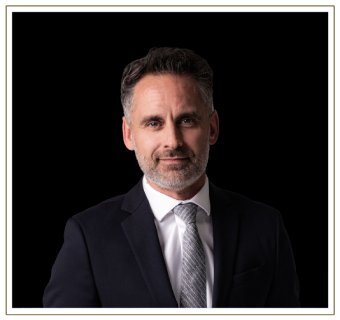
Dr. Scott Leune
Scott Leune, known as The Dental CEO, is one of the most respected voices in dental practice management. From his seminar room alone, he has helped launch over 2,000 dental startups and supported more than 20,000 dentists across practices worldwide. Named one of the 30 Most Influential People in Dentistry, Leune delivers practical, no-fluff strategies that empower dentists to lead with confidence, scale efficiently, and achieve real personal and financial success.
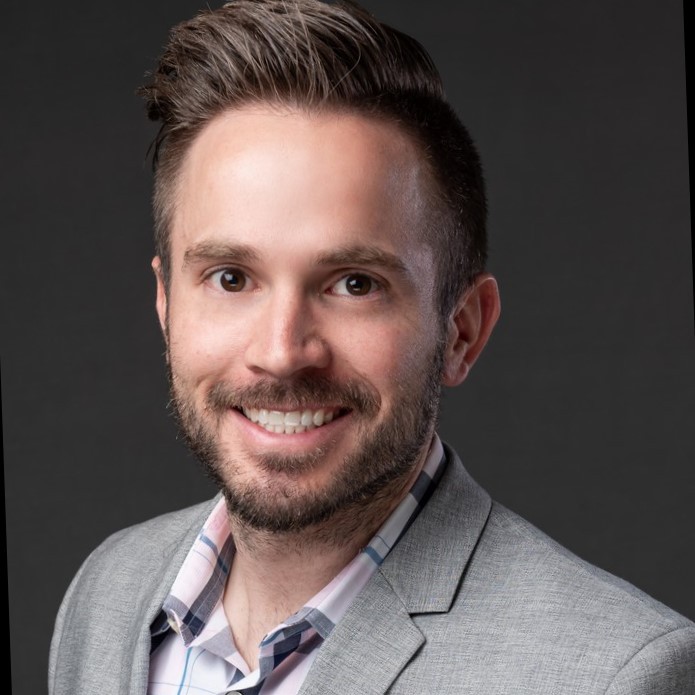
Josh Wallace — Owner - IT Harbor
Josh Wallace is the owner and operator of IT Harbor, a company specializing in dental IT services. He has been running IT Harbor for several years and is known for providing affordable IT solutions for dental practices. Josh Wallace and his company are involved in building or updating IT infrastructure at dental practices and offer on-call support for IT issues
Watch Episode
Read Full Transcript
Modernizing Dental IT Infrastructure
Scott Leune: You have a bridge over here to connect that sensor to the software and you've got a different sensor over here and you're trying to figure out how to do online data backups through CBCT, but it can get messy and for all of that, you're spending a fortune not just on equipment and software but on IT support spending a fortune. Is that really the right way of doing it today? That's how we did it five to 10 years ago, but today things are different. We've got AI needs, we've got automation, we've got remote admin people, we've got 3D printing and scanning and huge CBCT imaging. We've got new technology, new equipment. What should the look like from an IT standpoint today? What should the front desk look like today? How should we be integrating this and how can we do it in a way that's clean, it's secure and it saves us money? And that is what we're talking about today. I've brought on Josh Wallace, the owner of IT Harbor has the best reputation I've ever seen for doing dental IT at an affordable price and I'm excited to have him kind of give us the latest updates on what our practices should look like from an IT perspective, whether we are starting a practice from scratch or whether we have an existing practice that we need to upgrade or we're about to buy a practice that needs to be upgraded. It's important for us as the dental CEOs we are to understand where we're at today and where we're moving to tomorrow so that we know is now the right time to make upgrades and what should those upgrades look like. That's what we're diving into on today's episode of the Dental CEO podcast.
Okay, Josh, so like I said, thank you for joining us today. It is a really expensive part of building a practice. It can be an expensive and sometimes annoying part of running a practice, but it's something that hardly anyone ever talks about in industry. No one's teaching us the latest setups and what to do. So I've been excited to bring you on for this because I think we need an update. We need to know the latest way of setting up it and things to consider. So before we do that though, I want to ask you if you could take a couple sentences and explain to the listeners who you are and what you and your company do.
Josh Wallace: Josh Wallace, right? Owner operator of IT Harbor, been running it for quite a few years now. We're excited to be here. We get to see you guys quite a bit. We are doing a lot of new builds and just trying to get people set up for the future and we're excited to be here today to discuss it and all the fun things it has to do with, so thanks for having me. Now
Scott Leune: In IT harbor real quick, I kind of think of you guys as doing two main services. One is building or updating IT stuff at the practice, even construction, like building or updating A practice's IT infrastructure. And then the other thing that you guys do is you're constantly available, like unlimited amount of time on call to help save the day if there's an IT issue. Did I say that correctly? That's correct, yep. Okay, perfect. So if we could maybe start out with maybe start out talking about a new build or Yeah, a new build. Like let's say we're doing a startup practice. Part of building a startup practice is of course dropping the data lines and mounting monitor mounts and that whole thing and you guys do that, but I'd love for you to describe when's the right time for an IT company to get connected with an architect. When's the right time for an IT company to fly in and do all that data line drops and all that kind of work? What is that process like?
Timing and Planning for New Practice IT Setup
Josh Wallace: Yeah, I think in general you want to get in earlier than most dentists think, right? A lot of dentists always put the IT in the back of their heads. No one wants to actually mess with it and when they do it's like, oh man, we got to do this. Forgot about that. In reality, the sooner you can get an IT company involved, the better, especially because they work very closely with those architects that you just said, right? So they need to be in there to be able to show these architects where their low voltage needs to be. We talk about AI all the time and this and that. Well, if you're not in there with the architect, you're going to be behind. If you ever want to future proof your practice, hey, I want to do 3D modeling, I want to start doing that. You see all these new dentists starting to come in and add 3D and they want to add all these new AI products.
Well, if you don't bring in your IT company quickly, you're not going to have the proper low voltage. You're not going to have the proper setup that looks very different than even five years ago. And so the quicker you can get in with your architect, I'm talking one of the first, the better for you because then you can say, okay, I want this set up. I want my IT company to know what we're doing right out of the gate. Because one of the funny things is with IT in general, the IT business is there from the beginning to the end, one of the very few people that actually care that is successful. Why? Because we're there to see it when it was nothing. We are the very last people to go in and after that everybody drops off in construction, guess who stays? The only one is your IT company.
Scott Leune: So
Josh Wallace: If you're not bringing them in you, you're going to miss out.
Scott Leune: So I think in my words, I'm going to restate what you said in another way. So when we work with an architect, the architect is going to put together 60 to 70 plans of construction documents that talk about where all the outlets are going to be and what kind of saw cutting we're going to doing and all the flooring and the elevations and everything. And one set of those 60 to 70 pages is going to be the IT design, the layout of where our data lines are going to be and the location and the number of those data lines has changed over the years. Now that we've got 3D printing and we've got CBCT and we're trying to do additional things remotely and we've got more things on carts, so it has changed aspects of it, so we need the proper design, the layout early on in the design process, so alongside the architect designing the practice and building the permit drawings.
We have mechanical, electrical, plumbing, we have interior design and we have it and it is going to be part of that. Then when the framing's done, I believe right before the walls are closed up ideally, and you're going to go and run all the IT lines in the construction zone and then you're going to go back in there maybe at the end one of the last people there on the construction standpoint and be installing the monitor mounts, the ceiling mounts, putting together the iPad to run the sound system and all that kind of stuff. Correct?
Josh Wallace: Correct.
Scott Leune: And then what you said, you're really the last one of the whole construction crew with the dentist because you never leave once the practice is open because now you've got to help maintain what you built, whereas all the other contractors get say, all right, you paid me, I'm done. Good luck. Hope nothing goes wrong with you. You are basically going to be held accountable long-term to being done, which is why IT companies should run the data lines and not contractors or electricians. It should be the IT company. They are held accountable after you open to making sure it was done, which means, well, you could tell me when I've seen electricians run data lines, I pick up on the ceiling, it looks like a mess, like a spider web of cables going cross everything super tight, not a lot of slack, nothing labeled. What should it look like? What does that look like when an IT company does it?
Josh Wallace: Yeah, it's funny because we've had to go fix quite a few of those. When someone doesn't, they just say, Hey, we packaged it in. And so as far as an IT company goes, the IT guy wants it to be pretty and that sounds bad, but why do we want it to be pretty? Because we want to know the track it's on. The IT company wants to know, okay, I know all your wires running along this track, so if something breaks in the future or if you want to add, there's so many times you're going to add data lines in the future, especially as you grow. And so having that up there, having it on J hooks or having a zip tied up correctly, having it just pretty makes it so much easier compared to that spiderweb. Because what happens is when a spiderwebs out, you don't know which line's going where. So then you got to test every line. It costs you a lot more money if you have to come back in, it is a nightmare. You're talking to two do that job alone, you're looking at one to three grand for an electrician or an IT company to come up and redo your lines because they were misfired. And so it changes the game when you have us or have your IT company do that, it's so much easier.
Modern Dental Operatory and Front Desk Setup
Scott Leune: Electricians, the reason why electricians do it that way is because they're trying to cut every material cost they can so that their profit margins higher, so they go from point A to point B in a straight line, but all these point a's to point Bs make it a spider web mess, whereas an IT company puts extra material in to keep it organized and to have a proper amount of slack so we don't ruin the cable and so they're doing it right, whereas the electrician's cutting corners by trying to chop away material costs so they get extra profit, but that's at the detriment of the practice. Now I'm curious when we talk about an operatory and we're going to set up the IT in an operatory in yesterday's dentistry, there was no TV for patients. Maybe there was one monitor, maybe there was a big computer somewhere. What are we looking at for today? Literally like equipment wise and location. What does today's modern dental op look like from an IT perspective?
Josh Wallace: You want to know, I mean if you want to be a dentist of the future, which I think most dentists are, you're going to see that most dentists are going to go to this route compared to people don't like seeing boring people want to see what they're looking at. People want to be amused, they want to be entertained. They also want that good feeling. Well, your IT guy is the one that's going to help you do that, right? Yes, you got the pretty decorations, but people want the view, the TVs and so when you look at a modern day, you're going to have a 55 to a 75 inch screen when you walk in or bigger. They love that look. Now
Scott Leune: You
Josh Wallace: Walk into your operatories, you no longer have maybe a one monitor those old 19 inch that you can't even see that. That's the old way. And most of 'em were on the actual chair.
Scott Leune: If
Josh Wallace: You remember that Scott, that was it. That's all you have to look at and your dentist is over the top of you and it's very impersonable. And so now the modern best dentists are bringing in things to make you feel like a spa when you walk into a spa. We're trying to emulate that with dentistry. I look up, I got this beautiful 42 inch screen above me. I look ahead, I could have another dual TV screens. Not only can I see my CBCT, but I got my welcoming on another screen and it's so immersive, right? Then I got my noise canceling headphones. It's all it. So then I can watch the TV and it's such a better experience. And then behind you, you now have a dual can have dual monitors behind you so that the dentist and the hygienist can work together. It's just so much more of an experience in dental compared to the old school ways, which that's what you remember your experience. Because if you're not remembering the experiences of it, you're going to be like every other and what's going to happen as an IT company, and I think the world's seeing is AI will take over those mediocre guys. What's going to happen? All these AI things coming out. Eventually there's going to be some, if you're not good enough, there'll be a robot and AI thing that could take it over. So you've got to be able to immerse yourself and build upon that.
Scott Leune: If I were to kind of review this, so we've got a large screen on the ceiling for entertainment the patient can listen to with noise canceling headphones. We've got in front of the patient, maybe even two large screens. One is going to be kind of the actively used screen for imaging including showing AI imaging. And the other screen might be the accessory screen for a welcome message or even photos of perfect smiles or anything else. We want to kind of drip any messages we want to drip to the patient behind the patient. We've got the computer and the doctor and the assistant side monitors that computer. Are we now using a slim form computer mounted behind a monitor or are we using a more powerful gaming computer that it's in a cabinet? What are you seeing right now in operatories?
Josh Wallace: Yeah, so that's great because there's two models, right? If you want to be able to show your CBC Ts and manipulate 'em, we have these gaming computers now that are amazing, but they're still slim. You want to be able to fit 'em. No one wants to see the ugly computers sit now.
Scott Leune: So
Josh Wallace: We have gaming computers that a lot of dentists go on every op and that allows 'em to manipulate and they'll show it and give that look that you're trying to go after. But we still do use those slim. The slim ones are for, Hey, look, I don't need to manipulate 'em in every op we just want to go with. You can still see 'em, they can still show you the C cts. It looks great. So either version works, but yeah, that's more of a pricing if they want to be able to give that immersive experience of let me rotate it and show you what we can do. But they're both slim now. They both fit and they're hidden. No one wants to see the computer part.
Scott Leune: I've seen Praxis more and more use these kind of immersive glasses that give the patient, they put the glasses on instead of a ceiling tv and it gives them the experience of having a huge monitor, but it's in the glasses. Is that a common thing you've seen yet or is it still
Josh Wallace: Uncommon? We've had one practice do that up to this point, and those glasses are amazing now. The glasses are hit and miss for some because it depends. It's so immersive. The doctor has a hard time talking to 'em,
Scott Leune: And
Josh Wallace: So that's the only downside we've seen. But I mean there's a lot of people, if you look at the younger generation for some reason, don't like to talk to people as much. And so those are where we've seen. We've seen a lot of the children practices. That is where we saw this get implemented is where we just want him not to talk to us, put these glasses on this little dude and let him go. Just enjoy the scenery.
Scott Leune: So maybe like a new patient in a general practice might be better off with a ceiling TV experience so that we could have ongoing conversations during the procedure, during the visit. Maybe if we're doing on the doctor's side, we're doing surgeries or sedation or whatever it might be, we're treatment the whole time. That might be a more conducive environment for the glasses or course of pediatric practice. So we talk about the operatory setup. Are there any updates or changes in the equipment setup? We would see in the front desk area. Again, in the old way of doing it, we'd have a computer on the floor below the desk. We'd have one monitor and we might have a scanner over here. We might have a printer over there. We might have a fax machine over here. We have a phone over here. What's kind of the newer way of setting this up?
Josh Wallace: Yeah, iPad, right? iPad's kind of the newest way you come in. You have iPads sitting right up front, right? They do their own check. It says Welcome. You don't even have to talk to the check-in and check out as much. It's just complete iPad going as far as the computers go, they are now mounted. We try to hide computers. Computers in an eyesore, so you hide 'em now, but everything's dual monitor as well. Single monitors out. You do dual monitor, it's just a prettier look and then everything's hidden even far as printers and things are hidden now, right? You put 'em in drawers or printer drawers, things like that. No one wants to see that sitting on top. Look, because the great thing too we've seen with these iPads is a lot of times they can come check in and we have doctors that will give you an iPad now, and once again, this is a lot more in the children's practices is because they now insert cameras inside the operatories.
Now you have to sign a waiver to let you know that you're going to be watching your kid on the camera, but the parent can now sit out in the hall on their iPad and see their kid in the camera. Oh wow. So now the mom's not having to go back there. It's better for the doctor not in the way things like that's changing as far as the check-in is the ease of use. Let me take little Johnny back. Here's your iPad. You can watch the whole procedure. He'll be back there with me. Things like that's really different compared to even five years ago.
Scott Leune: So if I were to walk in, I might see iPads that I check in on and therefore disrupt the front desk team less. I could fill out medical information potentially on the iPad. And if I were to look at the desks of the front office team, I see two monitors, but I don't see the printers, the scanners, the fax machines. I might see a phone, but the computer you said is hidden and mounted. So it's mounted on the wall under the counter. Is that where you put it? Correct.
Josh Wallace: Okay. Yep. Out of the way it's underneath.
Cloud-based Systems and Cost Efficency
Scott Leune: Yeah, it's a small form computer as well. Right.
Okay, perfect. And so now I'm curious. There's this kind of server versus no server debate going on. If we are a fully cloud-based practice, meaning we have imaging software on the cloud, we have practice management software on the cloud as well, then we hypothetically don't need a server. What are you seeing here? We could still have a server, but what are some things to think about? If I'm going to be building a new practice and I'm going to be cloud-based, do I want a server? Do I not? Is it a cost savings? Is it not? Do I lose functionality if I don't have one or what do I need to be thinking about?
Josh Wallace: Just to kind of preface that, in the next five, seven years, there's not going to be any on-prem servers. Reason B, if you look at everybody out there, look at open dental, look at Dentrix, look at any of the softwares you want to use. Now you know what they're trying to do. They're coming out with new things to go cloud. They all have their own now cloud version. There's a reason for that. They're trying themselves to make it so they're not so dependent on this big hunky server sitting OnPrem that could burn up in a fire or something go wrong. And so there's just prices in that that you have to continually build upon. And so if you're starting a new practice, you're definitely going to want to go cloud out of the gate. Now, there are some nuances that I think some dentists don't understand with that if you go cloud and you do CBCT, you do need a NAS type system or the gaming system that we provide has enough memory to build to store your files.
And so that's the only nuance if you're trying to build is you can't just say, well, no, no server at all. That's true, but you need something that can save those big CBCT files. So with our gaming systems, we solve that. We put enough memory inside of these bad boys that it makes it to where you don't need a server anymore, it'll just automatically save on there and then it does a cloud update at night, not during the day, then you'll bog down your internet. But if you're going to be starting a new practice, there's no reason that you need to go to server unless you're an older dentist and you've been on one your whole life and you're just, I love servers, great. Any IT company can set that up, but you're definitely going to have to replace that next few years they're going to be obsolete.
Scott Leune: So if we go with that, so what I'm hearing you say is with CBCT imaging because the files are so large that we need to have enough performance in the computer to handle that. Today's gaming computers can handle that as well as servers. What's the cost savings that I see if I build a practice with kind of a gaming computer strategy as opposed to a traditional server strategy?
Josh Wallace: So the gaming can handle way more reason why we went that route compared to the traditional is or any it is go on that route is because you can add, you progressively add more of your AI technology, your 3D printing, all of that, you can add that onto these gaming computers, all this new data coming through with your phone systems, all this new intelligence coming through for your marketing, all this stuff that's running on cloud that you got to have things run with good graphics cards, those gaming computers solve that for you. So in order to be in the future, especially as this new AI comes out, if you're not on board with these computers and you have your old school server, that server can't handle that. It just doesn't do it doesn't have the graphics cards or you're going to have to buy a gaming computer with a server and now you're just doubling your money trying to do exactly what you could have done with just a nice gaming computer. Just set you up to futureproof yourself, not only for now when you open your doors, but in the next five to seven years, you're going to be able to have all this technology that we can implement instantly. It's just so much quicker. So then your savings alone, you're going to be looking seven to 10 grand in the next few years just by not going server first, which is a no brainer.
Scott Leune: So then it sounds like the most cost effective setup is something that minimizes equipment costs, yet we've still got everything we need for the future. Future. It minimizes software costs, it also minimizes backup costs and maintenance costs. And so what I'm seeing right now is going with, and I'm just going to call out some names, not that these represent all the solutions, just examples, but like a cloud-based practice management software like Curve and then the cloud-based imaging software like Soda Cloud, and we run our CBCT and our 3D printing and our scanning, all of that, all of those image files are being stored in Soda Cloud and they're being pushed into Curve and we're running AI with Pearl on these X-rays and all of that is being managed with the gaming computer strategy. And now I don't have to pay for a ton of online data backup because it's all cloud-based. I don't have to pay for a ton of maintenance because again, those companies are maintaining it. I don't have a server cost. Seems like that combination today is the most cost effective upfront and moving forward. Is that correct?
Josh Wallace: A hundred percent.
Scott Leune: I've been told that a traditional server-based practice with server-based software, the IT support costs, like what your company does in helping people every month when stuff goes down or helping people, if there's a disaster helping people, if they need to do updates, the IT costs can be double per month. If we're on a kind of traditional legacy server based software stack, then if we are on a more modern cloud-based software stack, is that still correct?
Josh Wallace: Yeah, and reason being is because of all the add-ons you have to do when you're on server, you have to add on so many new things. When there's a server of, Hey, well now I got to add an API here in order for it to even talk to it, you have to add so many more things that can go wrong. Tat's why I think the main cost is not necessarily that initial. It's the fact that so many things can go wrong that you're having to pay your IT company so much more money to do the fix. And so really anybody that's on server, you're setting yourself up in the future to have to remodel. Once again, you're just, if you're going to do a startup, you got a startup, right? And you're exactly right because all these backups that you're talking about, they're all through the cloud. If your IT company doesn't have to do that anymore, they're not the ones that have to say, well every night now we've got to backup up all your files, all your pictures, everything that needs to come through that's gone. It's just so much more seamless. So it's not necessarily that of the initial, it's the long run of trying to keep that server going. It's becoming obsolete. I mean it really is. Most dentists aren't going that route now.
Legacy System Problems and Frankensteining
Scott Leune: So I think back to the day of, for example, a practice might have server-based open dental, but open dental doesn't have metrics. So now they've got to have practice by numbers or something like that that connect to open dental and that connection can be a point of failure at times. And then they don't have automated texting and confirmations or online scheduling. They have another software for online scheduling potentially. And now they have a digital sensor in the operatory, but they don't like that sensor anymore. They don't make that sensor anymore and they want to buy a more modern sensor, but the modern sensor doesn't talk to their imaging cloud-based imaging software. So now they need a bridge software in OP five only, right? That's where we use at sensor in op five needs a bridge, and suddenly you just start frankensteining together, bolting all these bolts and nuts together on this practice IT infrastructure and things can go wrong.
And then they hear, oh, there's an update that has to be made on this software or update on that software or Windows issue. And man, it just becomes a domino effect of crap. And the practice is down, the practice is down there, they're just spinning a fortune on it to maintain this, or maybe they're having to upgrade all their computers and they're not just paying for IT support, they're paying for open dental support, they're paying for all kinds of support from other companies, and it just becomes a really nasty, annoying, costly setup. So today's clean setup says we're using all in open source, all in one cloud-based software like Soda Cloud open source. It's got everything you need in one. It connects with every single piece of sensor equipment and all that and cloud-based or curves all. So all of the updates are done by them, all the backpacks are done by them, and it doesn't put all this kind of pressure on your IT infrastructure.
And that means that it's easier for companies like yours to maintain the dentist and the practice is just cleaner. We don't have that downtime. If I'm an existing dentist with an existing legacy setup, I've got the open dental, I've got the whatever old server-based process, I'm wondering is it the right time to consider switching to cloud-based software switching to maybe upgrade to a gaming computer strategy? Should I go ahead and upgrade the patient experience with more TVs? When do I know if I should be doing this? And before you answer that question, I'll say, from my experiences, the amount of money you save per month by switching to today's infrastructure more than makes up for the cost of the switch. So you'll save so much money every month and of course so much heartache and that money you save will pay for the cost of the upgrades of adding this or adding that. So I'm curious to hear your thoughts. Have you worked with practices that have had old legacy systems that they switched?
Upgrading Existing Legacy Dental IT Systems
Josh Wallace: Oh, and you know what too is when you ask when's the time to do it, you are losing money every day. I mean if you're having to go into a dental practice and it isn't this modern look and feel with the gaming computer and all this new technology as a patient, my idea of your practice changes compared to when I go into these modern, they just feel better and they look better. So when you say the money wise, I just say, okay, so if you don't go modern, what's going to be the negative effect if you don't modernize it, you're going to be that dentist that we talked about earlier that eventually AI is just going to take over again. Well,
Scott Leune: You're talking about the patient experience. It's also important to mention that these legacy software programs and the legacy IT infrastructure creates a lot of extra work and wasted time for the team. So it takes them longer to do things. They have less automation they have to deal with down moments. So have you had, I'd love to hear either an existing practice or a small group or anything like that that has made the jump that said, okay, we're a success successful group, but we're just really frustrated with a legacy way. We need to be a modern practice and they've made the jump. Could you talk about what that might be like?
Josh Wallace: Yeah, and so we go back and we talk about these offices that have done that is they come in and say, okay, let's just make this to where we can modernize it. And the first thing that you have to do is you go through and you do an inventory check because a lot of times it starts with the computers. Your computers are so old they're running on Windows 10, you're not HIPAA PCI compliant. So right out of the gate, you're going to change your computers anyways, so why not go to the gaming computers, right? Then 90% of our clients that are switching over, they have to replace their computers because most people aren't looking for new IT until something's wrong. Most people who want to remodel or even thinking of that is because they already have gone to that part you're talking about, they're like, we're screwing ourselves right now.
I'm paying thousands of dollars because my server sucks. I'm paying thousands of dollars because this doesn't connect to that and I just got a new marketing company now they can't work here. And so that's when we usually have to get involved because they're like, we're losing money. My IT company now is not working. And they're like, look, you're screwed. And so when they have done that switch, I think the best thing to do is to get over to switch over from on-prem server, you've got to go cloud at that point. A lot of these companies now have a cloud solution. So let's look into that first if you're comfortable with one, great, but let's go down that path. Let's get you updated computers because I promise you your probably have some old computers, your servers out of date. But what's so great too is that the easy fixes are it can come in and they integrate everything into your firewall.
Integration and Remote Management Benefits
And what that means is you can control everything now on your phone as a dentist. Well, I mean if you're the owner of a dentist practice, I can go on my laptop and the whole thing. I can see all my computers, I can run all my software, my you know what? Your music's too loud. I can just do it right here from home. Don't worry about it. I'll turn down. You guys forgot to turn it off. I mean it's so integrated now. Hey, it's too cold, don't worry, I'm at home. I'll turn it down Now it's a little warmer. And so there's just, if you can integrate your time is money, how much less time. Now you don't have to worry about all of that, plus you just made it to where everything can be ran from a single point, which means if I'm here at this one location and I want to move over and go to your location up the road, their stuff's already there, right? So you want to talk about money. No longer are you spending your money that you're going to have to fix and bandaid, that Frankenstein of equipment you now are set up to where you're saving not only money but time. And I think that's where most dentists start going, I don't want to deal with this, so let's make sure that you just put your money into the computers, no server and you integrate everything. If you can do those three things, you're going to be set up for the next five to seven years, then something else will change. It always does.
Scott Leune: Yeah. And you bring up multiple locations. This is something of course we should probably bring up is as more entrepreneurial dental CEOs are owning more than one location. It's common that we need to share staff across multiple locations. And so we need the same setup at every location, the same software setup, the same hardware setup. We have to share patients. Sometimes we send a patient from here over to there. So we need to be able to access their images, access their charts, their history. And so not only does an open all-in-one cloud strategy save us a ton of money, it saves us time, it gives us the logistical connections between multiple locations. I also as a dental CEO, I might want a virtual admin team to work for my locations or I might want to build my own kind of revenue cycle management team offsite or hire a company to do revenue cycle management offsite.
And all of them need to be able to easily connect and integrate, grab the images and look at the schedule and so forth. So tomorrow's dental world of technology and efficiencies is going to demand that we have a clean modern IT infrastructure. And so my opinion is when's the right time to do the right thing is probably right now and every kind of month we wait to make this switch is another month of us just digging deeper and having more annoyances. The sooner we switch to the right way of doing this, the sooner we benefit from the right way. Now luckily when we look at taxes costs and all this tax law recently is really allowing us as dentists to write all this off upfront within one year. So when we look at the cost of this, we do have to buy new equipment, we do have to buy new software.
In the past, we didn't necessarily get to write all that off at once, but as an owner of a practice today, if you have to invest some money in new equipment, new software, the way the tax law is written right now, you'll get bonus depreciation on that. That'll go up against all your earnings for that tax year and give you that kind of upfront benefit so that you don't get hit on your cash so hard from it. Okay, I've got one last question for you as we're running out of time here. I've never really seen dentists have a proactive approach to making sure their, IT is kind of updated and healthy. And I've heard you mention before this idea of having kind of like a quarterly maintenance audit or quarterly maintenance check a meeting to see how's everything running? Is something running lower? Do we feel like something's going to need to be replaced? Can you describe that process to kind of be proactively auditing the system instead of reactively freaking out when something goes down?
Proactive IT Maintenance and Future Preparedness
Josh Wallace: And so what it is is that the best IT companies have an auditing tool. And so what it does is every ticket that you've done in your practice, anything that's been fixed in your practice, any new product gets audited, it gets in this big sheet and they find out, okay, this is the stuff that we need to continue to monitor. And so every quarter your engineer should be sitting down with you and saying, listen, we have noticed computer one has got all these problems. Now's the time. Or look at all these things that your modern technology cured without you knowing that's the greatest. Scott or Dr. Leune, sorry, is that most people don't know. They think, Hey, you know what my, IT must be amazing now because I don't hear from like I did five years ago. You want to know why? Because all integrated, we do it on the backend now.
So what happens is we're fixing internet and it goes down, it's swapped over and you didn't know we already fixed your internet five times in these last few months because you never went down. That never happened before. So these quarterly things are so great because if you can sit down and say, let me show you all the benefits of these tools and what they have done, how many cybersecurity attacks didn't happen just because of this technology? How many hours were saved because you didn't have to call in or make tickets because we automatically did this for you on the backend. That also does a great opportunity once a quarter to say, now also, let me show you the latest technology that's come out in these past few months that now can help you stack upon what you're doing. What's the latest ai, what's the latest 3D?
What's the latest this or that? The best it comes out there are constantly talking to their dentists and letting them know what the good and the bad and the ugly is, but not doing it all the time. They don't want to hear from you. No one wants to hear from an it. They want to hear what has been done and what's the next thing, how can I stay above? And so those are quarterly things I think most IT companies miss. They just think, oh, I don't want to call. Then they'll actually think about me and we already know they hate me. But the best ones know that if you can call in and just understand that there's problems and that this is what we fix and this is how it just builds that rapport and makes it to your practice is going to be there for a long time.
Scott Leune: And you guys can even see simple things like you can tell a dentist without the dentist even realizing it that he's got a printer that's down for example, that a connection's off somewhere. It's things like that that I think are one big reason why your specific company, IT harbor. I've never known a dentist to actually leave your company. I know a lot of dentists, a lot of dentists that use you guys, you guys are just flooded with five star reviews. I've literally never heard of a dentist leaving you. And of course at some point I will. Obviously we all do have that. But it's remarkable because it is not necessarily an area that's been known to keep Dennis happy. It's not been an area where you've got a great IT provider at a fair price and they seem to be working well for you. Usually the IT side of a practice and the people working on that are not delivering the quality that makes the dentist happy at the price. That makes sense. So you guys obviously do that and I just want to commend you for that. It's not normal to find that specifically in dentistry. Alright, well are there any last words you want to say before we wrap this up? Look,
Josh Wallace: I understand that this conversation for your dentists and everybody listening is, Hey, you know what? I don't like to deal with it. I understand that. I think the main thing that if you're looking for this in this conversation is be prepared for the future. Be prepared with a company, anybody, any IT that you love that's willing to take the good and the bad willing that's available at all times. That has a number that you can talk to that way if you want to be the next great thing, you got to have that friendship inside the companies you work with. And if you can do that, you're going to be very successful because you're going to be able to continually grow the practice.
Scott Leune: Yeah, I think what I've heard from you on this episode is, well first of all just it's great to know the latest setups, the latest way people are building ops, putting together front desk area, the whole iPad, all that kind of stuff is great to know. But what I hear is that we're really at a pivotal moment for the dental IT side where we are having this wave of technology being integrated into dentistry and to be properly prepared for that, we need to be cloud-based and open source and we need to make sure that the infrastructure at the practice level is set up right for that. That is going to give the best patient experience and the best staff experience and it's going to cut our costs. And there's a whole lot of people that remember spending a whole lot of money on legacy server-based systems that unfortunately are going to need to come to terms with the fact that this is now outdated, it's now over, and the longer you wait to go to this next chapter of dental it, the more it's going to cost, the more it's going to hurt IT harbor.
Obviously Josh's company here has got a tremendous reputation in the industry for being very good and very affordable and it's hard to find both of those in one company. I hope this was interesting to all of our listeners to get a latest, greatest update on it and where you're at, if you are going to be doing a startup or moving your office and need the IT construction side of things, IT Harbor can help with that. And of course if you guys are having existing practice already and you're wanting to upgrade it or you're buying practices in your group and you need to kind of upgrade 'EM all to be the same, IT Harbor can help with that as well. So Josh, thank you so much for spending time and pulling out the curtain a little bit on the IT side to give us an update on it.
And listeners, I hope this was interesting to you guys. Thank you so much for logging in and please subscribe so you can get these episodes regularly every week so you can listen to us talk on your way to work or when you work out. And one last time, Josh, thank you so much for everything you're doing for all of the practices. We're connected to doing such a great job with them and I cannot wait to see how AI and IT and automation and all of that is coming together here over the next five years. Very exciting for dentistry. All right everyone, thank you so much for listening. This was the Dental CEO Podcast.
SUBSCRIBE TODAY
Subscribe now and receive a 25% discount code for Scott Leune’s upcoming events. Plus, get podcast episode alerts and exclusive subscriber perks.