Dental CEO Podcast Episode 37: Turning Setbacks into Momentum
In a profound episode of the Dental CEO podcast, host Scott Leune explores the intersection of personal struggles and professional achievements, emphasizing the power of resilience and positive change. This episode features an in-depth conversation with Robert Anthony, a USA athlete and inspirational figure, who shares his journey from overcoming significant personal difficulties to achieving great success in sports and life.
Highlights
- Robert Anthony’s story of overcoming a childhood marked by multiple personal tragedies and challenges.
- The discussion on the disparities in supply pricing in dentistry and solutions offered by ‘Private Dental Alliance’.
- Inspirational insights into transforming personal challenges into opportunities for growth and success.
- Strategies for dentists to manage stress and pursue strategic changes in their practices, reflecting on the audibles called in response to life’s unpredictable turns.
- The concept of leadership with compassion and leading with love, which can apply both in personal realms and professional settings such as dental practices.
Speakers
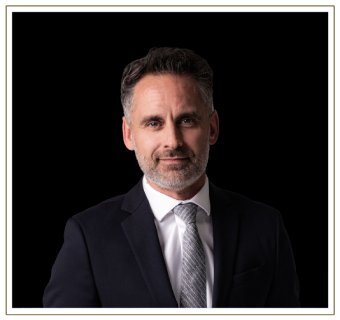
Dr. Scott Leune
Scott Leune, known as The Dental CEO, is one of the most respected voices in dental practice management. From his seminar room alone, he has helped launch over 2,000 dental startups and supported more than 20,000 dentists across practices worldwide. Named one of the 30 Most Influential People in Dentistry, Leune delivers practical, no-fluff strategies that empower dentists to lead with confidence, scale efficiently, and achieve real personal and financial success.

Robert Anthony
Robert Anthony is a below-the-knee amputee, a father, and a husband. He is an entrepreneur, philanthropist, and USA athlete. Robert has represented the United States in soccer, triathlon, and volleyball, and has appeared on American Ninja Warrior. He is also a speaker, model, and actor. Robert’s story includes overcoming significant personal challenges, including a birth defect that led to amputation, family tragedies, and personal struggles, which have shaped his positive and resilient outlook on life.
Watch Episode
Read Full Transcript
So do you ever feel stuck? Do you ever feel like there's changes you need to make in your life or changes you need to make in your business? And you know you need to make them, but you just don't make them. You're. You're kind of paralyzed by the analysis. Or, or what about. Do you feel like you've been hurt, you've been damaged, you've been traumatized by. By things in your life or things in the company? Well, I'm excited to bring our next guest today on the Dental CEO podcast, Robert Anthony. If anyone has been challenged in life, he's on the list. Born with. Needing an amputation at 10 months old. Became a. An athlete that represented the United States in soccer, in triathlon and volleyball. Was on American Ninja Warrior. Became an actor, a model, a speaker, a father, a husband. Has struggled as a child, not just with the amputation, but with. With deaths in the family and house burning down and abuse and. And came out of that with such love and positivity. What a perspective we're going to get from, from this episode. Let's learn how he thinks, how he got through the struggles, how he achieved so much and put that into perspective with what we're trying to do in our life and in our company on this episode of the Dental CEO podcast. All right, Robert, so thank you again for joining us. I really appreciate your time. Now, for those of our listeners that don't know who you are yet, could you spend a little bit of time explaining like who you are, what you do, what you're all about? Yeah. So my name is Robert Anthony. I'm a below the knee amputee. I'm a father and husband first and foremost. I'm an entrepreneur, a philanthropist and I'm also a USA athlete. Awesome. And, and, and of course you're, you're a speaker, you've been on tv. American Ninja Warrior, as we heard, and so model and an actor. You know, it's such, you know, to talk to people with, with early life struggles. I, I've had my struggles. You've had not, not just the amputee side of your struggles, but other struggles as well. I think it's, there's always some really big, important lessons that happen from hearing some of those stories. Without going into a tremendous amount of detail, could you kind of walk us through just an introduction into what that was like going from, you know, amputee to kind of adulthood to doing the things you're doing now? Yes. God, it's like anyone has their own journey. I think everyone has a story to tell. My story wasn't just, you know, once someone looks at me and looks at my leg and a lot of the times they tell me that they feel bad for me and they want to hear, you know, maybe something traumatic happened, did I lose my leg in war. But I was born with a birth defect and my mother, ultimately as a 22 year old woman without the inside of doctors, not sure if she was making the best decision for me, she ultimately decided to amputate my leg which allowed me to be in a prosthetic and to run and to play with the other kids. But growing up, my father was in my life. He wasn't always there. So I went back and forth between my parents houses which then the course of time, my house burned down a few days before Christmas and I was in abusive situations. So my prosthesis and my amputation was something that physically I had to overcome. But I also had this chaos, I feel like around me that I mentally had to overcome, which at the time I didn't realize was shaping me to be the person that I am today. Yeah, I feel like we're all. We've all had something amputated from what we thought our life was going to be. You know, we've all had some sort of change, reset, something cut away because it was defective from what we were hoping or thinking. And. And I think a lot of us look at those parts and. And. And while they're difficult, we. We may recognize that, oh, that's part of who I am. Like. Like, I wouldn't have done this or that or the other had I not experienced that thing first. First. Is that how you see it? Yes. It's funny you say it that way, because when I'm speaking, I. My company, Limpossible, I go around, like, doing life coaching, mental health coaching, and a lot of public speaking. That's one of the things that I say that, you know, amputation, it can't just be a leg. It could be something that you lost in your life, something that you may have had and you have to let go. And a lot of times as people, we search for things to be comfortable. We have problems with change and letting things go. And so the mindset of saying that you may have lost something, to me, it's more about the fight back. And that pain brings us closer to our goal because I'm sure you have your own experience as well. The only way to go up is to go down and then to come back up again. Life is a roller coaster in that way. So everyone kind of has their own amputation, and it's just about how you get up and get it. Get up and get at it again. Yeah, one. One person I interviewed a while ago, an expert on stress, said that a lot of people look at stress or hardship as like they're a victim of it. Like, it's like it's been done to them. But she said that you could look at it differently. You could look at stress as kind of the universe asking you to excel to the next level. So that stress in, you know, in physical activity builds muscle. Right. And that stress can be, like, the bubbling up of needed change where we become the next person we're supposed to become. The stress can be stress due to success, you know, but it could also be stress due to losing something, stress due to disappointment, stress due to inactivity. Right. All those things can. Can happen, and they might be the signal that says, hey, maybe we're ready to kind of reset and start the next thing. I was in a wheelchair for a while, so I broke my back in four different places and crushed all the nerves and went to my legs and couldn't really walk and had just pain every second of the day was. Was a. I guess. I guess I would call it suicidal levels of pain. But in that, I was forced to get out of the dental chair, but I became someone that sat in the entrepreneurial chair. And so I still owned a dental practice, and then I owned multiple. And then I grew multiple companies and. And, you know, you fast forward and it looks like it was all planned out that way, but none of it would have happened without my life imploding because of my injury. You know, it caused me to be the next person I was ready to be and achieve something different. Now, you know, back to you. Some things I've heard you say. One thing you say when you talk about leadership is leading with love. You're not the first person I've heard say that, actually, not even the first person on this episode. I'd love to hear, though, how you think about that or what that means to you. Sure. Well, I love what you said about your own experience in regards to being in a wheelchair and having to fight back. And that leadership always starts with ourself, within ourself. And I think that anyone who goes through something traumatic, we are a different type of people because we know what that level of pain is, and you know, what that does to us. It makes us give that love back even more because we know the other side, the opposite of it. And leading with love is very similar to that. Sometimes you have to know pain in order to lead with love. You know, it's. Sometimes I see. I want to say privilege, because even I feel like my own children are privileged now, as hard as my wife and I work. But they actually just got delayed and had to. Had to wait two days in the airport with my parents. These last two days, they just had a struggle. And they're calling, and my son is like, hey, dad. He has adhd. He's like, you know, I'm going insane here. And I'm like, hey, dude, this is your struggle. This is your journey. I want you to embrace it. And now he's home and he's. Big hugs, Big hugs. A lot of love because of what he just went through. And he's. I miss you so much because he was thinking about us so much, being stuck at the airport. And I believe in our own lives, we all go through that pitfall, that pain, that as a true leader, you have to be a listener. And then you realize some people lead with fear or lead with dictatorship. But the one commonality is if we don't speak the same language, and I smile and. And you can feel my spirit. That's love. That's kindness. And to me, that's how you lead people is through that because someone consents if you're not being authentic or real, as we say. And love is the one thing that we can all identify with, and we know that feeling. We need it as people. And so that's how I choose to be a leader in my own right, is to try to always lead with love, take my own self out of it and my own self gratitude. Sometimes actually selfishly, the more that I lead with love, things come back to me as well. And I know that. So I push that as much as I can. I'm going to kind of rewind a bit here. You've said a few really, really important things. So one thing you said to your son is, hey, this is your struggle. This is your journey. If I relate that to dentistry, I could relate in a very simple way. First, I could say, man, we show up Monday morning, we look at the schedule, we're literally triple booked in this one moment. And everyone's freaking out. Like, how are we gonna get through this day? And at that moment, everyone's waiting for the leader to establish the feeling we're gonna have as a company about this. Like, you know, and the leader could say, oh, my God, this is gonna be horrible. We're victim to this. This is terrible. I can't take this. Like, who did the. You know, we could do that. We could. We could play the blame game. We could play the power game. We could play the dictator game. But. But if we play the love game, we. We could say what you said. All right, well, no one intended for this to happen. But you know what? If I had to go through a day like this, I'm glad I'm going through it with you guys. This is our struggle today, and we'll get through it. And that leader that. That led that way will be the same leader that will probably show appreciation after, Will probably show support, will probably be, let's call it the leader that's compassionate. Compassion is different than the empathetic leader kind of feels what people feel. I don't think that's necessarily always good. But the compassion leader recognizes and sees what people feel, and they can support them. Right? So I think that's one thing that stood out to me when you said, hey, guys, like when you're faced with adversity as, as small as being stuck in an airport or as, as big as, as not having a leg, like that's going to be our current struggle in this journey. And after that struggle, we become more compassionate, we can have more love, we can, we can be stronger for it. Did I say that correctly? I, I agree. And then the next day after. Well, I just want to say this. I've had my dental appointments rescheduled, so I'm sure that was what was happening at the office when they're like, hey Robert, can you come in at three instead of one? You know, things like that. So now to get a look behind the scenes, I get it. And I think for sure because then the next day when the whole team has got out of it, the leader has lit, they want to be behind that guy and they're all like, woo, we got out of that. I love you guys even more, you know, and the camaraderie is there, the chemistry, you know, helps the practice move further or any goal that a team. Is going after as so ironic. In life we avoid pain and conflict, but it's through the pain and conflict that we have the growth. It's like we had to go through a bunch of shit to get where we're at today. And then we just want to give our kids the easy life after that. But what we're not teaching them is all the lessons we had to learn to be successful came from the pain. It's so ironic. We do have self inflicted pain in that if we want to be fit, we go work out. We go work out until we shake and can't lift anymore. And you know, we're sore the next day. But you know, do, do, we don't recognize pain outside in life necessarily that way all the time. And I, I think we should, I'm, I, I'm curious because when we go back to your like experiences, you had those, of course, you, you, you had the leg amputation, which is a more impactful experience than most people ever have to deal with. And you, you had to deal with that as long as you can remember. You had your house burned down, you had family member die in that fire. You struggled with your relationship with your father. You also struggled with abuse and, and all of that before you were an adult. So all of that during a time where, and of course there had to be bullying and other things that happened. All of that in a very kind of delicate, sensitive time of someone's life when they're a child, yet you were up. You were represented the United States and in soccer and in the paratriathlon and in volleyball, and, you know, you're a father and a husband and a speaker. How do we make that jump? Like, what happened to get an Olympic level athletic performance from someone that has had those types of hardships? Can we peek into that a bit? Yeah. So, as we all know as children, those are very impressionable ages. And for me, as a youth, young man, the impression that I had was that the world was going to be hard anyway. I had no choice. Things were just. There was nothing I can do. I got very used to things being out of my control and figuring out how to work within that. And as a young man, that was really tough to wrap my mind around. But as I got older and things continued to happen that I had to just say, you know what? I have to make the best out of this. You know, Theodore Roosevelt, you know, do what you can where you are with what you have. And I've always kind of hung in on quotes and signs and what is the universe telling me, and trying to figure out my purpose. And in search of my purpose, it's always put me on the right path, whether it was a path that I wanted to be on that I felt like I was supposed to be on, quote, unquote. But purpose is what I've searched for. What was my reason for being here? Why was I different? I knew I was different because it didn't matter about my skin color when I went to private school and no one looked like me, but no matter where I went, I was the only person missing a leg. So the deeper I dove into my purpose, the more the. The more I had to spend time with myself and take off layers. And I continued to build myself up to the point where I then had the confidence because I had to step in so many rooms that I didn't want to and be confident that it allowed me to then, as an athlete, step on a soccer field. When I didn't grow up playing soccer, try out for the team, go to the World cup, score in the World cup, or then the brink of COVID And my wife, she got mandated as a nurse, you know, to be on the front lines. I got severely depressed. To reinvent myself as a triathlete, to swim, bike and run, ultimately making Team USA and racing all around the world. And it was a mindset thing. The thing what changed me was just the mindset switch each time. You know, we constantly have to reinvent ourselves. And when I realized, hey, I don't have control. What is the universe teaching me here? Hey, I need to make a shift and there's a sign. So I would see the signs in my mind or what I thought or believed to be signs, and I would try to follow that path because that's what I felt like my purpose was all in the search for my purpose to be better. Yeah. You know, it's almost embarrassing sometimes what we are scared of dealing with in dentistry, when we compare that to, like, your story. Right, so you're scared. I. I imagine I'm putting words in your mouth, but as a child, there's fear in how will you be perceived when you walk into a room of new people and what will you be able to do? And the disappointment that you're treated differently or that you're not able to accomplish the same things and the same ease as someone that has two legs and, you know, isn't picked on, for example. Right. And yet. Yet, like, that's a massive thing to deal with. And. And yet, you know, in dentistry, we've got dentists that are, you know, making $300,000 a year working for someone else, complaining that they're not passionate about what they do and they're fearful to buy their own practice, to have their own thing. You know, their fallback plan is they make three. Worst case scenario is they make $300,000 if they fail. Right. And they're so stuck for a decade in reinventing themselves, as you said, as kind of the reset. And they're so obsessed with that struggle and that fear. Sometimes we need to put that into perspective. What stands out to me, one thing that stands out about your story, is you made the decision to be the next chapter, to be the next version. Like, like, you decided, I am going to run, I am going to play. You decided, I am going to play soccer. I am going to make the team, the U.S. team, right. And then, oh, now I am going to be in a triathlon. I am going to race. And you just made these decisions and did it. What you said, though, worries me. You said you found, like, your purpose or your passion. The reason why that worries me is that I feel most of us don't know what the purpose or our passion is. And we're just kind of, you know, for us to move forward, we just kind of have to blindly step left and hope that we find purpose or passion there. Does that make sense, what I just said? Oh, yeah. I love it. And I love that you just said that blindly step left. So Martin Luther King has a quote Faith is taking the first step without seeing the whole staircase. And that is what life is. Life is literally have to take that step without not knowing what's next. As human beings, we always want to know what the next step is going to bring, you know, and what's going to happen, how is this going to work out, and how can we tailor it to be the way that we want it to? And that's part of the letting go. We don't have control over everything. And I agree with you so much because I speak to so many people about not knowing what our purpose is. And I didn't always know what my purpose is. Even what I'm doing now, I'm like, hey, is this the right thing to do? That's why I trust the signs. I try to go into it with good intentions and not force it and not being forceful, you know, if I see something, I'll just dedicate, commit to it, and then making sure that it feels right. But anytime, you know that it doesn't, I need to make a shift, then I'm able to kind of let go. So when I was younger, I used to be a rapper, and I grew up in New York. And music, you know, I still have things on Spotify and YouTube and, you know, making music was very important to me. And, you know, I always felt that creativity. But at the time my wife ended up getting pregnant, I was about 24. I had been making music for 10 years. My cousin, who I was recording in the studio with, he moved to Arizona. And I was late nights. There were a lot of drugs and guns. And I said, this is not the environment for me. I'm going to be a better. I'm supposed to be a better dad than my dad was here. My wife is. She's pregnant. I need to remove myself from the situation now. My uncle was our manager. I was getting ready to go on tour with, like, Slick Rick, Dougie Fresh, doing certain things. And the momentum had shifted, that changed, and the environment shifted. I knew I needed to change. It's the same thing with soccer, same thing with triathlon. I tried to get to Paris. I ended up 16th in the world, and I needed to be top nine, missing it by seven spots. But then my son had got sick when I was in Australia, and my wife had to take him to the hospital by herself. And there were so many things transpiring. I knew I needed to make a shift. And now here I am in volleyball. I just got back late last night from the Olympic center training for the USA Development team. For sitting volleyball. And I just feel like I had to change so really quick. One of the things I sentiment to is a butterfly. You know, going from a caterpillar to a butterfly, it's very symbolic for me. And I believe that if you're willing to always start off as a caterpillar, you can always end up as a butterfly. Yeah. So what stood out to me about what you just said is you're listening to the signs, you're listening to the universe saying things to you. So you're realizing this is not the right environment anymore or I can't be there for my son like I want to be. And then you're actually reacting to that. That's a superpower to be able to listen and decide and do the next thing. That's the superpower we all, we all need to learn from. You're. In a weird way, your story reminds me of how my wife and I live. My wife, I trust my wife with all the decisions around the day to day side of our family. Those are the most important decisions. Decisions not just like, you know, what are we going to do today or what? Dr. We're going to pick. No. Are we going to homeschool our two youngest children that are having struggles in their life with other things? Right. Like those are big decisions. I don't trust that my wife will make the very best decision. I trust that the minute a decision that was made that wasn't the best, she realizes it, she'll make the best decision after that. In other words, I bet on her to make the journey right. And I hear you. It's like we, you know, we, we don't know how many more steps are on the staircase and where it leads. But we can bet on ourselves to figure it out along the way. As long as we take that first step, we, we can adjust to everything we don't know yet that's coming our way. That is to me like true trust in my wife is. I don't need to argue or debate the decisions because I trust that whether she's right or I'm right, she's going to end up in the best spot. I trust her that much. We should trust ourselves like that. You know, I can't, I can't count how many people. I just want to throw water in their face because they're stuck in their life complaining about everything they don't like. Complaining about their business, complain about their employees, complain about their money, the profit, the time, you know, their schedule, their health, their relationships. And they're, they're not taking the next. They're not taking that first step. They're not confidently having that faith to take that first step, as you said. And, and man, sometimes the most wealthy people you meet are actually not that smart. They're not well spoken, they're not educated, you know, but what they're good at is, is they're dumb enough to take the first step, you know, and they just tell themselves they're going to figure it out. And by the time they've made 10 mistakes and figured it out, everyone else hasn't taken the first step yet. You know, I, I can't imagine what your life would have been like if, if you were hesitant to take the first step at the next thing. Does that make sense? I mean, oh man, you just, you just said so many things just now that were, I mean, holy cow. First of all, love, love all of that. And I did, didn't want to, I do want to go back to the decision because that's what you, you were alluding to before. It is that decision. First thing is deciding. Stop negotiating with myself. Hey, Rob, we're going to do this. That's it. I'm going to go this route. And I think for any listeners out there, that's where it all starts. Deciding this is non negotiable. This is where we're going good and bad. And you hit it right on the head. Because that's how my wife and I live. A lot of the day to day decisions she makes. And when that situation happened with my son, my first dream was always to create a household. No matter what I've done, be on tv, you know, marathons, Team USA modeling, whatever it may be. My first dream was always being a father and a husband. And you know, I really pride myself on that. So anything that taints that first dream comes in the way. That is my first decision. My priorities are there, so that's easy to decide. If I need to stop doing something, if I need to adjust. My wife and I live very similar to what you just said. So I can appreciate that. And I know eventually whatever happens, that she will land up. Especially when we have each other in the right place, when we can bounce ideas off of each other. So she made that decision. I know that eventually she'll get there. She's extremely intelligent. We've been together for 18 years. So, you know, I trust in her very well and I've seen her do it. But even more so, what you said about people being stuck in their realm, whether they're wealthy, you know, it's like throwing that water in their face. Wake up, wake up. If you're not happy where you are, make that decision and do something different. Start changing. If you're not happy with the way your body looks, you don't even got to go to the gym. Do some push ups, some crunches right there on the floor. Watching your favorite Netflix show. It's the little things that matter. But because we live in this instant gratification age, everything is right now. It's so immediate. Putting in the day to day work, that sweat equity and understand that every day needs deposits. You know those, those little mantras I hold on to, those waking up every day knowing I have to push myself. Today is no different. Doesn't matter what I have, I need to continue to keep working and if I don't like it, I can change it. We, you know, for us, a lot of us that we live in America, it's a privilege, you know, we have freedom to, to go and make some changes for ourselves. So I want to throw that water in people's faces. And I try to do that when, with my energy, with my speeches and my presentation, when I come around people, I do feel like that is my gift. That's how I'm able to make changes and call audibles in my life. Because the gift that I've been given is to be around people and to communicate and try to share some of the things that I've learned. Which is just what you said. If you're not happy where you are, make the change, be the change. So you know, the, the concept of audibles, so the sports analogy, you know, a lot of people want to try to figure out every single play to call before the game starts and they don't want to start the game until they feel comfortable that every play they're thinking about is the perfect play. And unfortunately that, that comfort never comes because we can never know, you know, what's going to happen and if that's the right play, you are saying, no, no, no, no. I, I, I got the right vision, the right strategy, right? I, I want to play the game, let's start the game. And I've got my plays I think I'm going to make, but man, if, if things start changing, I'm going to call an audible, I'm going to make a change, I'm going to call a new play and, and life keeps moving forward. We keep winning when we call audibles when needed. I, I think that's a really cool analogy that something else you said is if you're not happy. Make the decision. Make it non negotiable. You decided. Now move forward. That way you can still call audibles, right? But you made the decision. Now you're the. Now it's the first page of the next chapter of your life. It's a new chapter, new title. And that's interesting. Like, I wonder, listeners to this, if I were to come up with a title of your life right now, the chapter you're in right now, what would the title of that chapter be? And what would the title of the next chapter be? And should we just go ahead and start. Flip to that one. Should we go ahead and start the next chapter instead of just keep reading in this one? You know, I think a lot of us are ready for the next chapter. Now, correct me if I'm wrong, you're much younger than I am. Because I. I'm a. I got a face full of gray hair and I don't see gray hair on you. So I know you're much. I don't know. Don't peg. Don't peg me different. I don't know, you might be surprised. But, you know, I feel that for whatever reason, maybe I'm wrong with this, but I feel like a lot of us have forgotten that we gotta work our asses off. That doesn't mean we have to be busy in a stupid way. But like, like, to be fit, it takes working. And we're. It's hard. It's hard to be fit, but that's what it takes to live a life of health and fitness and fulfillment in that way. And, you know, life takes work. It can be passionate if it's in alignment with what we want to be known as or what we're. You know what we will. We. If. If the work we're doing is to support what we like and want to be, it's passion. But if the work we're doing supports someone else's thing, you know, we don't feel connected. That's stress, right? But I think a lot of people have forgotten that it takes work to do stuff. You know, so we've got these employees in the dental practice or we've got dentists, and I think they've forgotten to work. I think they. They show up and then they complain and, you know, they can ponder and they can philosophize, but so many people forgotten to just take a step to the right and go work that. That way. You know, like. Like if a dentist is listening to this and you're not making enough money, then work like change. Like get a new job or buy a practice. Buy five practices in the next two years. You can get it funded. Like, go build $10 million of net worth. You can do it. It just takes work. And you're not going to know every play, but you gotta start doing it and call the audibles to get there. Does that make sense to you? You're around a lot of young people. Am I wrong? Am I wrong that it seems like younger people are forgetting that it takes work or, or. What do you see in regards to that? Not wrong. I'll give you pushback. I don't know if that's. They forgot. I don't know if. So, again, I don't know how far in age we are, but I'm happy to say I'm 38. And so I come from a time where you pride yourself on working hard. That's what you know. And I think when I see some of the youth, even people my own, my own age, my peers, and older again. We live in a society where so many things are given to us, so many things are instant. All we do is search for entertainment now. It's like to do this, to be done, to go have fun. Entertainment, entertainment, entertainment. And, you know, I had a mentor where, you know, he always stressed to me, my work is my therapy. I love working. I love what I do. And, you know, if you don't love what you do, yeah, you will be unhappy. That's when you have to call that audible. You know, that's where you have. We have to realize that consistency and commitment are so far off now because we have so many options. The options are endless. So now we're bouncing around all over the place. Not only that, but our minds are bouncing around all over the place because we're overstimulated. It's about being present, being in the moment, and appreciating what you have. A lot of times we don't appreciate what we have because we can get something new. You know, I don't like this. I'm just going to order a new one off Amazon. You know, it's just the things, the rotation of things is so different. And being able to. Back to what you said before, go to the next chapter. I said that to my wife this morning. So unfortunately, we are three weeks of post of our dog passing away 15 years. Our dog is older than our son. And, you know, we have two kids, but our dog was our third kid and that was our test baby and became a part of the family. And we had to let him go a few weeks ago, and we're not recovering as well as we would like to be from that, and especially her, because I travel quite a bit and he would be home when I'm out of the house. And so we're working on that next chapter. And I told her, we are in it whether we even noticed it or not. And to give it a name, we have a name for it. And I'm continuing to try to. We have a lot of. I have a lot of whiteboards even in my room. My wife is like, you know, that's how my mom raised me, to be organized. But my wife is like, is the room in office? Because I've got two whiteboards in the room. Do we need two whiteboards in a room? But I like to wake up new goals, write goals down to remind myself and to tell myself we are in the next phase. You know, things are changing. I do need to work hard. I would literally put work harder on the board because I need to remind myself. So I don't think it's. To answer your question, I don't think it's that the youth have forgotten it or even us. I think we've forgotten it. My peers or never knew. But I see that the youth, they grew up in an age where so many things have been given to them, they don't even know it. You know, they're not missing DVDs because they didn't grow up with DVDs. You know, it's just, you know, you can't miss what you didn't have. And that's why I try to spread that word and show through my actions. You know, when I speak, I tell them, follow me online. You will see that, you know, my flight got delayed, that I'm here, I'm up late. You know, I'm up early and I'm up late working hard through my actions, not just my words. Well, you mentioned follow you online. If someone wanted to learn more about you or reach out to you or hear you speak, where would they go? What's an easy place for them to go to do that? People can find me online. My website is Robert Anthony Us. You can Google Robert Anthony Speaker. That could bring you to my Instagram, to my YouTube or my Twitter or my X, should I say? Also, you can find me at Limpossible. You can just Google Live possible as well. And a lot of my work will come up. Awesome. Well, we've got to wrap this up here. We're out of time. But before I give it over to you for Kind of a last set of words or thoughts. I want to thank you for joining us. I think that what. What you bring us is. Is. Well, number one, it's. It's amazing to have the perspective when someone can come from struggle and achieve so much with a balance, or at least it seems like a balance that a lot of us strive for. That's. That's inspiring and it's encouraging, and it can put our situation into perspective so that, you know, we. We can. We can start making decisions and start working like we. We know we need to work instead of just becoming a victim of our inactivity. You know, I. I don't know if that makes sense, but, you know, too much, too many of us are just stuck and not moving. Are there any last words you want to say to our listeners? Yeah, I would just tell all those who are finishing out this year strong to live for what you love and to, you know, go full heart, go full forward with your heart. And as long as you do that, I know there are trying times out there. There's so many questionable things, but if you have good intentions and you're living for what you love and the people around you, you will land exactly where you're supposed to be. Awesome. Well, Robert Anthony, thank you so much for joining us on the Dental CEO podcast again. I really appreciate your time and your. Your story is inspiring. So check him out on his website or on Instagram, on YouTube. Thank you so much, Robert. Thank you, Scott, for having me. So let's dive into the dental download here. How do we relate this to dentistry? So first, I think. I think it's easy to say, you know, we all find ourselves at times kind of stuck in a situation that's not making a lot of sense for us anymore. We're either stuck running our practice a certain way that just doesn't make sense, like taking all PPO plans and, you know, feeling exhausted by the end of the day. With the schedule we run, we could feel stuck that, like, we don't own a practice yet or we don't own two or three or five practices. We could feel stuck with the dentistry we're doing or with the people we. We work with or with the money we're making, or we're stuck outside of dentistry. And when we feel that we need to call an audible, as he said. So he talked about, like, these struggles that we have. These struggles are opportunities to build the next version of ourselves. And as long as we listen to our life, to the universe, you know, we can hear the voices we can hear the signs that we need to make a change. And that is something that he spoke about several times. He said, you know, we need to constantly reinvent ourselves. We need to call these audibles that these struggles, they're, they're just struggles. They don't define us, they're just part of our journey. And by getting through those struggles, we come out stronger, we come out more appreciative, and we adjust and we are on a new path and we start a new chapter. You know, are we struggling with how we schedule ourselves throughout the day as a dentist? You know, maybe that needs to change. Maybe it needs to be easier. Maybe we need to see less patients, maybe we need to raise our fees. Maybe we need to do higher end dentistry. Maybe we need to get rid of that front office person that's been driving us insane. These are all kind of moments of business decisions and struggles, but these are all signs that like, we need to make a change. We can make a change. Some of you are very entrepreneurial in mindset, but not in action. So you want to build wealth. You want to build 10 or 20 million dollars of wealth in dentistry. But, but you, you lack the action to do it. So you, you listen to podcasts and you read books and you follow other people doing it. Maybe you go to a course, but you just don't do it. Meanwhile, the people that act without knowing everything have already done it. And so he talked about this quote, I think he says, from Martin Luther King. He said, faith is taking the first step without seeing the rest of the staircase. So what does that mean in your life on the business side, what is taking the first step mean without knowing exactly where it's going to go or how it's going to get there? Do you want to own five practices, work one day a week clinically just placing implants, take home two or three million dollars a year, take home, pay and sell everything for $15 million. That's very specific. But do you want that? Well, what's the next step you're not taking and why wait? Another thing that he talk about is like, when we make these decisions, we just need to make them. They need to be non negotiable. We need to move forward. We just need to make the decision. Yes, that's what I want. I want five locations. Okay, well the first step of that is buying location 2. Well then go buy location 2. It's non negotiable. Buy it and we will continue to call audibles. He also talked about, you know, I mentioned the fact That I felt like people aren't working as much anymore, you know, that, that like somehow we've turned the idea of work working into something bad. And, and he said, yeah, well, the younger generation, I, they were kind of handed everything to them. They, they don't understand some of these struggles. But like, if we, if we look at work as, as not necessarily negative, especially if it's getting where we want to go, like working out in the morning isn't negative, right? Going through the pain and struggle of lifting weights in the morning is not something bad. It's good. So, you know, if we want to do something big in business, let's just go freaking do it and do the work and dedicate ourselves to doing it. Make the decision, make it non negotiable. And as we get through it, we realize we need to make small changes. We make audibles, we make the changes. He talks about like we are overstimulated in this world. We get so many things thrown at us, so many people and ideas, and that he has found that we need to be focused, that through being focused and deliberate, we can kind of start that next chapter. You know, his, his story. You should research his story. You know, he was born with his birth defect from a, from a young woman. His mom got an amputation at 10 months as a kid. His house burned down, his grandmother died in the fire. His dad wasn't the best dad and he had to live with family members. And then he went through physical abuse, he went through sexual abuse, he went through bullying, also at school, and all with one leg, you know, and that's where he came from. And any one of those things in our life might be the worst thing we've ever experienced. You know, losing a family member or losing a leg or being sexually abused or having our house burned out, Those might be like the worst thing we've ever experienced. And that was. Those were all the ingredients of his childhood. But he came out of it with this positive attitude, with, with almost this perspective that, that we need sometimes of saying, hey, you know, like, life is good. We can do things, we just have to go do them. Like, I can be on the U.S. soccer team with, with one leg in the Paralympics. Like, he just made that decision and he went and did it. If people like him can do those things, we can change our life too. Like, if people like him have dreams that big coming from such struggle, we too can have dreams coming from our struggles and accomplish them. The difference so often is what I've said in other podcast episodes, the difference is actually taking the first step, making the move, doing the work. We don't have to know every play ahead of time. We just have to know the game we're trying to win. And we'll call plays along the way to adjust, and some plays will work out and some plays won't. But, like, we're always moving forward to where we need to be going. You know, I know this has been a very broad kind of episode. We haven't talked about the nitty gritty of what to say on a phone to a patient to get. Get them to schedule or, you know, what financial options to present so they'll say yes to their full arch case. We haven't talked about that in this episode. But these. These ideas, these lessons apply directly to. To dentistry, for sure. You know, whether it's the struggles of how to get costs under control or the struggles in finding and retaining employees and leading them through difficult days, I mean, all of this applies to that. So this episode is almost kind of a reminder in a way that success comes from moving forward in a positive manner, no matter where we're walking away from what hardship we're walking away from success. And happiness can be that next step, if we just choose to make it that. And these moments of stress or pain are moments of opportunity for us to build a new muscle. Like the analogy I used. You know, if we start the day and it's just a complete show on the schedule, and then we don't know if we can get through it. You know, we could. We could take that as being defeated and get mad at people and have this dictatorship moment. Or we can say, guys, this is our journey. This is our struggle. This is today's journey. We're gonna get through this muck. But I'm so glad that I have you guys, that if I have to get through a schedule like this, it's with you guys. So let's do everything we can to get through this. And, you know, we will celebrate this when we're done. And what a change in mindset. You know, have you been that person in your practice? Have you. Have you kind of spoken that way? Like, guys, I'm. You know, this is our journey today. You know, we're gonna. But we're gonna do it together. And I'm. I'm so happy that it's with you. I'm doing this. Like, have you ever said something like that? I think that's. That's kind of an example of how Robert lives. So, you know, to me, it's great perspective. It's a great reminder of, like, hardship is temporary. Hardship can turn into strength. We need to choose to take the next step, to be happier, to. To start that new chapter. And along the way, we constantly call these audibles. We're going to just keep changing the play as we need it so that we're. We're on the right, we're moving forward instead of being stuck. All right. I hope this was a healthy reminder for you as well. I appreciate you guys listening and your support, and I will see you next time. My name is Scott Leune, and this was the Dental CEO podcast.
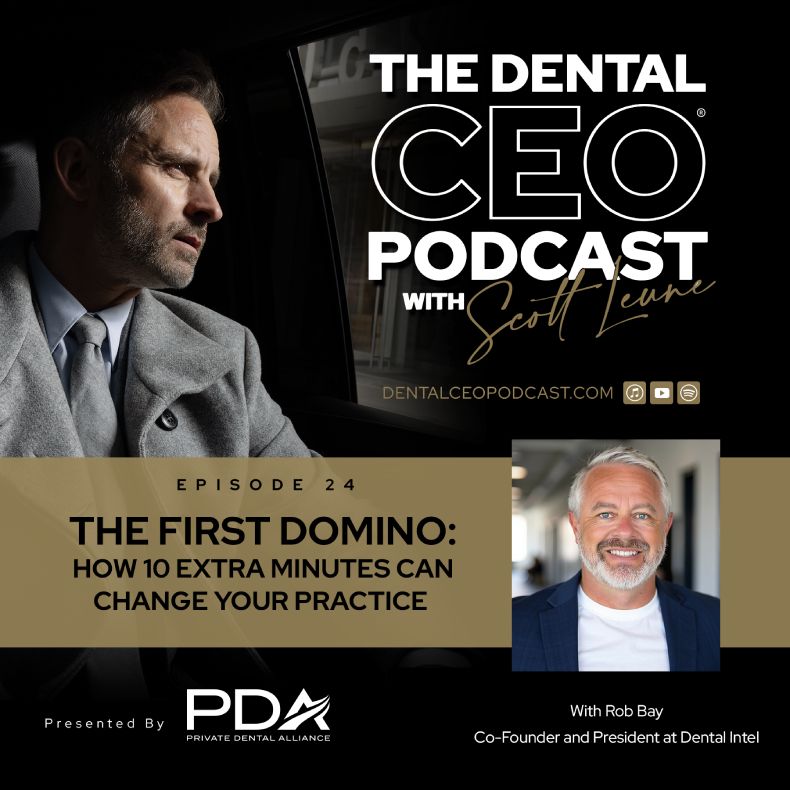
SUBSCRIBE TODAY
Subscribe now and receive a 25% discount code for Scott Leune’s upcoming events. Plus, get podcast episode alerts and exclusive subscriber perks.