Dental CEO Podcast Episode 69: The Husband-and-Wife Dentists Reinventing Themselves at 61
In this episode of The Dental CEO Podcast, host Scott Leune sits down with Dr. Ramin Tabib and Dr. Elisa Mello, a married couple who have practiced together in New York City for more than 32 years and are now reinventing their entire career at 61. After building a fee-for-service cosmetic practice out of just 700 square feet, never once taking insurance even when money was tight, they have moved into a beautiful new 2,500 square foot space and rebranded as The Smile Code. Scott, Ramin, and Elisa dig into what it really takes to grow without losing the deep patient trust that made them successful, how to align your facility and brand with the quality of dentistry you actually deliver, and why it is never too late to start the next chapter.
Highlights
- What it’s like to work alongside your spouse for 33 years, including how opposite personalities (the “let’s do it” partner and the “let’s not screw it up” partner) can balance each other and strengthen a practice
- How they built and sustained a fee-for-service cosmetic practice in one of the toughest markets in the country, and why they refused to join a single PPO even during the lean early years
- Why their facility was quietly holding them back, and how aligning their space, brand, and reputation changed the way patients perceive their care
- How to grow production and add capacity without sacrificing the unbiased, patient-first ethics that set a practice apart
- The marketing and branding strategy behind their reinvention and why being it, looking it, and speaking it all have to align
Speakers
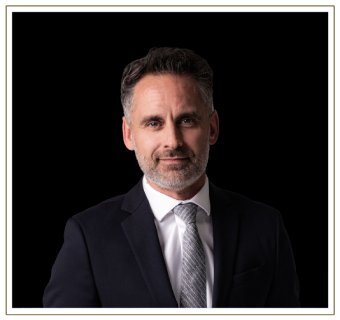
Dr. Scott Leune
Scott Leune, known as The Dental CEO, is one of the most respected voices in dental practice management. From his seminar room alone, he has helped launch over 2,000 dental startups and supported more than 20,000 dentists across practices worldwide. Named one of the 30 Most Influential People in Dentistry, Leune delivers practical, no-fluff strategies that empower dentists to lead with confidence, scale efficiently, and achieve real personal and financial success.
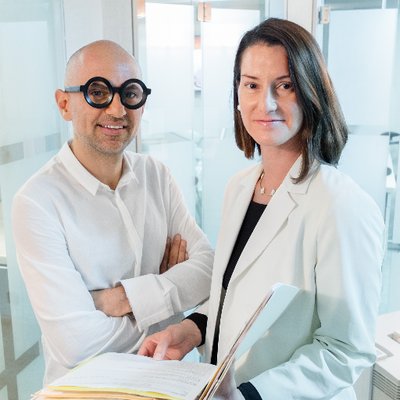
Dr. Ramin Tabib and Dr. Elisa Mello — Co-Owners of The Smile Code
Dr. Ramin Tabib and Dr. Elisa Mello are co-founders and co-owners of The Smile Code, a comprehensive and cosmetically focused fee-for-service dental practice in New York City. The two dentists met early in their careers when they were both hired at the same union dental clinic, and went on to build their practice from the ground up — starting with a single Saturday in a 700-square-foot space and growing it over more than 30 years into a newly expanded 2,500-square-foot facility with five operatories, a full in-house lab, and a dedicated consult room. Their recent expansion into a larger, design-driven space marks what they describe as a deliberate second chapter — an investment in finishing their careers on a high, with an environment that reflects the quality of care they’ve always provided.
Watch Episode
Read Full Transcript
So what's it like trying to be the best cosmetic practice in New York City? Or what's it like starting out only working in 700 square feet? Or what's it like being fee for service? What's it like working with your spouse for 33 years? What's it like being 61 and deciding to completely reinvent and restart your dental career in a new big way? Those questions are going to be answered and then some in today's episode. I think if you wonder what it's like working with your spouse, you've wondered what's like going fee for service, you want to do big cases, cosmetic dentistry, you want to revamp your marketing, you are wanting to restart your career in some way.
You want to move into a new facility. Man, all of you are going to get something out of this episode as we talk to this married couple that did everything I just said and that is today's episode on the Dental CEO Podcast.
All right, Elisa and Ramin, again, thank you so much for joining us. I was really looking forward to being able to talk to you two for several reasons. You're a married couple working together. You have this kind of brilliant, beautiful practice vision that you're building out and you're in a market that isn't the easiest market in the world, New York City. And so this is going to be a very interesting episode for a lot of people. Before we dive in and I start asking you a bunch of questions, I'd love to kind of turn it over to you two. If you could both individually introduce yourselves and who you are, you want to say a little bit about yourself and then we could dive into all the questions.
Origin Story: Meeting, Union Practice, and Saturday Startup
Dr. Ramin Tabib: Yeah. Dr. Ramin Tabib, we've been practicing together over 32 years, 33 years. So we sort of start out in a strange way into practicing together. We finished our residency and then after our residency we decided, okay, we need to find a job. And we both were interviewed for this job at a union dental practice, treating the hotel union workers. And we were both sitting at the waiting room.
Dr. Elisa Mello: We didn't know each other. We went to different schools, different residencies. So
Dr. Ramin Tabib: Now we're
Dr. Elisa Mello: Applying for the same job.
Dr. Ramin Tabib: Both graduated the same year. We were both sitting there waiting to be interviewed. And before you know it, we both got hired in this practice and we sort of started out as really good friends and things developed. She kept pursuing me and then things kind of progressed from there. But yeah, we started our practice very non-traditionally. We were first practicing with this union practice just to learn our skills. We didn't feel comfortable to move into a private practice. So we said, "You know what? Let's just learn our skills and that's your mentality. That was my mentality." And then after a while we decided to just not personally, but as far as the career path, we decided to, why don't we just start a Saturday private practice? And we ended up renting a private office for Saturdays and we build our practice as this private practice after five days working for this other union and practice and then building a practice on a weekend.
Our first patients obviously were family members that had to give discounts or free. So that went on for a while and then we built this other
Dr. Elisa Mello: Practice from — We added days. We started adding days. We were reducing the days at the union practice, building it up and then we kind of outgrew that. Not exactly outgrew, but we decided to build our own practice.
Dr. Scott Leune: And how long ago was that when you built your own practice from transitioning from Saturday only to now it's truly like an established practice?
Dr. Ramin Tabib: Do you remember the OJ Simpson trials?
Dr. Scott Leune: Of course. Yeah. I'm old enough for that.
Dr. Ramin Tabib: Well, when that happened, that period of time when that trial was at its height, that's when our practice had started. So because we remember that so well that when it all to the TV. 1994, I would say.
Dr. Elisa Mello: 32 years ago.
Dr. Ramin Tabib: 32 years. Yeah. So that's when it all started. And then after doing this weekend practice and then adding evenings to this private practice we said, "You know what? We got to bite the bullet and let's just find the space and build this practice."
Dr. Scott Leune: And at what point were you two married in this story?
Dr. Elisa Mello: Well —
Dr. Ramin Tabib: How did that happen?
Dr. Elisa Mello: We actually started the practice before we even engaged. It was kind of interesting. I don't know what I was thinking. No, I'm kidding, but that's what we did. And then we got engaged and then right after we got married is when we built our own space. It was a very exciting period of our life.
Building Their First Practice & Early Fee‑for‑Service Vision
Dr. Scott Leune: Yeah. So it's like a new chapter in your relationship. It's a new chapter in the practice. Yeah. And this practice that you built at the time, because we're going to talk about the one you have now, today's version of it. But before we get to that, at the time you moved to the new space during the OJ Simpson trial, right when you're getting married, what was the vision for this practice? What did you want to do or be in this practice?
Dr. Ramin Tabib: My goal was to always provide best dentistry possible. I loved working with my hands and I just felt like I want to deliver the best and I can't do this if I'm under the pressure of having an insurance practice and worrying about whether insurance can accept this or not and getting paid. So I'm like, we're dual income. We don't have kids yet. We could probably weather this till things start to happen, progress. And it did. And you can't fake something, people understand what you're doing. And if you're trying to pretend you're something and meanwhile doing completely differently, doing dentistry in different ways, it's never going to transpire into this fee for service type practice, which we always envisioned we wanted to do. So we never ever, even from the beginning stages, dealt with any type of insurance, PPOs. Yeah.
Dr. Elisa Mello: We
Dr. Rami Tabib: Never joined any group even when the pressure was really —
Dr. Elisa Mello: Like when we were starving.
Dr. Ramin Tabib: Terrible. I mean, we were worried about how to make payments and the pressure to join these PPOs and you see these mailers coming in, it's like, "Oh, they'll pay you this much and this." It started to look good, maybe we should think about doing this. And I knew if I did this, if we started that path, then we really had to pursue that and sort of let the fee for service practice take a sidestep for the time being. And we said, "Let's just weather this." And we did. And I think
Dr. Elisa Mello: We went out on a limb a lot and it was a little scary, a lot scary. I mean, even now with the new place
The New Smile Code Facility: From 700 to 2,500 Sq Ft
Dr. Scott Leune: Well, Elisa, let's talk about now. So that's kind of the background of what led you at some point to of course the now. And you guys have built kind of a newer chapter for yourselves. And Elisa, how would you describe the practice now or what you're trying to accomplish now? Because again, people listening to this don't know anything yet about what you're doing. So let's go ahead and teach everyone right now an idea of what you're doing right now.
Dr. Elisa Mello: So right now we have moved into how many square feet?
2,500 square feet after practicing in 700 square feet for 32 years and it was designed with our vision in mind and to deliver the kind of care that we have been but much more comprehensively, comfortably for both the patient and ourselves, which was really important. We're older now and it really is very well thought out in terms of flow and in terms of decor and the feel of it. And it's a real exciting, almost like an emotional thing to be able to come in here and say, "This is ours." It's like a dream come true.
Dr. Ramin Tabib: It's still unbelievable that we are in this space because we were so trained to practice small and a choreograph type of practice where everything had to be rearranged and remodeled for every patient because —
Dr. Elisa Mello: Or every time you got a new piece of equipment, where are you going to put it in 700 square feet? So it made us very efficient in terms of time, in terms of speaking to a patient, your privacy was very limited. We didn't have a consult room. We had a small office that we shared and sometimes that would double as a consult room. So there was a lot of, like you said, choreography and now in the new space that has been planned for and we have a separate space for that. And now that you have the space now actually trying to make it happen and to, okay, we have the space now what? First we're going to do this, then we're going to walk here, then we're going to do this. You have to rework all of that. And it's exciting.
Dr. Ramin Tabib: I mean, for that period of time, we always felt that I felt that space was our limiting factor. And now that we solved it, I've solved that problem. I feel like branding is our another limiting factor. How do we now brand ourselves? How do
Dr. Elisa Mello: We ... We want everything to be on the same page.
Dr. Scott Leune: Well, let me kind of update the listeners here. So I apologize for interrupting, but I think I'd like to bring them up to speed on what this is because your practice is called the Smile Code and everyone should look it up online. What's your website?
Dr. Ramin Tabib: The SmileCode.
Dr. Scott Leune: So thesmilecode.com. Look it up. It is gorgeous. By the
Dr. Ramin Tabib: Way, today we just got — Our trademark. Our trademark.
Dr. Scott Leune: Excellent. So I'm going to describe this for just a second. It's gorgeous practice. It is like if you looked at Dubai or you looked at the beautiful European design of clean lines, modern, beautifully classy, just very kind of updated. You could put it probably next to any other practice in the world and it would really look good next to any other practice, some of the best practices we've ever seen. And it is not a massive size, but for you guys, it's massive. It's over three times bigger than what you're used to. And when you look at it, I think that you said it well in your own words, I'll use my words. For years you've been proud of the high quality dentistry you've done without the undue influence of insurance. And now you've got a facility and starting to have a brand that is aligned with that.
So when someone walks in, they can now immediately see and feel that this is a practice of high quality and high quality, not just dentistry, but let's say patient experience and maybe like you said, the team experience in working in this environment. Did I describe that correctly?
Dr. Elisa Mello: Yes, we did.
Dr. Scott Leune: Okay. And so on the 700 square feet, how many operatories were there? And now on the 2,500 square feet, how many operatories are there?
Dr. Ramin Tabib: So at the 700 square feet office, we had three operatories
Dr. Elisa Mello: And here we have five.
Dr. Ramin Tabib: Now we have five operatories and in that three operatories we have installed a cone beam x-ray machine.
Dr. Elisa Mello: A small lab.
Dr. Ramin Tabib: Small lab even. We even have our own private office believe it or not, that we shared in the 700 square feet.
Dr. Elisa Mello: But now we have a full lab with a whole bunch of 3D printers and we have a consult room. We could each. We still share an office. We could have a separate office. There's another office, but we like being together.
Dr. Scott Leune: And then so this beautiful office, this smile code, I would argue that your logo and your facility and just the whole feel, it's all one thing. It's all one brand. When did this brand come to life as we know it today? Was this with the new facility or did you start working on the logo and redoing the website and redoing images and creating video and all that content you have right now? Was that done a long time ago or was all of this together kind of at the same time to roll out the new chapter of your career?
Evolving the Dental Practice Brand & Deciding to Reinvent
Dr. Ramin Tabib: I think what's interesting is that we've probably gone through so many iterations of our website throughout our career in 30 years. I would say probably over 10 different websites that we've had. And I know people have websites that have not changed in years, but we felt like the way we evolved in dentistry required us to change who we were.
Dr. Elisa Mello: Well, I don't know if it's changed, but it's more like a honing really, really each time that we did it, I feel like it got more authentic and more of what our brand was developing. And when you ask, did we start this before? Yes, we definitely started this before. And then I think that even might have been the impetus for us to find a new space because we're like, this is really ... It's like sort of like chicken in the hen, whatever the heck the stupidest eggs, whatever. It's like, we need another space to really bring this to fruition.
Dr. Scott Leune: Yeah. And I would say that you got very intentional with building a brand, a website, content, and a facility, all that's connected very well together. Meaning the way your lobby couch and your lobby lighting looks is in alignment with the quality of your dentistry and that's in alignment with how well done your logo is. It's all aligned. And it seems to me that you're starting to separate yourself from everyone else. You're in New York City, that's not an easy market. What separates you from everyone else that doesn't take insurance? It's in the 700 square feet, cramped dental office. What separates you? And I'm curious the process you went through because what I want to do without telling all the stories we can, but try to get very specific right now. There's plenty of dentists listening to this that have been in their space for a while.
It's not quite big enough. It's not quite what they want their brand to be. And you guys practicing 33 years and then suddenly you're like, "Let's go reinvent it in a way." So what is that process like? How did you start with, "I think we need a change." And how did you go through and deciding, "You know what? We need to be known for this, or this is what's going to separate us." And that eventually led to a new facility. Can you walk us through those steps?
Dr. Elisa Mello: Well, I would start with being married. We have very different personalities. And so the drive and the frustration with where we were would start with Rami. I just can't do this anymore. I really, really, really want to do this. And me being me was like, "Nope, we're not changing anything. We could do it here. Let's try and make do with it and let's change this, let's change that." And then that led to a series of him hashing that out with me like, "We really can do this. We can do this together. We've done this before. We're going to do it."
Dr. Ramin Tabib: And I think also what triggered this whole movement was, although I really wanted to do this, was a patient of ours and you start to realize that people have so much more, they know so much about you that you have no clue that they do. Like this patient — So they pick up
Dr. Elisa Mello: Things.
Dr. Ramin Tabib: This patient came in and he told us that ... And this is how he said it. "I know everything about you more than you think you do." He says, "I've been to so many consults, but I've decided to come see you." And then I found out he's a financial advisor and he says, "You're limiting yourself. I know what you're doing and you have to change. You can do so much better. You have no idea." I mean, it's going on and on. I'm like, "What are you talking about?" And I love to hear what he's saying, but when I first introduced him to Elisa, it's like, "Just get him away from me. I can't listen to this." Change was just not something on your radar. But that person's influence and the impetus, it seems like he was placed in our chair for a reason.
We became very good friends and he really looked at all the financials and decided, how do we put this together? How do we make sure that this —
Dr. Elisa Mello: Well, it's interesting, but I was just going to interrupt you one second. What's interesting about that is that he came to us as a patient who had been on many consults in some very nice offices.
Dr. Ramin Tabib: Very high end office.
Dr. Elisa Mello: There's a lot of high end offices in New York City, but when he came to us and he met us, it was different for him and how he expressed it was that I know I'm in the best hands here. I just don't think that your facility is representing that as well as it could and you could do more of what you're doing in a bigger space. And so — And
Dr. Ramin Tabib: It was exactly what I
Dr. Elisa Mello: Wanted to — When the student's ready, the teacher shows up, right? So it was a little bit like that.
Adjusting Workflows & Protecting Ethos in a Bigger Practice
Dr. Scott Leune: It's almost like you were being held back in part because you needed more rooms than three and you needed a space that told the patient, "You've got great judgment. You've decided that the home you do dentistry in represents the quality of care you offer without being pretentious and ridiculous," but it sounds like there was a disconnect between the way it felt to be in your space as a patient and the quality dentistry they were actually getting. And it took someone with a lot of experience and a lot of offices and an open enough mind to recognize you two are amazing, but your facility doesn't reflect that. And so maybe there's a disconnect there. Did I say that correctly?
Dr. Elisa Mello: Yeah, I think you said it well. The other office is beautiful, but it really wasn't.
Dr. Scott Leune: Yeah. And I'm curious what's changed now that you grew to a facility almost twice the number of ops and a much more space, has your practice changed?
Dr. Ramin Tabib: So that's a good question. Has the practice ... So we are still functioning a little bit like the old practice. When you're doing something for 30 years, you're not going to all of a sudden change and like, okay, I got three times the space I'm going to do three times more dentistry. So you still have this way of practice that hasn't ... I'm still worried about where to put things. Meanwhile, I have thousand closets I can put things. I'm worried about space management so much. So you want to say something?
Dr. Elisa Mello: No, I just think that it's like a transition. You come into the space and your workflows change and if you're using your old workflow in the new space and I guess so long, we're starting to feel it and it's taken a couple months. Three months for us to ... Oh, we don't have to do it this way anymore. We can do it this way. And it's kind of exciting because you see the possibilities that you knew or you already know that, but when you have to get that composite done and you have your way of doing it, so it makes it interesting. It's a little scary, but it's ...
Dr. Ramin Tabib: Obviously we need to grow because this is in its second chapter in our practice, expenses have risen so you do need to support that and be financially solvent doing this, but I don't want to lose what we built for 30 years. I don't want to lose touch with that ability to like how we work together and how we really function or how we treat patients. I feel like it's so unique. Patients even tell us that you guys really care for people. That's what we hear all the time and we don't want to lose touch with that just because we have a bigger practice and we want to financially obviously do better. So we don't want to lose that aspect, but at the same time we know we need to grow our practice in a positive way, in a nice way.
Dr. Scott Leune: If we were to get very specific for a second, when a patient says that y'all take great care of them, other than just being nice people or being ethical dentists, what does that actually mean? Does that mean that you spend more time than the average dentist in the operatory talking to them? Is that what that means? What do you think that actually means logistically speaking?
Dr. Ramin Tabib: I think it means to me that you're not going to recommend something that you feel is not necessary for my treatment. And I'm not just saying that we really mean it. There's been so many cases that patients come to us for ... I've been told to get 10 veneers. I'm getting a second opinion. What do you think? You don't need 10 veneers. You need an internal bleaching, for instance, of your number eight. That's about it. Why don't damage your ... You're not going to gain anything from this.
Dr. Scott Leune: But how does that change with a larger facility? How does that change with growth?
Dr. Elisa Mello: Well, I think there's a pressure to produce more. So to produce more, there could be a mistake made where you spend less time with somebody.
Dr. Scott Leune: Okay. So you want to still spend the proper amount of time with people and you don't want to be in a situation where you feel pressured to kind of diagnose outside of what you find is your ethical lane, which is what you're so known for. Did I say that correctly? Yeah. So growth doesn't have to break those things, right? Growth can happen in a lot of ways. Growth could mean that you're marketing to bring in more of the type of cases you want and converting them on the phone or converting them in the operatory or converting them financially. Growth could mean building out more of a hygiene department and having kind of a patient base. Use some of those operatories more than you have in the past, where in the past you may have felt pressured to not have a hygiene department because you just didn't have the ops.
Growth can be a lot of other things that have nothing to do with hurting what makes you so special. Do you believe that?
Dr. Elisa Mello: I 100% believe that. I think it's just a bit of a challenge to do that. I mean, at least for me, I don't want to do the wrong thing. I don't want to lose that. And part of my personality too, I don't want to upset the apple cart, change things, but I firmly believe we can do it. It's just we're figuring it out.
Strategy & Marketing: Aligning Brand, Facility, and Growth
Dr. Scott Leune: Well, I'll tell you who believes that you can do it maybe more than anyone I know is my business partner, David. My business partner, David Lopez, he's been talking to you guys and kind of having meetings with y'all about your vision and about rolling out the vision and the marketing side and so forth. From right now up to this episode, it seems like maybe to an outsider, you've been married, you're practicing together, you've been doing it a certain way in part because of how small you were as a facility and you've made it work and now you're in their second chapter and you really just want to be able to spread your arms, spread your legs, have some space, have something beautiful that is in alignment with your brand. And so you take on space three times bigger, few more ops, but you're not necessarily making some dramatic shift in how you do dentistry.
You're not necessarily growing a whole lot right now. You're just kind of having a more beautiful space for the same type of practice you used to have, hoping maybe it'll kind of fill in a bit over time without losing what made you you. However, I think my business partner would describe this a little bit differently. He would say, well, now that they have this facility aligned with the brand, which is aligned with how high quality their relationship is and their dentistry is patients, now we can roll out the marketing initiatives that would teach New York that you guys are the ones to go to, even in a sea of dentists and even high-end dentists that you guys have something that sets you apart and that is this deep trust with patients and this amazing brand that all aligns with going to you for serious cases.
That's what he would say. And so he would be saying like, okay, yeah, we're rolling out a webinar series to try to get content to promote them and we're going to, we've got a CRM, customer relation management system that's going to be built and we could have automation and we could have the new, of course, the new content on the website and we can funnel that with Google Ads and hit landing pages and we could use AI-assisted search engine optimization to maximize your impact all while dripping in social media content to back up the fact that your brand is amazing. You see how his answer would be very strategic and business oriented and your answers are very passionate about the patient and I would like to see the two connect. So for the purpose of this podcast episode, we've got a couple different people that would be very interested in this conversation you should continue and that would be married couples.
How do you work together through the ups and the downs? And it sounds like you're opposites in some way. He's the, let's do it and you're the, hold on, let's make sure we don't screw it up. And so we got married couples and then you've got people that are wanting to start the second chapter of their career. Even though they've been a dentist for a long time, they're not ready to give it up. They want to be renewed in their career. You've got that person and then you've got the person that says, "Oh, I want to be known as the very top cosmetic office in my area. And I'm really interested in this branding thing you've done in the facility. I'd like to look at your website. I'd like to look at your facility. I'd like to understand what you're doing from a marketing perspective." So I know I just dumped a whole lot on you, but I'm curious if we can maybe go down those paths quickly.
The married couple path, the I'm not ready to hang it up. I want to renew my career path and the, oh, this is how we're going to be one of the most successful cosmetic offices in my area path. Does that sound like something we could do?
Dr. Ramin Tabib: Sure. Yeah.
Marriage & Partnership: Working Together as Spouses
Dr. Scott Leune: Okay. Okay. So let's start. Well, you decide which one to start. How about Elisa, you decide which one we're going to start with here. What do you want to talk about first from those three paths? Married, second chapter in the career or cosmetic?
Dr. Elisa Mello: We can talk about married first.
Dr. Scott Leune: All right, let's dive into marriage. Perfect. So what's it like? How can you stay married in life and stay married in business and survive the ups and downs on both together, especially when you're cramped in a tiny space? How do you think this happens?
Dr. Ramin Tabib: I feel like married dentists are better partners in life than dual income husband and wife. One is doing a business that's completely different than the other. Can you imagine coming home at night and what are the discussions? You probably had a really bad day and she's probably had a really bad day. She wants to tell you about her bad day. You're not listening because you've had a bad day. And it creates this conflict where you're like, "You're not listening to me." But meanwhile, we work together. I know what she went through. She knows what I went through. So when we have a discussion, even though it might be dental discussion, we know where we going with it because we know exactly the problems and the issues that we had during that day during the day. And people ask us like, "Oh, how do you guys work together?
Married. I could never do that."
Dr. Elisa Mello: I had a dollar every time
Dr. Ramin Tabib: Somebody asked. Every time somebody tells me that, I'm like, "Okay, well, maybe you should find yourself a new partner." I'm saying when we're working together, I'm not seeing Elisa all day. She's working on her patients, I'm working on my patients. So we do have commonality where we have to talk about a certain patient, but we are doing separate things.
Dr. Elisa Mello: I think also I would add to that is that, I mean, dentistry is so stressful. I mean, I don't care how you're practicing from all the different ways that you can practice dentistry, just the work itself, you're running the business, we're working with people, you're dealing with pain all day and having somebody who completely understands that, I don't have to explain that, it takes a lot of stress off of you on that. That being said, sometimes you bring arguments into the office and the staff runs away from you, but it's nice to have somebody who understands what you went through all day, especially when you feel about as passionately as we do. We love what we do and it's great to be able to share that. That's something we share together.
Dr. Scott Leune: I think that's really wise to say. I don't think people have thought about what you just said because I think people are worried about, well, what happens when there's conflict in the office? Do you take it home? You got upset over that or you wanted this and the staff think there's a two-headed monster they got to talk to and both heads don't always say the same thing. And then you go home and you fight about it. But what you have said is, "No, no, no. I now have a partner that truly sees and appreciates me and what I've been through for the day and maybe can be better at supporting me and be thankful for me and I the same to them." So I think that's a very wise thing to say, but to address what I just said, how do you handle this possibility that you two could argue about the company or the team could feel like there's a two-headed monster, there's no one leader or bringing a fight from home into the office and now everyone's tense.
How do you manage through those situations or do they even happen?
Dr. Ramin Tabib: What about alcohol.
Dr. Scott Leune: Well, give us an idea of how pervasive do fights occur because you work together
Dr. Elisa Mello: There's disagreements in —
Dr. Ramin Tabib: I don't think we've had serious fights
Dr. Elisa Mello: Or — They're never serious. It just comes from a point of view of say even dealing with staff, or a team, right? We're dealing with the team and he wants to reprimand them and then having different personalities, it's like, well, perhaps they were thinking this and we didn't train them well, and then maybe he's still mad, whatever. And then we'll have an argument about that. But it's more about point of view and I don't know, just the way we are, I guess we're very fortunate that we're able to coming from such different aspects rather than it being a conflict, it's more of a discovery kind of thing where you ... I mean, there's been times where we've had some bigger fights and things where we just went to our ops and did our work and the team just stayed away, but it never really —
Dr. Ramin Tabib: But I always wonder dentists who practice solo or have a partner that just a business partner and you're having a really rough time and you feel like there's no one to talk to.
There's no one that really understands you. Sometimes I feel like if you probably get very insular and keep it to yourself or tensions may rise within you and who knows how that will transpire after you leave work. But for instance, today you had a mild conflict with a patient and I know about it. She told me about it understanding it, you don't have to keep it to yourself anymore. You have someone you can discuss it with and get it off your chest a little bit. And I feel that's valuable to have and I'm sure there's partners like that in dentistry even then if they're not husband and wife, but I feel like ours is so unique that it really works for us and I think it should work for any marriage that has good relationships
Dr. Elisa Mello: To
Dr. Ramin Tabib: Begin
Dr. Elisa Mello: With. Strength. It's given us strength. It's made us stronger together. It hasn't gotten in the way. It's definitely been a —
Dr. Rami Tabib: I mean, also when she realizes that my word is the last word, things don't ever get out of hand.
Dr. Elisa Mello: You are a hundred percent right.
Dr. Scott Leune: So what I notice is I think that you guys have a lot of grace with each other and patience and maturity and I don't think all couples have that much patience or grace. And so some couples maybe work really well when there truly is a delineated lane. And so I'm going to lead this lane, you're going to lead that lane. And if you put us both in the same lane, we're going to bump into each other. Whereas other couples that I think have this kind of very mature outlook of supporting one another that have that they're okay in that kind of middle area, then they can truly thrive how you're describing. So as you say, I can't imagine couples not being able to do this, I'm thinking in my head, "Oh, I can imagine. I can imagine couples not being able to do that, but I can also see why you can do it.
Because you've just got that grace with each other that a bad day means I understand you as opposed to a bad day means you're part of my problem, you're part of my bad day. So I think that's very unique in some companies. For example,
Dr. Ramin Tabib: I mean, a lot of times we have to see a patient together or my patient, she has to come in for a consult and we've argued over the patient while we're deciding what's the best path to go and the patient's almost seeing this and they're kind of laughing at it.
Dr. Elisa Mello: I mean, we'll do it humorously.
Dr. Ramin Tabib: We do it humorously. We're not ...
Dr. Elisa Mello: Are you crazy? I would never touch that too, whatever. So
Dr. Ramin Tabib: We're
Dr. Elisa Mello: Getting the point across, but —
Dr. Ramin Tabib: It's that ability of being comfortable with each other that allows you to be comfortable with the patient and even have an argument in front of them that never is just for the benefit of the patient anyhow.
Dr. Scott Leune: Well, that's interesting you say that because maybe it's something else too. I as a patient, I'm going to feel more like part of the family when I've got two doctors who are family. They're family with each other and surely one doctor wouldn't be lying to me or screwing me over if the spouse is now going to look at it as well. Surely this is the most honest conversation that can occur. And if the fact that they're conflicting against each other debating this makes it even more trustworthy. And now this really is like a family. I'm definitely getting the best of the two of you combined because of this relationship. I think that it might come across that way. Now I'm curious because we only have so much time. So I'd love to hear next is like, okay, what has this been like to say, "You know what?
We've been a dentist for decades. We could have easily just stayed there, done our dentistry as our small family in this office, but no, let's go into all this debt and all this trouble and rebrand our facility and ourselves and do this new thing for a second chapter." You mentioned that it's about your comfort too. So what would you say to a dentist who is stable, they're successful, they really wish they could have had the nice office they always dreamed of. They're decades in and they're wondering, should I do this for myself and my practice even though I may not be doing this forever or should I just stick to what I got right now, not go through the trouble and the debt and just finish my career in this kind of compromise setting? What would you say to them?
Dr. Ramin Tabib: I think we were riding in the cruise mode for quite a while.
Dr. Elisa Mello: So we know what that is if somebody said that to us, we would understand that.
Dr. Ramin Tabib: Totally. I mean, we could have stayed in the cruise mode and we didn't have a bad life. We're doing well. Why get out of that? Why put your foot on the pedal to the metal? Why at age 61 do we want to do that? And sometimes we were like, "Does this make sense to do it at this age?" People are winding down, people are looking for exit strategy. What are we doing? We're looking to expand.
Dr. Elisa Mello: Well, I think that for me, once I got over the change thing, I don't want to dwindle away and just let it atrophy. I want to go out on a high and enjoy it more. And I think that even with the stresses of overhead and it's more of that, I'm definitely enjoying it more and that aspect and the passion that I have for it, it completely overrides all that. And I think that is a great way to finish one's career.
Dr. Scott Leune: You know what a lot of younger dentists are talking about when I talk to them. They're talking about, "I want to build this wealth. I want to have multiple locations." They're talking about the numbers and the money and I have struggled to get out of the two of you in this conversation, that discussion because you focused on the right patient, the right environment, I want to go out, basically be proud. I want to enjoy it. I want this to be comfortable. You have talked about just being proud of the beautiful career you've built and it's the right moment to now see it to this next level because this is now going to be the next project, the next passion for you in dentistry. And it's important I think for me to point that out because we get lost in a sea of fish yapping about numbers and sometimes forget it's about doing the right thing for our patients, for our team and for ourselves.
It's more than just numbers. It doesn't always have to be the most financially successful thing as fast as possible in the biggest way to be a beautiful thing to do.
Dr. Ramin Tabib: Yeah. I mean, financially it gives you freedom to do a lot of things that you want to do, but it's not the whole answer to what life is about.
Dr. Elisa Mello: At least for us.
Dr. Ramin Tabib: At least for us. Yeah. I mean, and also we've been doing this together so much. We're getting older. I'd love to bring somebody on and really give them some ability to grow the way we did and give them a chance. I see a lot of dentists struggling trying to do things and there's probably a lot of great dentists out there that don't have the opportunity. We want to be able to bring them in and help us grow and help them grow in a truly in a beneficial way for everyone, for patients, for ... We just want a happy environment and I keep saying that. I want everyone to be happy around here.
Dr. Scott Leune: I call this a lifestyle practice, but that can mean a lot of things. But I've found myself in the last three or four years being inundated with young to mid-career dentists wanting what you're doing but at that point in their career. So it's almost like we've burned them out faster with this kind of insurance volume driven high business expectation environment where all the costs are going up and the staffing is getting difficult and all that kind of stuff. And they're coming to me and we're actually at age 35 to 40, 45, that age, 20 years younger than where you're at right now, building a version of what you're building because they are ready to be insurance free. They're ready to have in a facility that represents the quality of their care. They're ready to lower the volume, maintain or improve the financials, but more importantly, establish some freaking healthy boundaries in their life so that dentistry doesn't steal it away.
That's what I'm seeing a lot of. And I think those young dentists should listen to the two of you go look you up.
Dr. Ramin Tabib: That's when they should listen to you more too. And I think what you've been teaching and what you've been talking about, because you're very much in tune about financially you need to be solvent, you need to know what you're doing to ... I wish I had known about business earlier and how to be successful and maybe heard about you more.
Dr. Elisa Mello: But I think the whole thing is all about the why.
Dr. Scott Leune: Well, I'm curious, because David started working with you guys, and of course I'm not in those meetings, but can you describe to me what it's like working with my business partner, what you guys were working on together, what that process was like? Because maybe there's some lessons there as well for someone.
Working with the Dental CEO Coaching Team to Define and Express the Brand
Dr. Ramin Tabib: So I didn't know what David's role was initially and I thought he was just going to help us build a marketing ads or something like that. I don't know. We're not marketing people. We don't know about marketing. People say you don't know, but I think they say that you probably do. You wouldn't have been where you are now, but we didn't understand what all that meant and what does it take to brand yourself. And you're saying, "You guys have to develop your brand and I'll help you develop your brand." And also I think — He was very, very, very adamant about, don't do anything until you understand what you are, what you're trying to do with the smile code, what is it about? He had us write down your thoughts and no, let's not do anything till you know what exactly this brand is about and what where you want to go.
And that really was key to us working together and understanding. At times, I feel like he believes in us more than we do. It was very interesting, maybe he's just blowing smoke up our ass, but I don't think so. But he's a very genuine person and he's very passionate about what he does and it's infectious. So we've been enjoying working with him. He's very knowledgeable and we're going in the right direction as far as —
Dr. Elisa Mello: And I think with David also, he sort of helped us define what we were doing, like we're doing, we're doing, we're doing, we're crafting, we're creating this place with this space. He's helping us define it so that we can brand and market it better and we needed him to help us do that. Sometimes some of the questions he's asking us is like, I don't know. And I do know, I can't articulate it. He's been really helpful with that. He's not creating the brand. He's teasing it out of us like what it actually is.
Dr. Scott Leune: A lot of us dentists, if we're asked, what does our practice stand for and what sets us apart from everyone else? We can't actually answer the question very well because we help patients. Okay, we all say we're patient centered. We all say we want to do ethical, high quality care and we may have some little marketing attributes like, or we're open in the evening on Wednesdays and maybe that sets apart, but we have a very difficult time articulating it. If David was able to get the two of you to articulate that well and then that kind of set of words then controlled every decision after that, what is the lobby going to look like? What are we going to smell? What are we going to see? What we're going to hear? What kind of video on the website are we going to actually, what are we going to talk about?
Are we going to talk about our relationship together? Are we talking about the quality of our dentistry? We're going to talk about how well known we are. What are we going to actually do there? That positive story starts kind of positively touching everything else you do from a marketing perspective. And what you haven't gone through yet is this whole nother chapter of it where now we need to actually get that content to pull the right patients in. And that is when the practice booms. The practice booms when you have an alignment of your brand and your content into the right marketing strategy that you can convert to a patient. And every single thing I just said, those are different moments, the right brand and strategy and it all aligns into the marketing component and then you convert. Those are all different moments. So I think that I want everyone to follow your journey because what I predict is that it'll start slow and then ramp up and up and up and up and you will get a tipping point where suddenly you'll look back and you'll say, "We're the same people doing the same dentistry, but we are so much more successful and it wasn't hard and bad." It was just finally the world is seeing us for the quality we are because we spoke it in the right language.
And I think that's what's going to happen.
Dr. Ramin Tabib: I think if I can add to something to that also, I think when we get out of the mold of being micromanagement of every aspect of our practice and let professionals take care of us in the areas that they are meant to be professionals in and that's when you know you can propel and excel because we've been doing this for so long, but we've been doing everything ourselves from bookkeeping, from marketing, from everything, like every aspect of our practice been managed and micromanaged by us and we need to get out of our own head and realize that there are people who can help us. There are professionals who are much better than us in marketing, much better than us than branding and we need to trust in them and we need to trust in other people that could help us build the practice too.
Dr. Elisa Mello: Well, just to add to that is that we have come in contact with many, many different types of professionals and marketers and advertisers and things. I would say that with David, it's been really great in that he wasn't jumping to action without actually hearing what the message should be and that's very different than creating the ad and let's add the message to it. It was, what is the message and how does that translate into how you're going to communicate that and attract people?
Dr. Scott Leune: I would tell you a quick story that I think you're going to find similarities in. One of our coachee clients, and I'm not going to name any names and if you know who it is, please don't name any names just to keep everything private. But one of our coaching clients does a very, very successful practice, does sleep dentistry on children and he was doing about one or two cases a month and he was very successful. And the marketing he did was let me tell people I do sleep dentistry on children, just normal dentist marketing stuff, like just add that to the list of everything we do. And with David and Scott and myself and other people helping out, we basically transformed and figured out what's the story of Sleep Dentistry on Children and what's his story and how is this emotionally significant? And when you fast forward to today with the right story and branding, it's a new brand, new website, and new strategy of content, he's on the news multiple times, he's got webinars, he's got all kinds of things now.
He went from two cases to now, I think he's on track this month to do more than 40 and that is the type of dentistry he loves and that's at least another 1.2 million in profit annually from where he was doing the dentistry loves for three and a half days a week. And see, he always was that dentist and he could always help those kids in this way, but it was hidden from the world. The world has to hear it in a very specific way to respond. They can't just see a sign. They can't just see an ad. It has to be deep into the core of the brand and it has to come out in a way that the world is interested in listening to. And when it does, it can create amazing things. He deserves it. That's the dentist he is. The world just didn't know it until now and now he's benefiting from it.
Dr. Ramin Tabib: Well, he didn't fake his brand. He lived his brand.
Dr. Scott Leune: You have to earn what you want to be first and then you have to make sure that you can speak it to the world in the right language. We're not in an age anymore where you can fake it until you make it. Online reviews just kill the fakers immediately. You have to be it, but we can't be it and not look it. We can't be it and not speak it. We have to be it, look it and speak it all the right way. And when those align, then the world comes to us. When they don't align, we have to go to the world and hope that someone will listen. And so that's what has happened with him and it's just blowing up his practice in a good way, not in a bad way, in a really healthy way. And he's helping so many kids with this treatment.
It's just an amazing story. And that's just kind of an example of what happens when you align all of this together. I'm going to probably do a whole series of episodes on his story as well, because the benefit with his story is that we've seen his story through now. You guys are kind of in the phase of your story, but we've seen his through.
Closing: Excitement for the Future
Dr. Ramin Tabib: Just hearing that kind of gets me excited to ...
Dr. Scott Leune: Well, we are out of time. Believe it or not, we're already out of time, but to me, you guys have kind of upgraded your career and you've got such a great story as dentists that want to do right and dentists that are married and working together in this cool environment and you haven't hung it up. You haven't said, "Okay, I'm done. Let me fizzle away." You've said, "No, there's no need to fizzle away. Let's bring more excitement to this and let's kind of start this next chapter." And I think that that is something that a lot of dentists need to hear and listen to. And that's why we asked you guys to come on because you're a very interesting situation. New York City married at your age, redoing everything in a way is a very unique fee for service. It's all very unique. That's a very unique combination.
And I thought that was going to speak to several different types of listeners. Is there any last thing you want to say before we've got to stop this episode?
Dr. Ramin Tabib: Yeah, I think Elisa has something to say.
Dr. Elisa Mello: No, I don't. I enjoyed speaking with you and we've really enjoyed working with David.
Dr. Scott Leune: Excellent.
Dr. Elisa Mello: So we're excited about our future.
Dr. Scott Leune: And if people want to see practice, they go to thesmilecode.com. Is that correct?
Dr. Ramin Tabib: Yep. Smilecode.com. That's right. Or if they want to see some of my antics, go to the Instagram and ...
Dr. Scott Leune: Excellent. Everyone go to that website. Literally fill his website with traffic. You're going to love the fact that you get to see what they're doing from their facility to their branding strategy, everything else they're doing. It is worth the moment to stop and go look at the smile. The new
Dr. Ramin Tabib: Version's coming out soon.
Dr. Scott Leune: When is the new version coming out? What month?
Dr. Rami Tabib: I think within the next three weeks. Sure.
Dr. Scott Leune: Okay. So we're talking early summer 2026, for those of you all listening to this. Early summer 2026 is the new version of the marketing and website.
Dr. Ramin Tabib: People looked at our current version. I was like, "Wow, I love your website." I said, "Wait till the new one."
Dr. Scott Leune: Yeah. Excellent. Okay. Well, thank you two for meeting with me. I really enjoyed it and I hope you guys enjoyed it too. I know that the listeners have all gotten something out of this and again, I want to thank you for giving that to us. Everyone listening to this, please continue to follow us every week. We've got something new, something completely different from the previous week and I'm just excited. I already know who we're interviewing here in the next month and all of these interviews are just so unique and so different. So please listen. I think you'll be very happy with this. So YouTube, thank you again thesmilecode.com. Everyone go listen and watch their videos and look at their content and check it out. My name is Scott Leune and this was the Dental CEO Podcast. Thank you.
SUBSCRIBE TODAY
Subscribe now and receive a 25% discount code for Scott Leune’s upcoming events. Plus, get podcast episode alerts and exclusive subscriber perks.